Let's be honest. The idea of having a scaly-foot gastropod pet is one of those wild, sci-fi thoughts that pops into your head when you're scrolling through "world's weirdest animals" lists online. You see a picture of this otherworldly snail, clad in what looks like iron armor, living next to volcanic vents miles under the ocean, and a little voice whispers... "Could I have one?"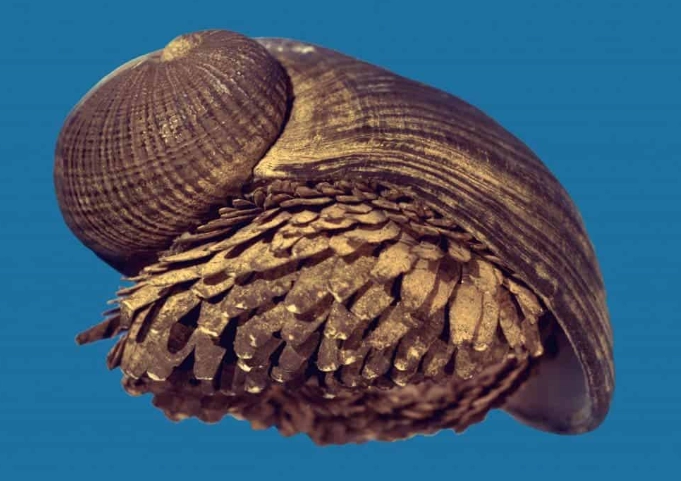
I get it. I had the same thought. The allure of owning a piece of living deep-sea legend is powerful. But here's the thing—turning Chrysomallon squamiferum, the scaly-foot gastropod, into a household pet isn't just challenging. It's a conversation that sits at a crazy intersection of cutting-edge marine biology, extreme aquarium science, and some pretty heavy ethics.
What Exactly Is a Scaly-Foot Gastropod, Anyway?
Before we even talk tanks and water parameters, you need to know what this creature is. This isn't your garden-variety snail. Found only around hydrothermal vents in the Indian Ocean, this snail is an extremophile—a lover of conditions that would kill almost everything else. Its most famous trick? Its foot isn't soft and slimy. It's covered in hard, mineralized scales made of iron sulfides (like fool's gold) and calcium compounds. It's literally the only known animal on Earth to use iron sulfides in its skeleton. Think about that for a second. An iron snail.
Scientific Name: Chrysomallon squamiferum. Sometimes you'll see it called the "sea pangolin" because of its armored scales.
Discovery: It was first discovered in 2001 near the Kairei hydrothermal vent field. Its unique biology immediately blew scientists' minds. A great resource to understand its initial discovery and significance is the research published in journals like Nature. For instance, a foundational study on its iron-sulfide sclerites can be found through the publisher's site (Nature), highlighting just how unprecedented this creature is.
But the armor is just the start. This snail has a symbiotic relationship with bacteria that live in a special organ in its body. These bacteria chemosynthesize energy from the toxic, mineral-rich fluids spewing from the vents. The snail doesn't eat in a normal way; it farms these bacteria for most of its nutrition. So right off the bat, your potential scaly-foot gastropod pet isn't eating algae wafers. It's running a whole internal chemical refinery.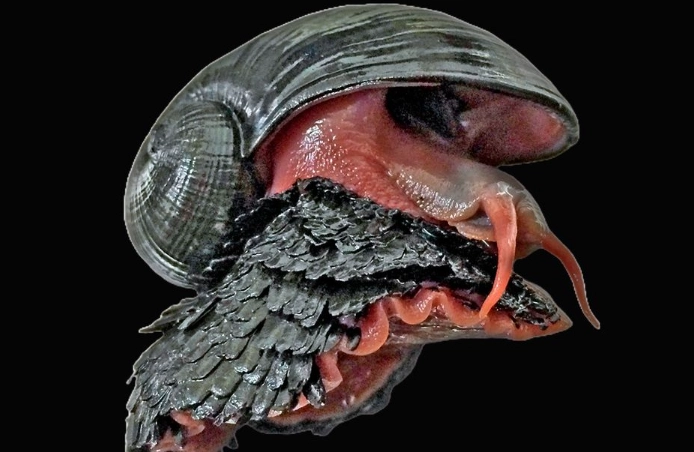
Why a Scaly-Foot Gastropod Pet Isn't Like Getting a Goldfish
This is where the fantasy meets a very cold, very high-pressure wall of reality. Keeping any deep-sea creature alive at surface pressure is a monumental task. For this specific snail, we're talking about recreating a slice of hell on Earth in your living room.
The "Simple" List of Impossible Requirements
Let's break down what its natural home is like, and what you'd need to mimic:
- Crushing Pressure: They live around 2,400-2,900 meters deep. That's over 4000 psi of pressure. Your standard aquarium holds maybe 30 psi. The pressure isn't just about squeezing; it changes how chemistry works, how gases dissolve. Without it, their bodily functions could simply fail.
- Extreme Temperatures: The water around these vents is a mix of near-freezing (2°C) ocean water and superheated fluid spewing from the vent at over 300°C. The snails live in a precise gradient. One wrong move and you have snail soup or a snail popsicle.
- Toxic Chemistry: Their water is rich in hydrogen sulfide and heavy metals—stuff that's poisonous to most life. This is the "food" for their symbiotic bacteria. Clean, filtered saltwater would starve them to death.
- Zero Sunlight: Complete, absolute darkness. Not "low light." Darkness.
I'm not trying to be a downer, but the idea of a scaly-foot gastropod pet in a home aquarium, with our current mainstream technology, is essentially science fiction. The specialized pressurized aquariums (hyperbaric aquaria) that research institutions use to study deep-sea life cost hundreds of thousands of dollars, require constant engineering oversight, and are the size of rooms. I once visited a lab that had one for studying vent shrimp, and the hum of the pressure pumps alone was enough to make conversation hard. It was impressive, but it was no pet setup.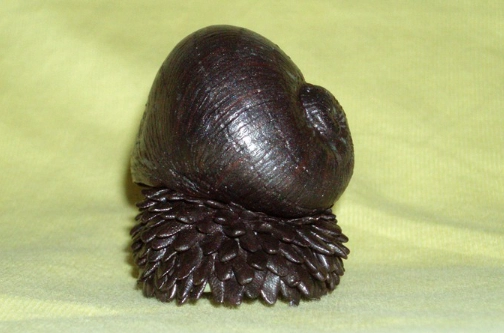
If You Were to Try: The Hypothetical Care Guide (The "How" Behind the "Why Not")
Okay, let's play a thought experiment. Say money and space are no object, and you're dead-set on attempting to care for a scaly-foot gastropod pet. What would that involve? Understanding this highlights why it's so far from reality.
| System Component | Specification Needed | Why It's a Nightmare |
|---|---|---|
| Aquarium Vessel | Hyperbaric (pressure-rated) chamber, likely titanium or thick acrylic, with viewing ports. Minimum several hundred gallons to manage chemistry. | Custom fabrication only. No off-the-shelf product exists. Requires safety certifications for containing high pressure. A single leak or failure is catastrophic. |
| Pressure System | Industrial-grade compressors and pumps to maintain ~4000 psi. Redundant systems mandatory. | Extremely expensive, energy-intensive, and loud. Requires constant monitoring by sensors and failsafes. |
| Water Chemistry System | Precise dosing pumps for hydrogen sulfide, metals (iron, zinc), and other minerals. Constant water parameter monitoring. | You are handling toxic, hazardous chemicals. Hydrogen sulfide is deadly to humans in small concentrations. This isn't adding dechlorinator. |
| Temperature Control | Advanced system to create a stable thermal gradient from very cold to warm in one tank. | Extremely complex engineering challenge. Creating a stable, non-lethal gradient in a closed, pressurized system is a PhD-level problem. |
| Food / Nutrition | Not "food" in a traditional sense. You must maintain the health of its internal symbiotic bacteria via perfect water chemistry. | You're not feeding the snail; you're running a chemical reactor that feeds the bacteria that feed the snail. One parameter out of whack and the symbiosis collapses. |
See what I mean? The care for a scaly-foot gastropod pet isn't about feeding schedules and water changes. It's about running a small, hazardous, deep-sea simulation facility. The cost just for the setup would easily run into the millions of dollars. The monthly energy and maintenance bill would be like a mortgage on a nice house.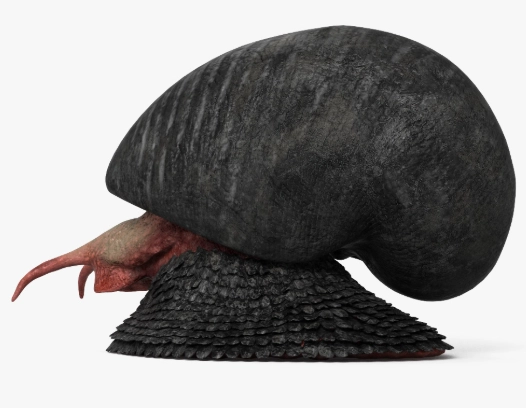
I remember talking to a deep-sea researcher about this. They laughed, not unkindly, and said, "If someone has the resources to successfully keep a vent endemic like Chrysomallon alive ex-situ, they should be funding our research ships instead." It put things in perspective.
The Elephant in the Room: Ethics, Conservation, and Legality
This is the most critical part of the discussion, and it's why the conversation about a scaly-foot gastropod pet moves from impractical to unethical.
It's Endangered. Seriously Endangered.
In 2019, the scaly-foot gastropod was listed as Endangered on the IUCN Red List of Threatened Species. You can and should verify this on the IUCN Red List website by searching for Chrysomallon squamiferum. Its entire population exists only in three known hydrothermal vent fields. That's it. Three spots on the entire planet.
The primary threat? Deep-sea mining. Those very vents are rich in the metals and minerals our tech industry craves. Mining operations would utterly destroy its habitat in an instant. So, the snail is fighting for survival in its only home.
The takeaway? Even if you could magically create the perfect tank, obtaining a specimen would be highly problematic. Collecting from an endangered species' only habitat for the pet trade is ecologically irresponsible and almost certainly illegal under international treaties like CITES and the laws of the nations governing those waters (like those outlined by the International Seabed Authority).
Furthermore, our scientific understanding of this snail is still growing. Removing individuals from their fragile ecosystem for private keeping directly harms conservation and research efforts. Institutions like the Smithsonian Institution and various oceanographic institutes are studying these creatures to understand extremophile life and even biomimicry (inspired by its armor). A live specimen in a lab is for advancing human knowledge, not for private decoration.
So, What CAN You Do If You're Fascinated?
The desire to connect with such an amazing creature is understandable. Here’s how to channel that interest positively, without contributing to harm or chasing an impossible dream:
- Support Deep-Sea Research and Conservation: Donate to or follow organizations like the Monterey Bay Aquarium Research Institute (MBARI) or the Woods Hole Oceanographic Institution. They are the ones using submersibles to study these animals in their habitat and advocate for deep-sea protection.
- Visit Advanced Public Aquariums: Some leading public aquariums occasionally feature deep-sea exhibits or research. While you won't see a scaly-foot snail (I've never seen one in captivity publicly), you can see other deep-sea animals and the incredible technology used to study them. It's the next best thing.
- Explore Other Unique Aquarium Pets: If you love the "weird snail" vibe, there are countless fascinating and ethical aquarium invertebrates that are captive-bred and adaptable to home aquaria. Peacock mantis shrimp, certain cool nudibranch species (with expert care), or even mysterious freshwater snails like the Devil's Spike Snail (Faunus ater) can satisfy that curiosity without the ethical baggage.
- Become an Advocate: The story of the scaly-foot gastropod is a powerful emblem for the mysteries of the deep sea and the threat of deep-sea mining. Sharing its story helps raise awareness about protecting these unknown ecosystems.
Common Questions (And Straight Answers)
Has anyone ever kept a scaly-foot gastropod as a pet?
To the best of public knowledge, no private individual ever has. A few have been kept alive for short periods in highly specialized research laboratory hyperbaric aquaria for scientific study. These are multi-million dollar, institutionally-run setups, not homes.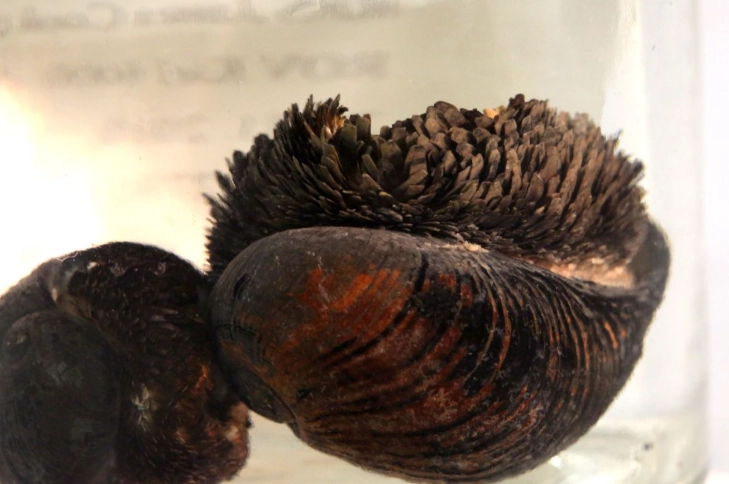
Where can I buy a scaly-foot gastropod?
You can't. There is no legal, ethical, or commercial market for them. Any website claiming to sell one is an obvious scam. They are endangered and impossible to extract and ship alive with current technology.
How long do they live?
Scientists aren't entirely sure, but estimates from studying shell growth suggest they could live for decades in their stable vent environments. In a hypothetical (and impossible) home setup, lifespan would likely be measured in days or hours due to the stress of decompression and incorrect conditions.
Are there any snails that look similar I can keep?
Not really. The iron-sulfide armor is unique. Some freshwater or marine snails have textured or spiky shells (like certain Nerite snails or Astrea snails), but nothing replicates the iconic metallic, scaled foot of the scaly-foot gastropod. Its look is as unique as its habitat.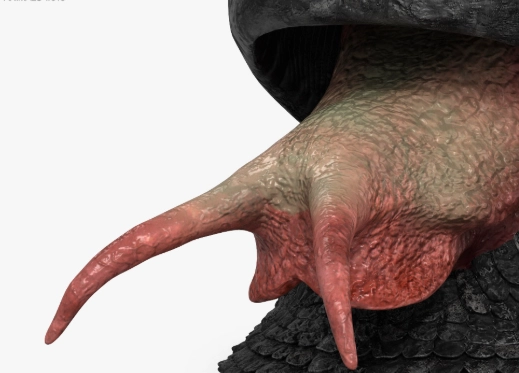
Final Reality Check
The dream of a scaly-foot gastropod pet is a compelling one. It speaks to our love for the bizarre and the mysterious. But sometimes, the most respectful way to love a creature is to admire it from afar, to protect its home, and to let it be the wild, alien wonder that it is.
Owning a piece of the deep sea isn't about putting it in a tank. It's about supporting the science that reveals its secrets and the policies that keep its volcanic home safe from destruction. The scaly-foot snail isn't a pet. It's a testament to life's incredible adaptability, and right now, it's a symbol of how much we have left to lose in the unexplored dark.
So, if you were searching for a care guide hoping to make it work, I hope this gives you the full picture. It's not about being told "no." It's about understanding the profound "why" behind it. The scaly-foot gastropod's place is in the deep, near the fiery vents it calls home, not in anyone's living room. And honestly, that makes it all the more amazing.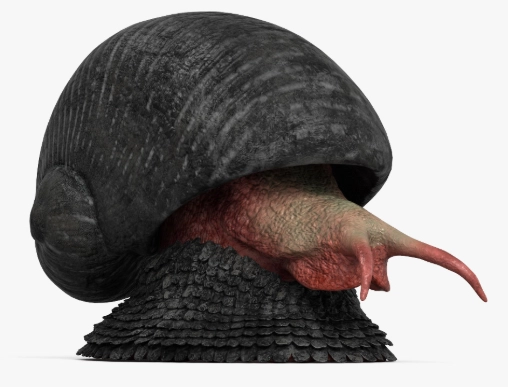
Comment