In This Guide
Let's be honest. When most people hear the word "moth," they don't picture something cute. They think of dusty, brown creatures bumping into porch lights or munching on sweaters in the closet. I used to think the same way. But then, a few years ago, I was hiking at dusk and saw this plump, fuzzy little thing with what looked like tiny black eyes on its wings, just sitting on a leaf. It was so...charming. That was my first real encounter with what I can only call a genuinely cute moth. It completely changed my perspective.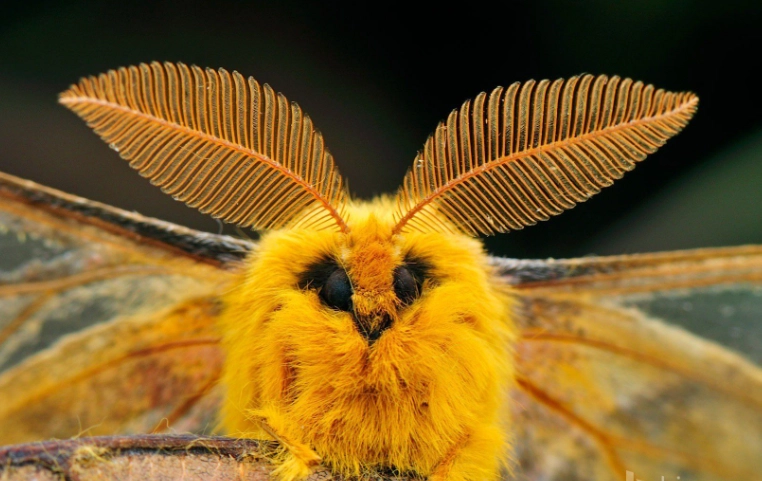
This whole world of adorable, often overlooked insects exists, and it's way more fascinating than I ever imagined. So, I dove in. I started reading, talking to entomologists (the bug scientists), and even trying my hand at raising a couple of species. This guide is everything I wish I had found when I first got curious. We're going to look at the most charming species, figure out why they look the way they do, and even talk about what it takes to care for one if you're so inclined. Because yes, some moths can make interesting pets, though it's not for everyone.
What Makes a Moth "Cute" Anyway?
It's subjective, of course. But in the insect world, "cute" often comes down to features that remind us of mammals or trigger a nurturing response. Think big, fuzzy bodies (like a tiny teddy bear), large, expressive-looking eyespots, soft colors, or clumsy, fluttering flight. It's the opposite of what makes us scream—sharp angles, fast, jerky movements, and stark, "warning" colors. A cute moth tends to look soft, approachable, and maybe a little bit clumsy.
Top 10 Contenders for the World's Cutest Moth
Based on fuzzy factor, color, and overall charm, here's my personal ranking. You might disagree, and that's okay! Part of the fun is discovering your own favorites.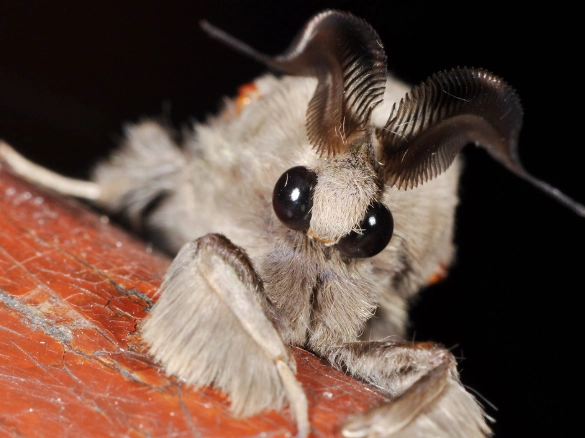
The Rosy Maple Moth (Dryocampa rubicunda)
This is the internet's darling, and for good reason. It looks like a piece of candy or a plush toy. Its body and wings are a stunning mix of lemon yellow and bubblegum pink. They're fairly small, and their fuzzy yellow bodies just beg to be petted (but don't actually touch them—their scales are delicate!). Found in eastern North America, they're a living testament to how colorful and sweet-looking a cute moth can be. Seriously, if you show someone a picture of this and they don't go "aww," check their pulse.
The Venezuelan Poodle Moth
Alright, full disclosure: this one is shrouded in mystery. The famous photos from 2009 took the world by storm—a white, fuzzy moth that looked uncannily like a poodle or a Muppet. Its taxonomy is still debated, and clear information is hard to find. Some experts think it's related to the muslin moth. Is it incredibly cute? Absolutely. Is it easy to learn about or find? Not at all. It remains the elusive celebrity of the moth world, which somehow adds to its appeal.
The Garden Tiger Moth (Arctia caja)
This one wins the award for most dramatic transformation. The moth itself is handsome, with intricate cream and brown patterns on its forewings. But the real cuteness overload is its caterpillar, known as the "woolly bear." It's a dense, black and rust-brown fuzzy tube that rolls into a ball when scared. The adult moth, when startled, flashes its hindwings—vivid orange with dark blue spots—to scare predators. A cute moth with a hidden superpower.
Fun Fact: The Garden Tiger Moth's flashy hindwings are a classic example of "startle coloration." It's saying, "Hey, I might be toxic or taste terrible!" even if it's mostly bluffing.
The Southern Flannel Moth (Megalopyge opercularis)
This is the ultimate test of cuteness versus danger. The adult moth is unbelievably fluffy, like a miniature chinchilla or a tuft of orange-gold fur with legs. It's breathtakingly soft-looking. However—and this is a massive however—its caterpillar, called the puss caterpillar, is one of the most venomous in the U.S. Its sting is excruciating. So, admire this cute moth from a respectful distance in photos. Its appearance is a 10/10, but its family comes with a serious warning label.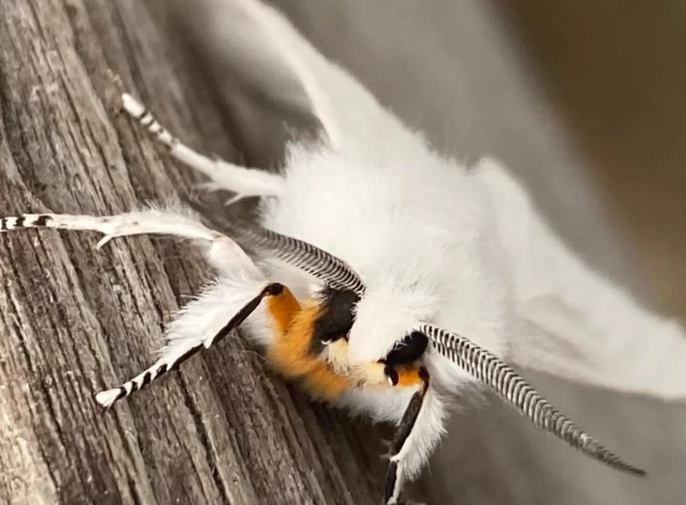
The Cecropia Moth (Hyalophora cecropia)
Sheer majesty. This is North America's largest native moth, with a wingspan that can reach over 6 inches. While "majestic" might be the first word, its details are cute. Its body is striped red, white, and black like a little candy cane, and it's incredibly fuzzy. The wings have beautiful eyespots and crescent shapes. Watching one emerge from its cocoon is a slow, magical process. They don't eat as adults; they live only to mate, which is kind of sad but makes their brief, fuzzy lives feel special.
We could keep going—the IO moth with its stunning peacock-like eyespots, the delicate, green Luna moth that seems from a fairy tale, the hummingbird clearwing that acts like a bird. The point is, the diversity is staggering.
So You Want a Pet Moth? Let's Talk Reality.
After seeing pictures of a cute moth like the Rosy Maple, it's tempting to think, "I want one!" I had the same thought. The reality is more complex, and it's crucial to go in with your eyes open. Raising moths is generally about raising caterpillars and witnessing the metamorphosis. Keeping the adult moth long-term is often not feasible or ethical for many species.
Important First Step: Check Your Local Laws!
This is non-negotiable. You cannot just collect any caterpillar or moth from the wild. Many species are protected, and collecting them may be illegal. For example, in the UK, many moths are protected under the Wildlife and Countryside Act. In the US, state regulations vary. Always, always research first. The best route is often to purchase eggs or caterpillars from a reputable breeder who specializes in captive-bred, non-threatened species. The Keeping Insects website is a good starting point for ethical sourcing and basic care guides.
If you decide to proceed ethically and legally, here's what caring for a moth through its life cycle involves:
- Start with the Right Species: Don't start with something rare or difficult. Silk moths (like the Cecropia or Polyphemus) are popular because their needs are well-documented and they eat common leaves like oak or maple. The cute moth known as the Rosy Maple Moth feeds on, you guessed it, maple leaves, which can be easy to source if you have the tree.
- The Caterpillar Hotel: You'll need a secure, well-ventilated enclosure (a large mesh pop-up cage is great). Clean it frequently—caterpillars are eating and pooping machines. This is the most hands-on phase.
- Food is Everything: You must have a steady, pesticide-free supply of their specific host plant. A Cecropia caterpillar will only eat leaves from certain trees. You can't just give it lettuce. Research is key.
- The Big Change: They'll form a cocoon or chrysalis. This stage requires specific humidity levels. Some need to overwinter (go through a cold period), which means putting the cocoon in your fridge for months—a weird but necessary step.
- The Grand Finale: The adult emerges. Most giant silk moths don't have mouthparts and can't eat. Their adult life is about one week. Your job is to provide a large space for them to stretch and dry their wings, and if you have a pair, to allow them to mate. After that, the cycle ends.
It's incredibly rewarding but also a lot of work and responsibility. It's not like having a hamster. You're managing an entire life cycle. I tried it with some native silk moth caterpillars I found (after verifying it was legal), and the day they emerged was amazing. But I also felt a pang when they passed a week later. It's a bittersweet hobby.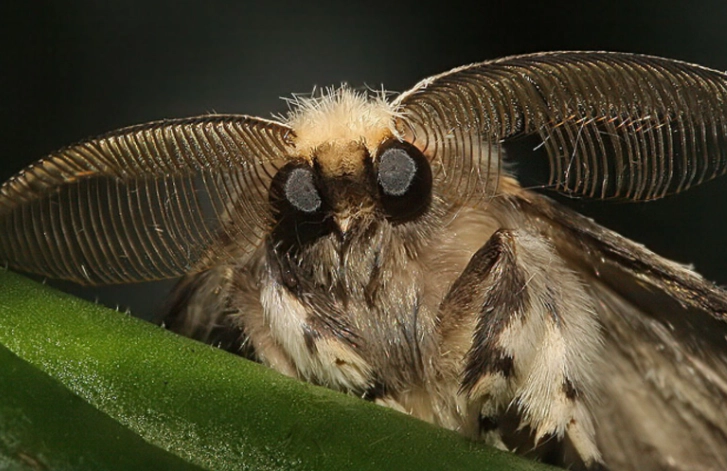
Moth vs. Butterfly: The Never-Ending Debate
People always ask: what's the real difference? It's not just that butterflies are pretty and moths are drab—we've already proven that wrong. Here's a clearer breakdown.
| Feature | Moths (Generally) | Butterflies (Generally) |
|---|---|---|
| Antennae | Feathery or thread-like, without a clubbed end. | Thin with a distinct club (knob) at the end. |
| Activity | Mostly nocturnal (active at night). | Diurnal (active during the day). |
| Resting Wing Position | Held flat, roof-like, or wrapped around the body. | Held upright and closed together over the back. |
| Pupal Stage | Usually spins a silken cocoon around the chrysalis. | Forms a naked chrysalis (no silk covering). |
| Body | Often stockier and fuzzier (to retain heat at night). | Often smoother and less hairy. |
See? The fuzzy bodies of many cute moth species are actually a practical adaptation for staying warm on cool nights. And those feathery antennae? Super-powered scent detectors for finding mates in the dark. There are exceptions to every rule here (some moths are day-fliers, some butterflies are dull), but this covers the basics.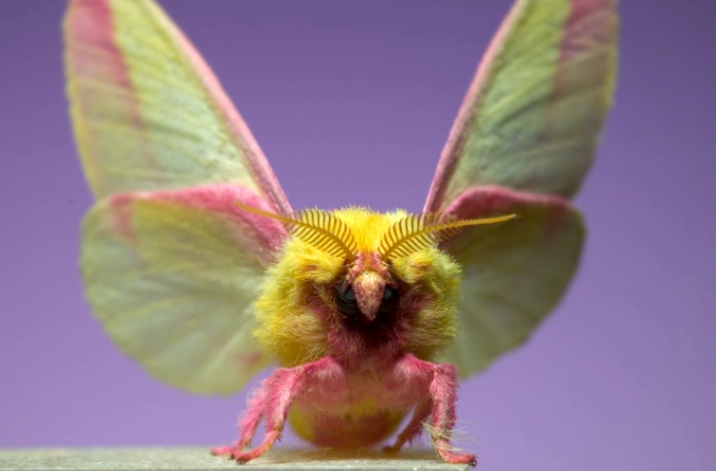
Answering Your Burning Questions About Cute Moths
How to Actually Help and Observe Cute Moths
You don't need to raise them to enjoy them. Here are simple, impactful ways to engage with the world of moths.
- Plant a Moon Garden: Grow night-scented, light-colored flowers like jasmine, evening primrose, or tobacco plant. You'll attract moths to your own yard. Sit outside at dusk with a cup of tea and watch the show.
- Try Moth "Sugaring": Mix up a sticky paste of overripe fruit, brown sugar, and a bit of beer or rum. Paint it on tree trunks at dusk. Check later with a red-light flashlight (which disturbs them less) to see what's come to feast. You'll see an incredible variety.
- Put Up a Conservation Light: Instead of a bright white porch light, use a yellow "bug" bulb or a directed motion-sensor light. It attracts far fewer moths, reducing fatal confusion. Better yet, enjoy the darkness.
- Report Your Sightings: Use apps like iNaturalist. Your photos of a cute moth in your backyard can contribute to real scientific data about species distribution and population health. It's citizen science at its best.
A Final Thought From a Converted Moth Skeptic
I get it. The idea of a cute moth might still seem weird. But next time you see one near a light, take a closer look. Look at the intricate patterns, the soft fur, the delicate antennae. These aren't pests or mistakes. They're an ancient, diverse, and astonishingly beautiful group of creatures. Some are fuzzy like teddy bears, some look like flying flowers, and some are just fascinatingly strange. They play a silent, crucial role in our ecosystems while being mostly ignored or misunderstood. Giving them a second look might just change your perspective, like it did mine. The world gets a little more magical when you realize there are tiny, winged works of art fluttering around your porch light.
And if you're really keen to dive deeper into the science and conservation of Lepidoptera (the order containing moths and butterflies), resources from institutions like the U.S. Fish and Wildlife Service often have fantastic, verified information on native species and their habitats. It's a deep, wonderful rabbit hole to fall into. Happy moth-watching!
Comment