So you've seen a picture online. A cat that looks like it just stumbled out of a haunted forest, with patchy fur, intense eyes, and a vibe that's equal parts cute and creepy. Your first thought was probably, "Is that photoshopped?" Let me tell you, it's not. That's a real live werewolf cat, and its official breed name is Lykoi (pronounced LIE-koy), which comes from the Greek word for wolf.
I remember the first time I saw one in person at a cat show. It was nothing like looking at a photo. There's a strange magnetism to them. They're not ugly, not at all, but they definitely break the mold of what we expect a domestic cat to look like. This isn't some lab-created monster, either. The werewolf cat appearance is a completely natural genetic mutation. Think of it as nature's own special effects department going a little wild.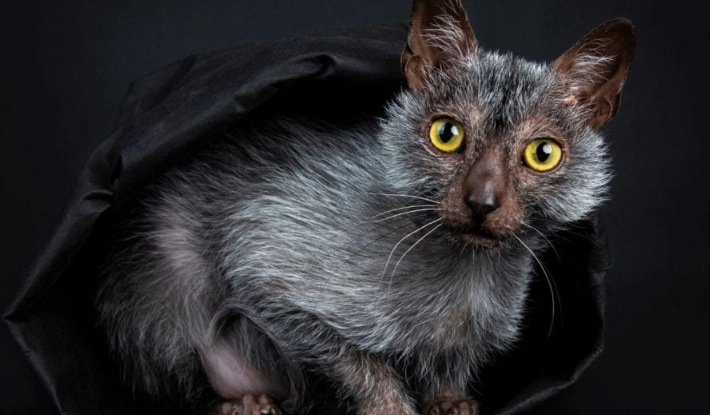
This guide is for anyone who's curious, fascinated, or maybe even considering sharing their home with one of these extraordinary creatures. We're going to move past the viral memes and dive into what it's really like. What's their personality *actually* like behind the scary movie poster look? Are they healthy? How do you even care for a cat that might not have a full coat? And the big one—should you get one?
Where Did These "Werewolf Cats" Come From? The Lykoi Origin Story
The story starts around 2010, which is incredibly recent in the world of cat breeds. A couple of different litters of cats with this strange, wolf-like appearance were discovered in the United States. The founding cats were domestic shorthairs, completely ordinary street cats, but they carried a unique recessive gene.
Breeders Johnny Gobble, Brittney Gobble, and Patti Thomas saw the potential to establish a healthy, robust breed from this mutation. They didn't create the gene; they just worked to safeguard it. The crucial part of their work was extensive health testing and outcrossing (carefully breeding with unrelated black domestic shorthairs) to ensure a wide gene pool. This is a big deal—it's what separates responsible breed development from problematic inbreeding.
Genetics can be wild, can't it?
By 2011, The International Cat Association (TICA) granted the Lykoi "Registration Only" status, and they achieved full "Championship" status in 2016. You can see their official breed standard on the TICA website, which is the gold standard for pedigree cat breeds. This official recognition is important because it means the breed's development is monitored and follows strict guidelines.
Anatomy of a Werewolf: Breaking Down the Lykoi Look
What exactly makes a werewolf cat look so, well, werewolf-y? It's a specific combination of traits that work together.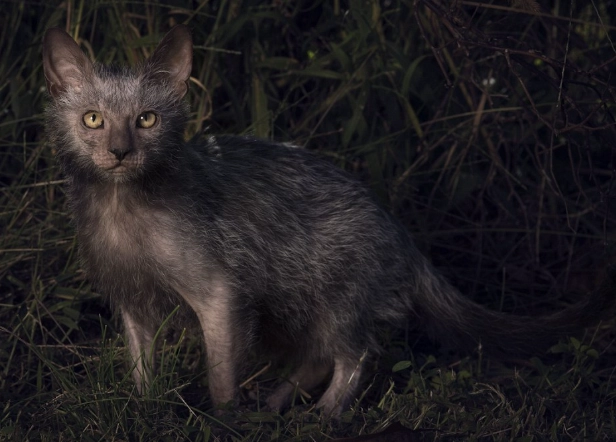
The Coat: It's All About the Follicles
This is the star of the show. Lykoi cats lack an undercoat. Completely. And the guard hairs (the top layer of fur) they do have are sparse and often lack the central part of the hair shaft (the medulla). This causes the patchy, moth-eaten appearance. It's not hair loss from disease; it's how the hair grows. The pattern is often a "roan" pattern—a mix of pigmented and white hairs that gives a grizzled, silvery look. The hairless areas are most common around the eyes, muzzle, chin, and behind the ears, which really accentuates their angular face.
Fun fact (or maybe not-so-fun for your black clothes): many Lykoi cats "blow" their coat almost entirely once or twice a year, becoming nearly bald before it grows back in. You have to be okay with a cat whose appearance changes dramatically with the seasons.
Eyes, Ears, and Body: Built for the Part
Their eyes are a stunning wedge or oval shape, usually in shades of gold or green, and they lack hair around them. This gives them an intense, unblinking stare that can feel a bit disconcerting. Their ears are large, hairless on the inside, and set high on their head, always seeming to be on alert. They have a lean, muscular build—not skinny, but athletic. They feel solid and warm to the touch, and their skin can be surprisingly sensitive to the sun since it's not fully protected by fur.
The Werewolf Cat Temperament: Wolf Look, Dog-like Heart?
This is where the magic happens, and where the Lykoi wins over most skeptics. If you're expecting a aloof, mysterious monster-cat, you'll be surprised.
Most Lykoi owners describe them as incredibly dog-like in their loyalty. They tend to bond deeply with one or two people, following them from room to room. They're highly intelligent, curious, and playful well into adulthood. Many enjoy fetch, and their hunting drive is strong—that sparse coat probably makes them more efficient hunters, feeling vibrations better. They are often very talkative, not with loud meows, but with chirps, trills, and chatters.
Now, the flip side. That high intelligence and energy means they need stimulation. A bored Lykoi might just redecorate your house. They are not the ideal "lap cat" for someone who wants a sedentary pet. They want to be involved in everything you do. I've spoken to owners who say their Lykoi insists on "helping" with work emails by sitting on the keyboard.
They also tend to be fearless and confident, which can be great, but it also means they might march right up to a visiting dog without a second thought. Early socialization is non-negotiable.
Lykoi Personality Checklist: Is This Breed For You?
- You'll love a Lykoi if: You want an interactive, loyal, "shadow" pet. You enjoy active play and puzzle toys. You appreciate unique looks and don't mind explaining your cat to every guest. You're home often or have another pet for companionship.
- Think twice if: You want a low-energy, independent cat. You're gone for 10+ hours a day. You prefer a predictable, plush coat. You're sensitive to potential vet bills for rare breeds.
Caring for Your Werewolf Cat: A Practical Guide
Caring for a Lykoi isn't overly complex, but it has its unique points. Let's get practical.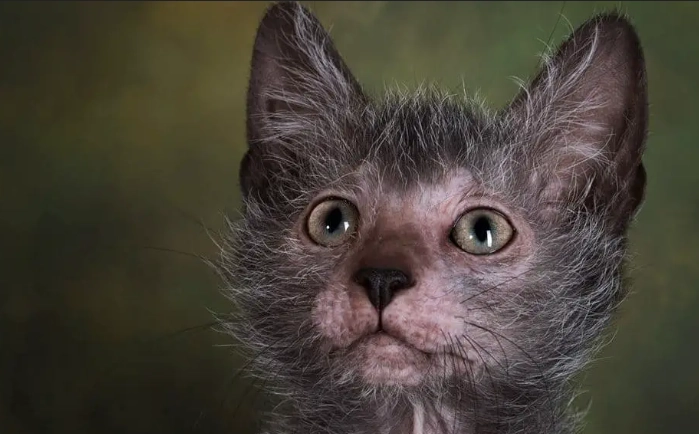
Grooming: Less Hair, Still Some Care
You'd think a cat with little hair needs less grooming. Not exactly. Their skin can produce oils that aren't fully absorbed by the sparse fur, so a weekly wipe-down with a damp cloth or pet wipe can prevent a greasy feel. Baths are sometimes needed every month or two with a mild, vet-approved shampoo. Their nails should be trimmed regularly, and those big ears checked for wax buildup.
Diet and Exercise: Fuel for the Hunter
They are active cats with a high metabolism. A high-quality, protein-rich diet is key. Many breeders and owners recommend a mix of wet and dry food to ensure hydration. Because they can feel cooler to the touch (less insulation!), they sometimes eat a bit more to maintain energy, especially in colder climates. Interactive play sessions are a daily must—think wand toys, laser pointers (used responsibly), and puzzle feeders.
Environment: Keeping Your Werewolf Happy
They love vertical space. Cat trees, shelves, and secure window perches are a huge hit. Provide warm spots for them to snuggle, like heated cat beds or soft blankets in sunny spots (but mind the sunburn!). They are clever escape artists, so secure window screens are a must. Their curious nature means they will get into cabinets and drawers if they can.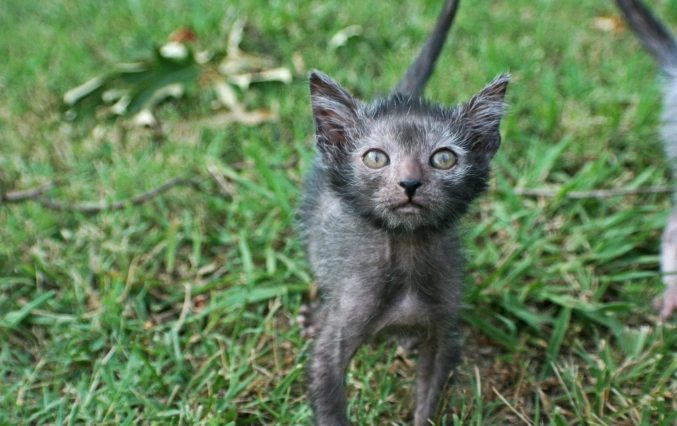
Lykoi Cat Health: What You Need to Know
This is the most critical section. The Lykoi is generally considered a healthy breed, largely due to the responsible outcrossing program in its foundation. However, being a newer breed with a unique mutation, long-term data is still being gathered.
Reputable breeders test for common feline issues like Hypertrophic Cardiomyopathy (HCM) and Patellar Luxation. There is no evidence the werewolf cat gene itself is linked to specific diseases, but their partial hairlessness comes with considerations.
- Sunburn & Skin Cancer: As mentioned, this is a real risk. Limiting direct sun exposure is crucial.
- Temperature Regulation: They can get chilly easily. Keep your home at a comfortable temperature and provide warm bedding.
- Skin Conditions: They may be slightly more prone to minor skin irritations or dryness. Using humidifiers in winter can help.
It is absolutely vital to work with a veterinarian who is either familiar with the breed or is open to learning. The Cornell Feline Health Center is an excellent resource for any cat owner, offering science-backed advice on feline health that applies to all breeds, including the Lykoi.
A healthy cat is a happy cat, weird-looking or not.
The Big Question: How to Find and Ethically Acquire a Werewolf Cat
Let's be blunt: Lykoi cats are rare and expensive. You might see prices ranging from $1,500 to $3,500 or even more for a pet-quality kitten from a reputable breeder. Show-quality cats cost more.
The high price reflects the careful breeding, health testing, and low number of litters. This is not a breed you will find in a typical shelter or for a low price online. If you see a "werewolf cat for sale" at a bargain price, it is almost certainly a scam, a sick animal, or not a true Lykoi.
| Source | Pros | Cons & Red Flags |
|---|---|---|
| Reputable TICA/CFA Registered Breeder | Health-tested parents, kitten socialized, contract & health guarantee, lifelong support, honest about breed traits. | High cost, waiting lists (often a year+), may have strict requirements for buyers. |
| Lykoi Rescue/Rehoming | Lower cost, giving a cat a second home. Sometimes adults are available. | Extremely rare to find. Must verify the cat's history and health thoroughly. |
| Online Classifieds (Craigslist, etc.) | None that outweigh the risks. | HUGE risk of scams, sick kittens, backyard breeders, or cats that are not Lykoi (just cats with mange). AVOID. |
A good breeder will interview you as much as you interview them. They will ask about your home, your experience, and your plans for the cat. They will provide proof of health testing for the parents (not just a vet check). They will let you visit (or video call) to see the kittens and their living conditions. They will never pressure you to buy quickly.
Start your search on the breeder referral pages of TICA or the Cat Fanciers' Association (CFA). Be patient. Getting a healthy, well-adjusted kitten from a responsible source is worth the wait and cost.
Common Questions About Werewolf Cats (Lykoi FAQ)
Let's tackle some of the most frequent searches and curiosities head-on.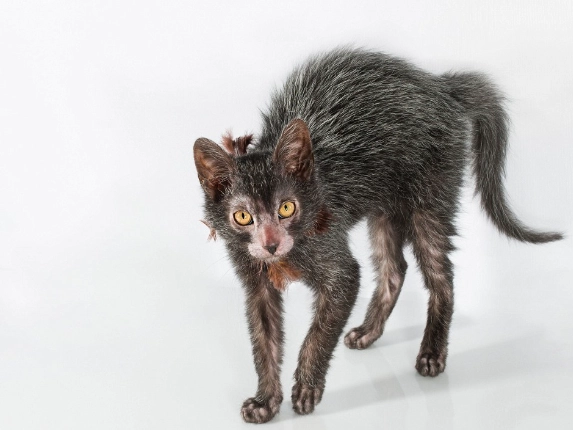
Are werewolf cats hypoallergenic?
This is a big one. The short answer is: no cat is 100% hypoallergenic. Allergies are usually to a protein (Fel d 1) in cat saliva and skin oils, not just the hair itself. While Lykoi cats shed less hair, they still groom and produce dander. Some allergy sufferers report fewer symptoms around them, but it's not guaranteed. Never get a Lykoi assuming it will solve cat allergies—spend time with one first if possible.
Do werewolf cats have health problems because of their looks?
Their unique look is not a disease. It's a cosmetic genetic mutation, like the hairlessness of a Sphynx. Responsible breeding focuses on ensuring the mutation doesn't bring linked health defects. The main health considerations are related to skin care (sun, temperature) rather than systemic illness.
Is it cruel to breed cats that look like this?
This is an ethical question worth asking about any breed. From a welfare perspective, the key is whether the animal suffers. There's no evidence Lykoi cats are in pain or discomfort due to their coat. They play, eat, and socialize normally. The ethical concern lies solely with irresponsible breeders who might prioritize looks over health. Supporting only ethical, health-focused breeders is the answer.
Can a Lykoi cat be an indoor-only pet?
Absolutely, and it's strongly recommended. Their curiosity, fearlessness, and value make them vulnerable outdoors. Risks from cars, other animals, parasites, and theft are too high. A secure, enriched indoor environment (or a safe, enclosed "catio") is the best home for a werewolf cat.
How long do werewolf cats live?
There isn't decades of data yet, but with proper care, they are expected to have a typical domestic cat lifespan of 12-15 years or more. Their health outlook is promising due to the diverse gene pool established early on.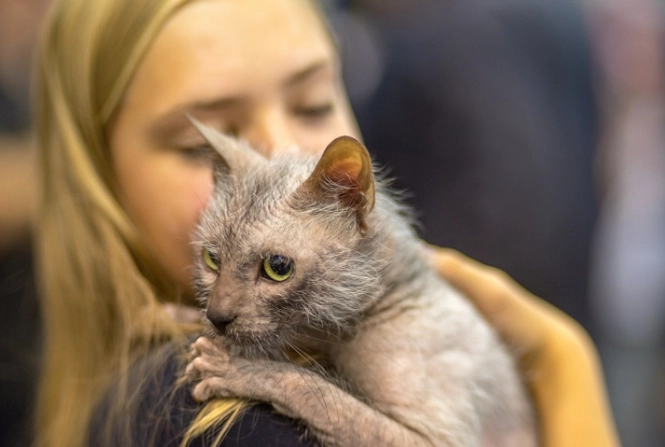
Final Thoughts: The Reality of Life with a Werewolf
The Lykoi, or werewolf cat, is a fascinating testament to nature's variety. They are not for everyone. They demand more engagement than your average cat, their care has specific quirks, and acquiring one ethically requires significant research and patience.
But for the right person, they are an unparalleled companion. The bond is intense, the personality is entertaining, and let's face it—you'll never have a cat that looks like anyone else's. They turn heads and start conversations. Behind the horror-movie exterior is a loving, goofy, and deeply loyal friend.
If you're still intrigued after all this, your next step isn't to search "werewolf cat for sale." It's to start reaching out to the community. Look up breeders through TICA, join Lykoi owner groups on social media (listen to the real-life experiences, good and bad), and if you're lucky enough, try to meet one in person at a major cat show. See that intense, golden stare for yourself. You'll know pretty quickly if a little piece of mythical wilderness belongs in your home.
Comment