Let's cut to the chase. You're probably here because you saw a picture of this stunning, almost alien-looking snake with keeled scales that look like spines, and a question popped into your head: what happens if a spiny bush viper bites you? It's a good question, and honestly, one that doesn't get a straightforward answer in most articles. They either get overly technical or sensationalized. I want to walk you through this step-by-step, mixing the hard facts with a realistic perspective on the risks, which are often misunderstood.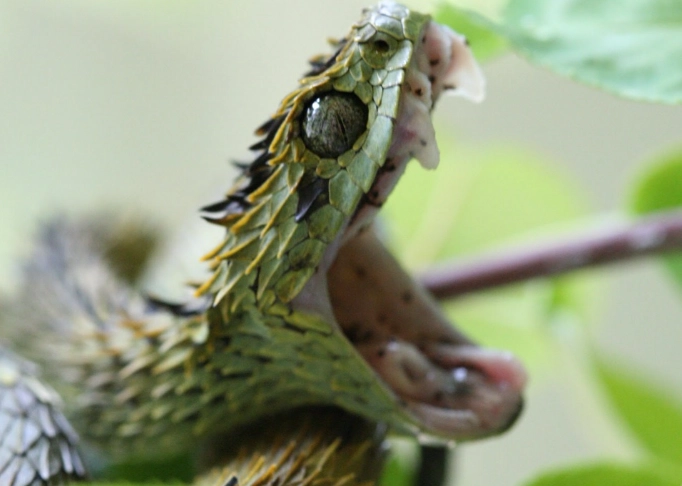
First, a bit of context. The spiny bush viper (Atheris hispida) is native to Central Africa. It's arboreal, meaning it lives in trees and bushes, often in rainforests. Its most striking feature is those pronounced, keeled scales that give it a bristly, dragon-like appearance. It's a viper, which means it's venomous. But here's the first reality check: the chance of the average person ever encountering one, let alone being bitten, is incredibly slim unless you're a herpetologist, a field researcher in its habitat, or an exotic pet keeper (which comes with its own set of issues).
Quick Reality Check: Bites from this specific snake are extremely rare outside of its native range and specific professional contexts. Most of the fear is fueled by its dramatic appearance rather than common incidence. However, understanding the potential consequences is crucial for those who might be at risk.
I remember talking to a reptile keeper who worked with a variety of species. He said the spiny bush viper was always handled with extreme caution, not just because of the venom, but because its small size and cryptic coloration made it easy to misjudge. That's a human error factor we often forget. So, what happens if a spiny bush viper bites you? It's not a single event; it's a cascade of biological reactions, medical responses, and recovery phases.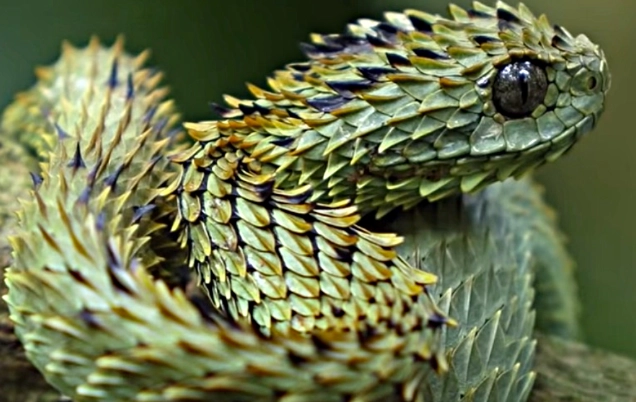
The Venom and Its Direct Effects: A Closer Look at the "What"
Spiny bush viper venom is a hemotoxic and cytotoxic cocktail. In simpler terms, it's designed to start breaking down tissues and disrupting blood functions to subdue prey. It's not the most potent venom in the snake world, but "not the most potent" is cold comfort when it's entering your bloodstream.
The immediate sensation is often described as a sharp, burning pain at the bite site. This isn't a mild pinprick. We're talking significant pain that comes on fast. Within minutes, you'll likely see local effects kicking in.
Local Symptoms: The Body's Ground Zero
This is where the action is most visible. The bite itself might show one or two puncture marks.
- Severe, Rapid Swelling: The area around the bite will swell, and it can spread quite quickly up the limb. This isn't just a little puffiness; it can be dramatic and tense.
- Intense Pain and Tenderness: The pain persists and is often accompanied by extreme tenderness to the touch.
- Bruising and Discoloration: As the venom affects blood vessels, bruising (ecchymosis) and reddish or purplish discoloration appear around the bite.
- Blisters and Tissue Damage: Blisters (hemorrhagic blebs) may form. In more severe cases, the cytotoxic effects can lead to local tissue necrosis – the death of cells around the bite area. This is a major concern and a potential long-term issue.
Honestly, the local tissue damage is one of the most problematic aspects. Even with good treatment, it can leave lasting marks.
Systemic Symptoms: When the Whole Body Reacts
If a significant amount of venom is injected (a "dry bite" with no venom is possible but can't be assumed), the problems can go systemic. This is when the situation becomes a genuine medical emergency. The body-wide effects can include:
| Symptom Category | Specific Effects | Why It Happens |
|---|---|---|
| Hemotoxic Effects | Abnormal bleeding, bleeding gums, blood in urine or stool, easy bruising far from the bite site. | Venom disrupts clotting factors and damages blood vessel walls. |
| Cardiovascular Effects | Low blood pressure (hypotension), rapid heart rate (tachycardia), dizziness, fainting. | Fluid shifting into swollen tissues and venom effects on blood vessels drop blood pressure. |
| General Systemic Effects | Nausea, vomiting, headache, sweating, fever, a general feeling of severe illness (malaise). | The body's inflammatory and stress response to the venom. |
It's crucial to understand that the progression and severity of these symptoms are not guaranteed or uniform. They depend on the "envenomation syndrome" – a fancy term for the specific mix of effects from that particular bite. Factors like the snake's size, age, recent feeding history, and the location and depth of the bite all play a role. This variability is why medical professionals never take a "wait and see" approach.
So, to directly answer "what happens if a spiny bush viper bites you?" – it initiates a complex and potentially dangerous medical event starting with intense local damage and potentially escalating to systemic illness.
The Critical First Hour: What You Should (and Absolutely Should NOT) Do
This section might be the most important one here. Panic is the worst enemy. I've seen so much dangerous advice floating around the internet, and it needs to be corrected.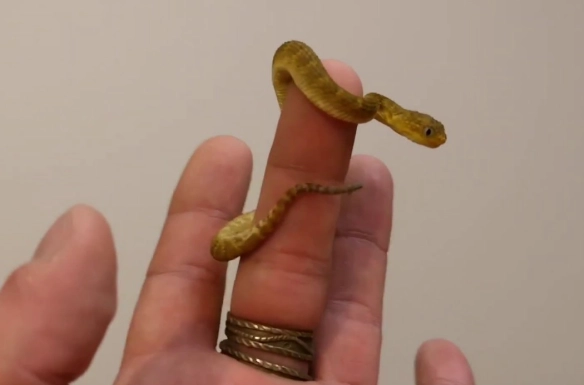
FIRST AID DOs AND DON'Ts
DO:
- Get the victim and yourself away from the snake immediately. Prevent further bites. If possible, take a safe photo of the snake from a distance for identification, but do not attempt to capture or kill it.
- Call for emergency medical help immediately. This is the single most important step. Time is tissue, and time is blood function.
- Keep the victim calm and still. Have them lie down if possible. Movement increases circulation, spreading venom faster.
- Remove tight clothing or jewelry from the affected limb before swelling sets in.
- Position the bite area, if on a limb, at or slightly below heart level. This can help slow venom spread while managing swelling.
- Mark the edge of the swelling with a pen and note the time, so medical staff can track its progression.
DO NOT:
- Do NOT cut the wound. This is an old, dangerous movie trope that causes more damage and infection.
- Do NOT attempt to suck out the venom with your mouth or a suction device. It's ineffective and introduces bacteria.
- Do NOT apply a tourniquet. Cutting off all blood flow can lead to limb loss when combined with cytotoxic venom.
- Do NOT apply ice or immerse the wound in water. It doesn't neutralize the venom and can worsen local tissue damage.
- Do NOT give the victim alcohol, caffeine, or pain medication unless directed by a medical professional. These can interfere with treatment.
- Do NOT try to catch or kill the snake. This risks a second bite. Identification from a photo or description is sufficient.
The goal of first aid is not to treat the envenomation—that requires a hospital—but to safely get the victim to professionals who can. The World Health Organization (WHO) Snakebite Envenoming page provides clear, evidence-based guidelines that align with this approach. Their strategy emphasizes rapid transport and supportive care.
At the Hospital: What Treatment Actually Looks Like
Okay, the victim has reached the hospital. Now what? This isn't a one-shot cure. Treatment is supportive and specific, aimed at managing the symptoms and neutralizing the venom.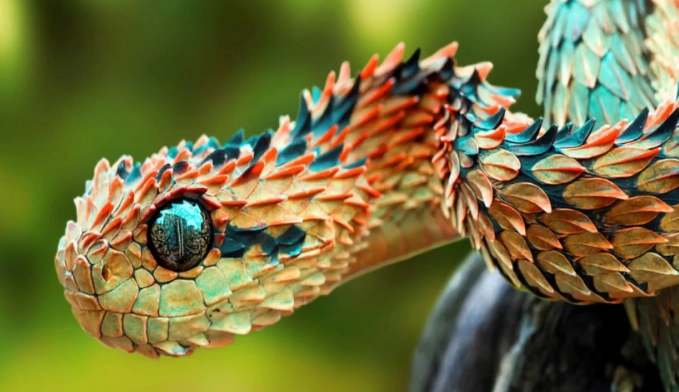
1. Assessment and Monitoring: The medical team will stabilize the patient, check vital signs (blood pressure, heart rate, oxygen levels), and run blood tests to check clotting factors, platelet count, and kidney function. They'll closely monitor the swelling's progression.
2. Antivenom (Antivenin): This is the specific antidote. However, it's not always simple. A specific monovalent antivenom for Atheris hispida is not widely produced or available. Treatment often relies on a polyvalent antivenom designed for African vipers (like SAIMR Polyvalent or similar), which may have cross-reactivity. The decision to administer it depends on the severity of symptoms. It carries a risk of allergic reaction (serum sickness), so it's given carefully, often in a critical care setting. This scarcity is a key point—it's not like having a vial on every shelf.
3. Supportive Care: This is the bulk of the treatment:
- Pain Management: Strong analgesics are needed for the severe pain.
- Fluid Resuscitation: IV fluids to combat low blood pressure and support kidney function.
- Wound Care: The bite site needs professional cleaning and monitoring. For necrotic tissue, surgical debridement (removal of dead tissue) might be necessary later to prevent infection and promote healing. This can be a long process.
- Managing Bleeding: If clotting is severely impaired, transfusions of fresh frozen plasma or platelets might be required.
- Tetanus Prophylaxis: A tetanus shot is standard, as snake mouths are not sterile.
Recovery isn't swift. Hospitalization can last days to weeks, depending on the severity. The local tissue damage can take a long time to heal and may result in scarring or, in severe cases, loss of function in the affected limb if muscles or nerves are damaged.
Long-Term Outcomes and The Stuff Nobody Talks About
Most articles stop at "get to the hospital and you'll be fine." That's misleading. The long-term effects can be significant, both physically and psychologically.
Physical Sequelae: The area around the bite may have permanent scarring, discoloration, or stiffness. If necrosis was significant, there might be chronic pain or reduced range of motion. In rare, worst-case scenarios of severe compartment syndrome or infection, amputation is a possibility, though extremely rare with proper care.
Psychological Impact: This is huge and often overlooked. Surviving a venomous snakebite can be a traumatic event. Some people develop a specific phobia of snakes (ophidiophobia), anxiety, or even symptoms of post-traumatic stress disorder (PTSD). The memory of the pain and the fear can linger. It's a valid part of the recovery process that deserves attention.
Common Questions About Spiny Bush Viper Bites
How deadly is a spiny bush viper bite?
Fatalities are very rare, especially with prompt modern medical treatment. The primary risks are from severe systemic bleeding, profound hypotension (shock), or complications from tissue necrosis and infection. However, "very rare" does not mean "impossible." It should always be treated as a life-threatening emergency. Their conservation status on the IUCN Red List is Least Concern, but data on human bite mortality specifically is sparse.
How long does it take for symptoms to appear?
Local symptoms like pain and swelling begin within minutes. Systemic symptoms may develop within 30 minutes to a few hours. However, it's crucial not to wait for symptoms to appear before seeking help. If you know you've been bitten by a venomous snake, go to the hospital immediately.
Can you keep a spiny bush viper as a pet?
Technically, yes, in some places with special permits. But I strongly advise against it for anyone but the most experienced, prepared, and licensed herpetoculturists. They are not display animals; they are potentially dangerous wildlife. The husbandry is specific (high humidity, arboreal setup), and the risk is constant. The question "what happens if a spiny bush viper bites you?" becomes a very real occupational hazard for a keeper. Responsible keepers have protocols, antivenom access plans (which is very difficult), and work in pairs. For the casual enthusiast, it's a terrible idea.
What's the difference between a bite from this and a more common viper, like a rattlesnake?
While both are vipers and have hemotoxic/cytotoxic elements, the spiny bush viper's venom tends to cause more pronounced local tissue effects (swelling, necrosis) relative to its size. Larger rattlesnakes can deliver more venom volume, causing more dramatic systemic issues. The core principles of first aid (keep calm, immobilize, transport) are the same. The CDC's guidelines on venomous snakes provide a good general framework that applies broadly.
How can I avoid being bitten in the first place?
If you're in its habitat (Central African rainforests):
- Wear sturdy, closed-toe boots and long, thick pants when hiking.
- Watch where you place your hands and feet. Don't reach blindly into bushes or hollows.
- Use a walking stick to probe ahead of you.
- Be extra vigilant at night when they are more active.
- If you see one, admire it from a safe distance and back away slowly. Do not attempt to interact with it.
The Bottom Line: Respect, Not Fear
So, what happens if a spiny bush viper bites you? It's a serious medical event with a clear sequence: immediate pain and local tissue damage, potential systemic illness, a demanding hospital treatment phase, and a potentially lengthy recovery with possible long-term effects.
The key takeaways are about preparedness and perspective. The risk to most people is negligible. For those in relevant fields or habitats, knowledge is your best defense: know the first aid, respect the animal's space, and have an emergency plan. This snake isn't a monster; it's a fascinating part of its ecosystem that happens to be armed with a potent defense mechanism.
Focusing solely on the bite sensationalizes the animal. A better question might be: how can we appreciate such unique wildlife while understanding and mitigating the very real risks they pose? That balance—between awe and caution—is the healthiest approach. If you remember anything, remember this: stay calm, call for help, keep the limb still, and get to a hospital. Let the professionals handle the rest.
Comment