What You'll Find Here
- Meet the Spider with a Permanent Grin
- The Million-Dollar Question: What's the Population Number?
- Why Are They Disappearing? The Big Three Threats
- Where Are They Still Holding On? A Rough Island-by-Island Breakdown
- What's Being Done to Save Them? (And Can It Work?)
- Your Burning Questions, Answered
- The Bottom Line on How Many Happy Face Spiders Are Left
You've probably seen the picture. A tiny, almost cartoonish yellow spider, its bulbous rear end decorated with a pattern that looks uncannily like a grinning, joyful face. It's the happy face spider, one of nature's most charming and bizarre little creations. And if you're here, you're asking the same question a lot of people are: just how many happy face spiders are left in the world? Is that smile fading away for good?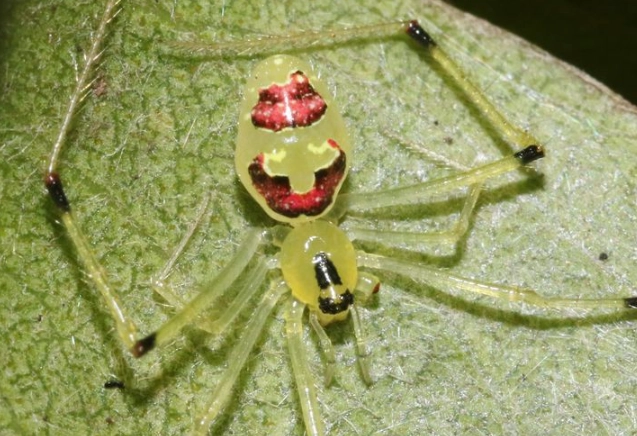
Let's cut to the chase. The straight, no-nonsense answer is: we don't have a precise, global headcount. You won't find a live counter ticking away on some conservation website. Anyone who gives you a single, definitive number is oversimplifying a very complex ecological story. What we do have are estimates, ranges, and a clear understanding that their numbers are critically low and their future is hanging by a thread. A very silky, spider-spun thread, to be exact.
I remember first reading about them years ago in a nature magazine and being utterly captivated. It felt like finding a secret. Later, on a trip to Hawaii, I spent a futile afternoon gently turning over leaves in a damp forest on O'ahu, hoping for a glimpse. I didn't see a single one. That experience, more than any statistic, drove home just how rare they are. So, let's unpack everything we know about the population of this incredible spider, why counting them is so hard, and what the real threats are.
Meet the Spider with a Permanent Grin
Before we can talk about how many are left, we need to know what we're counting. The happy face spider (Theridion grallator) isn't just one spider with one look. That's a common misconception. It's a small spider, with females reaching about 5mm in body length (males are smaller). They're native to the Hawaiian Islands, and nowhere else on Earth. Their claim to fame is the incredible array of color patterns on their abdomen.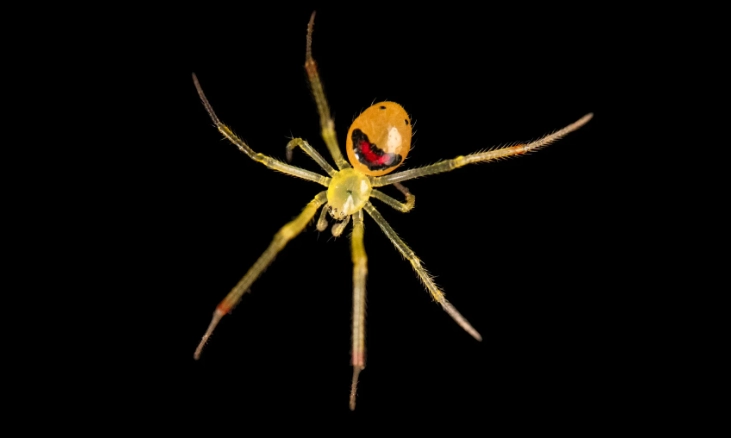
Yes, some have the classic red or black "happy face"—complete with eyes and a wide smile. But others have patterns that look like scowling faces, screaming ghosts, or just abstract blotches of red, yellow, black, and white. The variation is mind-boggling. Scientists believe these patterns might be a form of camouflage against birds, blending in with dappled light and plant debris, or perhaps even a warning about toxicity (though they are not medically significant to humans).
They're not web-builders in the classic orb-weaver sense. They construct small, tangled, sheet-like webs on the underside of leaves in the islands' remaining moist tropical forests. They're shy, nocturnal, and incredibly specialized to their habitat. This specialization is a big part of the problem when we ask "how many happy face spiders are left in the world?". They can't just pick up and move.
The Million-Dollar Question: What's the Population Number?
This is where things get fuzzy, and honestly, a bit frustrating if you're looking for a neat answer. The International Union for Conservation of Nature (IUCN) Red List, the global authority on species conservation status, lists the happy face spider as "Vulnerable." That's a serious category, meaning it faces a high risk of extinction in the wild in the medium-term future.
But they don't give a population figure. Why? Because conducting a comprehensive census of a tiny, cryptic, nocturnal spider across multiple remote Hawaiian islands is a monumental, nearly impossible task. Researchers use methods like timed visual searches in specific plots of forest. They extrapolate from there. The numbers are always estimates.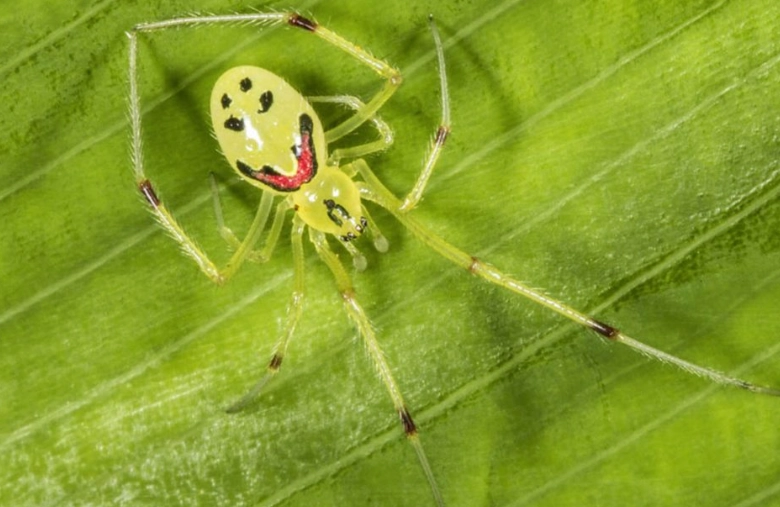
Based on research papers and conservation assessments, the total global population of mature happy face spiders is likely in the low tens of thousands, possibly even fewer. Some island-specific populations might number only in the hundreds or low thousands. When you think about it, that's terrifyingly few for an entire global species. To put it bluntly, they are incredibly rare. The question "how many happy face spiders are left in the world" is answered not with a number, but with a sobering reality: not enough.
Why Are They Disappearing? The Big Three Threats
You can't talk about Hawaiian wildlife without talking about loss. The happy face spider is caught in a perfect storm of threats that have hammered the islands' unique ecosystems.
Habitat Loss and Fragmentation
This is the heavyweight champion of threats. Hawaii has lost a staggering amount of its native forest to agriculture (like pineapple and sugar cane), urban development, and tourism infrastructure. The happy face spider depends on specific native plants in moist, high-elevation forests. When those forests are cleared, the spiders have nowhere to go. The remaining forests are often fragmented—little islands of green in a sea of development. This isolates spider populations, making them more vulnerable and preventing genetic exchange.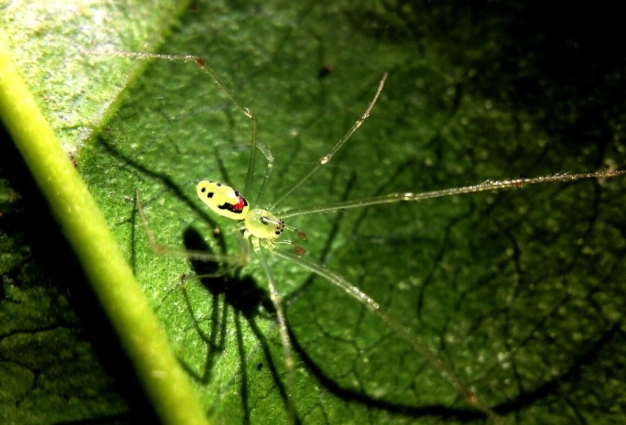
Invasive Species
Hawaii is the invasive species capital of the world. This is a huge, often underappreciated problem for a small spider.
- Invasive Plants: Plants like strawberry guava and albizia outcompete native understory plants, changing the structure of the forest. The spider's preferred leaves for web-building might disappear.
- Invasive Animals: This is the big one. Rats, mice, and—most devastatingly—invasive ants like the long-legged ant (Anoplolepis gracilipes) are brutal. These ants are voracious predators that swarm and kill everything in their path, including spiders and the insects the spiders eat. They're like an occupying army in the forest.
I've read research notes from biologists who describe walking into an invaded forest and hearing a eerie silence, followed by the sight of ant superhighways on every tree. It's a silent apocalypse for creatures like the happy face spider.
Climate Change
The creeping threat. Changes in rainfall patterns, increased frequency of droughts, and rising temperatures can shrink the cool, moist mountain habitats these spiders need. As the climate zone they're adapted to shifts uphill, eventually they run out of mountain. It's a slow squeeze.
Where Are They Still Holding On? A Rough Island-by-Island Breakdown
Their range isn't uniform. They are found on several of the main Hawaiian Islands, but their status varies drastically from place to place. This table sums up the messy, real-world situation. Remember, these are estimated statuses based on available science.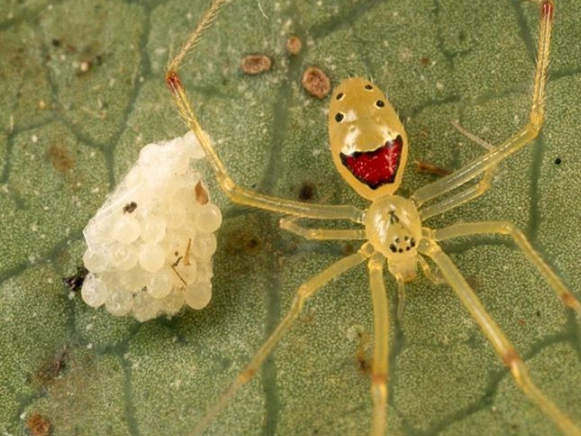
| Island | Known Strongholds | Population Trend & Major Threats | Conservation Outlook |
|---|---|---|---|
| Maui | The slopes of Haleakalā, especially in East Maui watershed areas. | Considered one of the stronger populations, but severely threatened by invasive ants spreading into high-elevation forests. Fragmentation is a concern. | Guarded. Active ant control programs are critical. Habitat protection is ongoing but under constant pressure. |
| O'ahu | Ko'olau and Wai'anae mountain ranges in remnant wet forests. | Populations are small, isolated, and highly fragmented due to extensive development. Very vulnerable to local extinction. | Precarious. Each forest patch is a lifeboat. Connecting habitats is a major challenge. |
| Hawai'i (The Big Island) | Windward slopes, particularly in areas like Hakalau Forest National Wildlife Refuge. | Some relatively stable populations exist in protected, managed areas. Invasive species pressure is still high. | Moderate-Hope. Large protected areas with active management offer the best chance for long-term survival here. |
| Moloka'i & Lana'i | Very limited, remnant habitats. | Populations are likely extremely small and poorly studied. Highly at risk from any new disturbance. | Critical. These islands highlight how tenuous a hold the species has across its range. |
Looking at this, you start to get a feel for the scale. We're not talking about a species spread evenly across a continent. We're talking about tiny pockets of survivors on islands within an island chain. When you frame the question "how many happy face spiders are left in the world" in this context, the urgency becomes palpable.
What's Being Done to Save Them? (And Can It Work?)
It's not all doom and gloom. There are dedicated people fighting for these spiders. The strategies are multifaceted, difficult, and expensive.
- Habitat Protection and Restoration: Organizations like the Hawai'i Department of Land and Natural Resources (DLNR) and non-profits like the Nature Conservancy of Hawaii work to fence out feral pigs, remove invasive plants, and replant native vegetation. This is foundational work.
- Invasive Ant Eradication and Control: This is frontline warfare. Using targeted baits and creating ant-free refuges is crucial. Projects in places like the Hakalau Forest National Wildlife Refuge show it can work, but it requires constant vigilance and funding.
- Research and Monitoring: Scientists continue to study their ecology, genetics, and population dynamics. This research is vital to inform management decisions. How can you protect something if you don't know exactly what it needs?
- Captive Breeding? This is a tricky one. They are difficult to breed in captivity due to their specific needs and small size. Most efforts focus on protecting them in the wild, which is always the preferred goal. Captive breeding is often seen as a last-ditch "ark" strategy.
The hard truth is, the work is often underfunded and racing against time. Every storm that brings down trees, every new invasive species introduction, makes the job harder. But seeing a healthy native forest, knowing it's still functioning with all its weird and wonderful parts—like a smiling spider—is what keeps these efforts going.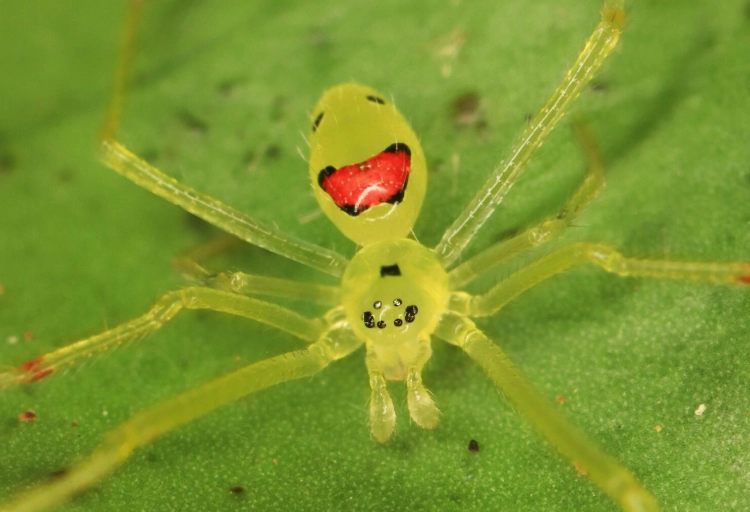
Your Burning Questions, Answered
- Support: Donate to or volunteer with organizations doing on-the-ground conservation in Hawaii, like the Hawai'i Conservation Alliance.
- Educate: Share accurate information. Bust the myth that they are dangerous. Talk about the threat of invasive species.
- Be a Responsible Tourist: If you visit Hawaii, follow biosecurity rules. Clean your hiking shoes, don't transport plants or soil between islands, and support eco-tourism operators who respect the environment.
- Think Globally: Support climate action. The threats facing Hawaii's forests are exacerbated by a changing climate.
The Bottom Line on How Many Happy Face Spiders Are Left
So, let's wrap this up. How many happy face spiders are left in the world? We don't have a neat number. The honest answer is: far fewer than there should be, and the number is declining. The latest population estimates suggest a fragile existence in the low tens of thousands at best, scattered in vulnerable pockets across a few islands.
The real question we should be asking isn't just "how many," but "what now?" Their survival hinges on our continued and intensified efforts to protect and restore the last remnants of Hawaii's native forests and wage war against invasive species. It's a daily battle.
That smiling face isn't just a quirk of nature. It's a symbol of the incredible, isolated evolution of the Hawaiian Islands. It's a reminder of what we've already lost and what we stand to lose forever if we look away. The work to ensure future generations can ask "how many happy face spiders are left" and get an answer like "thriving populations" is hard, unglamorous, and essential. The fate of that little yellow smile is, in many ways, up to us.
I hope this deep dive gave you the answers you were looking for, and maybe a few you weren't expecting. It's a more complicated story than a simple headcount, but that's what makes it real.


Comments
Leave a Comment