So you're curious about the Basset Hound Shepherd mix. Let's be real, you probably saw a picture online. Maybe it was a dog with the soulful, droopy eyes of a Basset Hound perched on the long, sturdy body of a German Shepherd, and it stopped you in your tracks. I get it. It's a combination that makes you tilt your head and wonder, "What on earth is that dog's personality like?"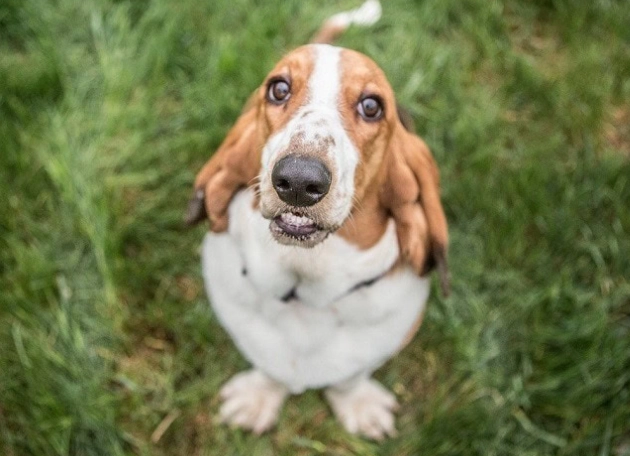
That's exactly why I'm writing this. There's a ton of fluffy, generic stuff out there about "designer dogs." This isn't that. We're going to dig deep into what it's actually like to live with a Basset Hound German Shepherd mix. The good, the bad, the messy, and the incredibly rewarding. This mix, sometimes casually called a Basset Shepherd, isn't for everyone. But for the right person or family, it could be the most uniquely wonderful dog you'll ever meet.
What Does a Basset Hound German Shepherd Mix Look Like?
Imagine trying to blend a sports car with a vintage station wagon. The result is... interesting. You're combining two very distinct body types. The German Shepherd is athletic, angular, and upright. The Basset Hound is long, low to the ground, and built for endurance, not speed.
Their appearance is a fascinating grab-bag of traits.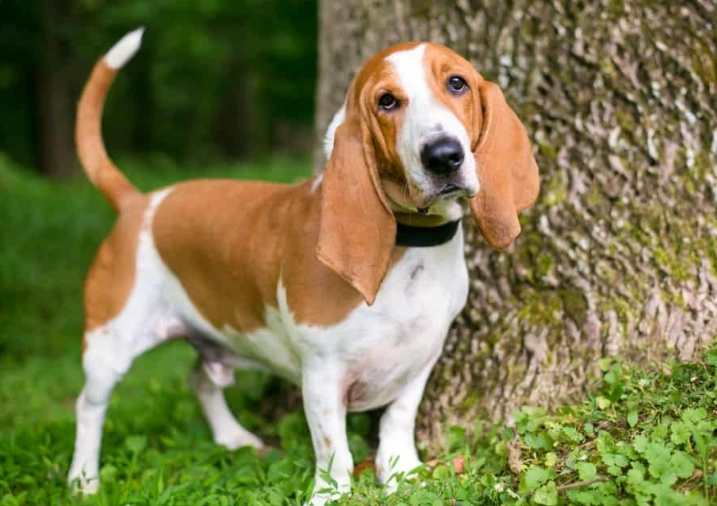
The "Built" Question: Long and Low vs. Stocky and Taller
Most inherit the Basset's signature long body and short legs. You're looking at a dog that's significantly longer than it is tall. But don't picture a pure Basset. The legs are often a bit longer and sturdier, thanks to the Shepherd genes. The chest is usually deep and broad. The head can be a real mix—sometimes the Shepherd's pointed muzzle and erect ears try to manifest on the Basset's broader skull, leading to ears that might be floppy, semi-pricked, or one of each (which is adorable). The tail is often long and carried with a Shepherd-like curve, not the upright flag of a purebred Shepherd.
Coat and Colors: A Practical Palette
The coat is usually a double coat, taking after the Shepherd. This means a denser, weather-resistant undercoat and a medium-length outer coat. It will shed. Oh, it will shed. Be prepared for tumbleweeds of fur, especially during seasonal changes. Colors lean towards the classic Shepherd patterns—black and tan, sable, or bi-color—often blended with the classic Basset Hound tri-color (black, white, and tan/brown). You might also see red or lemon markings.
They have a certain dignified, almost solemn look to them, but it's constantly betrayed by that gentle, pleading Basset Hound expression.
The Heart of the Matter: Personality and Temperament
This is where things get juicy. The personality of a Basset Hound Shepherd cross is a legendary tug-of-war between two strong-willed breeds. It's not a simple blend; it's a daily negotiation between two different doggy philosophies.
Let's break down this complex personality with a quick overview of the main traits you're signing up for.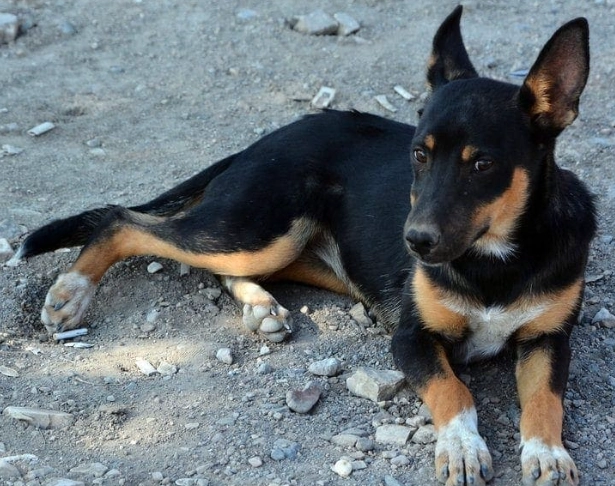
| Trait | Influence | What It Means For You |
|---|---|---|
| Intelligence | Very High (Shepherd) + Clever (Basset) | Learns commands quickly but also learns how to get around rules. Can be stubborn. |
| Energy Level | High (Shepherd) + Moderate/Low (Basset) | Needs daily mental & physical exercise, but not marathon runs. Prone to obesity if inactive. |
| Independence | Moderate (Shepherd) + Very High (Basset) | Can be aloof, may ignore commands if distracted (especially by a smell). Not a velcro dog. |
| Loyalty & Protectiveness | Very High (Shepherd) + Friendly (Basset) | Often loyal to family, can be wary of strangers. May bark to alert. True guard dog potential is variable. |
| Stubbornness | Low/Medium (Shepherd) + Extremely High (Basset) | This is the big one. The legendary Basset Hound stubbornness often shines through, making training a test of patience. |
The Nose Knows All: The Scent Hound Legacy
Never, ever underestimate the power of the nose on a Basset Hound Shepherd mix. Basset Hounds have some of the best noses in the canine world, second only to the Bloodhound. When that scenting instinct kicks in, your dog's brain effectively disconnects from its ears. That "come" command you've practiced for months? Gone. Forgotten. All that exists is the trail.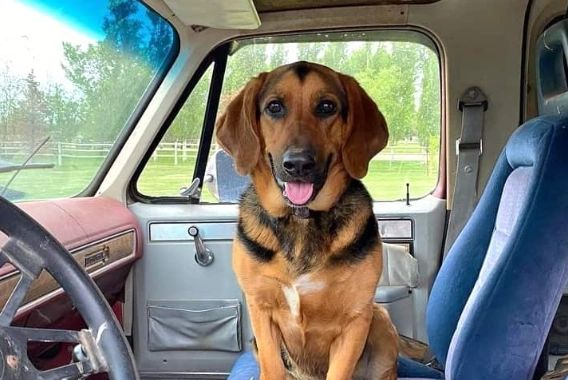
This means secure fencing is non-negotiable. A standard 4-foot fence won't cut it if they catch an interesting smell on the other side. They might not jump it, but they are surprisingly clever and persistent diggers. A six-foot solid fence or a very well-maintained and buried wire fence is a must. Off-leash time should be reserved for completely secure, fenced areas only. Trust me on this. I've heard one too many stories of a Basset mix following a rabbit trail for miles.
Family Life: Are They Good With Kids and Other Pets?
Generally, yes. Their typical temperament is loyal and gentle with their own family members, including children. The Shepherd side often brings a protective instinct, while the Basset side is typically easygoing. However, their size (they can be quite strong) and their possible aloofness or stubbornness mean interactions with young kids should always be supervised. Teach kids not to pull on their long ears or back.
With other pets, early socialization is key. They can do well with other dogs, especially if raised together. That strong prey drive from both parent breeds, however, means small animals like cats, rabbits, or pet rodents might be seen as... well, prey. A slow, managed introduction is crucial, and even then, you can never fully trust the instinct to chase something small and furry that runs.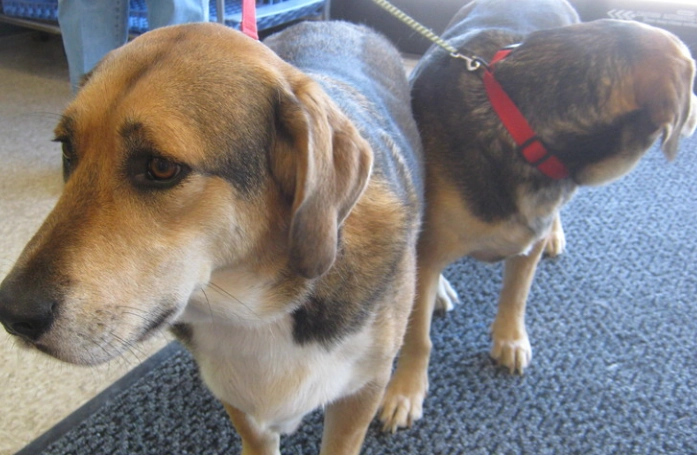
Health and Lifespan: What You Need to Watch For
Mixed breeds often benefit from what's called "hybrid vigor," meaning they can be healthier than their purebred parents by dodging some breed-specific issues. But they can also inherit problems from either side. A Basset Hound German Shepherd mix is prone to a specific set of concerns you must be proactive about.
Their average lifespan is around 10-13 years, which is fairly standard for a dog of their size.
- Orthopedic Issues (The Big One): This is the major concern. You're mixing a breed prone to hip and elbow dysplasia (German Shepherd) with a breed built with a unique, stress-prone skeletal structure (Basset Hound). Back problems, like intervertebral disc disease (IVDD), are a serious risk due to that long spine. Keeping them at a healthy weight is not just about looks; it's critical for preventing unbearable pain and costly surgery. Ask your breeder about OFA (Orthopedic Foundation for Animals) health screenings for the parents. Reputable breeders do these tests. If they don't have the paperwork, walk away. The OFA website is a great resource to understand these health certifications.
- Bloat (Gastric Dilatation-Volvulus): Deep-chested dogs are at higher risk. This is a life-threatening emergency where the stomach twists. Feed smaller, more frequent meals, avoid vigorous exercise right after eating, and know the symptoms.
- Ear Infections: Those lovely floppy ears trap moisture and dirt. Weekly ear checks and cleaning with a vet-approved solution are a must.
- Eye Conditions: They can be prone to issues like glaucoma or cherry eye. Regular vet check-ups should include eye exams.
Pet insurance? For a Basset Hound Shepherd mix, I'd seriously consider it. The potential for orthopedic surgery alone makes it a wise financial consideration.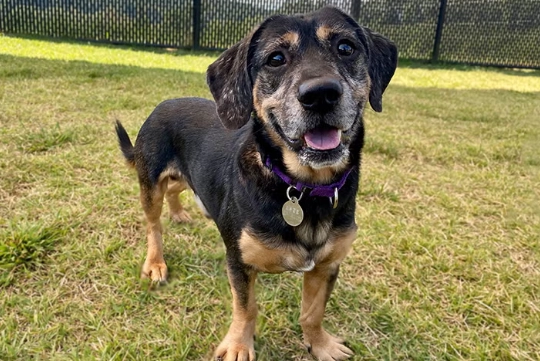
Training Your Basset Shepherd: Patience is Not a Virtue, It's a Requirement
Let's not sugarcoat this: training can be frustrating. You have a dog smart enough to understand you perfectly (Shepherd brain) but with a deep-seated independent streak that questions why it should bother (Basset Hound soul).
Positive reinforcement is the only way that works consistently. Harsh corrections will make this dog shut down or become resentful. You need to be more interesting and rewarding than whatever smell is in the grass.
- Start Early: Begin socialization and basic obedience the day you bring your puppy home. Expose them to different people, surfaces, sounds, and other vaccinated dogs in a positive way.
- Make it a Game: Use high-value treats (think small pieces of chicken or cheese, not just kibble). Keep sessions short, fun, and end on a positive note.
- Master "Leave It" and a Rock-Solid Recall: Given their scent drive, these are life-saving commands. Practice recall in low-distraction environments first and make coming to you the best thing ever.
- Channel Their Brain: These dogs need mental exercise. Food puzzle toys, snuffle mats, and nose work games (hiding treats for them to find) are perfect. It tires them out in a way a walk sometimes can't. The American Kennel Club has great ideas for canine mental stimulation.
Housebreaking can sometimes take longer with hound mixes. Be patient, be consistent, and never punish accidents.
Daily Life and Care Requirements
So, what's a typical day with a Basset Hound Shepherd cross really like?
Exercise: Not a Jock, Not a Couch Potato
They need a good 45-60 minutes of activity daily. This isn't about running miles. It's about a couple of decent walks combined with playtime and mental games. A good sniffari (a walk where they lead and sniff to their heart's content) is often more tiring than a brisk power walk. They enjoy fetch, but don't overdo high-impact jumping due to their joint risks.
Grooming: It's a Commitment
That double coat means business. Brush them at least 2-3 times a week with an undercoat rake and a slicker brush to prevent mats and manage shedding. During blow-out seasons (spring and fall), daily brushing might be necessary. Baths every 6-8 weeks or when they get into something stinky. Don't forget those nails (trim every 3-4 weeks) and those teeth (aim for daily brushing).
Diet: Fuel for a Unique Body
Feed a high-quality, large-breed dog food formulated for joint health. The amount depends entirely on their individual metabolism, activity level, and which body type they lean towards. A more Shepherd-like mix will need more calories than a more Basset-like one. Your vet is your best guide here. Use a measured cup, not the "scoop and guess" method. Obesity is a fast track to all the joint problems we want to avoid.
Is a Basset Hound Shepherd Mix the Right Dog For You?
Let's be brutally honest. This mix is NOT for:
- First-time dog owners who want an easy, biddable pet.
- People who desire a perfectly obedient off-leash hiking companion.
- Anyone unwilling to deal with significant shedding and drool (oh yes, the Basset Hound drool is often present).
- Those with a perfectly manicured yard (digging, remember?).
- Someone looking for a high-energy agility star.
A Basset Hound German Shepherd mix COULD be a fantastic fit if:
- You have experience with stubborn or independent dog breeds.
- You value a loyal, somewhat quirky companion over perfect obedience.
- You're home enough to provide companionship and aren't looking for a kennel dog.
- You have a secure yard and are committed to leash walks.
- You find their unique, almost comical appearance and complex personality endearing.
- You're ready for a 10+ year commitment to a dog with potential health needs.
Finding a Basset Hound Shepherd Mix Puppy or Rescue
Please, do your homework. Because this is an uncommon and appealing mix, irresponsible breeders and puppy mills will produce them without a care for health or temperament.
If looking for a breeder: They should be testing the parent dogs for hip/elbow dysplasia (OFA), eye conditions, and possibly thrombopathia. They should welcome you to meet the mother dog. They should ask you as many questions as you ask them. They should have a contract that includes a health guarantee and mandates you return the dog to them if you can't keep it. The puppies should be raised in a home environment, not a barn or shed.
Consider adoption: Check local shelters and especially breed-specific rescues. Basset Hound rescues and German Shepherd rescues sometimes get mixes like this. You might find an amazing adult dog whose personality is already known, skipping the puppy guesswork. Sites like Petfinder allow you to search for mixes nationwide.
Your Top Questions, Answered
How big do they get? Typically 30-70 pounds. Height is usually 12-18 inches at the shoulder, but length can be over 3 feet from nose to tail. They are dense, solid dogs.
Are they aggressive? Not typically. Their common temperament is more aloof/wary than aggressive. However, poor breeding, lack of socialization, or poor treatment can create fear-based reactivity in any dog. Their bark can be deep and impressive, which is often enough of a deterrent.
Do they drool a lot? Many do, especially after drinking or when anticipating food. Keep a "drool rag" handy by the water bowl.
Can they be left alone? They can, for reasonable periods (4-6 hours), if properly exercised and trained. However, they are social and can develop separation anxiety or become destructive if bored. They're companions, not patio ornaments.
Are they easy to train? I think we've covered this! They are intelligent but stubborn. Easy? No. Rewarding? For the right person, absolutely.
What's the biggest challenge? For most owners, it's a tie between the stubborn independence and the potential for expensive health issues. You need patience for the first and a plan for the second.
Final Thoughts
The Basset Hound Shepherd mix is a dog of contradictions. It's a loyal protector that might ignore you for a squirrel. It's an intelligent problem-solver who problems-solves how to get to the trash can. It's a dignified-looking dog with a silly, stubborn heart.
Bringing one into your life isn't a casual decision. It's a commitment to managing their health, respecting their instincts, and training with a sense of humor and infinite patience. You won't get a sleek, obedient robot of a dog. What you might get is a profoundly funny, deeply attached, and endlessly interesting companion who makes you laugh every single day with their unique take on the world.
Do your research. Meet some if you can. And if you decide to welcome one of these extraordinary dogs home, buckle up. It's going to be a wonderfully bumpy, furry, and unforgettable ride.
Comment