Let's be honest, the first time you heard about a 22 inch rat, you probably had the same reaction I did. No way. That's the size of a small cat. That's a creature from a bad B-movie, not something scurrying around a city alley or, heaven forbid, your basement. But then the photos pop up. The videos. The news headlines. And the question becomes impossible to ignore: where did they find the 22 inch rat, and is any of this even real? I've spent a stupid amount of time down this rabbit hole—or should I say, rat hole. Clicking through sketchy forums, cross-referencing local news reports, and even looking at some genuinely unsettling wildlife studies. What I found is a messy mix of fact, exaggeration, and pure internet myth. Some stories are legit, most are blown out of proportion, and a few are just creative Photoshop jobs that took on a life of their own. The core of the mystery isn't just about a single, monstrous rodent. It's about our fascination (and terror) with urban wildlife, how stories go viral, and what actually constitutes a "giant" in the animal kingdom. We're not just looking for a location on a map; we're trying to understand how the legend grew. So, if you're here because that search bar autofilled "where did they find the 22 inch rat" after you saw a terrifying image, you're in the right place. We're going to sort this out. Most viral stories have a seed of truth. The challenge is finding it under all the layers of sharing, commenting, and dramatic retelling. When we ask "where did they find the 22 inch rat," we're usually referencing a few specific, infamous incidents that got the ball rolling. This is the granddaddy of them all. The image is seared into the internet's brain: a wet, dark-furred rodent of unbelievable size, crouched in a concrete sewer pipe, beady eyes gleaming. The story claims it was a New York City sanitation worker who made the discovery, often after a storm flushed creatures out. Reality Check: While New York's Department of Environmental Protection has confirmed that the city's rats are robust and well-fed (to put it mildly), the specific, widely-circulated photo of the "22 inch sewer rat" is almost certainly a forced-perspective shot or an outright fake. The scale is off. A rat's body simply doesn't support that mass without serious skeletal issues. That said, NYC is a top contender for large rat populations. The city's own health department website is a treasure trove of real, non-hysterical information on rodent control, which tells you something about the scale of the everyday issue. I spoke to a pest control guy who works in Brooklyn (friend of a friend, over a beer). He laughed when I brought up the 22 inch claim. "Seen some big ones," he said. "Biggest I ever measured was maybe 18 inches from nose to tail tip, and that was a monster. But two feet? That's a different animal." His point was about tail length. People see a 10-inch body with a 12-inch tail and their brain registers "22 inch rat," but a lot of that is just stringy tail. It's less impressive, biologically speaking. This is where things get more plausible. When people in the southern US, especially Florida, Louisiana, or Texas, report a giant rodent, they're often not talking about a Rattus norvegicus (the common brown rat). They're talking about nutria or capybaras. Nutria, in particular, are invasive, semi-aquatic rodents that can easily weigh 20 pounds and stretch over two feet long. A confirmed report from a few years back, covered by local Florida news, involved a homeowner finding a large, unusual rodent near a canal. It was identified as a nutria. These animals are legitimately huge compared to city rats. So, if someone in Florida shouts, "Where did they find the 22 inch rat?!" the answer might be "in the canal behind my house, and it's actually a nutria." The University of Florida's IFAS Extension has detailed guides on identifying and managing these animals, which is a far more reliable source than social media panic. I remember camping in Florida as a kid and seeing something huge and rat-like swim across a pond. We were convinced it was a mutant. Years later, I saw a picture of a nutria and had a major "aha" moment. It wasn't a mutant city rat; it was a totally different, naturally large species living in its (adopted) habitat. Context changes everything. Across the pond, British tabloids love a good "super rat" story. These reports often cite rats growing immune to common poisons, leading to larger, healthier populations. The Guardian and BBC have run more measured pieces on this, discussing rodenticide resistance. A pest control study in the UK might report a larger-than-average specimen, and by the time it hits The Sun or Daily Mail, it's a "22 inch rat terrorizing a village." The location here is often suburban or rural England, near farms or waste disposal sites. The science of resistance is real, as noted in studies referenced by the British Pest Control Association, but the leap to cartoonish size is usually media sensationalism. Bigger than normal? Maybe. A new species of mega-rodent? No. This is the crucial bit everyone misses. When a report says "22 inch rat," what is actually being measured? See the trick? Most credible scientific sources, like the National Geographic fact sheet on the Norway rat, list the average total length as 13 to 18 inches. A 22-inch specimen would be a significant outlier, like a 7-foot-tall human. It exists, but it's not the norm you need to worry about under your deck. So, when you're trying to verify a story about where they found the 22 inch rat, the first question should be: "How was it measured?" That single detail unravels 90% of the hype. Let's move from myth to documented cases. If we adjust our search from "22 inches" to "exceptionally large rats," we can actually pin some locations on the map. These are places where unique conditions—ample food, lack of predators, genetic isolation—can lead to populations of bigger-than-average rodents. Key Takeaway: The where is less about a single, shocking address and more about a type of environment. You're more likely to find a notably large rat in a place where food is abundant, consistent, and high-quality, and where predation pressure is low. So, asking "where did they find the 22 inch rat" might lead you to a specific viral photo, but understanding the "where" of large rat populations is more useful for prevention. A: The most famous one, from the sewer? Almost certainly not. It's become the "Bigfoot" of rodent photos—grainy, dramatic, and impossible to definitively verify. Other photos exist, but perspective tricks are incredibly easy to pull off. A rat held closer to the camera looks huge compared to a person in the background. A: That depends on how you define "rat." The largest Rattus species on record are like the Bosavi woolly rat, discovered in a crater in Papua New Guinea, which can be over 32 inches long. But it's a wild species, not a city dweller. For common brown/black rats, verified records from pest control associations and rodent studies typically max out in the 18-20 inch total length range. A verified 22-inch common rat would be a world record contender. A: Good nutrition (from their perspective) leads to healthier, potentially larger rats reaching their genetic potential. But it doesn't create a new species. GMOs are a red herring; the food is just more abundant and calorie-dense. The real issue is volume and accessibility of waste, not genetic modification of the food itself. A: First, don't panic. Try to get a photo with something for scale (a brick, a shoe, not just your screaming face). Note the location and time. Contact a professional pest control service for an inspection. They can identify the species (is it a rat, a muskrat, a juvenile opossum?) and recommend a control plan. And please, secure your trash cans and pet food. You might be the reason it's so well-fed. Forget the mythical 22-inch monster for a second. The real value in asking "where did they find the 22 inch rat" is that it leads you to think about real-world rodent problems. The story is a gateway to practical concerns. If you're worried about rodents around your home, the size of the biggest one is less important than the fact they're there at all. A 10-inch rat can cause just as much damage, spread just as many diseases, and be just as unsettling as a theoretical giant. The viral story, for all its exaggeration, highlights a truth: our urban and suburban environments are incredibly hospitable to rodents. The solution isn't fearing a monster, but practicing good prevention. Actionable Steps, Not Fear: In the end, the quest to find out where they found the 22 inch rat taught me more about media literacy and biology than I expected. It's a perfect modern myth—a blend of a very real animal, our primal fears, and the internet's power to amplify and distort. The next time you see that shocking photo, you'll know what to ask. How was it measured? What species is it really? And what environment allowed it to thrive? That's how you turn a viral scare into useful knowledge. The giant rat might not be lurking in your sewer, but understanding why the story exists helps you keep your home rodent-free, no matter their size.Your Guide to the Giant Rat Mystery

The Ground Zero of the Giant Rat Story: Fact-Checking the Big Claims
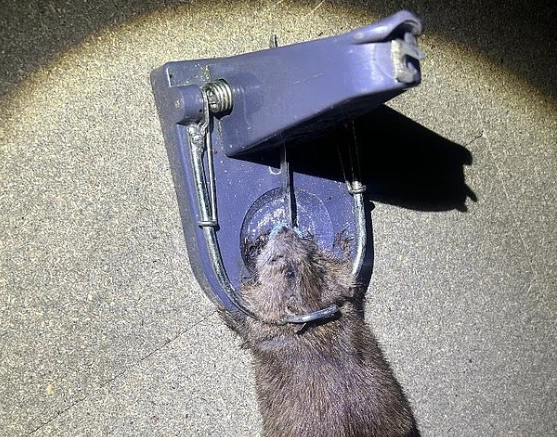
The New York City Sewer Legend
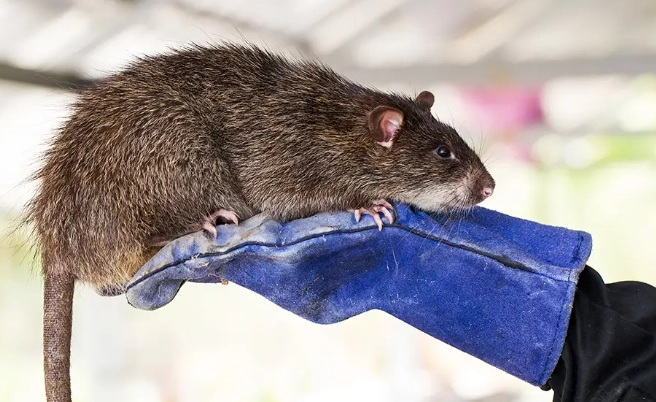
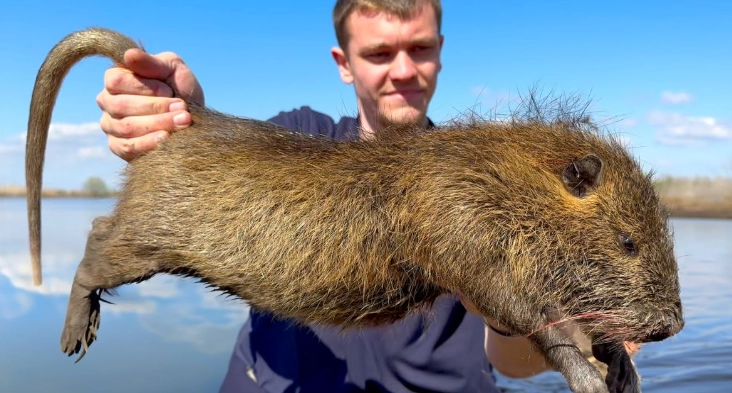
The Florida "Swamp Rat" or Nutria Scenario
The UK "Super Rat" Phenomenon
Breaking Down the "22 Inch" Measurement: Where Does the Number Come From?

Measurement Type
What It Includes
How It Creates Illusion
Realistic Size Range
Total Length (Nose to Tail Tip)
Body + Tail
A 14-inch body with an 8-inch tail sounds less dramatic than "22 inches." The tail is often half the total length.
Up to 18 inches for a very large brown rat. 22 inches is extreme but possible in rare, record-setting cases.
Body Length (Nose to Base of Tail)
Just the main body
This is the "meat" of the animal. A 22-inch body would be a truly monstrous, likely impossible rat.
Typically 8 to 10 inches for large adults.
Visual Estimation
Eyeballing it, often in panic
Fear and surprise add inches. A rat seen fleetingly in a dark garage becomes legendary.
Highly unreliable. Usually an overestimation.
Misidentified Species
Measuring a nutria, muskrat, or small possum
These animals are naturally bigger. Calling it a "rat" makes the size seem shocking.
Nutria: 24+ inches easily. Muskrat: ~20 inches.
So, Where DID They Find Legitimate, Extra-Large Rodents?

Your Questions Answered: The Giant Rat FAQ
Q: Is the 22 inch rat photo real?
Q: What is the world's largest verified rat?
Q: Could a rat get that big from eating garbage or GMOs?
Q: I think I saw a giant rat. What should I do?
Beyond the Hype: Why the Story Matters for Homeowners
Where Did They Find the 22 Inch Rat? The Truth Behind the Giant Rodent Story
Comment