You know, it's a question that pops up all the time in cat circles, online forums, and even at vet offices. What is the rarest breed of cat? People are fascinated by the idea of something exclusive, something almost mythical. It's not just about wanting the most expensive pet (though that's part of it for some); it's a genuine curiosity about the edges of the feline world. What cats are out there that most of us will never see in person? Which ones are teetering on the brink of being forgotten?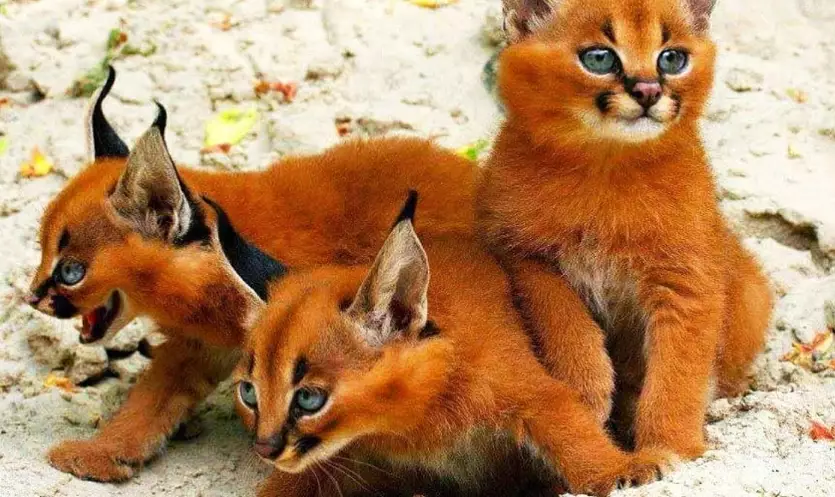
I remember scrolling through cat photos online years ago and stumbling upon a picture of a Sokoke. I had to double-check it was real. It looked like a tiny forest leopard, but the caption said it was a domestic cat breed. That sent me down a rabbit hole, and honestly, the answers about rarity are more complex than you might think.
So, let's dig into it. Defining the "rarest" isn't as simple as picking one name. Rarity can mean different things. Is it the breed with the fewest registered individuals worldwide? The one with the most restricted geographic distribution? The one that's the hardest and most expensive to actually obtain? Or perhaps the one that's genetically the most distinct and endangered? To truly answer "what is the rarest breed of cat," we need to look at all these angles.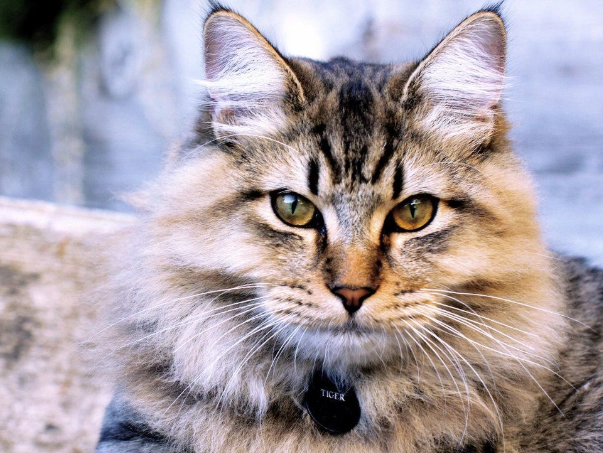
Key Takeaway Right Up Front: There isn't one single "winner." The title of rarest cat breed shifts depending on how you measure it—by global population, by legal availability, or by conservation status. We'll explore the top contenders in each category.
Contenders for the Title: Breeds You've Probably Never Heard Of
If we're talking sheer, global population numbers, a handful of breeds are incredibly scarce. We're talking about breeds where the total worldwide population might be in the low hundreds, or even less. For these cats, every single kitten is precious and carefully planned.
The Sokoke: The Rarest Natural Breed?
Often cited as the rarest domestic cat breed in the world, the Sokoke has a story straight out of an adventure novel. It's not a breed created in a lab or by meticulous cross-breeding. It's a natural breed that was discovered in the Arabuko-Sokoke Forest preserve in Kenya. That's right, discovered, not developed.
Their numbers in the wild are critically low, and the domestic population outside of Kenya is minuscule. The breed was almost lost entirely. Dedicated breeders in Denmark and the US took on the monumental task of preserving its unique genetics. When you look at a Sokoke, you see a living piece of a specific ecosystem. Their marbled, blotched tabby coat is camouflage perfected for the Kenyan forest floor. They're slender, long-legged, and have an almost wild energy.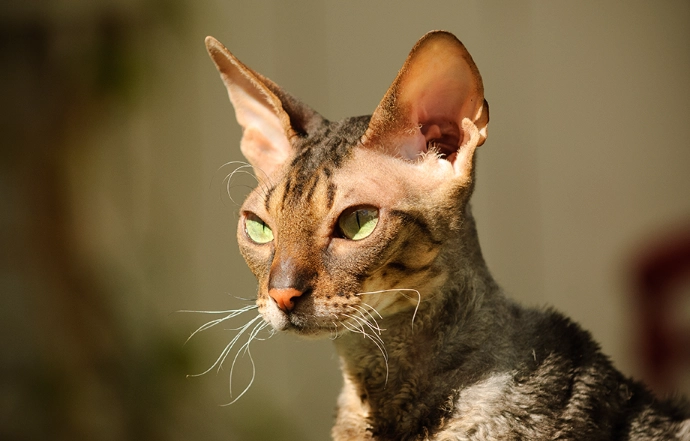
Getting one? Forget about it, unless you're on a years-long waiting list with a very dedicated, ethical breeder who is focused on conservation, not profit. This is a prime example of a cat where rarity is tied to its origins and precarious existence.
"The Sokoke's rarity isn't a marketing gimmick; it's a biological reality. Preserving them is about preserving a unique genetic thread that connects directly back to a specific wild environment." – This is the sentiment you'll hear from every Sokoke breeder and enthusiast.
The Turkish Van Cat (Not the Common One)
Hold on, you might say, I've seen Turkish Vans! And you might have. But the truly rare version is the authentic, regionally specific Turkish Van from the Lake Van region in Turkey. The cats commonly called "Turkish Vans" in many countries are often white cats with color patches, but the original, carefully preserved landrace breed is much rarer.
The Turkish government and universities actually have conservation programs for this national treasure. Exporting authentic, purebred Turkish Vans is heavily controlled. What makes them special isn't just their love of water (which is real, by the way), but their robust, natural build and a specific genetic signature that's been maintained for centuries in isolation. The "van" pattern—color restricted mostly to the head and tail—is iconic. So, while the name is known, the genuine article is far rarer than most people realize.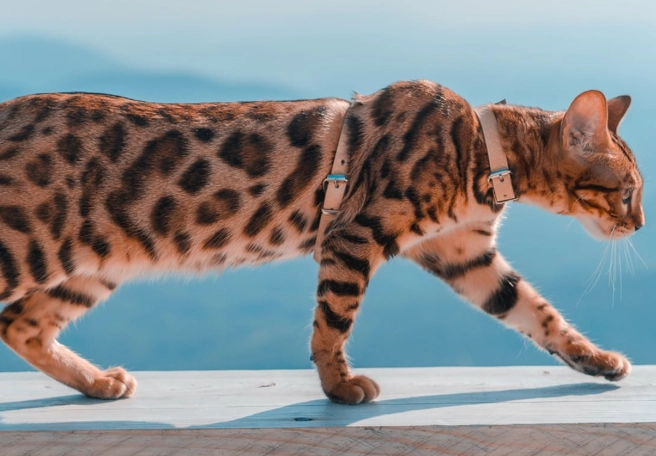
The Chartreux: The Quietly Disappearing Frenchman
This one hurts a bit for classic cat lovers. The Chartreux, that beautiful, smiling blue cat from France with copper eyes, is often listed among rare breeds. Its numbers declined dramatically after the World Wars. While it has recovered somewhat, the authentic Chartreux lineage is carefully guarded. There's a constant concern about genetic diversity because the gene pool was so small after its bottleneck.
What's tricky here is distinguishing a true Chartreux from other blue cats, like the British Shorthair or the Russian Blue. A real Chartreux has a specific woolly double coat and a body type that's less "cobby" than a British Shorthair. Their rarity is subtle—they appear at shows, but breeding stock of pure, documented lines is limited globally.
Let's put some of these population-based rarities into perspective. The following table compares a few of the ultra-rare breeds based on estimated global numbers and key challenges. Remember, these are estimates—exact numbers are hard to pin down.
| Breed Name | Estimated Global Population | Primary Reason for Rarity | Origin |
|---|---|---|---|
| Sokoke | Likely under 100 mature individuals in breeding programs | Critically endangered wild ancestor; very limited domestic foundation. | Kenya (Natural Breed) |
| Korat | Low thousands (outside Thailand) | Strict export controls historically; considered a national treasure in Thailand. | Thailand |
| Turkish Van (Authentic) | Few thousand (authentic lines) | Controlled export from Turkey; specific regional landrace. | Turkey |
| Chartreux (Traditional Lines) | Several thousand | Severe population bottleneck mid-20th century; limited genetic diversity. | France |
| Arabian Mau | Rare outside Arabian Peninsula | Natural desert breed only recently recognized; limited international breeding. | Arabian Peninsula |
Looking at that table, the Sokoke really stands out, doesn't it? Numbers that low for a domesticated breed are staggering.
The "Unobtainable" Rare: Exclusive and Experimental Breeds
This is a different kind of rarity. It's not about conservation or ancient lineage. It's about exclusivity, price tags with more zeros than a phone number, and sometimes, ethical gray areas.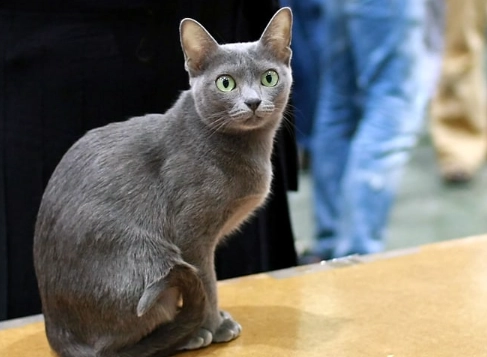
The Ashera: The Million-Dollar Question Mark
No discussion about rare cat breeds is complete without the Ashera. Marketed as the world's most expensive and rarest cat, with price tags historically reaching over $100,000, the Ashera was presented as a hybrid of an African Serval, an Asian Leopard Cat, and a domestic cat. A company called Lifestyle Pets (formerly Allerca) claimed to have created this hypoallergenic, exotic-looking marvel.
Here's where you need a massive grain of salt. Genetic testing conducted by various investigators and reported on by outlets like BBC suggested that the Ashera cats were virtually genetically identical to... Savannah cats (a well-known Serval hybrid breed). The whole thing became a huge controversy, wrapped in lawsuits and accusations of fraud. The company is now defunct.
Personal Opinion/Note: The Ashera saga is a cautionary tale. It plays directly into the desire for the ultimate status-symbol pet. When something is advertised as the rarest breed of cat with a sky-high price, it's worth asking *why* it's so rare. Is it due to incredible difficulty in breeding, or is it artificial scarcity and marketing? In this case, evidence pointed heavily to the latter. This is why relying on major registries like The International Cat Association (TICA) or the Cat Fanciers' Association (CFA) is so important—they have breed standards and recognition processes.
So, if someone asks "what is the rarest breed of cat" and expects the Ashera as the answer, the more accurate response is that it was likely a marketing creation, not a genuinely unique breed. Its "rarity" was manufactured.
Experimental and Non-Recognized Breeds
Then there are breeds in the very early stages of development. These are often called "experimental" or "preliminary" breeds. They might have only a few dozen cats that fit a specific new standard. Breeds like the Highlander (a curl-eared breed) or the Lambkin (a dwarf breed) spent years in this category with tiny populations before gaining more traction.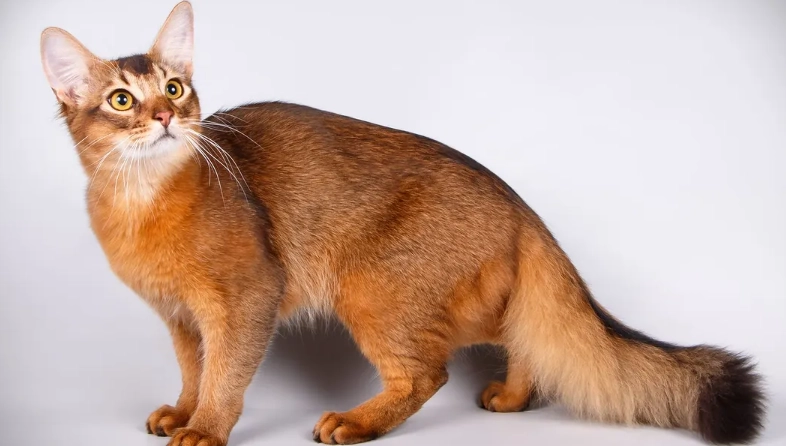
Their rarity is temporary by design—if the breed gains popularity and meets registry requirements, numbers will grow. If it doesn't, it might fade away entirely. This is a dynamic, ever-changing layer of feline rarity.
Why So Few? The reasons for a breed's scarcity are a mix of history, biology, and human decisions. A devastating war can decimate a regional population (Chartreux). A government can restrict exports to protect a national symbol (Korat, Turkish Van). A breed can originate from a tiny, isolated wild population (Sokoke). Or, the breeding program can be so complex and expensive that very few people attempt it (first-generation hybrids like the Savannah, especially in the early days).
Beyond the List: What "Rarest" Really Means for You
Okay, so we've named some names. But if you're a regular person just curious about cats, or maybe even dreaming of owning one of these elusive creatures, what does this all *mean*?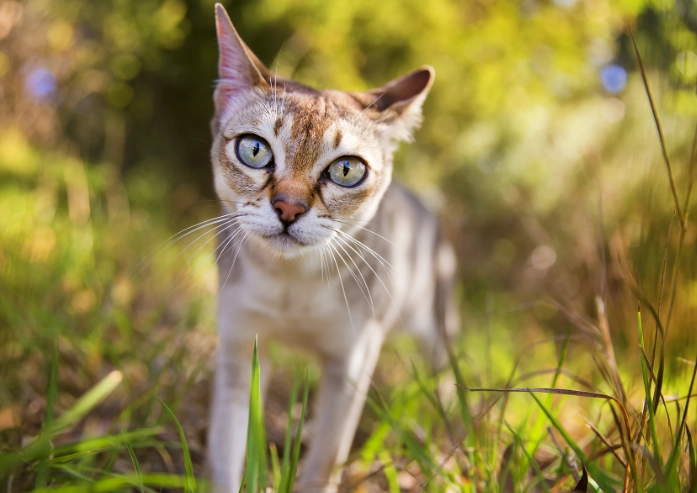
Rarity Equals Responsibility (and Cost)
Let's be brutally honest. Seeking out the rarest breed of cat often comes with significant downsides that many flashy online articles don't talk about enough.
- Sky-High Prices: We're talking $2,000 on the very, very low end for a pet-quality kitten from a rare breed, and easily $5,000 to $10,000+ for breeds like the Sokoke or early-generation Savannahs. The Ashera was an extreme, but high cost is a hallmark of rarity.
- Extensive Waiting Lists: You can't just click "add to cart." For ethical breeders of rare cats, the wait can be 1-3 years. They breed for health and preservation, not volume.
- Scarcity of Breeders: There might only be a handful of reputable breeders on your entire continent. This limits your choice and means you'll likely need to travel or arrange complex shipping.
- Potential Health Issues: A small gene pool is a double-edged sword. It preserves unique traits but can also concentrate genetic health problems. Reputable breeders do extensive genetic testing, but the risk can be higher than in robust, common breeds like the Domestic Shorthair.
- Limited Information: Your vet may have never seen one before. Behavioral guides are sparse. You become a pioneer, learning as you go.
I once spoke to a Sokoke owner who had to explain the breed to every single vet they visited. They carried a printed information sheet with them. That's the reality.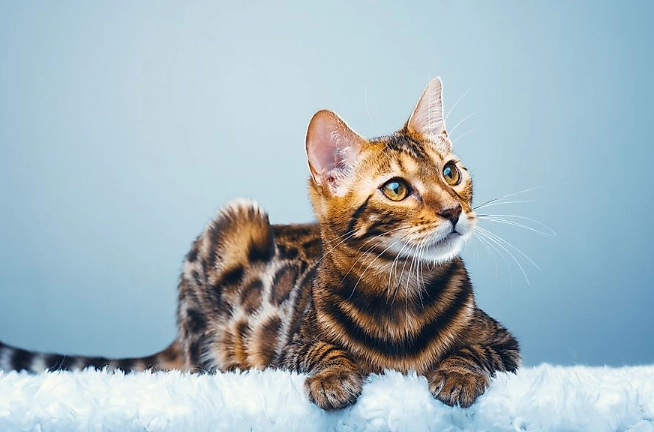
Owning a rare cat is less about having a fancy pet and more about becoming a steward for a living piece of genetics. It's a commitment that goes far beyond feeding and cuddles.
The Ethics of Pursuing Rarity
This is the big one. The desire to own something rare can sometimes fuel less-than-ethical practices.
- Conservation vs. Exploitation: Is the breed being preserved for its own sake, or are breeders creating artificial scarcity to drive up prices? The Sokoke breeding community is a great example of conservation-first. The historical Ashera situation is the opposite.
- Wild Blood: Many rare breeds (Savannah, Bengal, Chausie) are hybrids with wild cats (Servals, Asian Leopard Cats, Jungle Cats). Early generations (F1, F2) can be challenging pets with specific needs and legal restrictions. Ensuring they are bred responsibly and go to expert homes is critical. The IUCN Cat Specialist Group discusses the complexities of wild cat conservation, which intersects with this topic.
- Health and Welfare: Are breeders prioritizing a "rare" look over health? Some extreme physical traits can cause suffering. A good breeder's primary goal is healthy, well-adjusted cats, not just rarity.
So, before you set your heart on answering "what is the rarest breed of cat" by owning one, please do deep research. Connect with the breed community, ask hard questions about health testing, and visit the breeder if at all possible.
From my own experience talking to breeders, the best ones will interview you as thoroughly as you interview them. They'll ask about your home, your experience, your lifestyle. If a "rare" cat breeder is just taking a deposit over the phone with no questions asked, that's a huge red flag. They should be more protective of their cats than anyone.
Frequently Asked Questions About Rare Cat Breeds
Let's tackle some of the natural questions that come up when you start digging into this topic.
What is the rarest breed of cat in the world *right now*?
Based on global population numbers and critical status, the Sokoke consistently takes this title. It's a natural breed with a foundation in a critically endangered wild population, and its domestic numbers are astonishingly low. Every reputable cat registry and conservation-focused feline organization acknowledges its precarious position.
What is the most expensive rare cat breed?
This fluctuates. Historically, the Ashera had the highest advertised price. Today, early-generation (F1 or F2) Savannah cats or other wild hybrids often command the highest prices, ranging from $10,000 to $25,000 or more. For non-hybrid rare breeds, the Sokoke, Korat from premier lines, and authentic Turkish Vans are among the most costly, typically between $1,500 and $6,000.
Can I adopt a rare breed cat from a shelter?
It's exceptionally unlikely, but not completely impossible. You might find a mixed-breed cat that has some traits of a rare breed. Very, very occasionally, a purebred cat ends up in rescue due to an owner's life circumstances. Breed-specific rescue groups exist for some rarer breeds (like the Savannah Cat Rescue). However, if your goal is to own a specific rare breed, working with a responsible breeder is the most reliable path.
Are rare cat breeds healthier?
Generally, no. In fact, the opposite is often true. Common domestic cats ("moggies") have a vast, diverse gene pool, which is great for overall health. Rare breeds, by definition, have a limited gene pool. This can increase the risk of inherited genetic disorders if not managed carefully by breeders. Always ask a breeder for proof of health screening specific to that breed.
What should I look for in a rare cat breeder?
This is crucial. Look for:
1. Registry Affiliation: They should be registered with TICA, CFA, or another major international registry.
2. Transparency: Willingness to show health certificates, discuss genetic testing, and let you see where the cats live (clean, home-like environment).
3. Knowledge: They should be an expert on the breed's history, temperament, and specific needs.
4. Contract: A detailed contract that includes a health guarantee, spay/neuter agreement for pet-quality cats, and a clause requiring you to return the cat to them if you can no longer care for it.
5. Focus on Preservation: Their primary goal should feel like preserving and improving the breed, not making money.
Final Thoughts: Rarity is a Spectrum, Not a Trophy
So, what is the rarest breed of cat? As we've seen, the Sokoke has a strong claim based on pure numbers and origin story. The authentic Turkish Van and Korat are rare due to geography and protection. The Chartreux carries the scars of history. And then there are the exclusive, high-priced worlds of wild hybrids and experimental breeds.
But I'll leave you with this thought. The fascination with rarity can sometimes make us overlook the incredible value and uniqueness of every cat. The "rare" gene that makes a Sokoke's coat is fascinating. But so is the unique personality of the ginger tabby snoozing at your local shelter. The quest to own something scarce is human nature, but the love and companionship of a cat aren't dependent on its breed registry status or price tag.
If you are drawn to a rare breed, let it be for the right reasons—a deep appreciation for its history, a commitment to its preservation, and a genuine connection to its specific traits. Do it with eyes wide open to the cost, the wait, and the responsibility. And if you just love learning about these elusive felines, well, that's a wonderful journey in itself. The world of cats is vast and full of surprises, from the most common alley cat to the rarest forest phantom.
That's the real answer to what is the rarest breed of cat. It's a doorway into a deeper understanding of feline genetics, history, conservation, and our own complex relationship with the animals we share our homes with.
Comment