So you're drawn to the idea of a small hairless dog breed. Maybe you've seen pictures online, or met one in the park, and that unique, elegant (some might say alien) look just clicked with you. I get it. There's something undeniably captivating about them. They're like living, breathing pieces of art. But let's be real for a second—owning one of these dogs isn't quite like owning a Labrador. It's a whole different ball game.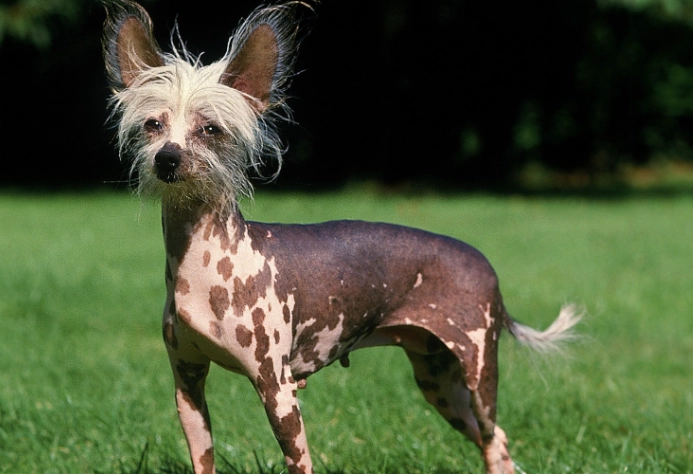
Before you fall head over heels for those big, expressive eyes and warm, velvety skin, you need to know what you're signing up for. The internet is full of gorgeous photos, but sometimes glosses over the daily reality. I've talked to owners, done a ton of research, and I'm here to walk you through everything, the good, the bad, and the surprisingly high-maintenance skincare routines.
What Exactly Are Small Hairless Dog Breeds?
First things first, let's define our terms. When we talk about small hairless dog breeds, we're usually referring to three specific, recognized purebred dogs. It's not just any small dog that happens to have lost its hair. These breeds have a genetic mutation that causes hairlessness, and it's a defining characteristic of their breed standard.
The hairlessness gene is dominant but also what's called “semi-lethal.” This means that in a litter, you'll typically get both hairless and coated puppies. The coated ones, often called “powderpuffs,” carry the gene but have a full coat. They're just as much a part of the breed and are crucial for healthy breeding programs. So, when you look for a small hairless dog, you're looking at one of these three main players.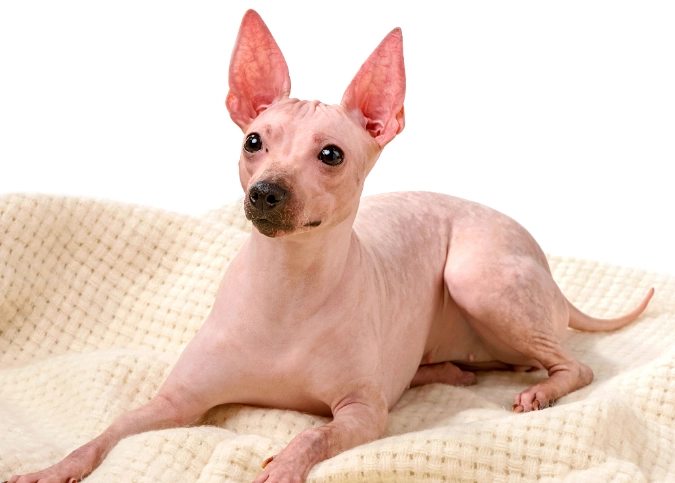
The Big Three: Meet the Contenders
Alright, let's meet the stars of the show. These are the primary small hairless dog breeds you'll encounter. They each have their own history, personality, and quirks.
The Xoloitzcuintli (Show-low-eets-queen-tlee) – The Ancient One
Don't let the intimidating name scare you. Most people just call them “Xolo” (SHOW-low). This is the granddaddy of hairless dogs, with a history stretching back over 3,000 years to ancient Aztec and Maya civilizations. They were considered sacred guides to the underworld. Pretty heavy legacy for a dog, right?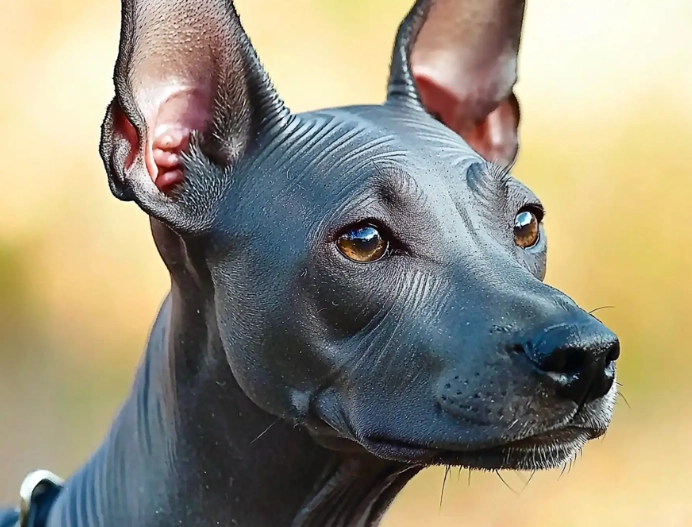
Xolos come in three sizes: toy, miniature, and standard. The toy and miniature sizes fit our “small” category perfectly. They have a sleek, elegant appearance with a distinctive deer-like head and large, bat-like ears that are always erect. Their skin is tough and smooth, often dark gray or bronze, and feels like warm suede.
Personality-wise, Xolos are often described as calm, alert, and dignified. They can be aloof with strangers but deeply loyal and affectionate with their family. They're not typically yappy dogs. They're more of a thoughtful, observant companion. I've heard from owners that they have an almost cat-like independence at times, which can be a pro or a con depending on what you want.
The Chinese Crested – The Divergent Personality
This is probably the most recognizable of the small hairless dog breeds. With their tufts of hair on the head (crest), feet (socks), and tail (plume), they have a very distinctive, almost punk-rock look. But here's where it gets interesting—there are two distinct body types.
The “Deer” type is fine-boned, slender, and leggy. They're the graceful, fragile-looking ones. The “Cobby” type is stockier, with a heavier bone structure. The cobby type is often sturdier and less delicate. This is a crucial distinction if you have kids or an active household. A deer-type Chinese Crested might not be the best match for rough play.
In terms of temperament, they're often the clowns of the hairless world. Playful, affectionate, and sometimes downright silly. They love to be the center of attention and can form incredibly strong bonds, sometimes to the point of being velcro dogs. This also means they can struggle with separation anxiety if not trained properly. They're also known for being warmer to strangers than a Xolo might be.
The Peruvian Inca Orchid – The Sleek Racer
Also known as the Peruvian Hairless Dog, this breed is elegant and athletic. They share ancient roots with the Xolo, hailing from pre-Incan cultures in Peru. They are sighthounds, built for speed, with a slender, muscular body and a long, narrow head.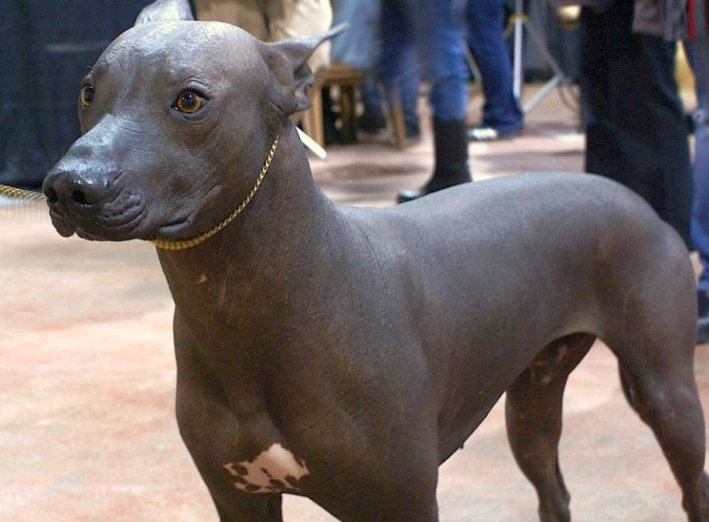
Their skin can be a range of colors, from pink to black, and is often mottled or spotted. Their personality is often a blend: reserved and noble like the Xolo, but capable of playful bursts of energy. They are intensely loyal to their family but can be wary of strangers and other animals. They have a strong prey drive (remember, sighthound!), so a securely fenced yard is non-negotiable.
One thing that stands out about the Peruvian Inca Orchid is their need for a confident, experienced owner. They are sensitive and don't respond well to harsh training methods. Positive reinforcement is the only way to go.
| Breed | Average Weight (Toy/Mini) | Key Temperament Traits | Skin & Care Notes | Best For |
|---|---|---|---|---|
| Xoloitzcuintli | 10-15 lbs (Toy) 15-30 lbs (Mini) |
Calm, dignified, alert, loyal, can be aloof | Tough, smooth skin. Prone to blackheads. Needs regular bathing and moisturizing. | Quiet households, experienced owners, those wanting a “thinking” companion. |
| Chinese Crested | 8-12 lbs | Playful, affectionate, clownish, prone to separation anxiety | Soft, fine skin. Very prone to acne, sunburn, and dryness. High-maintenance skincare. | Companion seekers, apartment dwellers, owners who are home often. |
| Peruvian Inca Orchid | 8-18 lbs (Small) 18-26 lbs (Medium) |
Reserved, noble, athletic, sensitive, strong prey drive | Smooth, warm skin. Similar care to Xolo, but can be more sensitive to cold. | Active owners, sighthound enthusiasts, homes with secure yards. |
Why Choose a Small Hairless Dog Breed? (And Why You Might Not)
Let's cut through the hype. People are drawn to these dogs for a few key reasons, but the downsides are just as important to consider.
The Pros: What Makes Them Special
- Hypoallergenic (Mostly): This is the big one. Since they have little to no hair, they don't shed dander into the environment the same way a furry dog does. Many people with mild to moderate dog allergies do well with hairless breeds. But—and this is a huge but—no dog is 100% allergen-free. Allergies can also be triggered by saliva and skin oils. Always spend time with the breed before committing.
- Minimal Shedding: You won't find hair on your clothes or furniture. This is a massive win for neat freaks.
- Unique Bond & Warmth: There's something incredibly intimate about petting warm skin instead of fur. Owners often report a unique, tactile connection with their dogs. They also make fantastic little heaters on cold nights!
- Distinctive Appearance: You will never, ever mistake your dog for anyone else's at the park. They are conversation starters everywhere they go.
The Cons: The Reality Check
- Skin Care is a MUST, Not an Option: This is the single biggest commitment. Their skin is not protected by fur. It gets dirty, oily, and prone to acne, blackheads, and sunburn. You will need to:
- Bathe them weekly with a gentle, dog-specific shampoo.
- Moisturize daily or every other day with a non-comedogenic lotion or oil (coconut oil is popular, but check with your vet).
- Apply dog-safe sunscreen EVERY time they go outside for more than 10-15 minutes. Yes, even on cloudy days. Sunburn is a serious risk and can lead to skin cancer.
- Deal with pimples. You'll become an expert at canine skincare.
- They Get Cold. Really Easily. You'll need a wardrobe. Sweaters, coats, pajamas—it's not a fashion statement, it's a necessity in cooler climates. A chilly dog is a miserable (and potentially sick) dog.
- Not Always “Low Maintenance”: Swapping brushing for bathing and moisturizing isn't necessarily easier. It's just different. Some would argue it's more hands-on.
- Potential for Dental Issues: Remember that genetics link? Hairless dogs often have missing or malformed teeth. This requires diligent dental care from puppyhood—regular brushing and vet checkups are critical to prevent early tooth loss.
- Breeder Scarcity & Cost: Reputable breeders for these small hairless dog breeds are not as common as for popular breeds. A well-bred puppy from health-tested parents can easily cost $2,000 to $3,500 or more. The low supply and high demand drive prices up.
See what I mean? It's a trade-off.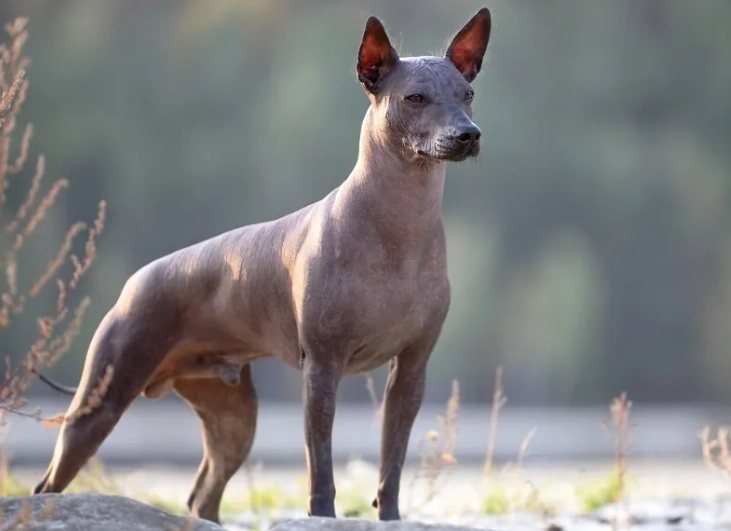
Living With a Hairless Dog: A Day in the Life
Let's get practical. What does actually living with one of these unique small hairless dog breeds look like?
Morning: Wake up. Your dog is likely snuggled deep under the blankets. After the morning potty break (which might require putting on a little sweater if it's cool), it's skincare time. A quick wipe-down with a damp cloth or pet wipe to remove night oils, followed by a light application of moisturizer. Check for any new pimples or dry patches.
Midday Walk/Play: Before heading out, assess the sun. Is it sunny? Sunscreen goes on the back, nose, and any other exposed pink skin. Is it below 65°F (18°C)? A sweater or coat is needed. Their tolerance varies, but it's better to be safe. Avoid rough surfaces like asphalt on hot days—their paw pads can burn, and their belly skin is sensitive.
Evening: Another wipe-down after the day's adventures. Once a week (or more for oily-skinned Cresteds), it's bath time. Use lukewarm water and be gentle. Pat dry—no vigorous rubbing. A full moisturizing session after the bath is key to prevent their skin from drying out and over-producing oil.
Bedtime: Dental hygiene! Brush those teeth. Then, they'll probably want to burrow into your bed. Providing them with their own soft, warm blanket in a dog bed is a good idea, but don't be surprised if they prefer yours.
Health Considerations: Beyond the Skin
All dogs have breed-specific health concerns, and small hairless dog breeds are no exception. Working with a breeder who does the recommended health screenings is your best defense.
- Skin Conditions: Besides acne and sunburn, they can be prone to allergies, fungal infections (like yeast), and folliculitis. A vet who is familiar with hairless breeds is a huge asset.
- Dental Issues: As mentioned, missing teeth (especially premolars) are common. This can lead to early periodontal disease if not managed aggressively.
- Eye Problems: Chinese Cresteds, in particular, can be prone to Progressive Retinal Atrophy (PRA) and lens luxation. The Orthopedic Foundation for Animals (OFA) maintains databases for these health screenings, and a good breeder will provide you with the results for the puppy's parents.
- Patellar Luxation: A common issue in many small breeds where the kneecap slips out of place. Reputable breeders screen for this.
- Deafness: Congenital deafness, often associated with a predominantly white or pink skin/coat, is a concern, particularly in Chinese Cresteds. Breeders should test puppies' hearing (BAER test).
Honestly, the health of a hairless dog is often a direct reflection of the quality of the breeder. Cutting corners here is asking for heartbreak and huge vet bills.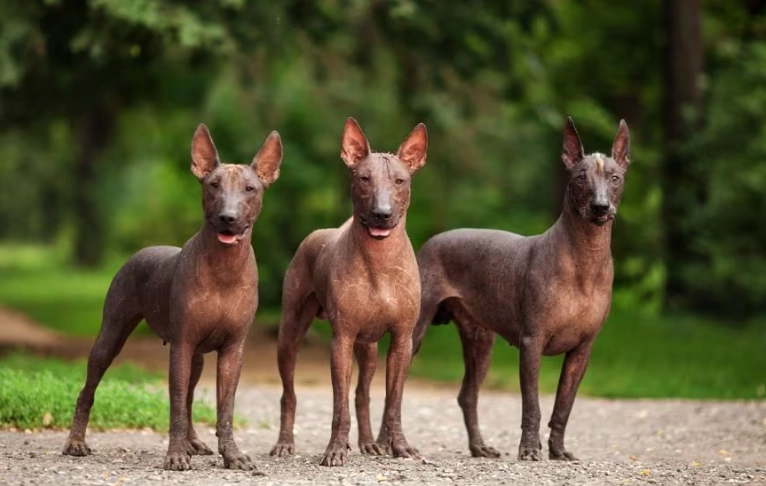
Finding a Reputable Breeder: Your Most Important Task
This is where you have to be incredibly diligent. The rarity and popularity of these breeds attract bad actors—puppy mills and backyard breeders looking to make a quick buck.
A good breeder will:
- Be a member of the national breed club (e.g., The Xoloitzcuintli Club of America, The Chinese Crested Club of America).
- Primarily breed to improve the breed, not to make money.
- Health test ALL their breeding stock for the conditions listed above and proudly show you the OFA or other certification numbers.
- Raise puppies in their home, with plenty of socialization.
- Ask YOU as many questions as you ask them. They want to ensure their puppies go to the right homes.
- Provide a detailed contract that includes a health guarantee and mandates that you return the dog to them if you can't keep it, at any point in the dog's life.
- Let you meet the puppy's mother (and father, if possible).
Run, don't walk, away from a “breeder” who:
- Has multiple litters available at once or always has puppies.
- Won't let you see where the dogs live.
- Sells puppies online with no questions asked, or offers to ship a puppy before you meet it.
- Cannot provide proof of health testing for the parents.
- Uses terms like “teacup,” “rare colors,” or “designer hairless” to justify exorbitant prices.
Adoption is also an option, though rarer. Check breed-specific rescues. You might find an adult dog in need of a home, which can be a wonderful way to skip the puppy stage and give a dog a second chance.
Common Questions About Small Hairless Dog Breeds
Let's tackle some of the things people are secretly (or not so secretly) wondering.
Do they really not shed at all?
They don't shed hair like a furry dog. However, they do shed skin cells (dander), which is what most people are actually allergic to. The lack of hair means the dander isn't being trapped and spread around as much, making the environment more manageable for allergy sufferers. But you'll still need to dust and clean regularly.
Are they good with children and other pets?
It depends heavily on the individual dog's temperament and socialization. Chinese Cresteds are often more tolerant. Xolos and Peruvian Inca Orchids can be more reserved and may do better with older, respectful children. Their skin is sensitive, so a toddler's grabby hands can hurt. Always supervise interactions. Prey drive in the Peruvian Inca Orchid means small pets like hamsters or cats might be seen as prey unless raised together from a very young age.
Can they live in cold climates?
Yes, but it requires commitment. You are their primary source of insulation. Indoor heating, a robust wardrobe (including booties for snow and salt), and limited time outdoors in extreme cold are essential. Some owners in very cold climates use heated dog beds. It's doable, but it's work.
Are they easy to train?
They are intelligent but can be stubborn. Xolos and Peruvians are particularly sensitive and do not respond to harsh corrections—they'll shut down. Positive reinforcement (treats, praise, play) is the only effective method. Chinese Cresteds are often eager to please but can be easily distracted. Consistency and patience are key for all of them. Housebreaking can sometimes be a challenge with small breeds in general.
What's the biggest misconception about them?
That they are “low maintenance” or “hypoallergenic magic dogs.” The truth is, they swap one type of maintenance (grooming fur) for another (intensive skincare). And while they are better for many allergy sufferers, they are not a cure-all. Spending extended time with the breed before bringing one home is the only way to know for sure.
At the end of the day, choosing one of these small hairless dog breeds is about embracing the unique. It's accepting that you'll spend more time on skincare than on brushing, that you'll have a closet for your dog, and that you'll constantly be explaining what kind of dog it is. But for the right person, the trade-off is worth it for the unique, warm, loyal, and utterly captivating companion you get in return.
So, is a small hairless dog breed right for you? Look past the unique appearance and ask yourself if you're ready for the daily routine, the potential health considerations, and the financial commitment. If your answer is a resounding yes, then you might just be on your way to one of the most rewarding and unusual pet relationships you'll ever have.
Do your homework, find that exceptional breeder, and get ready to buy a lot of sunscreen.
Comment