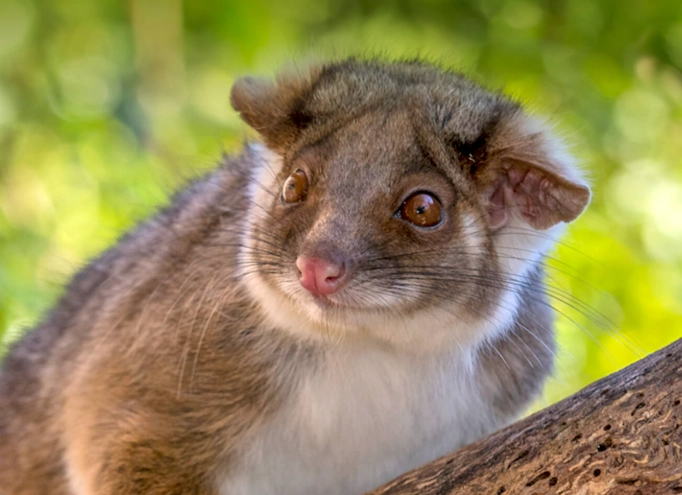
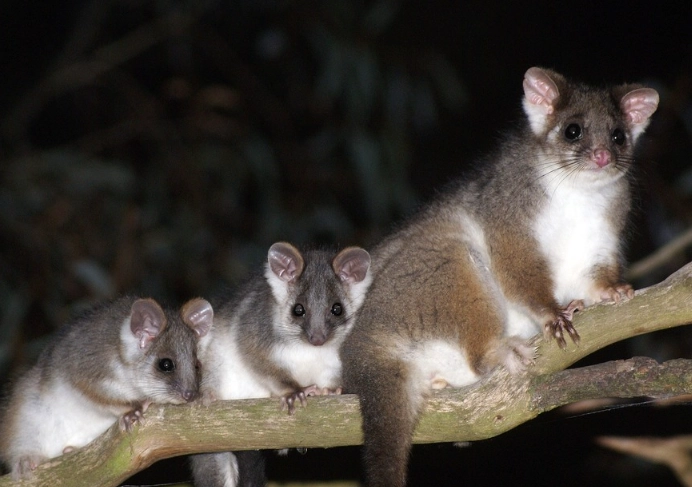
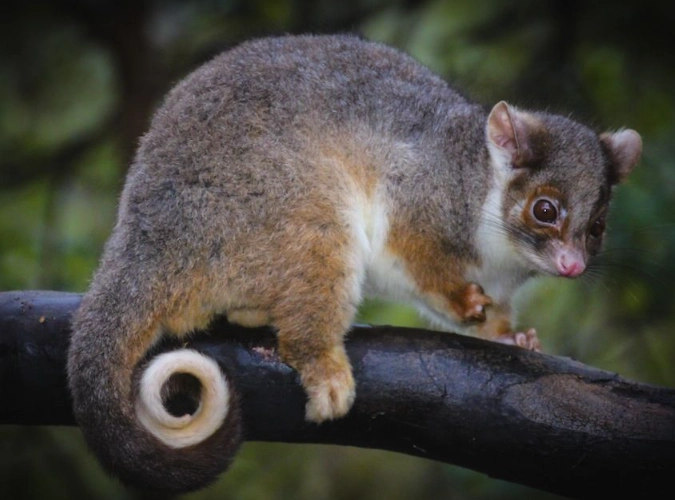
I still remember the first time I saw one clearly. It wasn't in some pristine forest, but right in my aunt's suburban Melbourne backyard, dangling from a power line with its tail wrapped like a perfect fifth limb. I thought it was a weird, giant rat at first glance. My aunt just laughed and said, "That's just a ringtail possum, love. They own the place." She wasn't wrong. From that moment, I was hooked on these little marsupials. They're everywhere in eastern Australia, yet so many people know shockingly little about them beyond the occasional thump on the roof at night. So, what exactly is a ringtail possum? Let's get the basics out of the way. It's not a rat, not a squirrel, but a marsupial – a pouched mammal native to Australia. The name "ringtail" comes from its most distinctive feature: a long, prehensile tail with a white tip that it often curls into a ring-like shape. But there's so much more to them than a cute tail. Quick Snapshot: The Common Ringtail Possum (Pseudocheirus peregrinus, which sort of means "false-hand pilgrim") is one of Australia's most successful urban adapters. They're smaller than their brushtail cousins, about the size of a small cat, with big round ears, large forward-facing eyes, and that famous tail. They're strictly herbivorous, mostly nocturnal, and surprisingly social. When most Aussies say "ringtail possum," they're talking about the Common Ringtail Possum. But here's a fun fact that often gets missed: "ringtail possum" is actually the common name for an entire group within the possum family. The Australian Museum's excellent resource on marsupials breaks this down clearly. The Common Ringtail is just the one you're most likely to meet in your garden. There are other, often more elusive, species like the Western Ringtail Possum (which is critically endangered and has a much darker, sootier coat) and the Green Ringtail Possum of the Queensland rainforests (which has a bizarre olive-green tinge to its fur, perfect for camouflage). This guide focuses mainly on the Common Ringtail, the true suburban survivor. How do you tell it apart from a brushtail possum? It's a common mix-up. See? Once you know what to look for, it's pretty straightforward. The brushtail is the big, loud, grumpy loner. The ringtail possum is the smaller, chirpier, family-oriented one. Every bit of a ringtail possum's body is designed for an arboreal life. Let's start with the star of the show – the tail. It's not just for show. The underside is hairless and leathery, providing excellent grip. They use it as a fifth limb to grip branches, to carry nesting material (which is adorable to watch), and to stabilize themselves while reaching for leaves. I've seen one hang upside down by its tail alone to nibble on a particularly tempting rosebud. Impressive core strength. Their hands and feet are just as specialized. Opposable thumbs on their hind feet give them a powerful, pincer-like grip on branches. Sharp claws help them climb even the smoothest surfaces (which is why they have no problem with downpipes and brick walls). Their front paws are more hand-like, perfect for manipulating food. Did you know? Ringtail possums have a unique digestive system. They practice caecotrophy, which is a fancy way of saying they eat some of their own special droppings (called caecotrophs) directly from the anus to re-digest and extract maximum nutrients from their tough, leafy diet. It's not the most glamorous habit, but it's incredibly efficient for a herbivore. Their large eyes give them great night vision, and those big ears can pick up the slightest rustle of a predator – or the opening of a compost bin lid. Their fur is thick and woolly, usually grey-brown with reddish patches on the limbs and underparts, and those white tail-tip and ear-tuft patches are like little reflective strips in the moonlight. Common Ringtail Possums are true east coasters. You'll find them from north Queensland all the way down to Tasmania and into the southeastern corner of South Australia. They're missing from the arid interior and the far north, but they've carved out a pretty good niche where they live. Their preferred natural habitat is dense, moist forest, especially along watercourses (riparian zones). They love a good tangled understory of vines and shrubs. But here's the key to their success: they are phenomenal at adapting to human-modified landscapes. They're not as picky about tree hollows as brushtails. While they will use hollows, ringtail possums are famous for building elaborate nests called "dreys." These are football-sized structures made from sticks, leaves, and bark, lined with softer material like fern fronds or even (annoyingly) stolen garden mulch. They usually build them in dense thickets, forks of trees, or sometimes in roof spaces if they can find a way in. Finding a drey feels like discovering a secret little fortress. It's this adaptability that has made them a true urban success story, even as other wildlife struggles. This is where ringtail possums get really interesting. They're almost strictly nocturnal. As the sun sets, they emerge from their drey, stretch, and start their night of foraging. They're not the loud, crashing types. They move quietly and deliberately through the canopy. Unlike the solitary brushtail, ringtail possums are quite social. They often live in small family groups – a monogamous pair and their offspring from the previous season or two. The young ones stick around for a while, learning the ropes and sometimes even helping to care for the next set of joeys. You might hear them communicating with soft, twittering calls and chirps to keep in contact in the dark. They have defined home ranges, but they're not fiercely territorial like some animals. These ranges often overlap with other groups. A typical home range might be just a hectare or two in a rich suburban area, centered around a reliable food source and good nesting sites. They are dedicated leaf-eaters (folivores). In the wild, their diet consists of a variety of native foliage: In your garden, the menu expands, sometimes to the gardener's despair. Their favorites include: A Note on Feeding: I'm strongly against intentionally feeding wildlife like ringtail possums. It makes them dependent, can cause nutritional imbalances, and brings them into dangerous contact with pets and cars. The best thing you can do is plant native species they naturally eat. The Victorian government's comprehensive possum management advice is very clear on this – feeding them does more harm than good. Ringtail possums can breed year-round, but there's usually a peak in late autumn to early winter. The female gives birth after a very short gestation (about 20-26 days) to one or two tiny, underdeveloped joeys, each about the size of a jellybean. The joey's journey is incredible. It has to crawl, unaided, from the birth canal into the mother's forward-opening pouch. Once inside, it latches onto a teat and stays put for about 3-4 months, growing and developing. After it emerges from the pouch, it will ride on its mother's back for another couple of months, clinging on as she moves through the trees at night. It's a heart-melting sight. The young become independent at around 6-8 months but may hang around the family group for a while longer. A healthy female can raise two litters per year, which is part of why they can be so numerous in good conditions. This is the part most people searching for information really want to know. How do I deal with the ringtail possum in my roof? Or the one eating my prize roses? Let's be honest, they can be pests. The thudding and scraping in the ceiling at 3 AM is infuriating. Finding your rose bushes stripped bare overnight is devastating. But before you reach for drastic measures, remember they're native, protected wildlife in every state. It's illegal to harm or trap and relocate them without a permit (and relocation often dooms them). The goal is to encourage them to live in your garden, not in your house. 1. Possum-Proofing Your House: This is job number one. Wait until dusk when they've left to forage, then block up their entry points. Use sturdy materials like metal flashing, hardwood, or heavy-gauge wire mesh. Don't use chicken wire – they can chew through it. Make sure all vents are screened. The aim is to make the house less attractive than the garden. 2. Garden Management: 3. Provide an Alternative Home: This is a brilliant strategy that few people try. Build or buy a sturdy possum nesting box and place it high up in a sheltered tree in your garden. Make it more appealing than your roof cavity. Line it with dry leaves. You're giving them a legal, safe place to live. It doesn't always work, but when it does, it solves the problem humanely. It's about making your garden a habitat, not a battleground. This is a nuanced picture. The Common Ringtail Possum, as a species, is listed as Least Concern on the IUCN Red List. Their adaptability has served them well. However, that's the big picture. Locally, things can be very different. The Western Ringtail Possum (Pseudocheirus occidentalis) is in serious trouble, listed as Critically Endangered. Habitat loss, vehicle strikes, and predation by introduced foxes and cats have decimated its population. Even for the common species, urban life is full of hazards: So, while they're not globally threatened, they face significant local pressures. Their success shouldn't make us complacent. Protecting and connecting green corridors in cities is vital for their long-term survival, and for the many other species that share their habitat. Look, they can be frustrating. I've lost more than one young citrus tree to them. The night I thought one was actually in my bedroom wall (it was just on the roof, but still) was not a fun one. But when you step back, ringtail possums are a minor miracle. They are a living piece of the Australian bush that has not just survived our urban sprawl but has learned to thrive within it. That chirping in the night is the sound of a successful native species. Watching a mother with a joey on her back navigate the power lines is a lesson in resilience and adaptation. Our job isn't to eradicate them, but to find a balance. To possum-proof our homes, to garden a bit more thoughtfully, and to appreciate the wildness they bring to our back doors. They're not pests; they're neighbors. And understanding them – their needs, their behaviors, their incredible biology – is the first step to being a good one in return. Next time you hear that familiar thump on the roof, maybe instead of just groaning, you'll think about the complex, fascinating little life that's causing it. A ringtail possum just going about its business, trying to make a home in a world we've radically changed. And honestly, you have to respect that.Jump to Sections
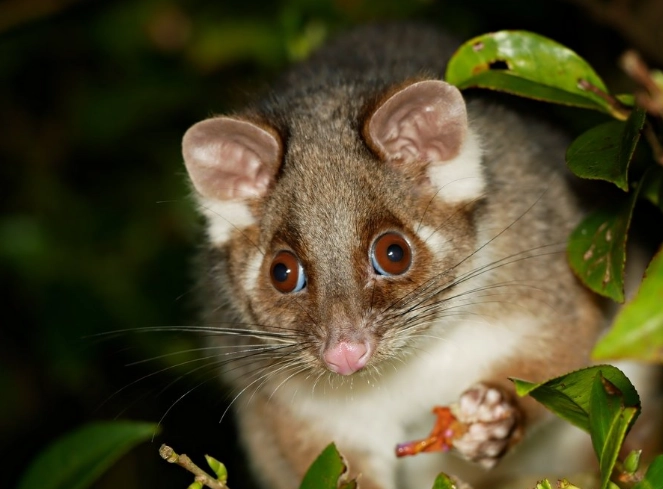
Not All Ringtails Are Created Equal: Taxonomy and Relatives
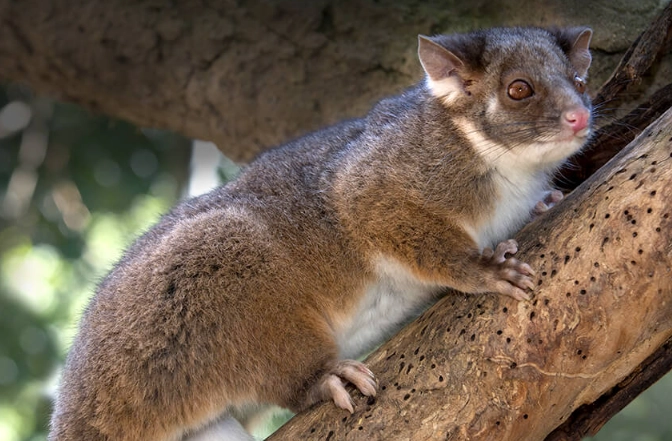
Feature
Common Ringtail Possum
Common Brushtail Possum
Size
Smaller (up to 1 kg)
Larger (up to 4.5 kg)
Tail
Long, thin, prehensile with white tip. Often held in a ring.
Bushy, black, not prehensile.
Ears
Large, rounded, prominent.
Large, but more pointed.
Social Behavior
Often lives in small family groups.
Mostly solitary.
Common Call
Soft, high-pitched twitters and chirps.
Loud, guttural coughs, screeches, and hisses.
A Closer Look: Anatomy Built for the Trees
Where to Find Them: Habitat and Distribution
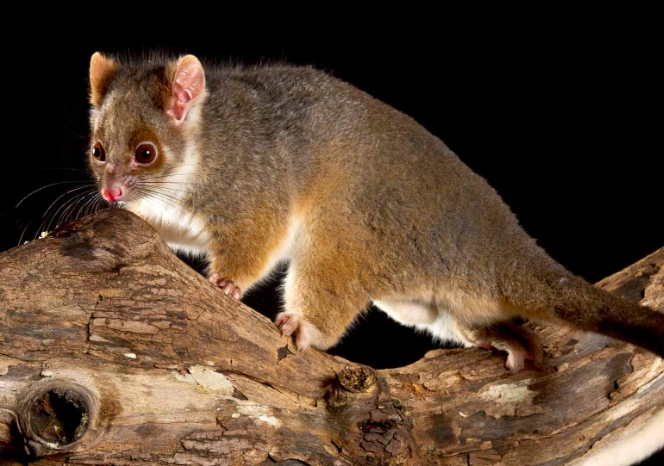
Night Moves: Behavior and Social Life
What's on the Menu? The Ringtail Possum Diet
The Circle of Life: Breeding and Raising Young
Living with Ringtail Possums: The Good, The Bad, and The Noisy
Peaceful Coexistence Strategies
Conservation Status: Are They Under Threat?
Your Ringtail Possum Questions Answered
Final Thoughts: A Suburban Treasure
Are ringtail possums dangerous?
Not at all. They are shy, non-aggressive animals. If cornered or handled, they might scratch or bite in self-defense (like any wild animal), but they will always choose to flee. They do not carry diseases transmissible to humans like rabies.
What should I do if I find an injured or orphaned ringtail possum?
Do not attempt to care for it yourself. Contact a licensed wildlife rescuer or vet immediately. Keep the animal warm, dark, and quiet in a ventilated box until help arrives. Do not offer food or water. You can find your local rescuer through state wildlife agency websites.
Can I keep a ringtail possum as a pet?
Absolutely not. In Australia, it is illegal to keep native wildlife as pets without special permits, which are only issued for rehabilitation, education, or conservation breeding purposes. They are wild animals with complex needs and do not belong in a cage.
Do ringtail possums play dead?
This is a common myth, often confused with the American opossum's behavior. Ringtail possums do not "play possum" (feign death). Their main defenses are freezing, fleeing, or making alarm calls.
Why does a ringtail possum keep visiting my balcony?
You've probably got something it wants. Potted plants, a water source, or even a cozy corner that feels safe. To discourage it, remove potted plants it likes, make sure there's no accessible water overnight, and consider loosely placing some prickly branches where it likes to sit. Make the balcony less hospitable.
Comment