I remember the first time I saw a picture of an Avicularia purpurea, the species often called the Purple Bloom Tarantula. It wasn't in a fancy pet store, but buried in a forum thread from 2010. The photo was grainy, but the color—this metallic, almost velvety purple sheen on its legs and carapace—stuck with me. It looked less like a spider and more like a piece of living jewelry. Fast forward a few years, and I finally had one crawling gently on my hand. It's an experience that's hard to describe if you've never been around tarantulas.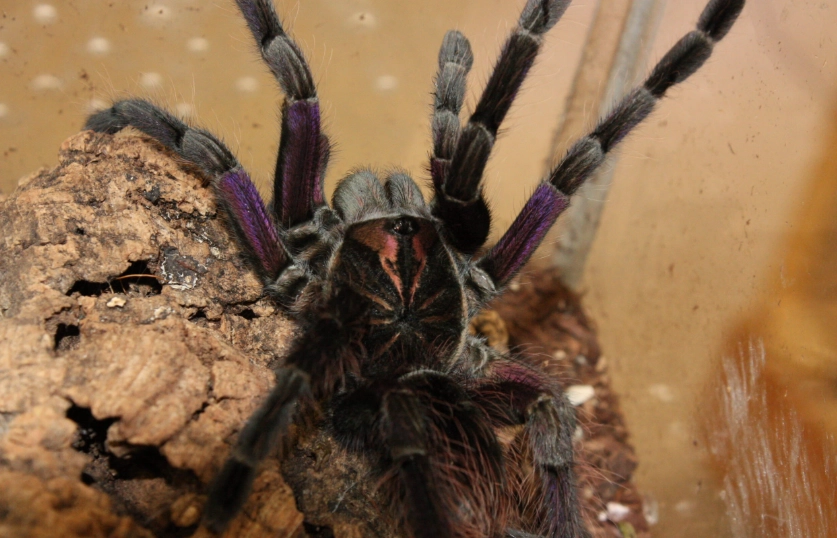
But here's the thing. That stunning purple color you see in professional photos? It's real, but it's also tricky. Lighting is everything. Under dull room light, your purple bloom tarantula might just look like a very dark, handsome spider. Catch it under a good LED or in sunlight, and boom—the purple and pinkish iridescence just pops. It's a showstopper.
This guide isn't just a dry list of facts. It's everything I wish I knew before I got my first one, mixed with the realities of keeping them. We'll cut through the hype, talk about what caring for a Purple Bloom Tarantula is actually like, and answer the questions you're probably typing into Google right now.
What Exactly Is a Purple Bloom Tarantula?
Let's get the scientific stuff out of the way first. The Purple Bloom Tarantula is Avicularia purpurea. It belongs to the Aviculariinae subfamily, which are the quintessential "tree-dwelling" or arboreal tarantulas from South America. Think of them as the acrobats of the tarantula world.
They're native to Ecuador, specifically hanging out (literally) in the humid rainforests. You won't find them making burrows in the ground. Instead, they're up in the trees, in palm fronds, or in the thatched roofs of buildings, spinning elaborate silken "tubes" or "socks" they use as a home base. This arboreal nature is the single most important thing to understand about their care.
Now, about that famous color. The purple isn't from a pigment like in a flower. It's structural coloration. Tiny, microscopic structures on their hairs and exoskeleton refract light, creating that incredible metallic purple and pink sheen. It's the same principle that makes a peacock's feathers or a butterfly's wings shimmer. This means the intensity of the color can change with the lighting angle, the spider's health, and even after a molt.
A freshly molted Purple Bloom Tarantula is arguably at its most vibrant.
How Big Do They Get? Temperament and Lifespan
This is a medium-sized arboreal. Females, which are the ones most people keep due to their longer lifespans, will typically have a legspan of 4.5 to 5.5 inches (11-14 cm). Males are slightly lankier and smaller. They're not the heaviest tarantulas, but they have a elegant, leggy build perfect for climbing.
Temperament: Here's where the Purple Bloom Tarantula really shines for keepers, especially those new to arboreals. They have a reputation for being relatively docile and calm. I say "relatively" because all tarantulas are individuals. My first one was skittish for the first year, prone to bolting if I opened the lid too fast. My current one is so laid-back it's almost comical.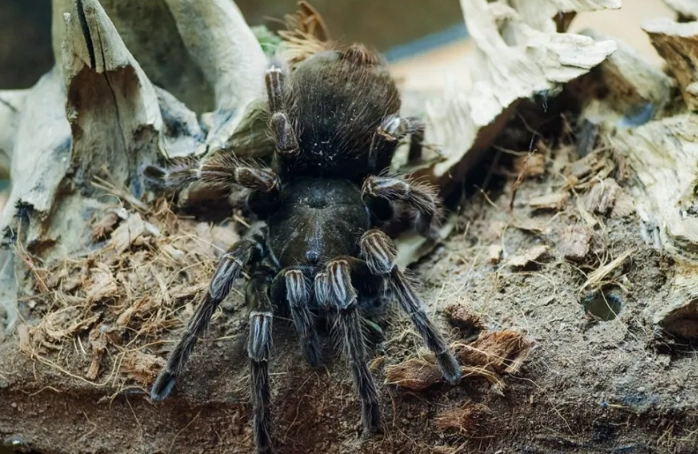
The classic Avicularia defense mechanism isn't a bite. It's a high-speed poop shot. No, really. When seriously startled, they can flick their abdomen and launch their feces with surprising accuracy. It's a deterrent aimed at the eyes of predators. It's messy and a bit shocking, but far preferable to a bite. They also have urticating hairs on their abdomen, but they use them less frequently than many New World terrestrial species.
Lifespan: This is a big consideration. Female Avicularia purpurea can live 8 to 12 years, sometimes more with excellent care. Males, as with most tarantulas, have a much shorter adult life, often only 2-3 years after their final molt. When you get a female sling (baby), you're making a long-term commitment.
The Non-Negotiables: Purple Bloom Tarantula Care Guide
Okay, let's get into the meat of it. How do you keep one of these purple beauties alive and thriving? I've seen too many failed setups because people treat them like a ground spider.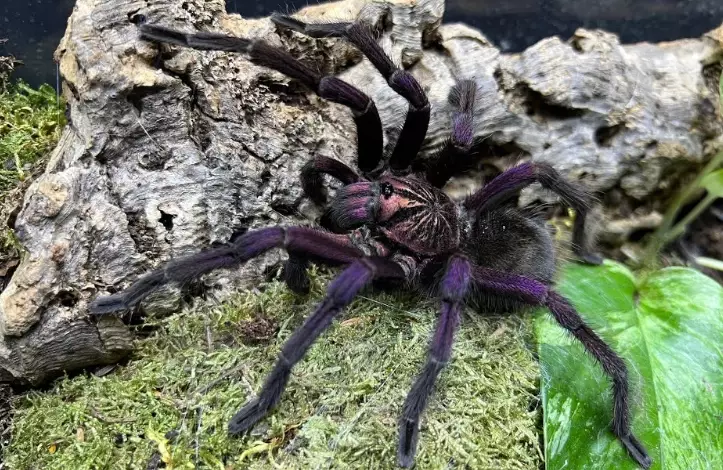
The Enclosure: Think Vertical, Not Horizontal
This is the most common mistake. A long, low reptile tank is a death sentence for humidity and doesn't suit their instincts. You need a tall enclosure.
For an adult Purple Bloom Tarantula, an enclosure that's at least 12x12x18 inches (30x30x45 cm) tall is a good starting point. Cross-ventilation is CRITICAL. Stagnant, stuffy air is the #1 killer of Avicularia species. You need lots of ventilation holes on the sides near the top and bottom to create a good air flow. Many keepers use modified acrylic display cases or specialized arboreal tarantula enclosures you can find online.
Substrate, Decor, and Humidity
Substrate: You only need 2-3 inches at the bottom. Its purpose is to hold moisture to boost humidity, not for burrowing. Use a moisture-retentive but mold-resistant mix. I use a 50/50 blend of coconut fiber (coir) and peat-free potting soil. Pack it down lightly.
Decor: This is where your spider will live 95% of the time. You must provide anchor points for webbing.
- A large piece of cork bark leaned against the back wall is perfect.
- Sturdy, non-toxic branches or vines arranged vertically.
- Fake or live plants (like Pothos or Bromeliads) can be added for cover and aesthetics. Live plants help with humidity too.
Your Purple Bloom Tarantula will choose a high corner or a gap behind the cork bark and begin spinning a dense, silken retreat. Don't be alarmed if it holes up in there for weeks at a time, especially pre-molt.
Humidity & Water: The "Avic Sudden Death Syndrome" horror stories often trace back to poor ventilation coupled with incorrect humidity. You don't want a wet, swampy enclosure. You want humid air.
- Keep the lower portion of the substrate slightly damp (not soggy). Pour water directly into a corner of the substrate every week or so.
- Provide a shallow water dish, preferably up high glued to the cork or glass. Yes, they will drink from it up high! Refill it with fresh water regularly.
- Good cross-ventilation will prevent condensation and mold while maintaining adequate humidity (aim for 70-80%). A light misting of the webbing once a week can encourage drinking, but don't soak everything.
Feeding Your Purple Bloom Tarantula
They're not picky eaters. Their diet in captivity is straightforward:
Primary Feeder: Gut-loaded crickets of appropriate size (no bigger than the spider's abdomen).
Variety Options: Dubia roach nymphs, discoid roaches, occasional mealworms or superworms (hold them with tweezers if the spider is up high).
Feeding Schedule:
- Slings (Babies): Offer a pinhead cricket or small roach nymph every 3-4 days.
- Juveniles/Adults: One or two appropriately sized feeders once a week is plenty. An adult female might only eat one large cricket per week.
Watch for a plump abdomen. If it's very round, you can skip a week. Overfeeding can lead to a dangerous fall if the abdomen ruptures. Remove any uneaten prey items after 24 hours.
Health, Molting, and Common Issues
Tarantulas are generally hardy, but problems do arise. Knowing the signs is key.
The Molting Process
This is how they grow. A Purple Bloom Tarantula will molt several times a year as a juvenile, slowing to once a year or less as an adult.
Pre-Molt Signs:
- Loss of appetite (can last weeks).
- Increased webbing and sealing itself in its retreat.
- The abdomen becomes very dark and shiny.
- Duller coloration overall.
During the Molt: DO NOT DISTURB. This is a vulnerable time. No feeding, no handling, don't even open the enclosure. They will lay on their back—this is normal, not dead! The process can take several hours.
Post-Molt: They'll be soft, pale, and extremely fragile. Their new exoskeleton (and that gorgeous purple color) will harden and darken over the next week or two. Do not offer food until their fangs are hard (usually 7-10 days). A freshly molted Purple Bloom Tarantula is breathtakingly colorful.
Potential Health Problems
| Problem | Symptoms | Likely Cause & Action |
|---|---|---|
| Dehydration | Shrunken abdomen, lethargy, difficulty moving, sitting in water dish. | Chronic low humidity or lack of water source. Gently place the spider's mouthparts near water. Review humidity and ventilation setup. |
| Falls & Injuries | Ruptured abdomen (leaking hemolymph), broken limbs. | Most common in tall enclosures with hard decor. Apply cornstarch or styptic powder to minor bleeds. Severe cases are often fatal. Prevention is key: use soft substrate and limit fall distance. |
| Parasites (Mites) | Tiny white/red moving dots on spider or in enclosure, spider constantly grooming. | Often introduced via contaminated substrate or feeders. Remove prey remains promptly. For severe infestations, move spider to a clean, bare ICU and completely clean enclosure. |
| Fungal/Bacterial Infection | Discolored, mushy spots on abdomen or joints, unusual lethargy. | Result of injury or excessively damp, stagnant conditions. Very difficult to treat. Isolate, ensure dry, well-ventilated conditions. Consult an exotic vet if possible. |
Honestly, most health issues are preventable with proper husbandry. Good ventilation, correct humidity, and appropriate feeding will keep your Purple Bloom Tarantula healthy for years.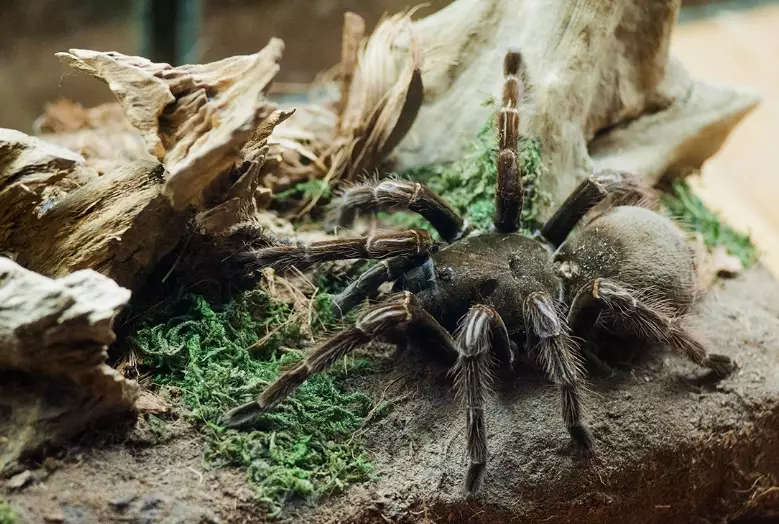
Is a Purple Bloom Tarantula Right For You? Comparing Options.
Maybe you're torn between a few species. That's smart. Let's compare the Avicularia purpurea to some other popular choices.
Purple Bloom Tarantula vs. Pink Toe Tarantula (Avicularia avicularia):
They're cousins. The care is nearly identical. The main difference is aesthetics. The classic Pink Toe has black body with pink toe tips. The Purple Bloom has that widespread, stunning purple sheen. Some find A. purpurea to be slightly more bold/less skittish, but it varies by individual.
Purple Bloom Tarantula vs. Mexican Redknee (Brachypelma hamorii):
This is an apples-to-oranges comparison. The Redknee is a terrestrial, burrowing species from arid scrubland. It's slower, hair-flicking is a primary defense, and it requires a dry substrate with a water dish and a hide. Completely different care. The Redknee is often the "classic" beginner tarantula, but the Purple Bloom offers a more active, visible, and arboreal experience.
Purple Bloom Tarantula vs. Greenbottle Blue (Chromatopelma cyaneopubescens):
The GBB is a terrestrial/webber, famed for its incredible blue legs and orange abdomen. It's extremely hardy, a prolific webber, and eats like a champ. It's also often more defensive/reactive than a typical Purple Bloom. Care is easier in terms of humidity (they like it dry), but they can be faster and more prone to threat postures.
My take? For a first-time keeper drawn to arboreals, the Purple Bloom Tarantula is a fantastic choice if you commit to the ventilation requirement.
Finding and Buying a Purple Bloom Tarantula
You're unlikely to find one at a big-box pet store. Your best bets are:
- Reputable Online Breeders/Sellers: This is where you'll find the healthiest captive-bred specimens. Look for sellers with strong reviews on forums or at exotic pet expos. They often sell "slings" (spiderlings) which are cheaper but require raising.
- Local Reptile/Exotic Pet Expos: A great way to see the spider in person, talk directly to the breeder, and bring it home safely.
- Specialty Exotic Pet Stores: Some independent stores may carry them.
What to Look For:
- Active movement (for an Avic), not lethargic.
- Plump, rounded abdomen (not shriveled).
- All limbs intact.
- Clear, bright coloration (for its age).
- Ask about its feeding response and last molt.
Price Range: Expect to pay anywhere from $50 to $150+ for a captive-bred specimen, depending on size (sexed female adults are most expensive), availability, and the breeder's reputation.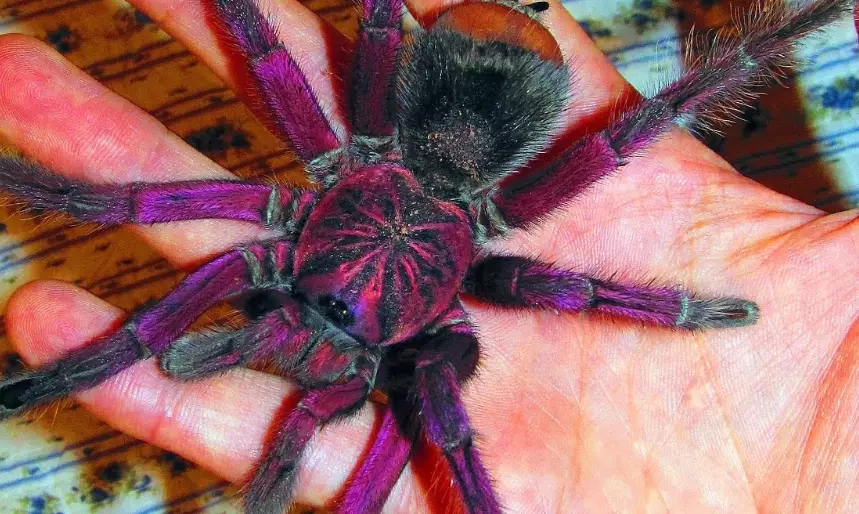
Your Purple Bloom Tarantula Questions, Answered.
I've scoured forums, groups, and my own DMs. These are the questions people actually ask.
Are Purple Bloom Tarantulas poisonous? Can they kill you?
This is the #1 fear. Their venom is considered mildly medically significant, comparable to a bee or wasp sting for most people. A bite would be painful, with local swelling, redness, and itching that could last for days. It is extremely unlikely to be fatal to a healthy adult. However, as with any animal venom, severe allergic reactions are possible but rare. The real risk is secondary infection from the puncture wound. Always clean a bite thoroughly. Honestly, the bigger risk is the spider getting hurt during a defensive bite. Their primary fangs are fragile.
Can you handle a Purple Bloom Tarantula?
This is controversial. Technically, yes, their temperament often allows it. Should you? It's not recommended as a regular activity.
Risks of Handling:
1. Falls: A fall from even a few feet can be fatal due to a ruptured abdomen.
2. Stress: The spider doesn't enjoy it. It tolerates it at best.
3. Bolting: They can be lightning fast and get lost or crushed.
4. Urticating Hairs: They can flick them, which can irritate your skin, eyes, or lungs.
If you must handle for enclosure transfers, do it sitting on the floor over a soft towel, keep movements slow, and let the spider walk on you—don't grab it. Never handle a molting, pre-molt, or recently fed spider.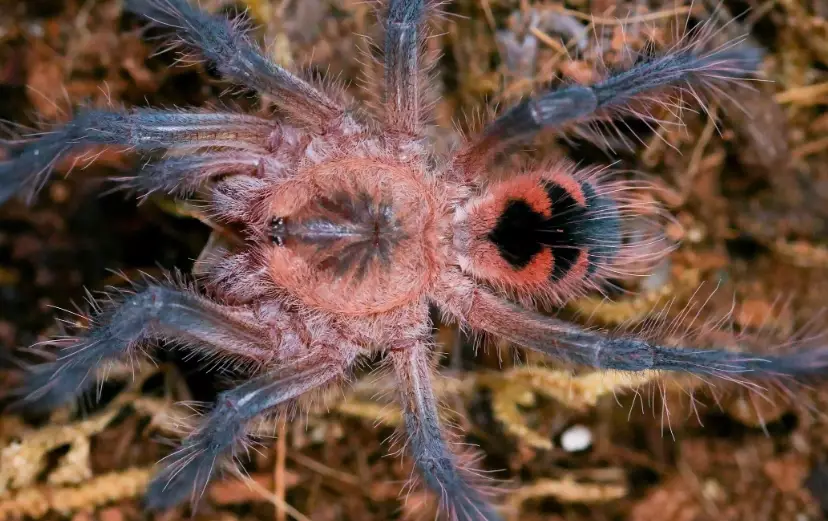
Why is my Purple Bloom Tarantula always hiding?
Perfectly normal. They are crepuscular/nocturnal and often spend days tucked in their silken retreat. They may become more visible at night. A hiding spider is a comfortable spider. Constant pacing on the walls can indicate stress, improper temps, or hunger.
Do they need a heat lamp?
Generally, no. If your home is comfortable for you (68-78°F or 20-25°C), it's fine for them. Do not use heat lamps or under-tank heaters designed for reptiles. These can cook and dehydrate a tarantula in its enclosed space. If your room is very cold, a small space heater for the room is safer than a direct heat source on the enclosure.
My spider hasn't eaten in a month. Is it dying?
Probably not. Tarantulas are champion fasters. Pre-molt fasts can last over a month for large juveniles/adults. As long as the abdomen isn't shriveling significantly, don't panic. Just keep offering food once a week and remove it if uneaten.
Final Thoughts and Responsible Keeping
The Purple Bloom Tarantula is a magnificent creature. It's not a cuddly pet, but a fascinating living display animal that teaches patience and observation. Its care is specific but not overly complex once you understand the ventilation-humidity balance.
Before you buy, do your homework. Read care sheets from multiple sources, including forums like Arachnoboards, which is an incredible repository of real keeper experience. Consider joining a community. The Entomological Society of America and other scientific organizations don't focus on pets per se, but their resources underscore the importance of understanding arthropod biology.
My personal journey with my Purple Bloom has been incredibly rewarding. Watching it design its web castle, the anticipation before a molt, the sheer beauty of it under the light—it's a unique hobby. But it's not for everyone. If you want a pet to hold and interact with daily, look elsewhere. If you want a stunning, low-maintenance (once set up) piece of natural art that demands respect and careful attention to detail, the Avicularia purpurea might just be your perfect purple match.
Just remember to drill those ventilation holes.
Comment