Quick Navigation
- From the Australian Outback to Your Home: Natural History & Looks
- The Big Question: Is a Black Headed Python a Good Pet Snake?
- Your Complete Black Headed Python Care Guide
- Black Headed Python Behavior & Handling: What to Expect
- Answers to Your Burning Questions (FAQ)
- The Final Word: Is This the Snake for You?
I remember the first time I saw a black headed python snake in person. It wasn't at some fancy expo, but in a friend's living room, coiled calmly in a beautifully set-up terrarium. That stark, jet-black head sitting on a body of creams, browns, and yellows – it was stunning, no other word for it. But more than its looks, I was struck by its demeanor. It just watched, curious but not nervous. That encounter sparked a deep dive into what makes these Australian natives tick, and more importantly, whether they make good pets for people like you and me.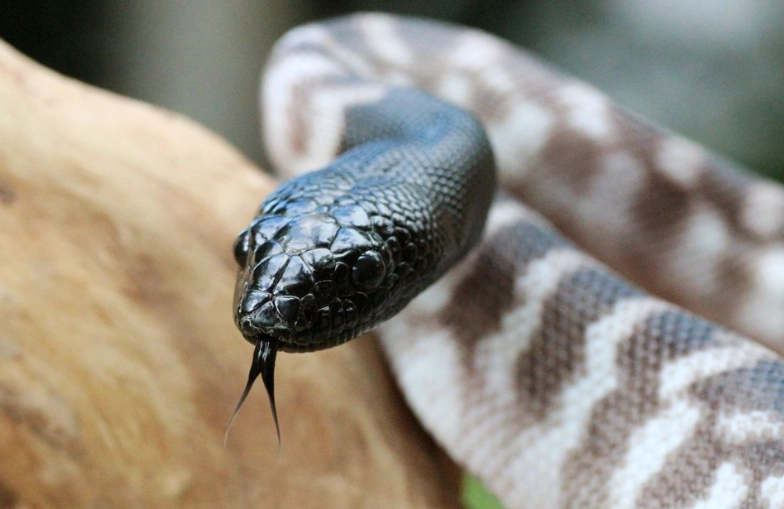
If you've landed here, you're probably past the "oh, that's a cool snake" phase and into the "can I actually live with one?" stage. That's a great place to be. Choosing a pet reptile is a big decision, and with so much conflicting info online, it's easy to get overwhelmed. Is the black headed python friendly? How big does it really get? What's the deal with their care – is it as hard as some forums make it sound?
Let's cut through the noise. This isn't a dry, scientific manual. Think of it as a long chat with someone who's spent years talking to breeders, keepers, and veterinarians about these animals. We'll cover everything from their quirky personalities to the nitty-gritty of heating pads and humidity gauges. By the end, you'll know if a black headed python is your perfect scaled companion or if you should keep looking.
From the Australian Outback to Your Home: Natural History & Looks
You can't really understand a pet without knowing where it comes from. The black headed python calls the rocky outcrops, arid shrublands, and even the edges of forests in northern Australia home. Think hot days, cooler nights, and not a ton of rain. This background is the secret decoder ring for their care needs later on.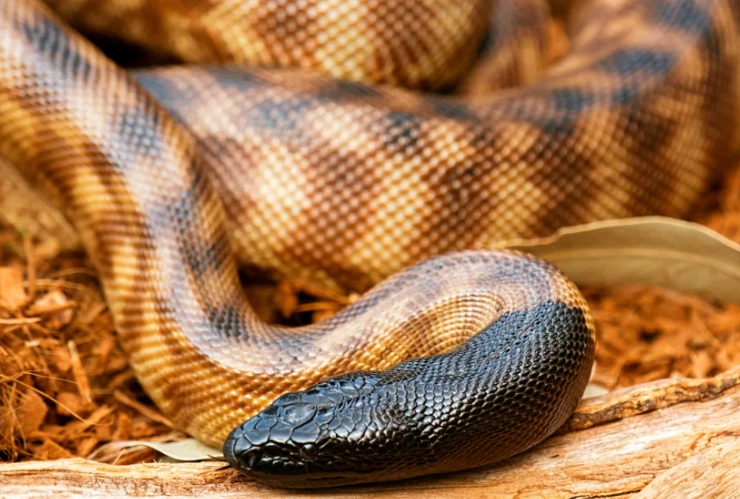
Physically, they're a medium to large constrictor. Adults typically range from 5 to 8 feet, with females generally being the bulkier, longer sex. I've seen some real behemoth females pushing close to 9 feet, but that's not the standard. Their build is muscular but not overly heavy like some of the giant pythons, giving them a powerful yet elegant look.
The coloration is where they truly shine. That black head isn't just a cap; it's a deep, velvety black that extends several inches down the neck. Then, it transitions into a beautiful pattern. The base color can be anything from a creamy tan to a rich brown, overlaid with darker bands or stripes. No two are exactly alike. The belly is usually a pale cream or yellow, often with some speckling.
They're sometimes confused with the woma python, a close relative. But the woma lacks the dramatic black head and has a different head shape. Once you've seen both, the difference is obvious.
Beyond the Standard: The World of Black Headed Python Morphs
If you've been browsing breeders' sites, you might have seen terms like "granite," "zebra," or "high yellow." Welcome to the world of morphs. In captivity, selective breeding has produced some incredible variations on the natural pattern.
These aren't different species, just genetic variations that affect color and pattern. A "granite" morph might have a speckled, salt-and-pepper appearance. A "zebra" has incredibly bold, high-contrast banding. The "high yellow" morphs amplify those beautiful golden tones.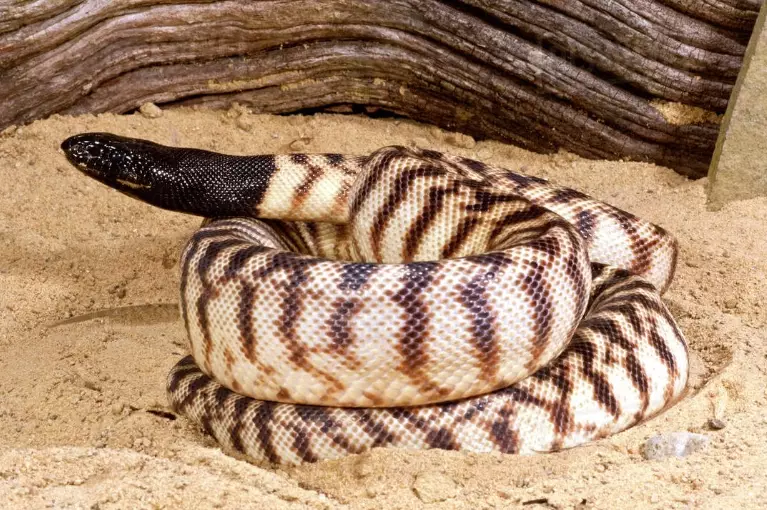
Here's my take: morphs are gorgeous, and they can be more expensive. But don't get so hung up on finding a rare morph that you forget about the animal's health and temperament. A healthy, well-adjusted standard black headed python from a good breeder is worth more than a stunning but nervous or problematic morph. Always buy the snake, not just the color.
The Big Question: Is a Black Headed Python a Good Pet Snake?
This is the million-dollar question, right? Let's break it down honestly. I've talked to dozens of keepers, from first-timers to experts, and the consensus is pretty clear, but with important caveats.
The Good Stuff (The Pros)
- Generally Docile Temperament: This is their biggest selling point. Most black headed pythons are remarkably calm and tolerant of handling once they've settled in. They're not known for being bitey or defensive like some other species can be. They're often described as "confident" or "inquisitive" rather than skittish.
- Manageable Size: While not a small snake, their 5-8 foot range is manageable for a dedicated keeper. You won't need a room-sized enclosure or three people to help with feeding (like with, say, a reticulated python).
- Stunning Appearance: Let's be honest, it's a factor. They are strikingly beautiful animals that are always a conversation starter.
- Relatively Straightforward Diet: They are mammalian feeders (think rats), which is easier to source than lizards or birds that some specialized snakes require.
- Good Feeding Response: They are typically eager eaters, which is a relief for new owners who worry about finicky snakes.
The Challenges (The Cons)
- Not Always a "Beginner Snake": Many care sheets label them as beginner-friendly. I think that's a bit generous. I'd call them a great second snake or a first snake for a very dedicated, well-researched beginner. Their care is more specific than a corn snake or ball python.
- Specific Humidity Needs: This is a big one. Coming from arid regions, they are prone to respiratory infections if kept too damp. Getting the humidity just right (low, but not too low) is crucial and can trip people up.
- Powerful Constrictors: They are strong. While not aggressive, a feeding mistake (like reaching into the tank when they're in "food mode") can result in a serious bite and wrap. You must use proper feeding tools and protocols.
- Long Lifespan: This is a pro and a con. You're making a 20-30 year commitment. That's a big part of your life.
- Initial Cost: The snake itself can be a few hundred dollars, and a proper permanent enclosure setup can easily run $500-$1000+.
So, who are they good for? In my opinion, they are perfect for someone who has maybe kept a corn snake or ball python for a few years and wants a more substantial, interactive, and visually distinct snake. They're for the keeper who enjoys the "husbandry puzzle" of getting temperatures and humidity perfect. They are not a low-maintenance, "set-it-and-forget-it" pet.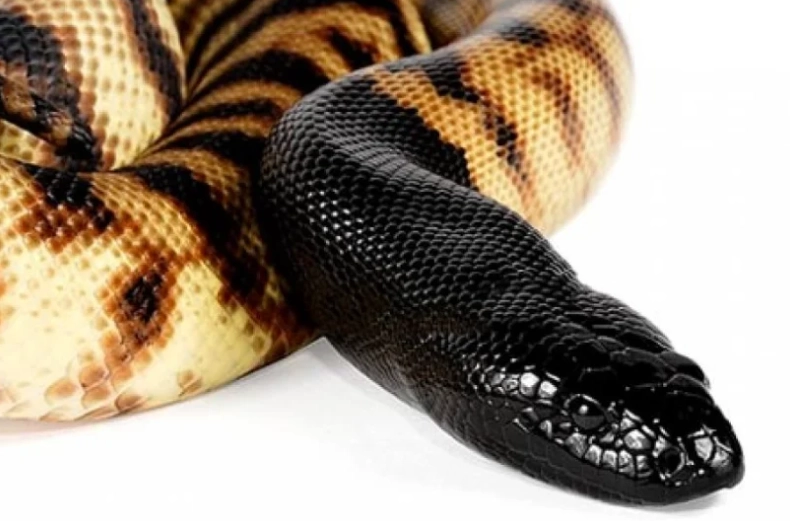
Your Complete Black Headed Python Care Guide
Alright, let's get into the weeds. This is the stuff that makes or breaks your success. I'll try to make it clear without being overwhelming.
Building the Perfect Enclosure: More Than Just a Tank
Think of the enclosure as your snake's entire universe. For an adult black headed python, you're looking at a minimum of a 4x2x2 foot enclosure (Length x Width x Height). Bigger is always better. A 6-foot-long enclosure is ideal for a large female. PVC cages are fantastic because they hold heat well and are easy to clean. Glass tanks can work but are terrible at retaining heat and humidity (which, for this species, is actually a good thing).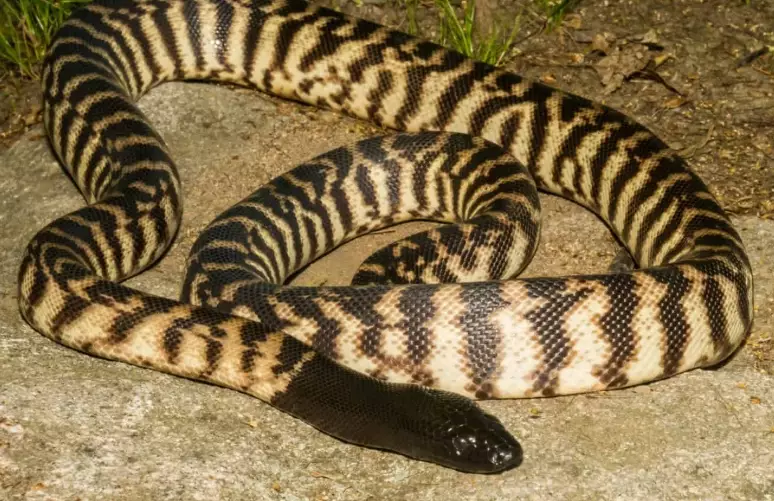
The setup isn't just about size. It's about creating a gradient – a warm side and a cool side – so your snake can thermoregulate.
| Enclosure Element | Specification & Tips | Why It Matters |
|---|---|---|
| Heating | Under-tank heat pad or radiant heat panel on one side. Use a thermostat! Basking spot: 88-92°F (31-33°C). Cool side: 75-80°F (24-27°C). Night drop to low 70s is fine. | Essential for digestion and metabolism. Unregulated heat sources can cause severe burns. |
| Lighting | No special UVB required, but a standard LED or low-output light on a 12-hour cycle helps establish a day/night rhythm. | Provides a consistent photoperiod, reducing stress. |
| Substrate (Bedding) | Dry, low-dust options: Aspen shavings, paper-based bedding, or even newspaper. Avoid damp substrates like cypress mulch or coconut fiber. | Prevents scale rot and respiratory issues. Easy to spot-clean. |
| Humidity | Keep it LOW: 40-50%. Use a digital hygrometer. Provide a humid hide (sphagnum moss in a closed box) for shedding only. | This is critical. High ambient humidity is the #1 cause of health problems in this species. |
| Hides & Enrichment | Two snug hides (one warm, one cool). Sturdy branches for climbing, flat rocks under the heat source. | Security reduces stress. They are semi-arboreal and enjoy climbing. |
You'll notice I'm hammering the low humidity point. It's that important. In my experience, more black headed pythons get sick from being kept like a tropical snake than from any other single factor.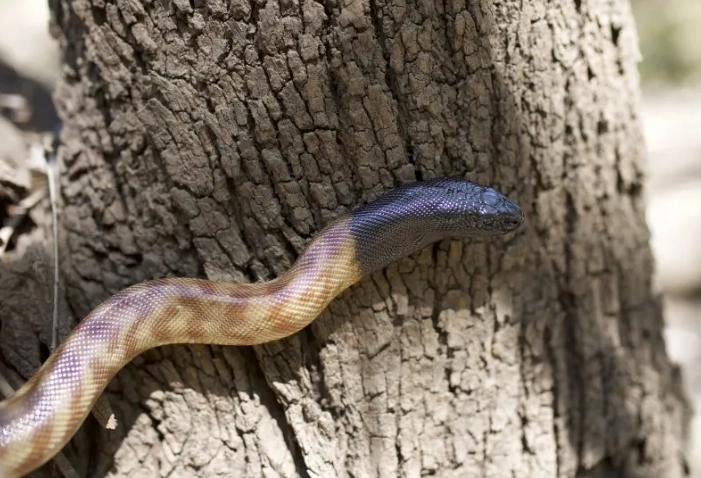
Feeding Your Black Headed Python: What, When, and How Much?
They are carnivores, and in captivity, we feed them pre-killed (frozen-thawed) rodents. This is safer for the snake and more humane for the prey.
A good rule of thumb is to offer a prey item that is roughly the same width as the widest part of the snake's body. For a juvenile, this might be a fuzzy or hopper mouse every 5-7 days. For a large adult, it could be a jumbo rat every 10-14 days. Obesity is a real problem in pet snakes, so don't overfeed. A slightly lean snake is a healthy snake.
What if they refuse a meal? Don't panic. Snakes can fast for various reasons: approaching shed, seasonal changes (even in captivity), or just not being hungry. If the snake is otherwise healthy and maintaining weight, skip a week and try again. Don't leave live prey unattended, and never re-freeze a thawed rodent.
Keeping Them Healthy: Common Issues to Watch For
With good care, black headed pythons are robust animals. But you need to know the warning signs.
- Respiratory Infection (RI): The big one. Symptoms include wheezing, bubbling at the mouth or nose, mucus, and holding the head up to breathe. Cause: Almost always humidity that's too high and/or temperatures that are too low. Action: See a reptile vet immediately. RIs are fatal if untreated.
- Mites: Tiny black or red parasites that look like moving dust. They cause lethargy and soaking in the water dish. Action: Quarantine, deep-clean the enclosure, and use a reptile-safe mite treatment.
- Stuck Shed (Dysecdysis): Incomplete sheds, often leaving patches, especially over the eyes (eye caps). Cause: Usually low humidity, but sometimes dehydration or underlying health issues. Action: Provide a humid hide. For a bad shed, a 15-20 minute soak in shallow, lukewarm water can help. Never peel the skin off yourself.
- Scale Rot: Blistering, discoloration, or sores on the belly scales. Cause: Consistently damp, dirty substrate. Action: Improve enclosure hygiene, switch to a drier substrate, and consult a vet for severe cases.
The single best thing you can do is find a good exotic or reptile veterinarian before you have an emergency. The Association of Reptilian and Amphibian Veterinarians (ARAV) has a fantastic online directory to help you locate a qualified professional. Bookmark it now.
Black Headed Python Behavior & Handling: What to Expect
You've got the home set up perfectly. Now, how do you actually live with this animal?
First, give a new snake a solid week, maybe two, of complete peace to settle in. No handling, just quiet, food, and water. This is a stressful time for them. Once they're eating regularly, you can start brief handling sessions.
Start with 5-10 minutes a few times a week. Be confident and supportive. Let the snake move through your hands; don't clutch or restrain it tightly. Most black headed pythons become quite tractable and seem to enjoy exploring outside their enclosure. They are known for being less "head-shy" than many snakes, meaning they don't jerk away as much if you gently touch their head.
That said, they are powerful. Always support their body, and never handle them for 48 hours after a meal to avoid regurgitation. And if they do ever bite and constrict (usually a feeding mistake), don't panic. Pour a small amount of cold water or rubbing alcohol (a tiny bit on a cloth) near their mouth – they will let go. It's unpleasant but effective.
Their activity is often crepuscular (dawn and dusk). You might see them cruising their enclosure, climbing, or basking. A hiding snake is a happy, secure snake, so don't worry if they're in their hide most of the day.
Answers to Your Burning Questions (FAQ)
The Final Word: Is This the Snake for You?
Let's wrap this up. The black headed python snake is an incredible animal. It's beautiful, intelligent, and can be a wonderfully interactive pet for the right person.
You might be a great fit if: You have some reptile experience (or are an exceptionally thorough beginner), you're detail-oriented about husbandry, you want a snake with presence and personality, and you're ready for a 20+ year commitment. You appreciate a snake that's a bit more of a "project" than the ultra-common species.
You might want to reconsider if: You want a completely hands-off, low-maintenance pet. If the thought of meticulously monitoring temperatures and humidity sounds like a chore, or if the initial investment and size give you pause. There's no shame in that—a corn snake or king snake might be a better starting point.
If you do take the plunge, do it right. Invest in the proper enclosure and equipment from the start. Find a good breeder. Locate a reptile vet. Join online communities (like the forums on Reptiles Magazine) to learn from others.
Owning a black headed python is a journey. There will be learning curves, maybe a missed meal or a perfect shed you're proud of. But for those who connect with them, they're more than just a pet; they're a fascinating window into the ecology of the Australian outback, right in your living room. Just make sure your living room is set up like a dry, warm corner of that outback first.
Good luck, and do your research!
Comment