Quick Guide
- The Real Colors of a Living Lobster (Hint: It's Not Red)
- When Science Gets Weird: The Rare and Unusual Lobster Colors
- The Great Color Change: Why Do Lobsters Turn Red When Cooked?
- Different Lobster Species, Different Palettes
- Your Burning Questions About Lobster Color, Answered
- The Bottom Line on Lobster Hues
Okay, let's get this out of the way right at the start. If your answer to "what color are lobsters" is a bright, fire-engine red, you're only thinking about the one on your dinner plate. I was the same way for years. I grew up thinking lobsters were born red, like some kind of nautical Santa's helper. The first time I saw a live lobster in a tank at a seafood market, I was genuinely confused. It looked dirty. A mottled, dark greenish-brown thing, nothing like the glorious crimson icon of luxury dining. That moment of confusion sparked a rabbit hole dive that completely changed how I see these creatures.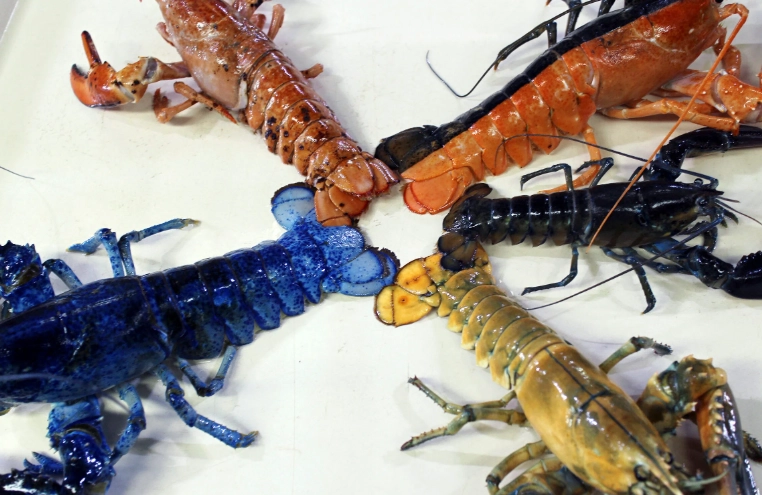
The truth is, the question "what color are lobsters" has a fantastically complex answer. It involves genetics, chemistry, diet, environment, and a good dose of culinary magic. It's a story of camouflage, rare genetic lotteries, and why boiling one is basically a science experiment happening in your pot.
Here's the core of it: Most lobsters in the wild are a blend of blues, greens, and browns—a perfect murky ocean floor camouflage. The famous red color only appears after they're cooked. And then there are the rare ones: electric blue, sunny yellow, ghostly white, even calico. Unraveling this is way more interesting than I ever expected.
The Real Colors of a Living Lobster (Hint: It's Not Red)
So, let's start with the living, breathing, ocean-dwelling lobster. If you could go scuba diving and spot one hiding under a rock, what would you see?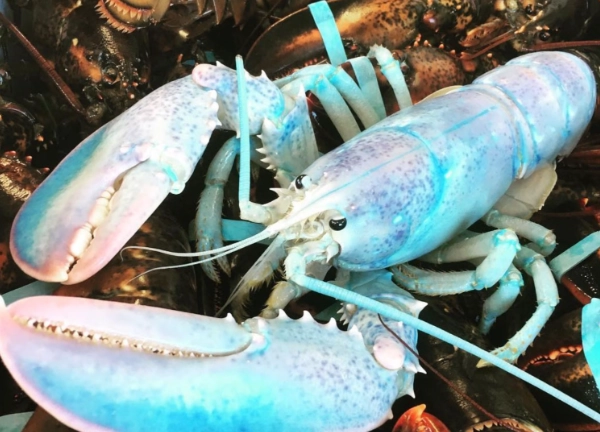
You'd most likely see a creature that's a master of disguise. The dominant color is a muddy, dark blend. Think greenish-brown. Or bluish-green. Sometimes with hints of orange or red speckles. This isn't a uniform color like a paint swatch; it's a complex, mottled pattern that mimics the shadows, rocks, and seaweed of the seafloor. The primary pigment in their shell is a blue protein called crustacyanin. But—and this is the key—that protein is bound to a red-orange molecule called astaxanthin, which the lobster gets from its diet (things like shrimp, algae, and other carotenoid-rich foods). When astaxanthin is tightly bound to crustacyanin, the blue dominates, creating those green and brown hues we see.
This camouflage is their first and best line of defense. A bright red lobster on the ocean floor would be a neon sign for every predator around. Evolution, as usual, is pretty smart about these things.
| Common Habitat | Typical Live Lobster Color | Why This Color? |
|---|---|---|
| Rocky Atlantic Seafloor | Dark Greenish-Brown, Mottled | Perfect camouflage against rocks and shadows. |
| Sandy or Muddy Bottoms | More Bluish-Grey Tones | Blends with the lighter, siltier environment. |
| Kelp Forest Areas | Greener, Olive Tones | Mimics the surrounding seaweed and plant life. |
I remember talking to a lobsterman in Maine once, and he put it perfectly: "People pay big money for that red shell on a plate. Out here, if I saw one that red in my trap, I'd think it was sick or something was seriously wrong." It really drives home the point that the lobster's "natural" state is anything but the color we associate with it.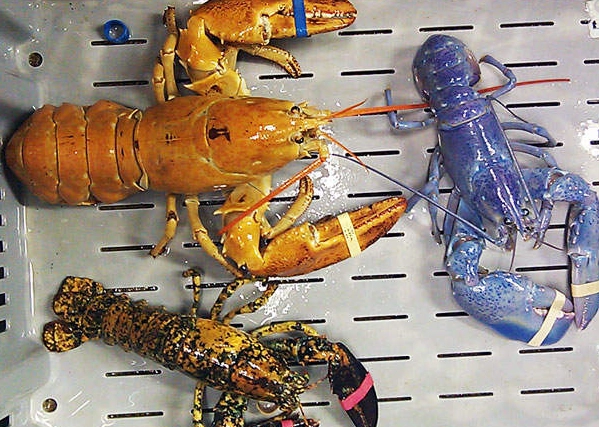
When Science Gets Weird: The Rare and Unusual Lobster Colors
This is where answering "what color are lobsters" gets really fun. Sometimes, genetics throws a curveball. The binding between the blue protein and the red astaxanthin gets messed up due to a genetic mutation. When that happens, the true colors shine through, and you get lobsters that look like they're from a different planet.
Let's break down the rare color morphs. It's like a lobster rainbow, but way more exclusive.
Blue Lobsters: The Celebrity of the Crustacean World
The blue lobster is probably the most famous of the rare ones. They're stunning—a vibrant, cobalt blue all over. This happens when a genetic defect causes the lobster to produce an excessive amount of the blue crustacyanin protein, completely overwhelming the red astaxanthin. It's not that they lack the red pigment; it's just completely dominated.
The odds are usually quoted as 1 in 2 million. I've seen reports from the Lobster Institute that suggest it might be slightly more common in some regions, but it's incredibly rare regardless. They're not a different species; they're just genetic unicorns. And no, they don't turn red when you cook them—they turn a more muted, whitish color because the blue protein still denatures.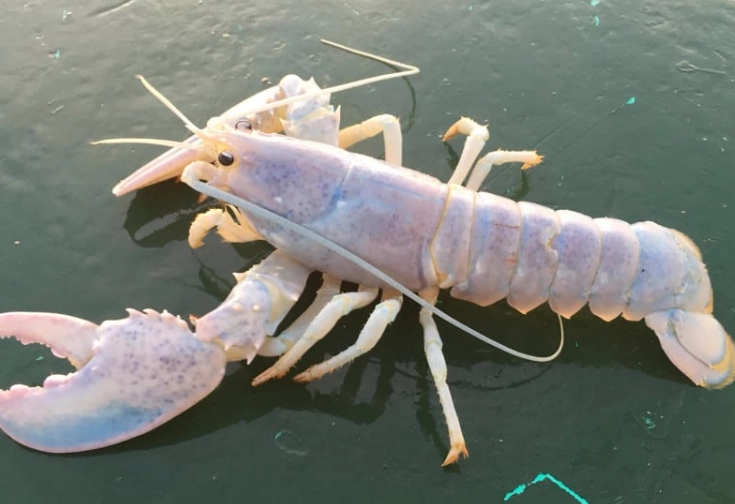
Personal aside: I got obsessed with seeing a blue lobster for a while. I spent hours watching videos of them being pulled up in traps. There's something magical about it. The lobstermen who find them often donate them to aquariums instead of selling them, which I think is pretty cool.
Yellow, Orange, and Calico Lobsters
If the blue lobster is a celebrity, the yellow lobster is its reclusive cousin. These are even rarer, at about 1 in 30 million. This mutation occurs when the lobster can't produce the blue crustacyanin protein at all, or produces very little. With the blue filter gone, the underlying yellow tones of other pigments (like astaxanthin in a different form) become visible. The result is a gorgeous, bright yellow lobster.
Then you have orange lobsters, which sit somewhere in the middle of the pigment production issue. And my personal favorites, the "calico" or "split-colored" lobsters. These are lobsters that are literally half one color and half another, perfectly split down the middle. It's a result of cellular mosaicism early in development—think of it like natural lobster twins that fused into one. The odds are astronomical, like 1 in 50 million or more. Seeing one is like finding a living Picasso painting.
The Ghosts: White and Albino Lobsters
This is the ultimate rarity. A true white, or albino, lobster lacks all pigments. No blue protein, no red astaxanthin, nothing. They are a translucent, milky white, sometimes with a hint of pale pink from their blood. Their eyes are typically pale as well. These are the true ghosts of the deep, with estimates placing their rarity at 1 in 100 million. They are extremely vulnerable in the wild because they have zero camouflage.
So, when someone asks "what color are lobsters," you can see why a simple answer just doesn't cut it.
The Great Color Change: Why Do Lobsters Turn Red When Cooked?
This is the magic trick. This is why everyone's mental image is wrong. You take this drab, greenish-brown creature, apply heat, and poof—vibrant red. It's not a dye or a trick; it's pure food chemistry.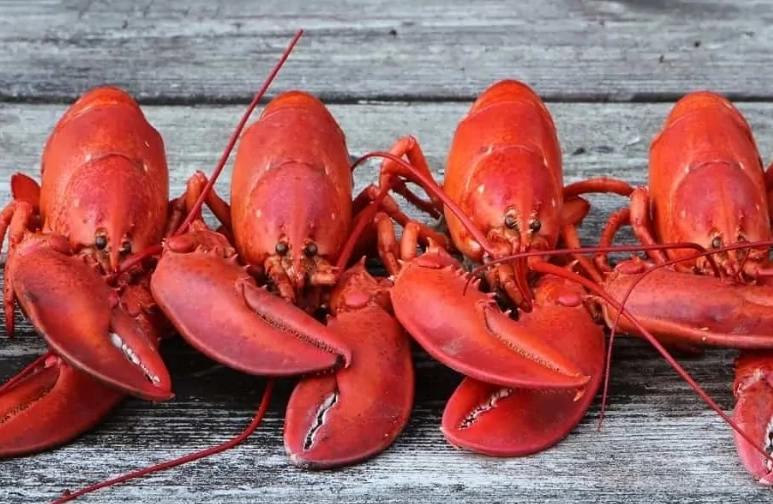
Remember that blue protein, crustacyanin, that's tightly bound to the red astaxanthin? Heat (from boiling, steaming, or grilling) denatures proteins. It unravels them. When crustacyanin gets hit with that heat, it unfolds and lets go of the astaxanthin molecule it was hugging so tightly.
Once freed, the astaxanthin reverts to its natural, unencumbered state: a bright red-orange. Since astaxanthin is spread throughout the shell, the entire shell transforms. The heat also breaks down other darker pigments, allowing the red to shine through unchallenged. It's a brilliant, universal reaction. Whether your lobster was blue, almost-black, or mottled green, if it has astaxanthin in its shell (which virtually all do from their diet), it will turn some shade of red when cooked.
Cooking Tip No One Tells You: The intensity of the red can actually vary a bit based on the lobster's diet. A lobster that's been feasting heavily on carotenoid-rich foods might turn a deeper, more vibrant red. It's a minor difference, but it's a neat little fact that connects their life in the ocean directly to your dinner plate.
I've tested this myself, by the way. Not with a rare blue one (I wish!), but with standard live lobsters. Watching the color change happen in real time in a pot of steaming water is still a bit mesmerizing, even knowing the science behind it. It feels like you're unlocking the creature's secret, true form—even though that's completely backward from biological reality.
Different Lobster Species, Different Palettes
We've mostly been talking about the classic American or Maine lobster (Homarus americanus). But "what color are lobsters" depends on which lobster we're talking about! The world of lobsters is more diverse than just the big-clawed North Atlantic kind.
- American/Maine Lobster (Homarus americanus): The star of the show. Live color: dark greenish-brown to bluish. Cooked: Bright red.
- European Lobster (Homarus gammarus): Very similar to its American cousin, perhaps with a slightly more bluish-purple tint when alive. Turns the same classic red.
- Spiny Lobsters (Family Palinuridae): These are the "warm water" lobsters without big claws. Their live colors are often more variable and spectacular—think spotted, striped, or patterned in oranges, yellows, and blues. The California spiny lobster, for example, can be a reddish-brown. They still often turn more red when cooked, but their base patterns can be much more vivid. The NOAA Fisheries website has great photos showing this diversity.
- Slipper Lobsters: These flat, weird-looking guys come in wild patterns of spots and stripes, often in sandy or reddish tones for camouflage on reefs.
So if you're ever on a tropical dive and see something brightly colored that looks lobster-ish, you're probably looking at a spiny or slipper lobster, not a genetic mutant of a clawed lobster.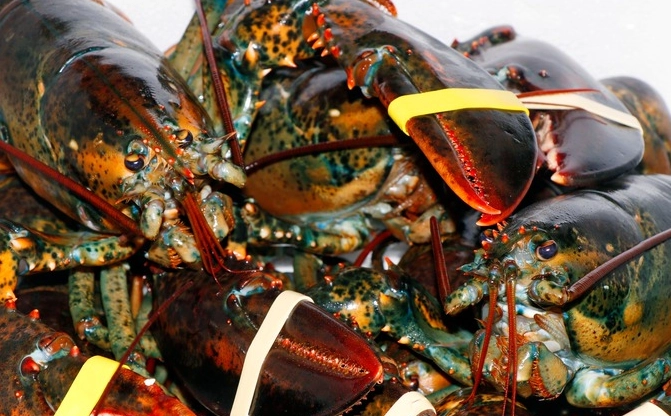
Your Burning Questions About Lobster Color, Answered
After digging into this for a long time, I've heard and asked every question under the sun. Here are the ones that come up again and again.
Not in the slightest. A blue lobster tastes exactly the same as a regular brown one. The color is all in the shell. The meat inside is the same white (with maybe some red coral in females) regardless of the exterior shell color. The taste is influenced by diet, freshness, and how it's cooked, not by shell pigment genetics.
This is a great question and a common worry. A live lobster should not be bright red in a tank. If it's starting to show pronounced red patches while alive, it can be a sign of stress, illness, or that it was previously exposed to high (but not cooking-level) heat. It's not a good sign. A healthy live lobster is camouflaged. Always pick the one that looks the most "dull" and active.
Not really. Color is primarily about genetics, diet, and environment. However, older, larger lobsters often have more scars and algae growth on their shells, which can make them look darker or more mottled. But a young lobster and an old one can both be the same basic greenish-brown.
It usually comes down to the specific pigments (types of carotenoids) the lobster accumulated from its unique diet. Some astaxanthin variants can lean more orange. The cooking method and time can also play a very small role. It's nothing to worry about.
See? The question "what color are lobsters" opens up a whole world of follow-ups.
The Bottom Line on Lobster Hues
We started with a simple question: what color are lobsters? We found a universe in the answer.
The standard live lobster is a master of disguise, wearing a cloak of blues, greens, and browns to vanish into the seafloor. The iconic red is a costume it only wears after the heat of cooking performs a chemical magic trick on its shell. And walking among these commoners are the genetic royalty—the stunning blues, the sunshine yellows, the ghostly whites, and the split-personality calicos—each a breathtaking reminder of nature's randomness.
Next time you see one, whether in a tank, on a dive, or on your plate, you'll see more than just a seafood item. You'll see a walking chemistry set, a genetic lottery ticket, and a creature whose true colors are far more fascinating than the simple red we've all been sold. I know I'll never look at a lobster the same way again. And honestly, that's the best kind of knowledge—the kind that makes the everyday world seem a little more weird and wonderful.
If you want to dive even deeper (pun intended), the Maine Department of Marine Resources has fantastic, scientifically sound resources on lobster biology. It's where I confirmed a lot of the nitty-gritty details about pigments and genetics. It's good to know the stuff you're talking about is backed up by real science, not just kitchen myths.
Comment