Quick Guide
- What Exactly Is a Basset Hound Lab Mix? Unpacking the Genetics
- The Bassador Temperament: Stubborn Love on Short Legs
- Living with a Basset Hound Lab Mix: The Daily Grind
- Basset Hound Lab Mix Health: What You Need to Watch For
- Is a Basset Hound Lab Mix the Right Dog for YOU?
- Finding a Bassador Puppy or Rescue
- Basset Hound Lab Mix FAQs: Your Burning Questions, Answered
- Final Thoughts: The Quirky, Lovable Compromise
You've probably seen the pictures online. Those soulful, droopy eyes combined with a goofy, friendly face. The Basset Hound Lab mix, often called a Bassador, looks like a cartoon character come to life. It's easy to fall in love with the idea of one. I get it. But before you get swept up in imagining this unique blend of two iconic breeds crashing on your couch, we need to have a real, down-to-earth chat.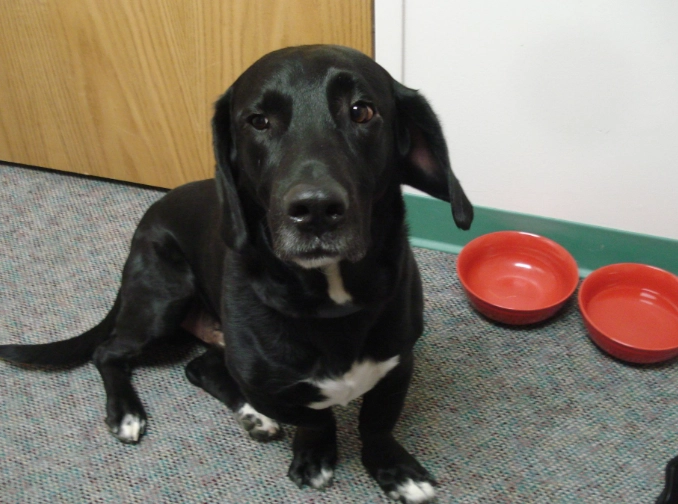
This isn't your average, high-energy Lab mix. Oh no. The Basset Hound brings its own... let's call it "deliberate" pace to the genetic table. What you get is a dog full of contradictions. A scent hound's stubborn independence wrapped in a retriever's desire to please (sometimes). A low-slung body with a surprisingly big heart. They can be incredibly sweet and utterly frustrating, often in the same hour.
I've talked to owners, spent time with a few of these charming oddballs, and sifted through a ton of breed info to put together what I wish I'd known before considering one. This isn't just a list of facts. It's a reality check. Is the Basset Hound Lab mix the right dog for you? Let's dig past the cute photos and find out.
Quick Take: The Bassador is a mixed breed dog, a cross between a purebred Basset Hound and a purebred Labrador Retriever. There's no breed standard, so predictability can be a roll of the dice. You might get more Lab, more Basset, or a perfect 50/50 blend of traits. That unpredictability is part of the adventure—and the challenge.
What Exactly Is a Basset Hound Lab Mix? Unpacking the Genetics
Mixing a Basset Hound and a Labrador Retriever isn't like blending two shades of paint. It's combining two very different canine histories and purposes. The Labrador Retriever, as most know, is the quintessential active family companion and working dog, bred for retrieving game in water and on land. They're energetic, biddable, and food-motivated. The American Kennel Club (AKC) describes them as friendly, active, and outgoing.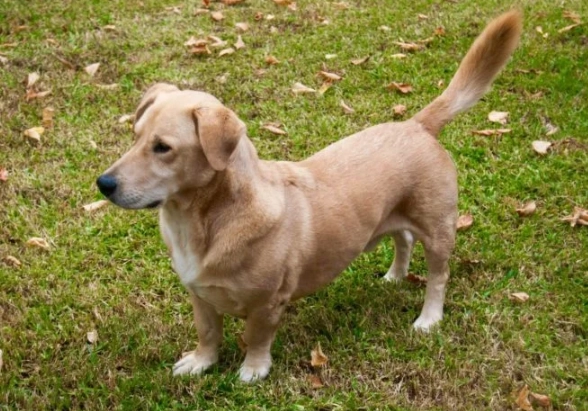
Then you have the Basset Hound. This is a serious scent hound, bred for endurance and a phenomenal nose to track small game like rabbits. They are independent, stubborn, and follow their nose above all else. The AKC notes their key traits as friendly, devoted, and tenacious—but that tenacity is a polite way of saying "once they get an idea, good luck changing their mind."
When you cross these two, the resulting Basset Lab mix inherits a wild card selection of traits. There's no governing body like the AKC for designer mixes, so the appearance, size, and temperament can vary wildly even within the same litter.
Honestly, that's why you see so many conflicting descriptions online. One person's Bassador is a lazy couch potato, another's is a mischievous explorer. They're both right.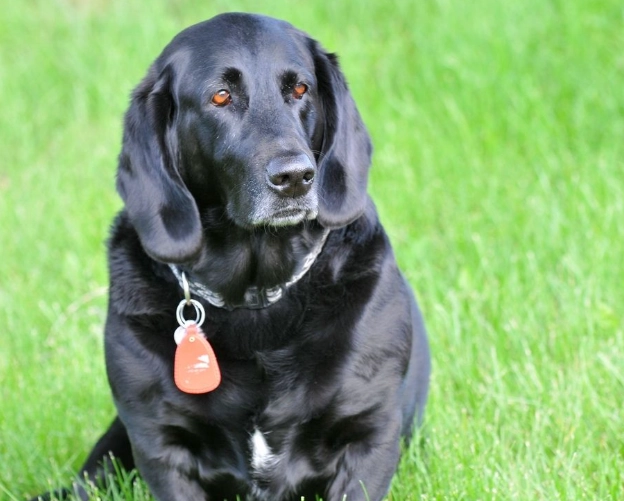
The Great Appearance Lottery: What Will Your Bassador Look Like?
This is where it gets fun. You can make some educated guesses, but be prepared for surprises. Most Basset Hound Lab mixes are medium-sized dogs, but their build is the real question.
- The Body: Most inherit the Basset's long, low-to-the-ground body and short legs to some degree. You rarely get the full, tall Labrador stature. The chest is often deep and broad. They are solid, substantial dogs, not delicate.
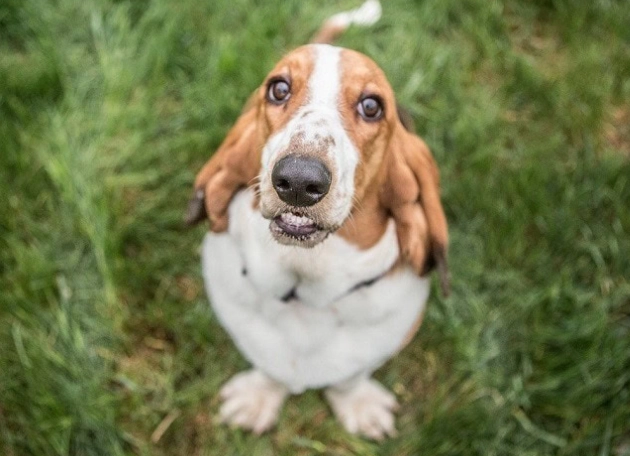
- The Head & Face: This is where the cartoonish charm comes in. You often get the long, velvety Basset Hound ears (prone to infections, but we'll get to that) and the soulful, droopy eyes. The muzzle might be shorter than a Lab's but not as extremely wrinkled as a pure Basset's. The expression is usually gentle and a little mournful.
- The Coat & Color: Thank the Lab for this one. The coat is typically short to medium-length, dense, and water-resistant. It sheds. Oh, does it shed. Expect Lab-like colors to dominate: black, chocolate, yellow, or fox-red. You might also see the classic Basset Hound tricolor (black, white, and tan) or bi-color patterns.
- The Tail: Often a cheerful, otter-like tail from the Lab side, but it might have a slight curve or be carried a bit lower.
I met one that looked like a Labrador that had been slightly squashed. Another looked like a Basset Hound wearing a Lab's coat. You truly don't know until they grow up.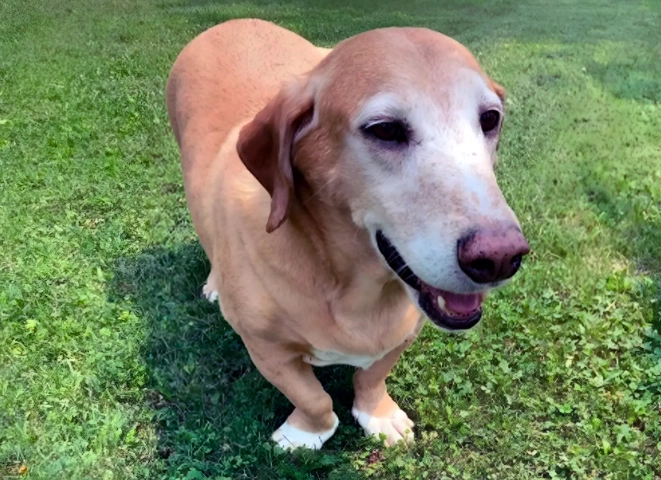
The Bassador Temperament: Stubborn Love on Short Legs
If you're looking for an easy-going, first-time dog that obeys every command instantly, a Basset Hound mix might test your patience. Their personality is a fascinating, sometimes challenging, blend.
| Trait | Inherited From Basset Hound | Inherited From Labrador | The Likely Bassador Blend |
|---|---|---|---|
| Energy Level | Low to Moderate. Built for endurance tracking, not speed. | High. Bred for retrieving all day. | Moderate. Needs daily activity but is not hyper. Prone to laziness if allowed. |
| Trainability | Low. Independent, stubborn, scent-driven. | Very High. Eager to please, food-motivated. | Moderate to Challenging. Smart but easily distracted by smells. Requires patience and high-value treats. |
| Social Behavior | Generally friendly, good with kids and other dogs. | Exceptionally friendly, social butterflies. | Typically Very Friendly. A major plus. Usually great with families, kids, and other pets. Not guard dogs. |
| Independence | High. Happy to do their own thing. | Low. Often velcro dogs, love being with their people. | Variable. Can be clingy or aloof. Often follows you room-to-room, then plops down and ignores you. |
| Vocalization | Famous for deep, melodic baying and howling. | Can be barky, but not known for howling. | Potentially Vocal. May bark alert and inherit the Basset's distinctive bay, which is LOUD and carries. |
That stubborn streak is real. A friend of mine has a Bassador named Gus. He knows "come" perfectly in the house. In the backyard? If he catches a whiff of a squirrel, it's like you've never spoken a word to him in your life. His nose goes down, and his ears turn off. Recall training is non-negotiable and requires constant reinforcement.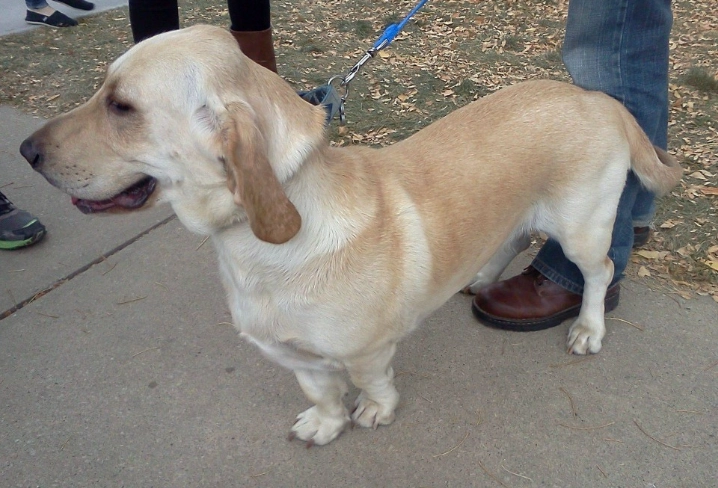
On the flip side, their generally sweet and clownish nature makes up for a lot. They are often described as "gentle," "loving," and "good-natured." They tend to be patient, which can make them excellent companions for gentle, older children. They're not typically nervous or aggressive.
Biggest Challenge Alert: The combination of a strong nose (Basset) and intelligence (both breeds) can make them master escape artists if they are bored or under-exercised. A secure, fenced yard is a must, and I mean secure. They can be surprisingly clever at figuring out latches or digging if motivated.
Living with a Basset Hound Lab Mix: The Daily Grind
Okay, so you're still interested. What's day-to-day life actually like?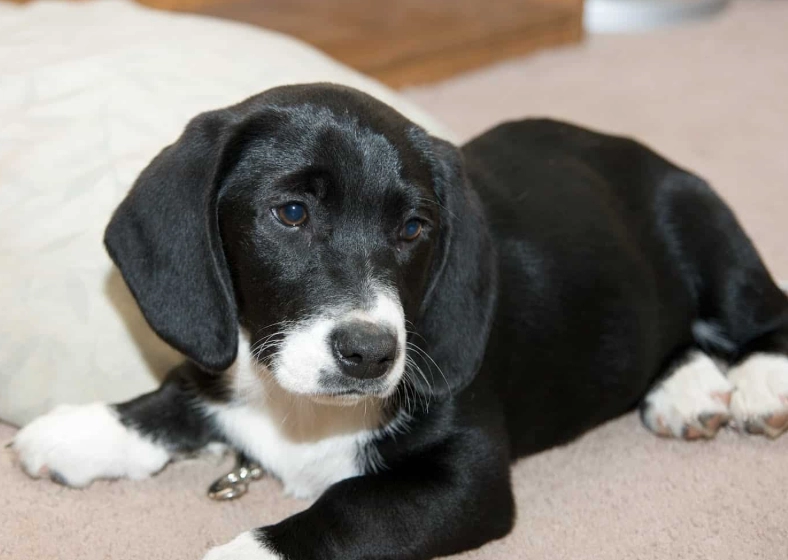
Exercise Needs: Not a Marathon Runner
This is one area where the Basset Hound mix can be a great fit for less active households—with a caveat. They need exercise, but it's more about mental stimulation and consistent routine than miles run.
- Daily Walks: Two 20-30 minute walks are usually sufficient. They love to sniff, so consider these "sniffaris" rather than power walks. Let them use their nose; it tires their brain.
- Playtime: They often retain the Lab's love for fetch, but in short bursts. A game in the yard is perfect.
- Mental Work: This is crucial. Food puzzles, snuffle mats, and training sessions are your best friends. A bored Bassador is a destructive Bassador.
- Swimming: Many inherit the Lab's love for water, but their short legs and long body can make them less graceful swimmers. Always use a canine life vest and supervise closely.
Don't be fooled into thinking they're complete couch potatoes. Without any outlet, they will find their own fun, and you probably won't like it.
Training Your Bassador: Patience is Not a Virtue, It's a Requirement
I can't sugarcoat this. Training a dog with hound DNA requires a specific mindset. You are not dealing with a border collie that lives to work. You are negotiating with a freelance contractor who is mostly in it for the paycheck (treats).
I remember trying to teach a basic "stay" to a Bassador puppy in a class. The second a tiny leaf blew across the floor ten feet away, it was like I vanished. The owner just laughed and said, "Yep, the nose is officially online." You have to laugh, or you'll get frustrated.
What works:
- High-Value Treats: Forget kibble. Use small pieces of cheese, chicken, or hot dogs. Their motivation is food and smells.
- Short, Positive Sessions: Five minutes of engaged training is better than twenty minutes of struggle.
- Start Early: Socialization and basic obedience (sit, come, leash manners) are essential from day one. Their stubbornness solidifies with age.
- Focus on the Important Stuff: A perfect "shake" is cute, but a reliable recall and rock-solid "leave it" command are life-saving for a scent-driven dog.
Consider enrolling in a positive reinforcement puppy class. The structured environment and socialization are invaluable. Resources from the AKC's training section offer great foundational tips that apply perfectly to mixes like this.
Grooming and Shedding: Prepare for Fur
That short coat is deceptive. Basset Hound Lab mixes are shedders. You will have dog hair on your clothes, in your car, and probably in your coffee. It's a fact of life.
- Brushing: A good rubber curry brush or a deshedding tool like a Furminator used 2-3 times a week will control the worst of it.
- Bathing: Only as needed. Over-bathing can strip their natural oils. Use a dog-specific shampoo.
- The Ears: This is critical. Those long, floppy ears trap moisture and dirt, creating a paradise for yeast and bacteria. Check and clean them weekly with a vet-approved ear cleaner. Look for redness, odor, or excessive wax. This simple routine prevents painful and costly infections.
- Nails & Paws: Keep nails trimmed to avoid discomfort. Check paw pads for cracks, especially if they inherit the Basset's looser skin around the feet.
Basset Hound Lab Mix Health: What You Need to Watch For
Mixed breeds can benefit from hybrid vigor, but they are not immune to the health issues common in their parent breeds. Being informed is key to prevention and early detection. Reputable breeders should test their parent dogs for these conditions.
Proactive Care Tip: Ask any breeder for the Orthopedic Foundation for Animals (OFA) or PennHIP certification numbers for the parent dogs' hips and elbows. This screening for dysplasia is one of the most important health checks for both parent breeds. You can verify these on the OFA website.
Here are the top health concerns for a Basset Hound Lab mix:
- Hip and Elbow Dysplasia: A malformation of the joints that can lead to arthritis and pain. The risk comes from both sides. Maintain a healthy weight and avoid excessive jumping, especially as a puppy.
- Intervertebral Disc Disease (IVDD): The Basset Hound's long back is a vulnerability. A Bassador can inherit this structure. Symptoms include pain, reluctance to jump, wobbliness, or even paralysis. Use ramps for furniture/cars, discourage jumping, and keep them lean.
- Ear Infections: As mentioned, the number one maintenance issue. Be vigilant.
- Bloat (Gastric Dilatation-Volvulus): A sudden, life-threatening condition where the stomach fills with gas and twists. Deep-chested dogs are at higher risk. Feed two or three smaller meals a day instead of one large one, avoid vigorous exercise right after eating, and know the symptoms (restlessness, drooling, unproductive retching).
- Eye Conditions: Both breeds can be prone to issues like glaucoma, cataracts, or ectropion (droopy eyelids). Regular vet checks should include an eye exam.
- Obesity: This is a MAJOR, owner-induced risk. Both Labs and Bassets love food and can easily become overweight, which exacerbates every other joint and health problem. You must control portions and treat intake strictly.
Pet insurance for a mixed breed like this is something I'd seriously consider. A single surgery for IVDD or dysplasia can cost thousands.
Is a Basset Hound Lab Mix the Right Dog for YOU?
Let's be brutally honest. This mix isn't for everyone.
You might be a great fit for a Bassador if:
- You want a loving, generally low-energy companion.
- You have a securely fenced yard.
- You are home a fair amount (they don't like being alone for extremely long stretches).
- You have patience for stubborn, scent-driven training sessions.
- You don't mind dog hair and weekly ear maintenance.
- You can commit to keeping them at a healthy weight.
Sound good so far?
You should probably reconsider a Basset Hound Lab mix if:
- You need a dog for running, hiking, or high-energy activities.
- You live in an apartment without easy outdoor access (their potential for vocalizing can be an issue).
- You are a first-time owner expecting an easy-to-train dog like a pure Lab.
- You have a very strict, immaculate home (shedding, drool, possible muddy paws).
- You get easily frustrated by a dog that chooses to ignore you.
Finding a Bassador Puppy or Rescue
If you've read this far and are still nodding along, the next step is finding your dog. Please, do it responsibly.
Adoption First
Check local shelters and all-breed rescues. You can also search on Petfinder or Adopt-a-Pet.com using "Basset Hound mix" or "Labrador mix" as your search terms. You'd be surprised how many unique mixes end up in shelters. Adult dogs are often a great choice, as their personality and size are already known.
Choosing a Breeder (If You Go That Route)
This is tricky because "designer dog" breeders run the gamut from excellent to awful. Red flags are easy to spot: multiple litters always available, no health testing on parents, no questions asked about you, puppies shipped without meeting you.
A good breeder of Basset Hound Lab mixes will:
- Only have a litter when they plan to, not constantly.
- Show you health clearances for BOTH parent dogs (hips, elbows, eyes, cardiac).
- Let you meet at least the mother dog.
- Raise puppies in their home with proper socialization.
- Ask you many questions and want the puppy back at any time if you can't keep it.
- Be knowledgeable about both parent breeds' pros and cons.
The price should reflect this care. Expect to pay a significant amount, comparable to a well-bred purebred from a reputable source.
Basset Hound Lab Mix FAQs: Your Burning Questions, Answered
How big do Basset Hound Lab mixes get?
Most are medium-sized. Weight typically ranges from 40 to 70 pounds. Height at the shoulder is usually between 12 and 18 inches—much shorter than a Lab but longer in the body. They are dense and solid, so don't let the short stature fool you.
Are Basset Hound Lab mixes good with cats?
It depends heavily on early socialization and the individual dog's prey drive. The Basset hound was bred to track small animals, and the Lab has a retrieving instinct. A Bassador raised with a cat from puppyhood can be fine, but introductions to resident cats should be very slow and controlled. Never leave them unsupervised until you are 1000% confident.
How long do Basset Hound Lab mixes live?
With good care, a healthy diet, and proactive vet care, you can expect a lifespan of 10 to 14 years. Keeping them lean is the single biggest factor in maximizing their healthspan.
Do they drool a lot?
It varies. Some inherit the Basset's looser lips and can be drooly, especially after drinking or when anticipating food. Others take after the tighter-lipped Lab. It's wise to keep a "slobber towel" handy just in case.
Can they be left alone during the workday?
They can adapt to a regular schedule, but they are social dogs and prone to boredom. An adult Bassador might be okay for a standard 8-hour workday if they are properly exercised before and after, and have safe chews or puzzles. A puppy cannot. Separation anxiety can be an issue if not trained for independence gradually. Doggy daycare or a midday walker can be great solutions.
Final Thoughts: The Quirky, Lovable Compromise
Owning a Basset Hound Lab mix is an exercise in embracing contradiction. You get a dog that wants to be with you but might not always listen to you. A dog that looks like it should be lazy but needs mental challenges. A dog whose most reliable feature is its unreliability—in the most charming way possible.
They are not the perfect dog for a perfectionist. But for someone who values companionship over obedience, who enjoys a dog with a strong personality and a gentle heart, and who is willing to put in the work on training and maintenance, a Bassador can be an incredibly rewarding friend.
Do your homework. Meet some if you can. And if you decide to bring one of these unique characters home, buckle up for a funny, furry, and unforgettable ride. Just make sure you have a good vacuum and a lifetime supply of ear cleaner.

Comments
Leave a Comment