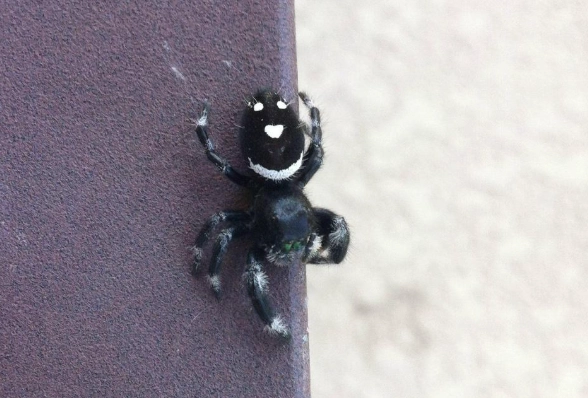
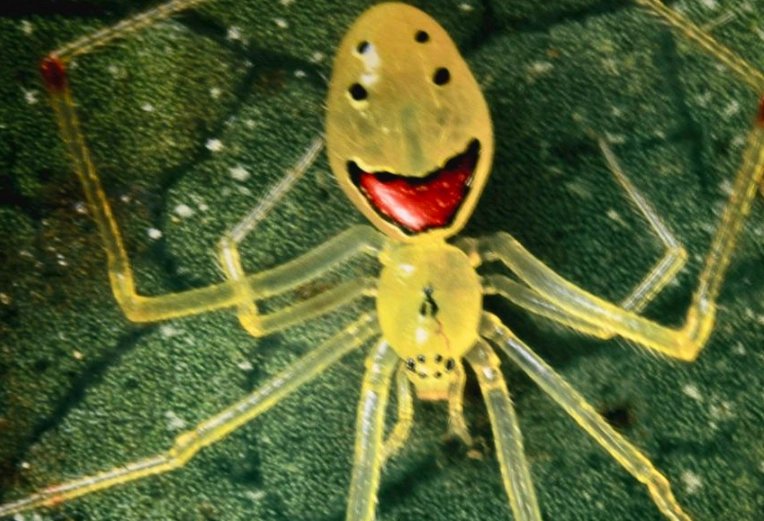
You know how it goes. You're scrolling through TikTok or Instagram Reels, and suddenly you hear it – this weird, slightly off-kilter, digital *boing* or *blorp* sound, often paired with a cartoon spider wearing a big, goofy grin. That, my friend, is the spider smiley face sound in the wild. It's one of those things you don't search for until you've heard it for the tenth time and finally need to know what the heck it is. I was in the same boat a while back. I kept hearing it in edits, meme compilations, and even in some surprisingly well-made indie game trailers. The curiosity got the better of me, and I went down a rabbit hole so you don't have to. Let's get the basics out of the way first. The term "spider smiley face sound" doesn't point to one single, official audio file. It's more of a cultural label for a specific type of sound effect that got married to a specific visual – the smiling spider – through internet alchemy. When people search for it, they're usually looking for that quirky, synthetic noise that makes you think of old video games or early 2000s flash animations. It's bouncy, it's a bit silly, and it's incredibly sticky (pun not intended, but welcomed). The Core Idea: At its heart, the spider smiley face sound is an auditory meme. Its meaning is entirely context-dependent. In one video, it might signal something creepy but funny. In another, it could be the punchline to a surreal joke. Its power comes from its ambiguity and its distinct, recognizable texture. This is where it gets fuzzy, and honestly, a bit frustrating if you're looking for a single, neat answer. The internet has a way of obscuring origins. The visual of a smiling cartoon spider is everywhere – it's a classic clip art image, a staple of Halloween decor, and a recurring character in old web comics. The sound, however, seems to have a life of its own. After digging through forums, old SoundCloud accounts, and even some archived flash game sites, the most plausible origin story points to royalty-free or stock sound effect libraries. Think about those packs with names like "5000 Cartoon SFX" or "Wacky Game Sounds." The specific spider smiley face sound has the hallmarks of a sound from such a collection: short, loopable, synthetic, and designed to be generic enough for multiple uses. It sounds like it could be the "jump" sound for a character in a low-budget platformer or the "item get" noise in a puzzle game. I remember finding a similar sound in an old, freeware game development tool I tinkered with years ago. It wasn't labeled "spider" anything, of course. It was probably called "boing_003.wav" or "cartoon_bounce.aiff." The marriage to the spider image was almost certainly a happy accident created by some anonymous internet user. They needed a sound for their smiling spider GIF or video, plucked this one from the depths of a free library, and a meme was born. The Know Your Meme website, while it doesn't have a dedicated page for this specific audio meme (yet), is full of similar stories where a random sound and image fuse together into something new. It's a classic case of the internet's collaborative creativity. No single person owns it. It's ours now. Not every sound effect from a free pack goes viral. So what gives? Why is the spider smiley face sound so effective? I think it boils down to a few key ingredients. First, there's the incongruity. Spiders, for many people, trigger a fear or disgust response. Putting a big, cheerful smile on one creates a cognitive dissonance that's inherently funny. The sound amplifies this. It's not a scary skitter or a hiss; it's a playful *boop*. This contrast is comedy gold in short-form video. Second, the sound itself is acoustically distinctive yet sonically simple. It's usually a short waveform, often with a quick pitch bend (starting slightly higher and falling, or vice-versa). This makes it incredibly memorable and easy to parody or remix. You hear it once, and your brain files it away. This simplicity also means it doesn't clash with background music or dialogue; it sits on top of the audio mix perfectly. Finally, it's versatile. Because it's not tied to a specific meaning from a famous movie or game, creators can project their own meaning onto it. Is the spider smiley face sound representing a silly thought? A weird discovery? An awkward situation? It can be all of those things. This utility is its greatest strength. In the fast-paced world of meme creation, a flexible asset like this is priceless. Here's something important: there is no one true "spider smiley face sound." What you find when you search will be a family of related sounds. Some are higher-pitched, some have more reverb, some have a longer tail. They're all spiritual successors. I've compiled the most common types you'll encounter based on my own deep dives into meme pages and audio subreddits. See? The spider smiley face sound ecosystem is more diverse than you might think. The "Classic Boing" is probably what 70% of people are imagining when they search for it. This is the practical part, the stuff you probably came here for. Let's talk about how to get your hands on a version of the spider smiley face sound and use it without getting into trouble. Pro Tip First: Always, *always* check the license or terms of use for any sound you download, even if it's labeled "free." The last thing you want is a copyright strike on your video because you grabbed a sound from a shady site. Here’s my recommended game plan, based on what you want to do: Don't overcomplicate it. The easiest way is to use the built-in sound libraries on the platforms themselves. You need a higher-quality, reliably sourced file here. You don't want background noise or compression artifacts. A Quick Warning: I've seen people try to sell "the official spider smiley face sound" on some digital marketplaces. It's a scam. There is no official version. Anyone claiming to own and sell the original is likely just repackaging a free sound from a library. Don't waste your money. Once you have your file, using it is straightforward. Drop it into your video or audio editor at the moment the visual of the spider (or the humorous beat) appears. Adjust the volume so it's audible but doesn't overpower everything else. Sometimes, less is more. This is my favorite part. The spider smiley face sound has leaked out of its meme container and into other corners of culture. It's a sign of true saturation. I've heard it used unironically in children's educational apps as a positive reinforcement sound. Think "correct answer!" accompanied by a smiling spider graphic. It works because the sound is inherently friendly. Some independent game developers have embraced it as an aesthetic choice. I played a quirky puzzle game on itch.io last year where collecting a key item made this exact sound, and it felt perfectly fitting for the game's handmade, slightly janky charm. It wasn't labeled as a meme reference; it was just the right sound for the job. It's even popped up in contemporary electronic music. Lo-fi hip-hop producers and glitch artists sometimes sample these kinds of iconic internet sounds as percussive elements or melodic hooks. On platforms like SoundCloud, you can find tracks that weave the familiar *boing* into a complex beat, transforming it from a joke into a texture. This bleed-over is what makes studying internet culture so fascinating. Things don't stay in their lane. Let's tackle the specific questions people have. I'm basing these on actual search suggestions and forum queries. This is the million-dollar question. The answer is complicated. The original source sound, likely from a royalty-free library, is probably free to use. However, the specific *meme version* that circulates on social media has been edited, re-uploaded, and processed by thousands of people. Its copyright status is a murky soup. The safest path is to not use the exact file you ripped from a TikTok. Instead, go back to the source: find a similar "cartoon boing" sound on a legitimate royalty-free site (Freesound, Pixabay, etc.) with a clear CC0 or similar license. That way, you have a clean legal standing. You can, but you're rolling the dice if you use a direct rip from a social media platform. YouTube's Content ID system might not flag it, as it's not a major label song, but it's possible. Using a sourced sound from a royalty-free library, as mentioned above, virtually eliminates this risk. If you're monetizing your videos, taking the extra 10 minutes to find a clean source is non-negotiable. No single app "makes" it. The sound existed before the apps. However, many video and meme editing apps have sound libraries that contain it or something very similar. Look for apps like CapCut, InShot, or even Instagram's built-in editor. Search their sound effects for "boing," "spring," or "cartoon." You'll find candidates. Also, some keyboard apps or notification sound packs might include variations of it. Pure association. The sound became permanently linked to images and GIFs of smiling cartoon spiders through repeated pairing in memes. The mind connects the two. Now, even if you hear the sound without the image, a part of your brain might picture the spider. It's a classic Pavlovian internet response. Look, the spider smiley face sound isn't high art. It's a silly little noise. But its story is a perfect microcosm of how modern internet culture works: obscure origins, community-driven adoption, creative remixing, and eventual mainstream seepage. It solves a problem for creators – the need for a specific, quirky audio cue – and does it with personality. Will it last? Maybe not in its current form. Memes evolve and die. But the *type* of sound it represents – short, synthetic, emotionally ambiguous, and highly versatile – will always be in demand. The next "spider smiley face sound" is probably sitting in a free SFX pack right now, waiting for its perfect visual match to be discovered by some bored, creative person online. So next time you hear that familiar *blorp*, you'll know you're not just hearing a random effect. You're hearing a tiny piece of collaborative digital history. A history that's still being written, one meme at a time. And if you're trying to use it, just remember: source responsibly, use it cleverly, and have fun with it. That's what it's there for.Quick Guide

Untangling the Web: Where Did This Sound *Actually* Come From?
Why Did It Blow Up? The Psychology of a Viral Sound

The Many Faces (and Sounds) of the Meme
Sound Variant Name (Community-Given)
Typical Description
Common Use Case
Where You Might Find It
The Classic Boing
A short, synthetic "boing" or "bloop" with a quick decay. The most common version.
General meme edits, reaction videos, punctuating a funny moment.
TikTok, Instagram Reels, YouTube Shorts.
The Synth Bounce
A slightly longer, more melodic bounce that sounds like an old video game synth.
Gaming compilations, retro-style animations, transition sounds.
Twitch streams, gaming TikTok, indie game dev previews.
The Distorted Grin
The same core sound but with bitcrush, distortion, or heavy compression added.
"Cursed" or glitch-style memes, surreal humor, creepy-pasta edits.
Weird side of YouTube, specific Discord channels.
The Ambient Echo
Layered with reverb and echo, making it sound distant and spooky.
Storytime videos ("and then I saw it..."), atmospheric horror memes.
Horror meme accounts, Reddit story narrations.
Okay, I'm Convinced. How Do I Actually Get and Use This Sound?
For Casual Use (Social Media Stories, Memes with Friends)
For Content Creation (YouTube Videos, Streams, Podcasts)
Beyond the Meme: Unexpected Places You'll Hear the Sound
Frequently Asked Questions (The Stuff You're Actually Typing Into Google)
Is the spider smiley face sound copyright free?
Can I use the spider smiley face sound on YouTube?
What app makes the spider smiley face sound?
Why is it called spider smiley face sound?
Final Thoughts: The Legacy of a Digital Bloop
The spider smiley face sound isn't about where it started, but about where it ended up: in the middle of our collective online sense of humor.
The journey from a free sound effect to a meme staple to a genuine cultural artifact is a uniquely internet story.
Comment