Let's cut right to the chase. If you're staring at your empty tank or looking at your lonely flowerhorn and thinking, "Hey, that parrot fish at the store looks cool and peaceful," I need you to pause. Take a deep breath. This is one of the most common questions I see online, and honestly, it usually comes from a good place. People want a lively, diverse tank. But mixing these two is like trying to house a territorial bulldog with a timid, oddly-shaped poodle. It's a recipe for stress, injury, and heartache. The short, no-nonsense answer? No, parrot fish and flowerhorns should not live together in the same aquarium. It is strongly discouraged by experienced aquarists for a mountain of good reasons. Asking "can parrot fish live with flowerhorns?" is the right first step, but the answer you find should steer you away from the idea. I've kept both species separately for years, and I've seen the aftermath of attempted cohabitation in friends' tanks. It rarely ends well. This article isn't just about saying no. It's about explaining why it's such a bad idea, what happens if you ignore the warnings, and most importantly, showing you much better, safer options for both your flowerhorn and your parrot fish. Quick Reality Check: If a fish store employee tells you it's fine to put a parrot fish with your flowerhorn, be very skeptical. They might be more interested in a sale than the long-term welfare of your fish. The compatibility issues are well-documented in the hobby. To understand why they clash, you need to know what you're dealing with. They're both cichlids, which is like saying wolves and coyotes are both canines. Related, but with wildly different temperaments and needs. Parrot fish, specifically the Blood Parrot Cichlid, are man-made hybrids. That weird, beak-like mouth that can't fully close? That's a result of their hybrid origin. It gives them a perpetual smile but also makes them pretty poor competitors. They're slow eaters, not great swimmers compared to other cichlids, and generally have a peaceful, sometimes even shy, disposition. Their body shape is awkward, round, and not built for speed or serious combat. They might squabble a bit among themselves, but against a true aggressive cichlid, they're hopelessly outgunned. I've always found them to be curious and personable, but they need a calm environment. Stress shows on them quickly. Then you have the flowerhorn. Bred specifically for vivid color, a massive nuchal hump (the "kok" on its head), and, let's be blunt, aggression. This fish is the centerpiece of its universe. Its entire evolutionary purpose in the aquarium trade has been to look impressive and dominate its space. Flowerhorns are intelligent, territorial, and incredibly food-motivated. They will claim an entire tank as their own. They dig, they rearrange decor to their liking, and they will challenge anything they perceive as an intruder. A common piece of advice in the flowerhorn community is to keep them alone. There's a reason for that. See the mismatch? It's fundamental. It's not just about aggression; it's about speed, feeding, and environmental needs. A parrot fish's requirement for a peaceful life is the polar opposite of a flowerhorn's nature. Let's break down the specific chain of events that makes this pairing a failure. It's not just one thing; it's a perfect storm of problems. The Aggression Problem: This is the big one. Flowerhorn aggression isn't a occasional grumpiness. It's a constant state. The parrot fish, with its bright colors and movement, will be seen as a target. The flowerhorn will chase, nip, and attack. The parrot fish, unable to flee effectively due to its poor swimming, becomes a constant victim. Injuries to fins, scales, and eyes are almost guaranteed. Resources like FishBase, a global database managed by scientists, catalog the aggressive behaviors inherent to many parent species of the flowerhorn, giving context to their temperament. The Stress Death Spiral: Even if the physical attacks aren't immediately lethal, the stress will be. A bullied parrot fish will hide constantly, stop eating, and its immune system will crash. This makes it susceptible to diseases like Ich (White Spot) and Fin Rot, which can then spread to the flowerhorn. Stressed fish also secrete hormones that pollute the water and can affect the health of all tank inhabitants. So you're not just risking the parrot; you're compromising your prized flowerhorn's health too. The Feeding Fiasco: Remember that deformed mouth on the parrot? Now imagine it trying to get food next to a flowerhorn. Flowerhorns are food vacuums. They'll devour everything before the slow, methodical parrot fish can even get a bite. Your parrot will slowly starve, weakening it further and making it an even easier target. You can't just "feed them separately" in the same tank. The flowerhorn will go after any food, anywhere. Territory Wars in a Glass Box: A flowerhorn needs to own its space. A parrot fish needs safe spaces to retreat. In a tank, even a large one, there is no true retreat. The flowerhorn will patrol every inch. The parrot will have nowhere to go to de-stress, leading to constant harassment. Look, I get it. Sometimes you have to see for yourself. Maybe you already have both. If you are determined to proceed against all advice, your chances are almost zero, but you must follow these rules to have even a sliver of a chance. I'm listing this not to recommend it, but because some people will do it anyway. If you're one of them, here's how to do the least harm. The First Signs of Trouble: If you see the parrot fish clamped in a corner, hiding non-stop, with tattered fins, or refusing food, you have already failed. The experiment is over. You are now causing animal suffering. The ethical move is to separate them immediately. Honestly, going through all this effort just to likely fail seems like a lot of work, expense, and risk. Which brings us to the better path. Instead of forcing a terrible match, let's give each fish what it actually needs. This is where you can have success and a beautiful tank. The best tank mate for a flowerhorn is... another flowerhorn? No, not even that. They will often fight to the death. The safest and most recommended setup for a flowerhorn is a species-only tank. They are the ultimate solo artist. If you absolutely must have other fish, the only candidates are fast, durable bottom-dwellers that stay out of the flowerhorn's mid-to-top territory zone, and even this is a gamble. Think large, armored catfish. Websites like Seriously Fish are an excellent resource for understanding the specific environmental and behavioral needs of different species, helping you make informed decisions beyond just size. Parrot fish are much more flexible. They thrive in peaceful to semi-aggressive community tanks with other robust, medium-sized fish that won't outcompete them for food. The key is avoiding fin-nippers (like Tiger Barbs) and super-fast, aggressive eaters. Pro Tip for Parrot Communities: Always feed a mix of sinking pellets (for the parrots and bottom feeders) and floating/flake food (for top dwellers). This ensures everyone gets a share and reduces competition that could stress your parrots. For deeper, community-driven insights specifically on flowerhorn behavior and tank mate attempts (most of which are cautionary tales), browsing dedicated forums like those on Flowerhorn USA can provide real-world anecdotes that reinforce the points made here. So, can parrot fish live with flowerhorns? Technically, for a short while, maybe. But should they? Absolutely not. Keeping fish is about creating a healthy, stable ecosystem where all inhabitants can thrive. Forcing a parrot fish and a flowerhorn to share a home forces one to live as a bully and the other to live in terror. It satisfies the keeper's desire for variety at the direct expense of the animals' welfare. My advice? If you want a flowerhorn, embrace its solo glory. Get a beautiful tank, decorate it for *it*, and enjoy its unique personality as the undisputed king. If you want a lively community, build it around a group of parrot fish or another suitable centerpiece. You'll have a tank that's active, healthy, and a joy to watch—without the constant worry of a fish fight breaking out. Give each fish the environment it deserves, not the one that's merely convenient for your vision. Your fish will be healthier, you'll be less stressed, and you'll be a more responsible aquarist for it. Choose compatibility over conflict. Every time.Quick Guide
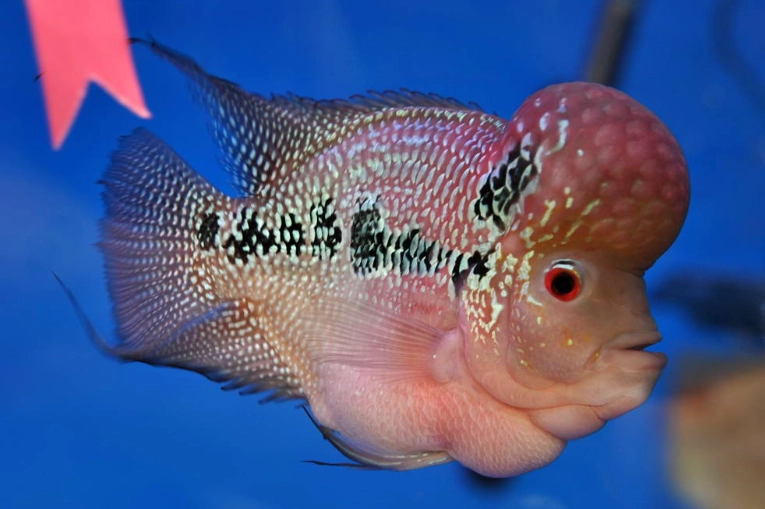
Meet the Contenders: Understanding Parrot Fish & Flowerhorns
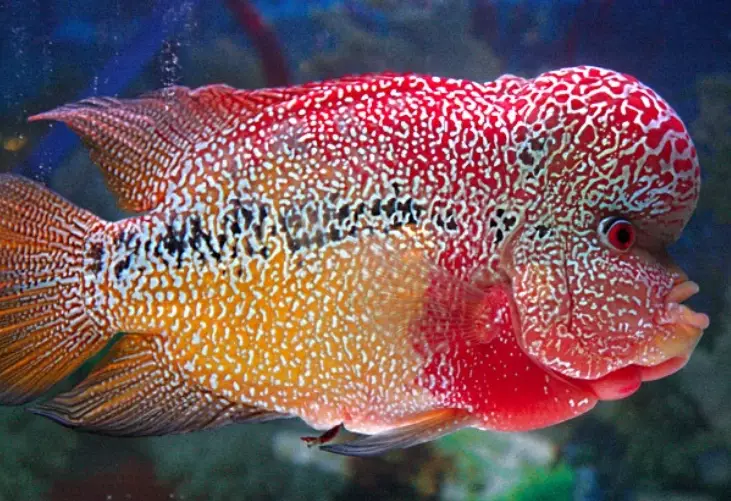
Blood Parrot Cichlid: The Gentle Misfit
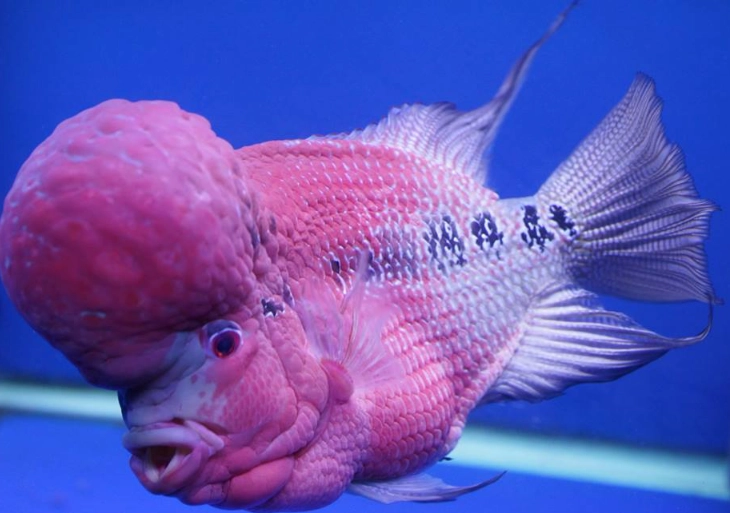
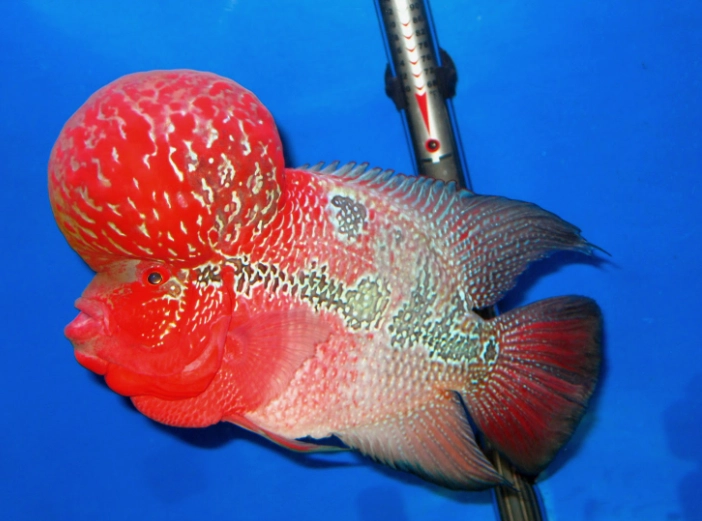
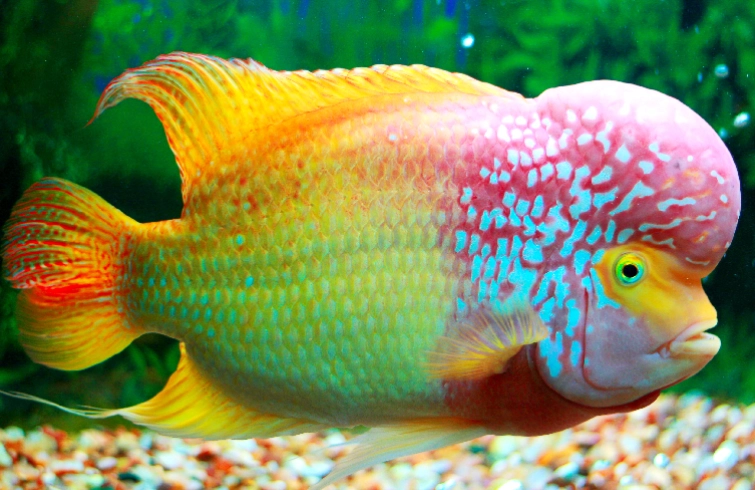
Flowerhorn Cichlid: The Aquatic Gladiator
Trait
Blood Parrot Cichlid
Flowerhorn Cichlid
Origin
Man-made hybrid (exact parentage debated)
Man-made hybrid (from several Central/S. American cichlids)
Temperament
Mostly peaceful, semi-aggressive when spawning
Highly aggressive, extremely territorial
Swimming Ability
Poor; awkward, slow swimmer
Excellent; powerful, fast bursts
Feeding Style
Slow, messy eater; struggles with competition
Voracious, aggressive eater; will outcompete all
Typical Tank Size (Solo)
55+ gallons
75+ gallons (often much larger)
Primary Need
Peaceful environment, hiding spots
Space to claim as sole territory
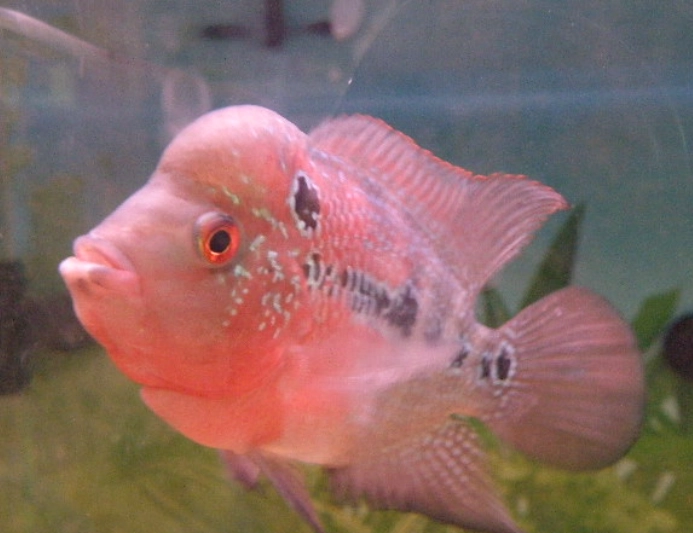
Why "Can Parrot Fish Live with Flowerhorns?" Usually Leads to Disaster
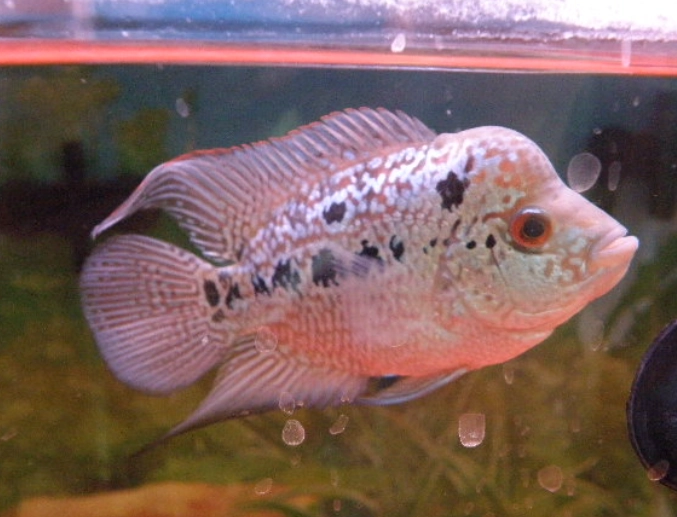
But What If I Still Want to Try? (A Step-by-Step Guide to Mitigating Disaster)
The Smart Alternative: Better Tank Mates for Each
What Can Live with a Flowerhorn? (Spoiler: Often Nothing)
Excellent Tank Mates for Parrot Fish
Your Parrot & Flowerhorn Questions, Answered
The Bottom Line: A Final, Frank Thought
I once tried a divider in a very large tank to separate a juvenile flowerhorn from some other fish. Within a week, the flowerhorn spent all its time flaring and ramming the divider, stressing itself and everyone on the other side out completely. Their drive to dominate is that strong.
Put simply, the question "can parrot fish live with flowerhorns?" ignores the core biology of both fish. You're asking a prey animal to live with a dedicated predator in a locked room.
I have a very "calm" flowerhorn. Is it okay then?
This is the most common pushback I hear. "But my flowerhorn is a sweetheart!" Maybe. But its instinct can switch in an instant—during a water change, when it reaches maturity, or for no apparent reason at all. You are betting your parrot fish's life on a maybe. It's not a risk worth taking. That "calm" flowerhorn is still a far more capable and aggressive fish than the parrot.
Can they live together in a 100-gallon tank with lots of hiding spots?
A 100-gallon tank is better than a 55, but it's still a confined space. Hiding spots help, but they don't eliminate the underlying stress of cohabitation. The parrot will live in fear, only emerging when the flowerhorn is asleep or distracted. This is not a quality life. The fundamental mismatch remains.
What about a Convict Cichlid with a parrot? Is that safer?
Marginally, but still not great. Convicts are smaller but notoriously feisty and prolific breeders. A breeding pair of convicts in a tank with a parrot fish will terrorize it to defend their fry. It's another high-stress situation for the parrot. A single convict might work in a very spacious tank, but there are still better choices.
My parrot fish seems aggressive too! Could it hold its own?
Parrot fish can show bluff aggression—flaring gills, chasing their own reflection. It's mostly for show. In a real confrontation with a determined flowerhorn, a parrot fish lacks the weaponry (sharp teeth, a strong, functional jaw) and the athleticism. It would lose decisively.
After all these years, the tanks that bring me the most peace are the balanced ones. The frantic, mismatched tank where I was always playing referee? I remember it mostly with regret. Do better than I did with my early experiments.
Comment