Let's be honest for a second. You probably bought a bump head parrot fish (or a few) because they looked amazing. Those colors, that goofy face, the personality. Then you got them home, and after a few weeks of peace, all hell broke loose. Now you're staring at a tank where what was supposed to be a cheerful community looks more like a scaled-down underwater fight club. I've been there. I remember the first time I saw my two supposedly "peaceful" parrot cichlids lock jaws in a corner. My heart sank. Was I a bad fishkeeper? Did I do something wrong? Turns out, bump head parrot fish fighting is one of the most common, frustrating, and misunderstood issues in the hobby. It's not you. Well, mostly not you. It's in their nature, but how you manage that nature makes all the difference. If you're here because fish are actively getting injured, separate them immediately. Use a tank divider, a breeding box, or even a temporary bucket with an air stone. Stopping the physical damage is your first and most urgent priority. We'll talk about long-term fixes next. You can't solve a problem until you understand the root cause. Labeling them "mean" or "territorial" is too simple. Their aggression is a complex mix of instinct, environment, and pure fishy personality. Here’s what's really going on in their little heads. First thing you need to get straight: bump head parrot fish are man-made hybrids. They're a cross, usually involving species like the Midas cichlid (*Amphilophus citrinellus*) and the Redhead cichlid (*Vieja melanura*), or other Central American cichlids. Check out the profile on FishBase for the wild ancestors—these are not shy, retiring fish. You're dealing with cichlid genetics, and cichlids are known for two things: intelligence and aggression. That hybrid vigor doesn't just apply to color and hardiness; it applies to their feisty nature too. So when you see bump head parrot fish fighting, you're seeing centuries of cichlid instinct bubbling to the surface. They are hardwired to establish territory, especially when they think it's time to breed. Which leads us to... In my experience, aggression rarely comes out of nowhere. It's a response to something. After keeping these guys for years and talking to countless other hobbyists, I've narrowed it down to these main catalysts. Okay, so you know the "why." Now for the "how to fix it." This isn't about one magic trick. It's about a multi-pronged strategy that changes the environment and the social dynamics of your tank. Think of it as fish therapy. If fish are getting torn fins or are constantly hiding in fear, you need to act fast. The Tank Divider is Your Best Friend. Seriously, go buy one. It's not admitting defeat; it's a strategic retreat. Physically separating the aggressor from the victim gives everyone a chance to calm down, heal, and forget the established bully/victim dynamic. Keep them separated for at least a week, maybe two. Feed them well on both sides. You'd be amazed how a cooling-off period can reset their relationship. Rearrange EVERYTHING. Once you're ready to remove the divider (or if the fighting is minor but persistent), do a major rescape. Move all the rocks, wood, and ornaments. Change the filter outlet. Even swap the substrate around if you can. This destroys the existing territorial map. When the aggressor is reintroduced, the tank is "new" to everyone. No one has a claimed spot anymore. It levels the playing field instantly. This trick works shockingly well about 70% of the time for mild to moderate aggression. Prevention is better than cure. Setting up your tank correctly from the start, or modifying an existing one, is the key to minimizing bump head parrot fish fighting. Tank Size is Non-Negotiable. I'm going to be blunt: the minimum for a group of parrot cichlids is 55 gallons. And that's for a small group. For adult bump heads, which can get to 8-10 inches, 75 gallons or more is ideal. More space means territories can be larger and more diffuse, reducing border disputes. The Fishkeeping World guide on cichlid tanks echoes this—overcrowding is a primary cause of aggression. Create a "Broken Landscape." Use tall pieces of driftwood, large slate rocks, or dense plastic plants to create visual barriers. The goal is to design the tank so a fish can be on one side and not see the other. This allows subdominant fish to exist out of the line of sight of the bully. Think of creating multiple "rooms" or "alcoves." Overfilter and Over-Oxygenate. High water flow from a powerful filter or powerheads not only keeps water pristine but also breaks up lines of sight and creates currents that can distract fish or make sustained chasing harder. Good surface agitation from an air stone or spray bar increases oxygen, which lowers overall fish stress. A stressed fish is an aggressive fish. Pro Tip: When adding new hiding spots, make sure they have two exits. A cave with only one entrance becomes a death trap if the aggressor blocks it. Use tunnel-like ornaments or arrange rocks to create throughways. Choosing who lives with your parrot is 90% of the battle. Get this wrong, and you're signing up for constant drama. See a pattern? You want tank mates that are either too big to bully, too fast to catch, or simply uninterested in the same territory. Bottom-dwellers and mid-top swimmers can often coexist well with the middle-level cruising parrot. My biggest mistake was trying a convict cichlid. Never again. Competition for food is a massive trigger. In the wild, the biggest, meanest fish gets the most food. You need to break that link in your tank. Multiple Feeding Stations. Don't dump all the food in one spot. Use sinking pellets in one corner, a veggie clip with zucchini on the opposite side, and maybe some floating sticks in the middle. This forces the fish to spread out. The dominant fish can't guard all three spots at once. Target Feeding the Underdog. This feels sneaky, but it works. Use a long turkey baster or feeding tube to deliver a few extra pellets directly to a shy fish hiding behind a filter. Ensuring the weaker fish gets enough to eat keeps it healthier and more confident, which can sometimes make it less of a target. Frequency Over Volume. Two or three smaller feedings a day are better than one huge one. The big feast creates a frenzy where the strong thrive. Smaller, more frequent meals mean less intense competition each time. Sometimes, despite your best efforts, you get a fish that's just a jerk. A born bully. I had one named Groucho who would attack anything that moved, including my fingers during cleaning. For the safety of the entire community, you may need to consider these last resorts. Rehoming. It's not failure. It's responsible pet ownership. If one fish is making life miserable for five others, the math is simple. Post on a local aquarium society forum or a site like the Aquaria Central community boards. Someone with a species-only tank or a very large setup might be happy to take your problem child. Be honest about its behavior. Setting Up a Species-Only Tank. This is the path I eventually took with Groucho. I moved him to a 40-gallon breeder tank by himself with some sturdy decorations. No more fighting. He seemed perfectly content being the king of his own castle, and my community tank thrived in his absence. It's more work and expense, but it solves the problem permanently. Please Note: The advice to isolate a perpetually aggressive fish in its own tank is supported by behavioral ecology principles. It removes the social stressor for both the aggressor and the victims, a method sometimes used in public aquariums for managing incompatible individuals. I've gotten a ton of emails and forum DMs over the years about this exact issue. Here are the most common questions that pop up, the ones people are really searching for. Yes, absolutely. A brief chase, a little lip-locking (like a shoving match), and some posturing is normal cichlid communication. It's how they establish a pecking order. You need to worry when it's constant, when one fish is hiding all day and not eating, or when you see physical damage like torn fins, missing scales, or wounds. This is counter-intuitive but often true for schooling/shoaling fish. For cichlids like parrots, it's a gamble. In a very large tank, adding more parrots can sometimes spread the aggression of the dominant fish so no single victim gets all the abuse (this is called "diluting aggression"). But in an average-sized tank, adding more fish usually means more competition, more stress, and worse fighting. Don't try this unless your tank is seriously oversized. This almost always points to a hormonal trigger. They've likely reached sexual maturity and are trying to pair off or establish breeding territory. It could also be a subtle environmental change you missed—a filter flow slowing down, a heater failing and dropping the temp slightly, or even a change in the light cycle from a new window. Review everything. A sudden onset of bump head parrot fish fighting is a signal that something has changed. 100%. High levels of ammonia, nitrite, or nitrate are incredibly stressful to fish. Chronic stress weakens their immune system and puts them in a constant state of irritation. A fish that feels unwell is far more likely to lash out. Always rule out water quality first. Test your parameters. A large water change is sometimes the simplest fix for mysterious aggression spikes. Here's the tricky part: it's notoriously difficult to sex bump head parrot fish. The hybrids are often sterile, and their sexual dimorphism is minimal. I've seen incredibly aggressive fish assumed to be males turn out to be females (upon closer inspection or unfortunate death), and vice-versa. Don't assume getting a "female" will solve your problems. Focus on environment and management, not gender. Dealing with bump head parrot fish fighting is less about finding a single solution and more about adopting a different mindset. You're not keeping neon tetras. You're keeping intelligent, moody, territorial cichlids with the strength to move small rocks and the stubbornness of a mule. Success comes from providing abundant space, creating a complex environment with visual breaks, choosing tank mates wisely, and managing feeding competitively. It requires observation. You need to learn your fishes' individual personalities. Who's the bully? Who's the coward? Who's the peacemaker? Sometimes, despite doing everything "by the book," you'll still have issues. Fish, like people, have personalities. You might just have a bad apple. In that case, the most ethical and practical solution is to remove that individual for the greater good of the tank. It's a challenging aspect of keeping these wonderfully charismatic fish. But when you get it right, when you see a tank where your bump heads are displaying their full colors, interacting without fear, and just being their weird, wonderful selves, it's incredibly rewarding. It proves you've cracked the code. You've provided not just a tank of water, but a home. Start with the tank divider and the big rescape. You might be surprised how far those two simple steps get you. Good luck.Quick Guide to This Article
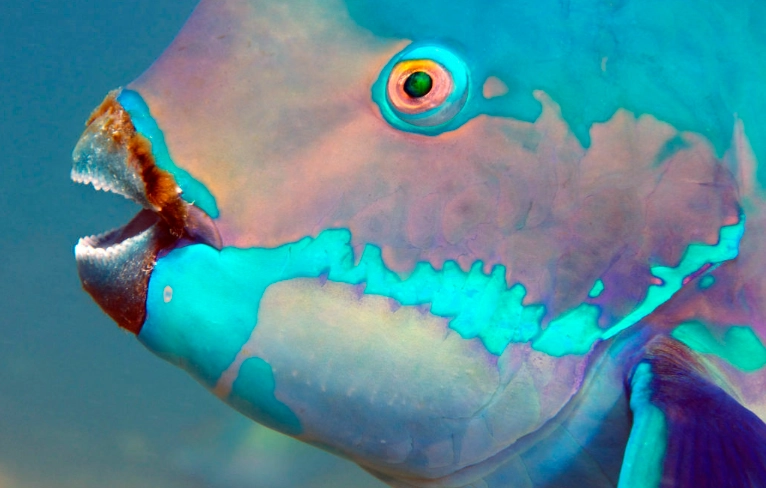
Why Is My Bump Head Parrot Fish So Aggressive?
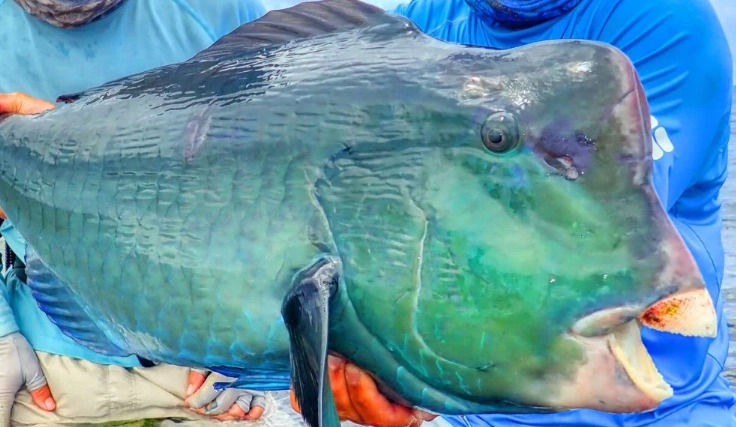
It's in Their Blood (Literally)
The Top 5 Triggers for Parrot Cichlid Fighting
How to Stop Bump Head Parrot Fish Fighting: A Step-by-Step Action Plan
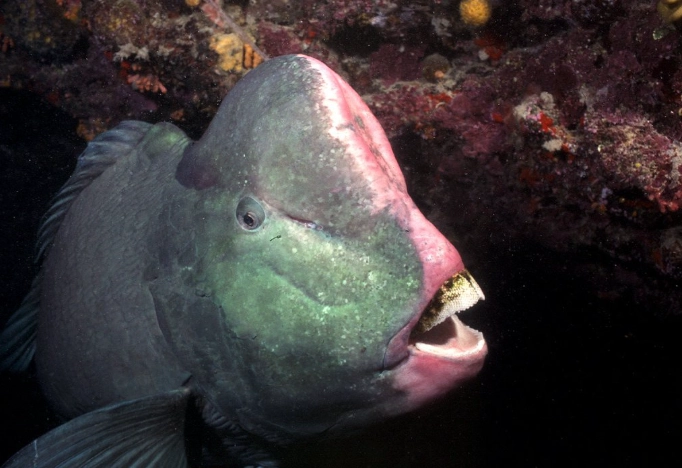
Immediate Interventions (Do This Now)
Long-Term Tank Setup for Peace
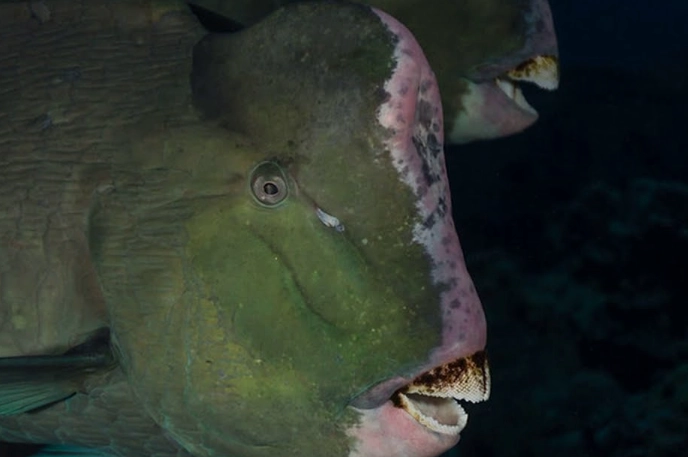
The Right (and Wrong) Tank Mates
Tank Mate
Why It Can Work
Potential Risk
My Personal Verdict
Other Parrot Cichlids
Same species, similar temperament. Can form groups.
High risk of internal aggression, especially with uneven sizes or insufficient space.
Possible, but requires a large tank (75g+) and a group of 5+ to spread aggression. Not for beginners.
Severums
Peaceful, similar size, South American. Often ignore each other.
Severums can be timid and may get bullied during feeding.
One of the best choices. A classic, often successful pairing.
Silver Dollars
Fast, schooling fish that stay in mid-water. Act as dither fish, distracting parrots.
Parrots may try to nip at them during feeding frenzy. Need a very long tank.
Excellent for large tanks (100g+). Their speed makes them hard to target.
Plecos (Bristlenose, Sailfin)
Nocturnal, bottom-dwelling. Occupy different tank zone.
Parrots may harass them during the day, especially in small tanks. Plecos need driftwood.
Good, but monitor closely. Ensure multiple hiding caves for the pleco.
Oscar, Jaguar Cichlid, etc.
...
Guaranteed disaster. These are larger, more aggressive predators.
Avoid at all costs. This is how fish get killed.
Angelfish, Discus
...
Slow, graceful, long-finned. Parrots will relentlessly nip at them.
Avoid. It's cruel to the angelfish/discus.
Small Tetras, Guppies
...
They are food. Not tank mates.
Absolutely not. Live food at best, shredded confetti at worst.
Feeding Strategies to Reduce Aggression
When All Else Fails: The Nuclear Options
Your Bump Head Parrot Fish Fighting Questions, Answered
Is it normal for parrot fish to chase each other sometimes?
Will getting more parrot fish stop the fighting?
My parrots were fine for months, then suddenly started fighting. Why?
Can water quality cause aggression?
Are female parrot fish less aggressive than males?
Wrapping It Up: A Mindset for Success
I made the "inadequate hiding spots" mistake early on. I had a beautiful, sparse "minimalist" tank. My parrot fish hated it. The fighting only calmed down after I clutter it up with more rocks and wood, breaking the tank into distinct zones. It looked messier to me, but to them, it was a neighborhood with safe alleys.
Comment