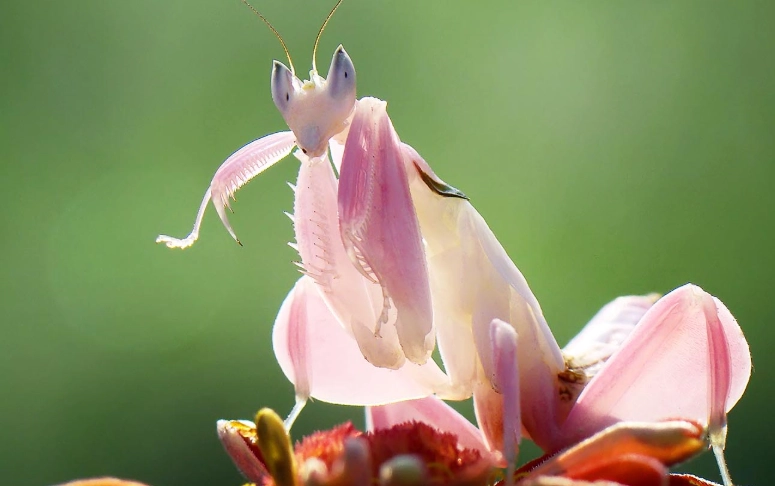
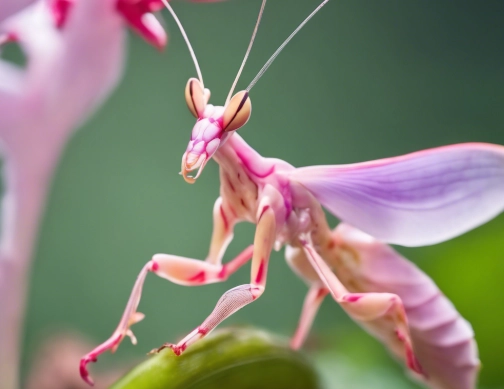
Let's be honest. The first time you see a picture of an orchid mantis, your brain short-circuits a little. It looks like something a fantasy artist dreamed up—a delicate, pink-and-white flower that just happens to be a living, breathing predator. It's so perfect, so unreal, that the immediate question pops into your head: Is that thing even real? Or is it some photoshopped marvel, a clever fake meant to go viral? The whole "orchid mantis real or fake" debate is where most people's journey with this insect begins. I remember scrolling through social media years ago, convinced it was a hoax. I mean, come on. A praying mantis that looks like an orchid? Nature is amazing, but this felt like a stretch. Then I dug deeper, and my skepticism turned into pure fascination. Now, after talking to breeders, reading scientific papers (the dry ones, not just the pretty pictures), and yes, even navigating the murky waters of online sellers, I want to give you the straight story. No hype, no fluff. Just everything you need to know to answer that "real or fake" question for yourself, and a whole lot more if you're thinking about getting one. Before we get into spotting fakes, let's understand the real deal. This isn't just a pink mantis. It's a master of disguise, or in scientific terms, an aggressive mimic. It doesn't hide from its prey; it hides as something its prey wants to visit—a flower. The nymphs (babies) are particularly good at this, sporting stark white and vibrant pink patterns with lobed legs that perfectly mimic orchid petals. They'll sit on or near real flowers (not always orchids, despite the name) and wait for unsuspecting pollinators like bees and butterflies to come in for a landing. Spoiler: it's a one-way trip. Adults are larger and their coloration can vary. Females, which are significantly bigger than males, might retain pink hues or develop more of a creamy yellow or white with subtle patterns. Males are smaller, thinner, and better fliers. Their disguise is less about flowers and more about looking like a bit of general plant debris. The biology is solid, documented, and fascinating. You can see verified observations and data from citizen scientists on platforms like iNaturalist, which shows real people finding real orchid mantises in the wild. Okay, so the species is real. But when you're looking at a photo for sale, or a viral video, how can you tell if that specific insect is a genuine, healthy orchid mantis or a clever imitation? This is where the "orchid mantis real or fake" question gets practical. Most "fakes" fall into a few categories: So, how do you protect yourself? Let's break it down in a way that's easy to reference. It boils down to demand and ignorance. The orchid mantis is an internet superstar. Everyone wants one. But they can be tricky to breed in large numbers, have specific care needs, and aren't as long-lived as, say, a pet tarantula. This creates a gap. Unethical sellers see a chance to make a quick buck by dyeing a cheap, hardy mantis species (which often kills it) and selling it to someone who doesn't know any better. They bank on the buyer's lack of knowledge and the sheer "wow" factor of a pink insect. They also prey on the impulse to get a "bargain." A real orchid mantis nymph from a reputable source isn't cheap, and there's a reason for that. Responsible breeding takes time, space, and knowledge. When you see that $80 price tag versus the $15 one, the expensive one is almost certainly the real, living animal. The cheap one is a scam or a dead, painted bug. Let's say you've navigated the "orchid mantis real or fake" minefield and found a legitimate breeder. Now what? Before you click "buy," you need a serious reality check. This isn't a pet you stick in a jar with some lettuce. Their care is a step up from your standard praying mantis. They need consistent, fairly high humidity (think 60-80%), which means regular misting and a well-ventilated but not dry enclosure. Stagnant air is a killer. They need warmth, typically between 75-85°F. And then there's food. This is a big one. Many care sheets gloss over it. Orchid mantis nymphs often prefer flying prey. Fruit flies (Drosophila) are essential for the tiny first few instars. As they grow, green bottle flies, small moths, or even crickets (if they'll take them) are needed. You need a reliable source for live feeder insects. You can't just catch a housefly and call it a day; wild-caught prey can carry pesticides or parasites. And the enclosure? It needs to be tall, with plenty of delicate twigs and fake or safe live plants (like orchids or bromeliads) for them to perch on and blend into. Screen or mesh lids are great for ventilation and allowing them to hang for molting—a critically vulnerable time. If the humidity is wrong during a molt, they can get stuck and die. This is a conversation we need to have more often. Is it right to keep such a specialized wild animal? My personal take is that captive breeding is key. Always, always seek out Captive Bred and Born (CBB) individuals. Wild-caught specimens are stressful for the animal, deplete natural populations, and often come loaded with health issues and parasites. They're also subject to international regulations like CITES and import laws, which a legitimate seller will be transparent about. You can check general guidelines on importing insects for scientific or propagation purposes through resources like the USDA APHIS website, though specific rules vary wildly by country and state. Buying CBB supports breeders who are preserving the species in captivity and takes pressure off wild ones. It's the only ethical choice. If a seller can't confirm it's CBB, walk away. I get a ton of questions about these insects. Here are the ones that come up again and again, beyond just "orchid mantis real or fake." They're not currently listed on the IUCN Red List as threatened, but that doesn't mean everything's fine. Their rainforest habitat in Malaysia, Indonesia, and Thailand is under constant pressure from deforestation and palm oil plantations. The pet trade demand, if fed by wild-caught specimens, adds to that pressure. This is another huge reason to insist on captive-bred. This is a cool one. To a degree, yes. They can't go from pink to green like a chameleon, but their coloration can intensify or fade based on factors like humidity, light levels, and the background they're on. It's a slow, physiological process, not instant camouflage. A nymph kept in a very bright, flower-filled enclosure might develop stronger pinks than one kept on brown sticks. This is the million-dollar question. Avoid general marketplaces like eBay or Amazon for live insects. Instead, look for specialized invertebrate or exotic pet expos. Online, dedicated invertebrate forums and communities have trusted breeder sections. Websites of known, established insect breeders are your best bet. Do your homework. Look for reviews, ask for pictures of the parents if possible, and see how the breeder communicates. A good breeder will ask you questions too, to make sure you're prepared. In my opinion, generally no. They are observational pets, not hands-on ones. They are fragile, can be skittish, and have those specific care requirements. The heartbreak of a failed molt or an avoidable death is real. A child would be better off with a hardier, more interactive pet. An orchid mantis is more like living art—you appreciate its beauty and fascinating behavior, but you don't handle it much. Great question! Field researchers use careful observation and sometimes citizen science data. But a lot of fascinating behavioral research is done in controlled laboratory settings. Studies have looked at how their camouflage works not just on humans, but on their actual prey (bees), finding that the disguise is scarily effective. Research published in journals like Journal of The Royal Society Interface has explored the optical and behavioral mechanisms behind their mimicry. It's serious science, not just pretty pictures. So, where does that leave us? The orchid mantis is very real. It's one of nature's most breathtaking examples of evolutionary artistry. The "fake" part of the equation is almost always a human creation—a product of deception, greed, or wishful thinking. If you take anything from this guide, let it be this: Arm yourself with knowledge. Know what the real animal looks like and acts like. Understand its needs before you even think about buying one. Value ethical, captive breeding over a cheap, suspicious deal. The initial question of "orchid mantis real or fake" is just the doorway. Walking through it leads you to a deeper appreciation for biology, the responsibilities of pet ownership, and the importance of protecting the natural wonders that inspire such awe in the first place. They're not magical creatures. They're real insects with real needs. But in their own way, understanding them fully makes them even more magical than any fake ever could be.Inside This Guide
Beyond the Hype: What Exactly Is an Orchid Mantis?
The Real vs. Fake Breakdown: A Spotter's Guide
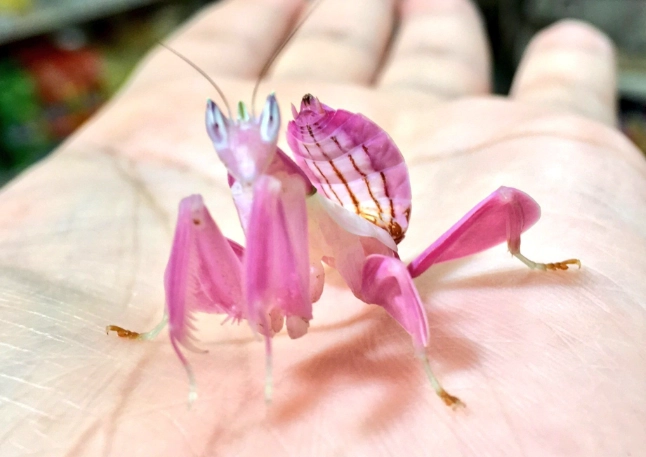
What to Look At Genuine Orchid Mantis Common Fakes & Red Flags Color & Pattern Colors are natural gradients. Pink is often concentrated on the "thighs" and body, white elsewhere. Patterns are organic, not uniform. Nymphs are most vividly pink/white. Flat, garish, spray-paint-like pink that covers everything. Colors in unnatural places (like all over the wings of an adult). Perfectly symmetrical, airbrushed patterns. Leg Structure Key identifier! Nymphs have large, flat, lobed extensions on their four walking legs that look like flower petals. These are crucial for the disguise. Missing these lobes entirely, or having poorly defined, shriveled-looking lobes. A mantis that is just "pink" without the signature leg structure is NOT an orchid mantis. Behavior (in videos) Moves deliberately. Sways gently like a flower in the breeze. Strikes lightning-fast for prey. Will groom itself. Unnatural stillness (could be dead/preserved). Jerky, awkward movements. No reaction to stimuli. Sitting on a bare branch, not near any foliage. Seller Claims Breeds them in captivity (CBB). Provides clear photos of the actual animal for sale, often at different angles. Knows the scientific name. "Rare wild-caught!" (huge red flag, often illegal/unsustainable). Vague descriptions. Stock photos only. Unbelievably low price ( Price Point Nymphs range from $40 to $80+ from reputable breeders. Females cost more than males. Eggs (oothecae) are cheaper but riskier. "Pink praying mantis" for $9.99. If it seems too good to be true, it almost always is. This is the biggest trap for beginners. Why Do People Even Make Fake Orchid Mantises?
Thinking of Getting One? The Reality Check (Care & Ethics)
The Ethics of Keeping Them
Your Burning Questions, Answered (FAQ)
Are they endangered?
Can they change color?
Where can I actually buy a real one?
Do they make good pets for kids?
How do scientists study them if they're so cryptic?
Wrapping It Up: From Skepticism to Appreciation
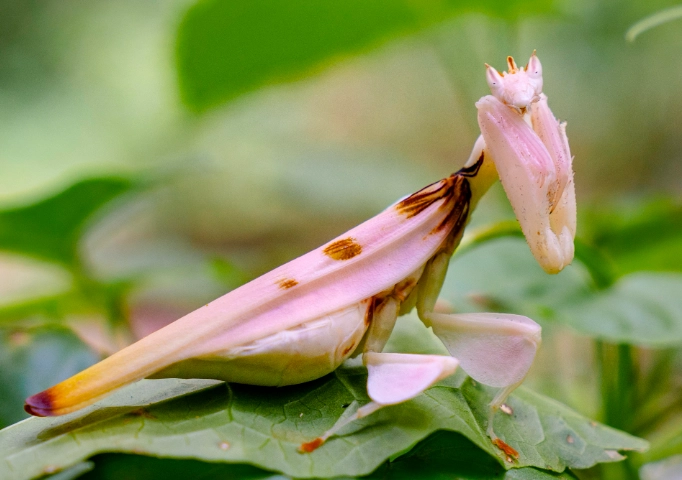
The Core Truth: The orchid mantis (Hymenopus coronatus) is 100%, undeniably real. It's a genuine species of praying mantis native to Southeast Asia. The confusion around "orchid mantis real or fake" usually stems from three things: incredible photos that look too good to be true, misleading or dyed insects being sold, and simple disbelief that something so beautiful exists.
I once got excited about a "rare pink orchid mantis" listed for $15. The photo was fuzzy, but the price was irresistible. When it arrived, it was a dead, common mantis that had been clumsily dyed with what smelled like food coloring. It was a sad lesson. The seller and listing vanished a day later. Trust me, the upfront cost from a good breeder saves you money, heartache, and supports ethical practice.
Hard Truth: Orchid mantises are not beginner-friendly pets. They are exotic, fragile, and have very specific needs. Their lifespan is also relatively short—nymphs grow over several months, and adults may live only another 6-8 months. You're committing to a beautiful, fleeting experience.
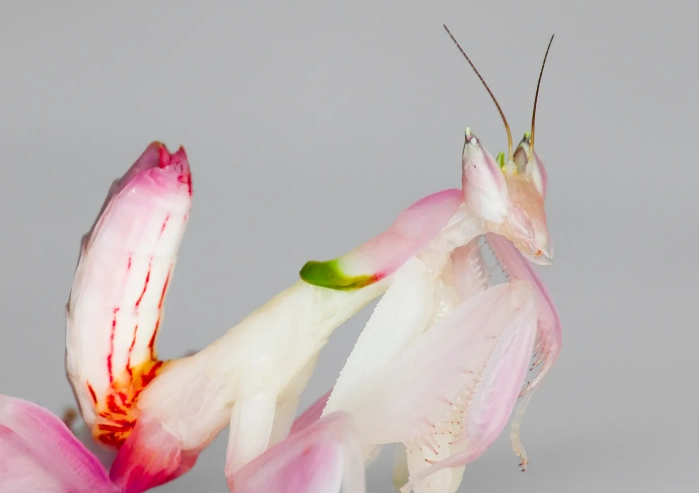
See? The world of the orchid mantis goes so much deeper than a simple "real or fake" question.
Comment