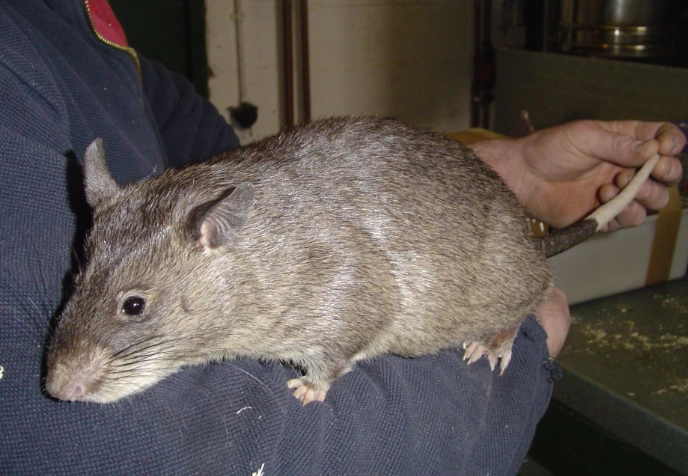
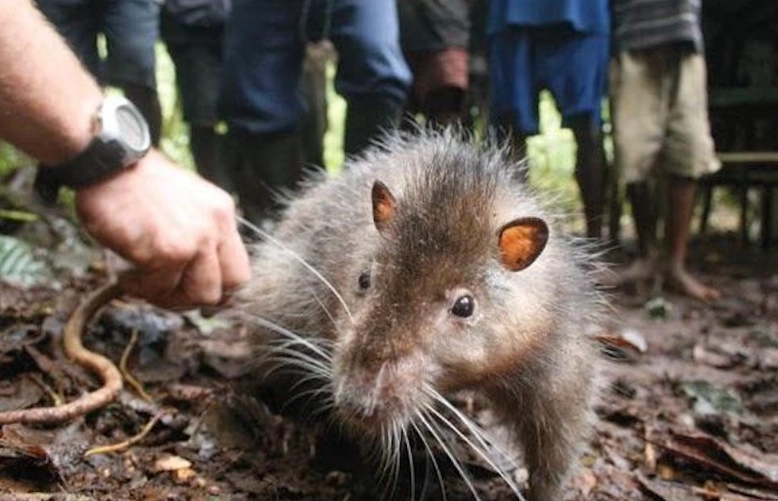
So, you've brought home this amazing, fluffy ball of energy – a woolly giant rat. Their official name is Kuns, but let's be honest, "woolly giant rat" just sticks in your head. That first week is a mix of pure joy and sheer panic, right? You're watching them explore, maybe naming them, and then it hits you... what on earth do you feed this thing? I remember staring at my first one, Chewbacca (original, I know), and realizing the pet store guy's advice of "just some rat pellets" felt way too vague. I spent hours digging through old forums and conflicting websites. Some said they were pure herbivores, others mentioned they needed protein. It was a mess. That's why I'm writing this. I want to save you that headache. A proper Woolly giant rat diet isn't complicated, but it is specific. Get it wrong, and you risk everything from obesity to serious nutritional deficiencies. Get it right, and you'll have a vibrant, active, and long-lived companion. Their lifespan is already pretty good for a rodent (4-6 years with good care), and food is the biggest factor in hitting the upper end of that range. Let's cut through the noise and talk about what really works. Thinking of a woolly giant rat diet as just "pellets" is like thinking human food is just "bread." It's a component, not the whole story. Their digestive system is designed for variety and roughage. In the wild (think the cloud forests of South America), they're foraging on a mix of plant matter – leaves, stems, fruits, seeds, and the occasional insect for protein. We need to mimic that variety in captivity. The goal is balance: providing all necessary nutrients while keeping their constantly growing teeth worn down and their gut moving healthily. This is the foundation, the daily "bread and butter" of their meals. It ensures they get a baseline of vitamins and minerals that might be missed with fresh foods alone. Pellets: Look for a timothy hay-based pellet formulated for chinchillas or guinea pigs. Avoid mixes with colorful bits, dried corn, or nuts – those are just junk food. The protein content should be moderate, around 14-16%. A brand like Oxbow is consistently reliable. You can check their specific nutritional guidelines on their official website to compare formulations. How much? About 1-2 tablespoons per rat per day, offered in a heavy ceramic bowl (they love to flip things). Hay: Unlimited, 24/7 access to fresh grass hay is absolutely critical. Timothy hay is the gold standard. Orchard grass or meadow hay are great alternatives. Alfalfa hay is too rich in calcium and protein for adults and should only be given occasionally as a treat. Hay does three vital jobs: provides essential fiber for digestion, grinds down their ever-growing molars, and gives them something to do. A bored woolly giant rat is a destructive one. I use a large hay rack and also toss a big handful directly into their sleeping area. They love to burrow in it and munch. This is where you can really personalize your woolly giant rat's diet and bond with them. Fresh foods provide hydration, enzymes, and variety. But not all veggies are created equal. The rule of thumb is to introduce new foods one at a time and in small quantities. Watch their droppings. If things get too soft, you've given too much or that particular item doesn't agree with them. Here’s a practical table to keep on your fridge. I wish I had this when I started. See that "Avoid" column? It's short but serious. The one that surprised me was grapes. Seems harmless, but evidence suggests they can cause kidney failure in some rodents. Just not worth the risk. For a deeper dive into toxic plants, the University of California's Agriculture and Natural Resources site has extensive, science-backed lists. Routine is comforting for them. It also helps you monitor their appetite, which is a key health indicator. Here’s what a typical day looks like for my crew: The pellets are usually gone by the next morning. The hay is constantly being munched. The fresh food is devoured within an hour or two. If you notice pellets leftover for days, it could mean they're filling up on treats (cut back), the pellets are stale (buy a fresh bag), or, more seriously, a dental issue is preventing them from eating hard food. Time for a vet visit. I've been guilty of #2. My first rat, Chewbacca, got a bit too round before I wised up. It's a lesson learned the hard way. It feels like a lot, but once you get the rhythm, it's simple. Let's summarize the absolute essentials for a perfect woolly giant rat diet: The biggest sign you've nailed their diet? Consistent, well-formed droppings, a healthy weight (you should be able to feel their ribs but not see them), a glossy coat, and bright, active behavior. It's really about mindful feeding. Pay attention to what they eat and how they look. Adjust as needed. Every rat is a little different. Some might love cucumber, others might turn their nose up at it. The journey is part of the fun. Starting with a solid foundation for your Woolly giant rat diet sets them up for a lifetime of health. It's the best gift you can give your fluffy friend. It prevents so many vet visits down the line. Trust me, I've learned from both success and mistakes. Now you can start with the success. Got a picky eater? Try hand-feeding their greens. Worried about variety? Rotate through 3-4 safe veggies each week. The key is consistency within variety. Don't stress. You've got this. And your woolly giant rat will thank you with years of happy, healthy companionship.Quick Navigation
The Core of Their Diet: It's Not Just One Thing
The Non-Negotiable Base: High-Quality Pellets & Hay
The Fun Part: Fresh Foods & Treats
Food Type
Excellent Choices (Feed Regularly)
Occasional Treats (1-2 times a week)
AVOID Completely (Toxic/Dangerous)
Leafy Greens
Romaine lettuce, kale, cilantro, parsley, carrot tops, dandelion greens (unsprayed), endive
Spinach (high in oxalates), Swiss chard
Iceberg lettuce (no nutritional value), any leaves from nightshades (tomato, potato plants)
Vegetables
Bell peppers (all colors), zucchini, cucumber, broccoli florets (small amount), peeled snap peas
Carrot (high sugar), sweet potato (cooked, plain), squash
Raw potatoes, onions, garlic, raw beans, mushrooms
Fruits
None are "daily" foods due to sugar.
Blueberries, strawberry (top only), apple slice (no seeds), pear slice (no seeds), banana (tiny piece)
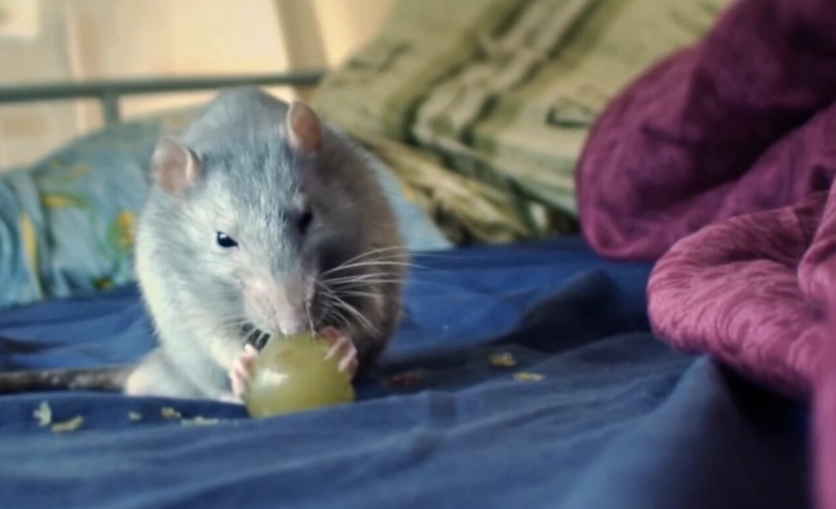
Citrus fruits, grapes/raisins (linked to kidney issues), avocado pit & skin, fruit seeds/pits (cyanide)
Protein Sources
A few high-quality lab block pellets cover basic needs.
Plain cooked chicken (shredded), hard-boiled egg (tiny piece), mealworms (1-2), plain yogurt drop
Processed meats, salty foods, raw meat, dog/cat food
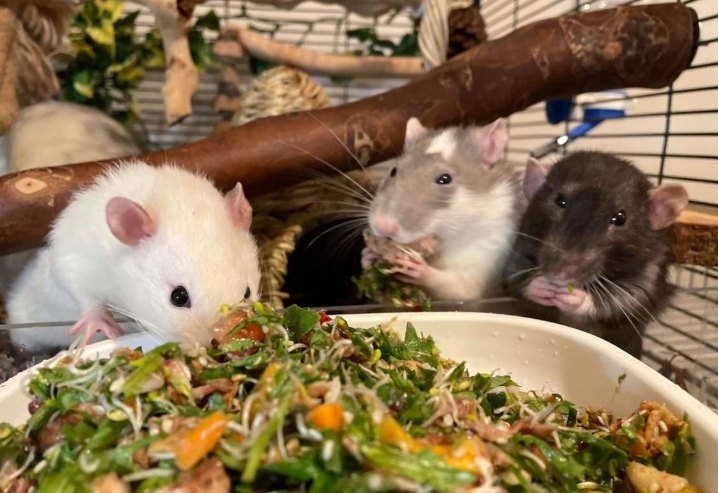
Crafting the Perfect Daily Feeding Schedule
Top 3 Feeding Mistakes Everyone Makes
Special Dietary Considerations & FAQs
Putting It All Together: Your Action Plan
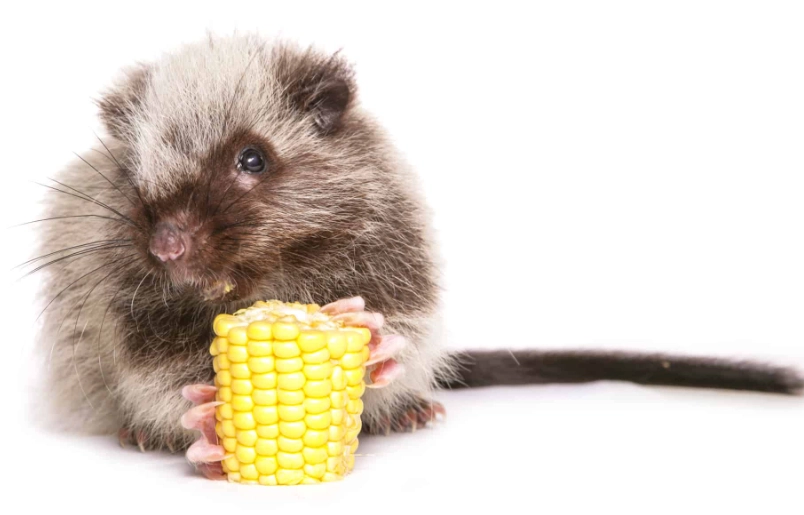
Quick Reality Check: Unlike fancy rats, woolly giants have a digestive tract more geared towards high-fiber plant material. They can handle protein, but too much, especially from animal sources, can strain their kidneys over time. It's a common mistake to overdo it.
Watch the Water! Always, always have fresh water available in a sipper bottle. Check it daily for function. Even with juicy veggies, they need a clean water source. Dehydration is a silent killer.
What about baby or pregnant woolly giant rats?
Their needs are different! Growing babies and nursing moms need more protein and calcium. You can supplement their diet with alfalfa hay (in addition to timothy) and a slightly higher-protein pellet. A few extra mealworms or a bit of plain yogurt can help. Always consult an exotics vet for specific advice during pregnancy.
My woolly giant rat is getting fat. What now?
First, cut out all sugary/fatty treats cold turkey. No fruit, no seeds. Increase their exercise—more out-of-cage time in a rat-proofed room, more climbing toys. Ensure their hay intake is high (fiber fills them up). You can slightly reduce their daily pellet portion. Do it gradually. If weight doesn't budge, a vet check is needed to rule out other issues.
Can they eat nuts?
Technically, yes, some are non-toxic. But they are extremely high in fat. A single, unsalted almond or piece of walnut can be given as a rare treat, like once a month. Honestly, it's better to just avoid them. There are safer, healthier treat options.
Do they need vitamin supplements?
If you're providing a varied Woolly giant rat diet with good quality pellets and hay, usually not. In fact, oversupplementing vitamins like Vitamin D or Calcium can cause more harm than good. The only exception might be a sick animal under veterinary direction. The Veterinary Partner website is a fantastic resource for understanding nutrient requirements and potential toxicity.
How do I store their food?
Pellets and hay must be kept dry and cool to prevent mold. I store my hay in a large, airtight plastic bin. Pellets go in their original bag, rolled tightly and clipped, inside another container. Never buy more than a month's supply of pellets, as the vitamins degrade over time.
Comment