You're scrolling through pictures of adorable fluffy dogs, and you land on the Pomapoo. A cross between a Pomeranian and a Toy or Miniature Poodle. Big eyes, curly coat, probably looking like a living teddy bear. The question pops into your head: Is a Pomapoo a good dog? For me? For my family?
Let's cut to the chase. The answer isn't a simple yes or no. It's a "it depends entirely on what you're looking for." I've seen these dogs thrive in the right homes and become little nightmares in the wrong ones. After talking to breeders, owners, and vets, I'm here to give you the real picture—the cuddles, the barks, the vet bills, and the moments that make it all worth it (or not).
What's Inside This Guide
Pomapoo 101: What You're Actually Getting
First, let's clear up what a Pomapoo is. It's a designer dog, a mix, not a recognized purebred by major kennel clubs like the American Kennel Club (AKC). That means predictability goes out the window. Your Pomapoo might look 80% Pomeranian with a Poodle brain, or vice-versa. Most fall somewhere in the middle, weighing 5 to 15 pounds and standing under 10 inches tall.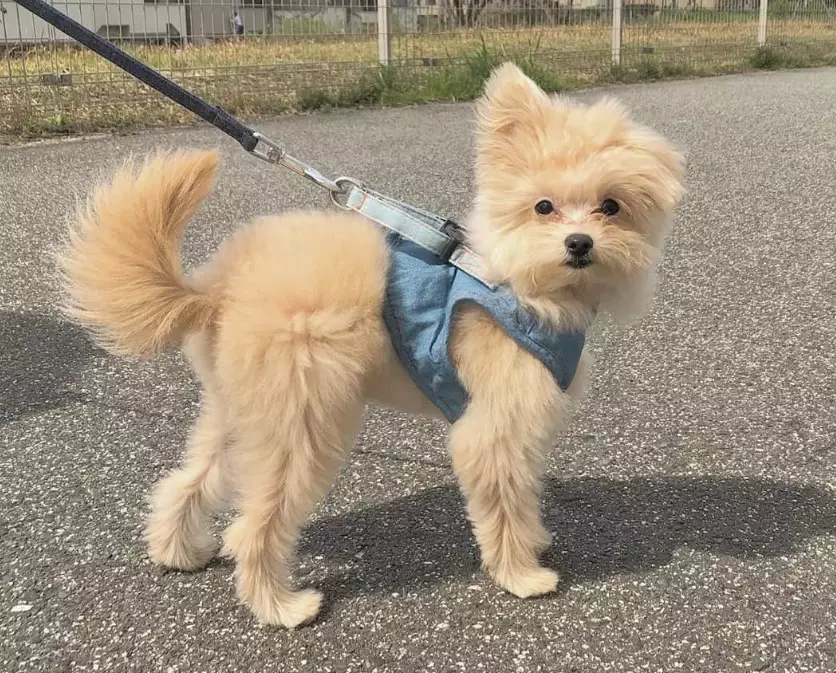
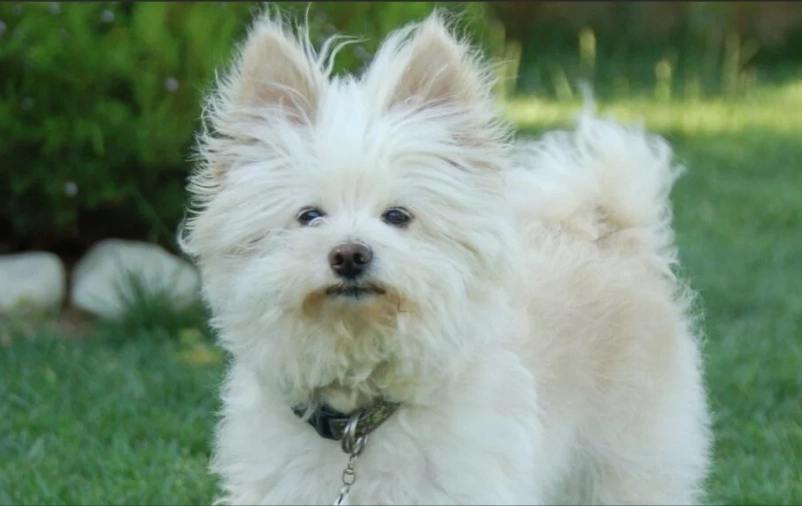
Their coat is a lottery. It can be the tight curls of a Poodle, the straight, dense double-coat of a Pom, or a wavy, soft blend. This directly impacts shedding and grooming. The big selling point is often "hypoallergenic." Here's the expert truth bomb: no dog is 100% hypoallergenic. Poodle mixes tend to shed less and produce less dander, which can be better for mild allergies. But if your allergies are severe, spending time with a specific puppy before committing is non-negotiable.
A Quick Reality Check: I know a family who got a Pomapoo hoping for a low-shedding pet for their allergic son. The pup took after the Pom side and shed like a mini-shepherd. They were stuck with a beautiful dog and a kid on constant allergy meds. Genetics are a gamble.
The Good, The Bad, The Fluffy: Pomapoo Pros and Cons
Let's break this down visually. This isn't just a generic list; it's based on the most common feedback from long-term owners.
| The Pros (Why People Love Them) | The Cons (What They Don't Tell You Upfront) |
|---|---|
| Big Personality in a Small Package: They're often funny, affectionate, and form incredibly strong bonds with their person. | Prone to "Small Dog Syndrome": Without consistent training, they can become yappy, stubborn, and even nippy. They forget they're 8 pounds. |
| Great for Apartments: Their size makes them ideal for smaller living spaces, as long as they get daily mental and physical exercise. | Separation Anxiety is Common: That strong bond can backfire. Many Pomapoos hate being alone and can develop destructive behaviors or non-stop barking. |
| Often Low-Shedding: If the coat leans Poodle, grooming is more about haircuts than vacuuming fur off your couch. | High Grooming Needs & Cost: That non-shedding coat mats easily. Professional grooming every 4-6 weeks is a must, adding significant yearly cost. |
| Generally Intelligent & Trainable: They pick up on tricks and commands quickly... when they want to. | Can Be Stubborn and Sensitive: They have a mind of their own. Harsh training methods will shut them down completely. Patience is key. |
| Long Lifespan: With good care, a Pomapoo can be your companion for 12-16 years. | Fragility & Health Concerns: Their tiny bones are prone to injury (jumping off couches is a risk). They can inherit issues from both parent breeds like dental problems, luxating patellas, and tracheal collapse. |
See that con about fragility? It's huge. A friend's Pomapoo fractured its leg just by getting its paw caught in a blanket during a playful roll. The surgery cost over $3,000. Pet insurance for this breed isn't a luxury; it's a financial planning step.
Is a Pomapoo a Good Family Dog? (The Real Test)
This is the million-dollar question. The answer hinges on the family's composition and lifestyle.
With Young Children?
Proceed with extreme caution. A well-socialized, mature Pomapoo can be fine with gentle, respectful older kids. But with toddlers or preschoolers? It's a risky match. The dog is small and easily injured by clumsy hugs or falls. More critically, many Pomapoos have a low tolerance for the unpredictable movements and loud noises of little kids. A snapped tooth or a warning nip is a real possibility, often leading to the dog being rehomed—a tragic outcome for everyone.
With Seniors or Singles?
Here, the Pomapoo often shines. They are perfect companions for someone who is home a lot and wants a velcro dog. The affection, the manageable exercise needs (a couple of short walks and play sessions daily), and the small size are big pluses. Just be prepared for the potential for separation anxiety if you do need to go out.
For First-Time Dog Owners?
Maybe, but with a giant asterisk. Their intelligence makes training seem easy at first, but their stubborn streak can frustrate a novice. The biggest pitfall for first-timers is inadvertently reinforcing bad behaviors (like barking or jumping) because they're "cute" in a small dog. If you're a committed first-timer willing to invest in puppy classes and consistent rules, it can work. If you want an easy-going, forgiving breed, look elsewhere.
Caring for Your Pomapoo: Beyond the Basics
Okay, let's say you're leaning towards yes. Here's what life really looks like.
Grooming isn't optional. Brush every other day without fail to prevent mats that pull on the skin and cause pain. Get them used to teeth brushing early—toy breeds are notorious for terrible dental disease. Those vet dental cleanings under anesthesia are expensive and risky.
Exercise is mental as much as physical. A 20-minute walk is great, but you need to tire their brain. Food puzzles, scent games, and 5-minute training sessions are your best friends. A bored Pomapoo is a destructive, barking Pomapoo.
Socialization is critical. Between 8 and 16 weeks, expose them (safely) to different people, surfaces, sounds, and other calm, vaccinated dogs. This builds confidence and prevents the fear-based aggression and barking so common in small breeds. Don't just carry them everywhere; let them experience the world on their own paws.
Finding Your Pomapoo: Breeder vs. Rescue
If you decide a Pomapoo is your match, sourcing is your next big decision.
Reputable Breeders: They are rare for mixes, but they do exist. They will health-test the parent dogs for breed-specific issues (like patella evaluations and eye exams), raise puppies in the home, ask you as many questions as you ask them, and offer a health guarantee. They will not have multiple litters available at all times. Expect to be on a waitlist and pay a premium, often $1,500 to $3,000+.
Rescues & Shelters: Check Petfinder.com regularly. Small dog mixes, including Pomapoos, do end up in rescue. The advantage is you might get an adult dog whose personality and health are already known. The adoption fee is typically $300-$600. You're giving a dog a second chance, which is incredibly rewarding.
Avoid pet stores and online brokers at all costs. These are almost always puppy mills channels, where profit overrides the health and welfare of the dogs.
Your Pomapoo Questions, Answered
Are Pomapoos good for people with allergies?
They can be a better fit than heavy-shedding breeds, but it's not guaranteed. The key is the individual dog's coat and your specific allergy triggers. Dander and saliva are the usual culprits, not just hair. Before bringing any dog home, try to spend an hour or two in a confined space with it. See how your body reacts. There's no substitute for a real-world test.
How much barking should I expect from a Pomapoo?
Expect a lot of vocalization. Both parent breeds are alert barkers. They'll bark at the doorbell, a passing squirrel, a leaf blowing by. The trick is to manage it from day one. Never yell "quiet!"—that just adds to the noise. Instead, teach a "thank you" command. When they bark, calmly say "thank you," then ask for a sit or a touch. Reward the quiet behavior. It acknowledges their alert but redirects the energy. Consistency here is everything.
 What's the one health issue most Pomapoo owners aren't prepared for?
Dental disease. By age three, most small breeds have some degree of periodontal disease. It starts with bad breath and tartar, but bacteria from the mouth can spread to the heart, liver, and kidneys. Most owners think brushing a dog's teeth is silly or too hard. Start the day you bring your puppy home. Use a dog-specific toothpaste (never human paste) and a soft brush or finger brush. Do it daily. This one habit can save you thousands in vet bills and add years to your dog's life.
Can I leave my Pomapoo alone while I work an 8-hour day?
I strongly advise against it, especially for a puppy or a young dog. Four hours is pushing the limit for many adults. These are companion dogs bred to be with people. Leaving them alone for a full workday is a prime setup for separation anxiety, which manifests as destructive chewing, incessant barking, and even inappropriate elimination. If you work full-time outside the home, you need a plan: a dog walker at midday, doggy daycare a few days a week, or a trusted neighbor to check in. It's a significant, ongoing cost and logistical factor to consider.
So, is a Pomapoo a good dog? For the right person—someone who wants a devoted, intelligent, and entertaining shadow, who has the time for grooming and proactive training, and who lives in a relatively calm, adult-oriented household—they can be an absolutely wonderful companion. For a busy family with young kids or someone wanting a low-maintenance, independent dog, they are likely a poor fit.
The decision isn't about how cute they are (and they are unbearably cute). It's about a realistic match between their needs and your lifestyle. Do your homework, meet some in person, and be brutally honest with yourself. That's how you find out if a Pomapoo is a good dog... for you.




Comments
Leave a Comment