Let's talk about the black Poodle Pomeranian mix. You've probably seen pictures—a fluffy, jet-black ball of energy with bright, intelligent eyes. It's a look that grabs attention. But what's it actually like to live with one of these dogs, often called a Pomerapoo or Pomapoo? I've been around designer dogs for over a decade, and I can tell you, the reality is more nuanced than the adorable Instagram posts. This guide will walk you through everything, from their surprisingly big personality packed into a small body to the specific challenges and joys of caring for that gorgeous black coat.
In This Guide
What is a Black Poodle Pomeranian Mix?
A Pomerapoo is a cross between a Pomeranian and a Poodle, usually a Toy or Miniature Poodle. The "black" refers specifically to the coat color, which is a dominant and striking trait when inherited. This isn't a recognized breed by major kennel clubs like the American Kennel Club (AKC), but a deliberate crossbreed aimed at combining the Pomeranian's bold spirit with the Poodle's intelligence and often (but not guaranteed) lower-shedding coat.
People go for this mix hoping for a smart, affectionate, and portable companion. The black coat adds an element of sleek, formal beauty, though it shows every speck of dust and dandruff. It's a dog for someone who doesn't mind a bit of extra grooming for that polished look.
Appearance and Temperament: The Real Deal
Forget predictability. A first-generation mix (Pomeranian x Poodle) can look like either parent or a perfect blend. Size typically ranges from 5 to 15 pounds, standing 8 to 12 inches tall. The coat can be the wavy, low-shedding "fleece" of a Poodle, the straight, double-coat of a Pom, or anything in between.
A crucial point most breeders won't emphasize enough: Even with a Poodle parent, there is no guarantee your Pomerapoo will be hypoallergenic or non-shedding. Many inherit the Pomeranian's double coat and shed seasonally. If allergies are a primary concern, you're taking a gamble.
The Black Coat: Genetics and Care
That solid black color is stunning, but it's high maintenance. It shows every single white hair, every piece of lint, and every flake of dry skin. Sun exposure can also cause the black to fade to a rusty brown, especially on the back and ears. Using a dog-safe sunscreen spray for walks and a conditioner with UV protection can help.
I made the mistake of using a cheap, harsh shampoo on my first black Pomapoo. It stripped the natural oils, leaving the coat dull and prone to matting. Now I only use a moisturizing, color-enhancing shampoo formulated for black coats, and it makes a world of difference.
Personality: Not Just a Lapdog
This is where things get interesting. You're mixing two highly intelligent, sometimes strong-willed breeds. The result is often a dog that's clever, alert, and deeply attached to its person. They can be fantastic watchdogs, barking at every delivery person.
But here's the common mistake: owners treat them like delicate toys. Under-socialized, they can develop "small dog syndrome"—becoming yappy, nervous, or even snappy. Their temperament is more "big dog in a small package" than timid fluffball. They need confident leadership and consistent rules.
Health and Lifespan of a Black Pomerapoo
A well-bred Pomerapoo can live between 12 to 16 years. Their black coat color itself doesn't cause health issues, but they are prone to conditions common in their parent breeds. Reputable breeders screen for these.
Common Health Issues to Watch For
- Patellar Luxation: A slipping kneecap. Very common in small breeds. You might see them skip a step or hold a leg up briefly.
- Tracheal Collapse: A weakening of the windpipe. That characteristic "goose honk" cough isn't always cute; it can signal a problem. Use a harness, never a collar.
- Dental Issues: Crowded teeth in a small mouth. Daily brushing isn't optional; it's essential to prevent painful extractions later.
- Eye Problems: Progressive Retinal Atrophy (PRA) and cataracts. Ask the breeder for eye screening certificates.
| Health Concern | What to Look For | Preventive Action |
|---|---|---|
| Patellar Luxation | Skipping, limping, reluctance to jump | Keep weight low, avoid high-impact jumps off furniture |
| Tracheal Collapse | Dry, hacking "honking" cough, especially when excited | Use a well-fitted harness, manage excitement levels |
| Dental Disease | Bad breath, red gums, difficulty eating | Daily tooth brushing, annual vet dental checks |
| Skin Issues (in Black Coats) | Dull coat, flaking, hot spots | High-quality diet, regular grooming with moisturizing products |
How to Care for Your Black Pomerapoo
Caring for this mix is an active commitment. It's not just about cuddles.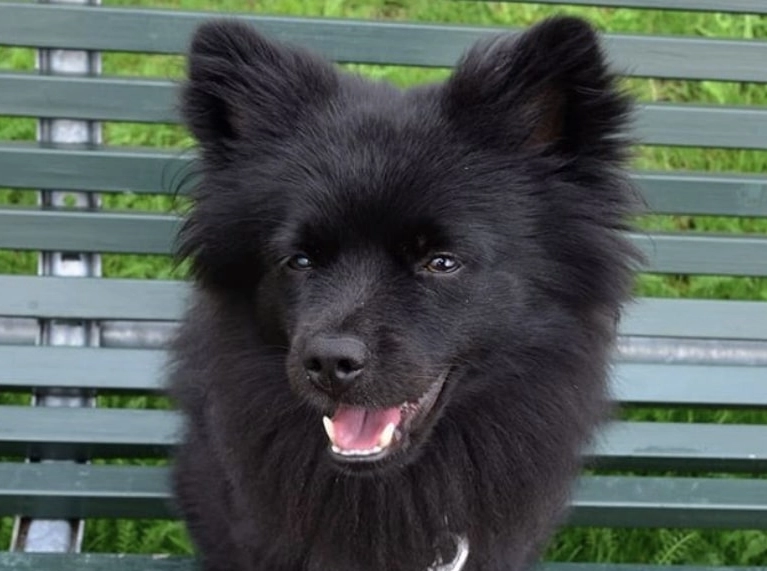
Daily Exercise Needs
They have energy. A 20-30 minute walk plus playtime is the minimum. Mental exercise is just as crucial. Food puzzles, trick training, or a 5-minute hide-and-seek game with treats will tire their brain and prevent boredom barking.
How to Groom a Black Pomerapoo?
This is the big one. Grooming needs depend entirely on coat type.
- Curly/Wavy Coat (Poodle-like): Requires brushing every other day to prevent mats, which can painfully pull on the skin. Professional grooming every 6-8 weeks is standard.
- Straight/Double Coat (Pom-like): Brush 2-3 times a week, increasing to daily during shedding seasons (spring and fall). You'll be amazed at the clouds of undercoat.
Invest in good tools: a slicker brush, a metal comb to check for tangles at the skin, and a de-shedding tool if they have an undercoat. Bathing every 3-4 weeks with a quality shampoo keeps that black coat shiny, not greasy.
Feeding Recommendations
Small breeds have fast metabolisms. Look for a high-quality small-breed kibble with real meat as the first ingredient. Feed measured meals twice a day rather than free-feeding to prevent obesity. A healthy weight is critical for their joints. For a 10-pound adult, that's often only 1/2 to 3/4 cup of food total per day, but always follow your vet's advice.
Training Your Black Pomerapoo
They're smart. Scary smart. This means they learn quickly, but they also learn how to get what they want. Positive reinforcement (treats, praise, play) is the only method that works. They shut down with harsh corrections.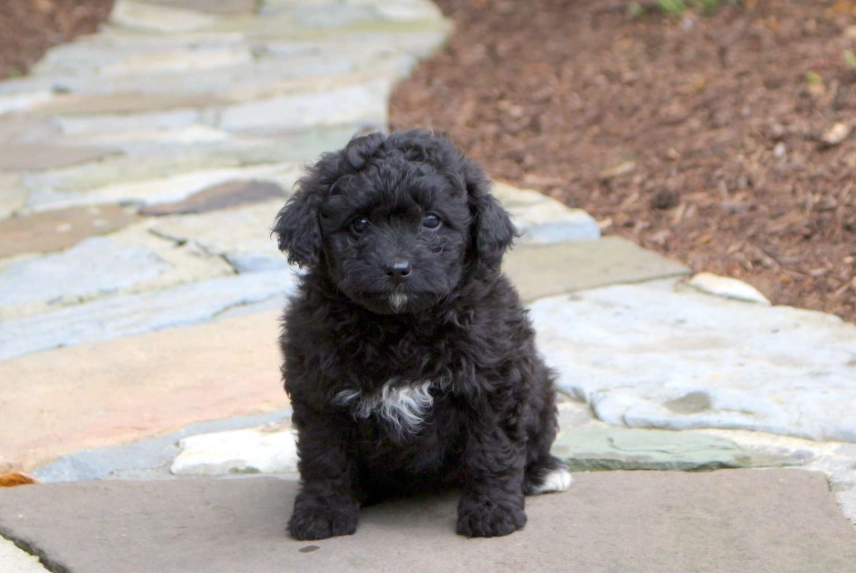
Socialization is Key
Expose your puppy (after vaccinations) to different people, dogs, sounds, and surfaces before 16 weeks. A well-socialized Pomapoo is a confident, adaptable joy. A poorly socialized one can become a fear-biter. This is non-negotiable.
House Training Tips
Small bladder. Be patient. Take them out first thing in the morning, after meals, after play, and before bed. Use a consistent phrase like "go potty." Crate training is immensely helpful, as dogs naturally avoid soiling their sleeping space. Expect accidents up to 6-8 months old.
Managing the Barking
They bark. It's in their DNA. You can't eliminate it, but you can manage it. Teach a "quiet" command by rewarding moments of silence. Never yell "no bark"—they think you're joining in. Identify the trigger (doorbell, seeing a dog outside) and work on desensitization.
Finding a Black Poodle Pomeranian Mix Puppy
This is the most important step. The quest for a specific color like black can lead people to bad decisions.
Red Flags to Avoid
- Breeders who guarantee a "hypoallergenic" puppy. They can't.
- Those who always have puppies available. Reputable breeders have waitlists.
- No health testing on parent dogs. Ask for OFA or PennHIP results for knees, and eye exam certificates.
- Puppies shipped without you meeting the breeder. Walk away.
- Focusing solely on the black coat. A responsible breeder prioritizes health and temperament over color.
What to Expect to Pay
From a reputable breeder who does health testing, a Pomerapoo puppy typically costs between $1,500 to $3,000 USD. The black color does not usually command a higher price from ethical breeders. A price significantly lower is a major warning sign.
Consider adoption. Check Petfinder.com or local small-breed rescues. Pomeranians, Poodles, and their mixes often end up in rescue due to owners being unprepared for their needs.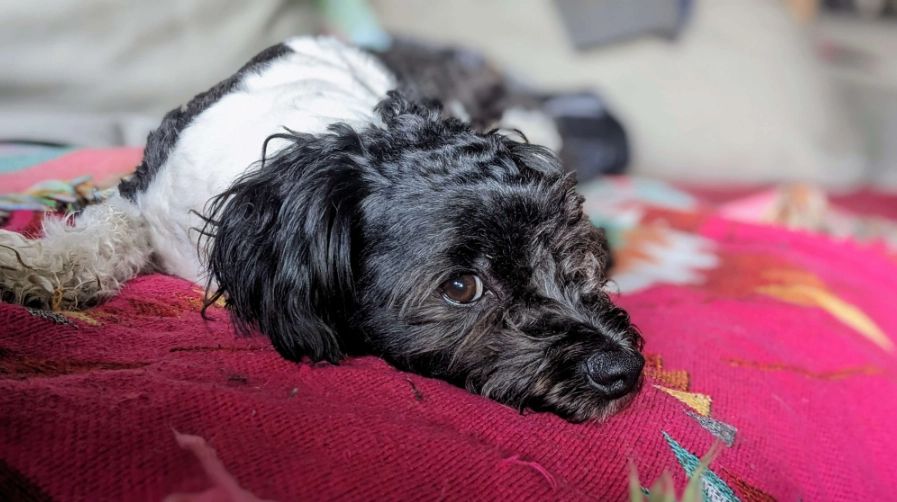
Your Questions Answered
 How do I stop my Pomerapoo from barking at every little sound?

Comments
Leave a Comment