You've seen the pictures. Fluffy, wolf-like faces with intelligent eyes, often sporting a mischievous grin. The Huskydoodle, a cross between a Siberian Husky and a Poodle, is undeniably striking. But behind that Instagram-worthy exterior lies a personality that's a fascinating, sometimes challenging, blend of two very strong-willed breeds. Asking "what is the personality of a Huskydoodle?" isn't a simple question. It's like asking about the weather in a place where a blizzard and a sunny day decided to have a baby. The answer is complex, energetic, and utterly captivating for the right person.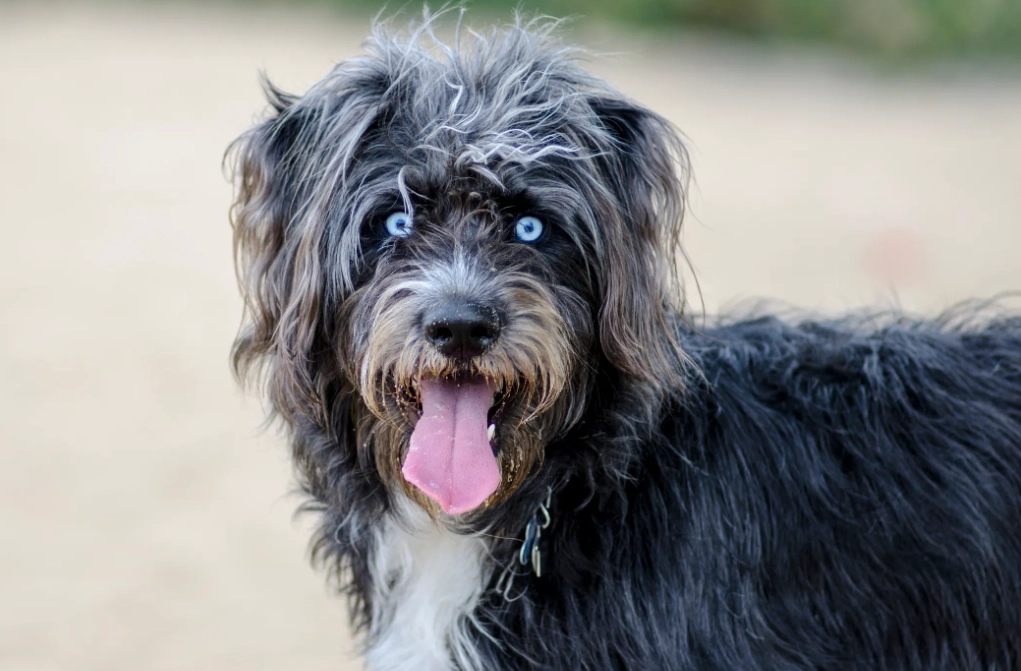
I've spent over a decade working with designer dogs, and I can tell you that predicting a mixed breed's temperament is part science, part lottery. But with Huskydoodles, the genetic dice are loaded in specific, predictable ways. Forget the generic "friendly and smart" descriptions. Let's get into what living with this hybrid is actually like.
Your Quick Guide to the Huskydoodle Mind
- The Genetic Roll of the Dice: Husky vs. Poodle
- The 4 Core Huskydoodle Personality Traits
- Is a Huskydoodle a Good Family Dog? A Reality Check
- The Training Challenge: Intelligence Meets Stubbornness
- Huskydoodle vs. Goldendoodle: A Personality Showdown
- How to Know if a Huskydoodle is Right for You
- Your Huskydoodle Personality Questions Answered
The Genetic Roll of the Dice: Husky vs. Poodle
To understand the Huskydoodle, you have to understand its parents. This isn't a gentle mix; it's a clash of canine titans.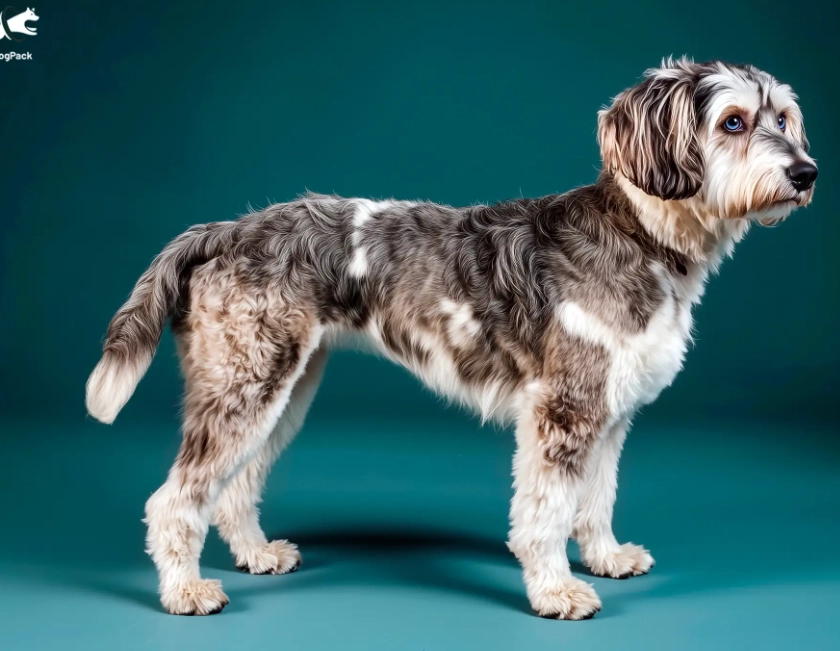
The Siberian Husky brings the wild card. Bred to pull sleds over vast distances, they are independent, pack-oriented, and possess a legendary stubborn streak. They are escape artists, talkative (howls, not just barks), and have a high prey drive. Loyalty to them is about the team, not blind obedience to a single person. The American Kennel Club (AKC) describes them as "mischievous" and "free-spirited," which is a polite way of saying they'll outsmart you if you're not careful.
The Poodle (Standard, Miniature, or Toy, depending on the cross) brings the brain. Universally ranked among the smartest breeds, Poodles are eager to please, highly trainable, and often sensitive. They were bred as water retrievers, which means they have a soft mouth and a desire to work closely with humans. They're also known for being alert and sometimes aloof with strangers.
Your individual Huskydoodle's personality will be a unique cocktail of these traits. There's no guarantee which parent they'll favor more. I've seen some that are 80% Husky—aloof, independent, howling at sirens. Others lean heavily Poodle—attentive, velcro-dogs who live for your approval. Most are a fascinating, frustrating, and wonderful middle ground.
Pro Tip from a Breeder: Look at the specific Poodle parent. A first-generation cross with a calm, mature Standard Poodle often yields a more stable temperament than a cross with a hyper, neurotic Miniature Poodle. The Poodle's temperament is a huge variable that many first-time buyers overlook.
The 4 Core Huskydoodle Personality Traits
While individual variation exists, certain traits are almost universal in this mix. Think of these as the non-negotiable parts of the Huskydoodle package.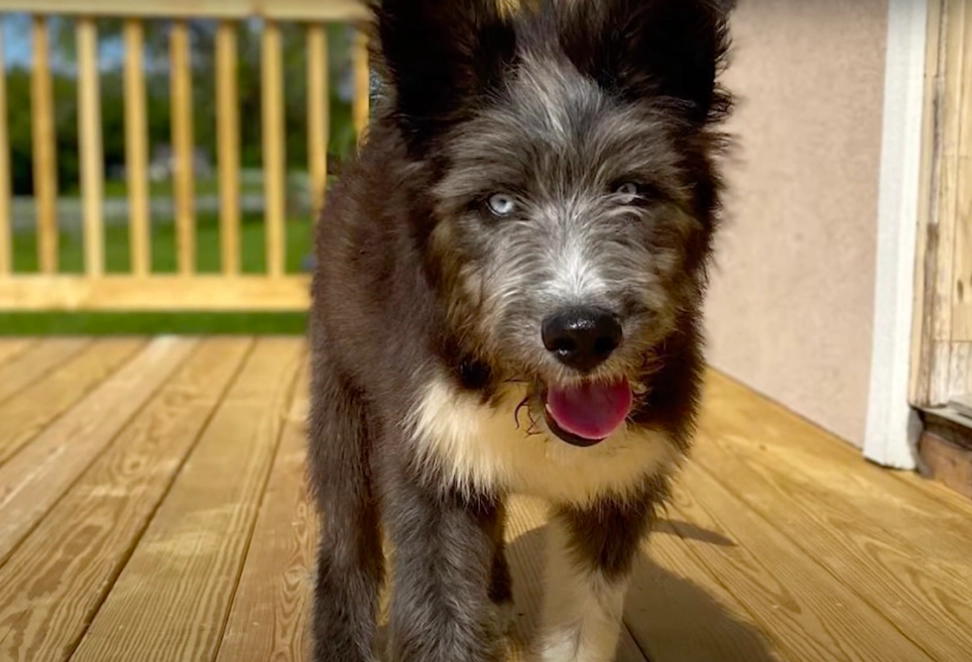
1. High-Octane Intelligence (That Works Against You)
Yes, they're smart. But this isn't a "learns tricks in five minutes" kind of smart for the sake of pleasing you. This is a "figures out how to open the child-proof latch on the treat jar" kind of smart. Their intelligence is practical and self-serving, heavily influenced by the Husky's problem-solving independence. They get bored easily. A bored Huskydoodle doesn't just chew a shoe; they deconstruct the couch to see what's inside.
2. Boundless Energy with a Side of "Zoomies"
This is not a couch potato dog. Both parent breeds are athletic. A daily walk around the block is an insult to a Huskydoodle. They need vigorous, meaningful exercise: long hikes, running alongside a bike, advanced agility courses, or pulling a cart (a great outlet for the Husky heritage). Without it, that pent-up energy turns into destructive behavior or incessant, attention-seeking antics.
3. Affectionate, But On Their Own Terms
Don't expect a Labrador's constant, slobbery devotion. A Huskydoodle can be incredibly sweet and cuddly—often burrowing into you or following you room-to-room. But it's often a switch they flip when they want affection. They might ignore your calls to come snuggle, then ten minutes later plop their head in your lap. This independent streak, straight from the Husky, can be misinterpreted as aloofness.
4. The Social Butterfly (With Caveats)
Generally, they are social dogs who enjoy the company of people and other dogs, thanks to the Husky's pack mentality. However, the Poodle's wariness can sometimes surface, making them cautious around new people. The bigger issue is the prey drive. That Husky instinct to chase small, furry things is strong. A Huskydoodle and a pet rabbit or a neighbor's cat are usually a terrible combination. Off-leash reliability in non-secured areas is a pipe dream for most owners.
Is a Huskydoodle a Good Family Dog? A Reality Check
This is the million-dollar question. The answer is a conditional maybe.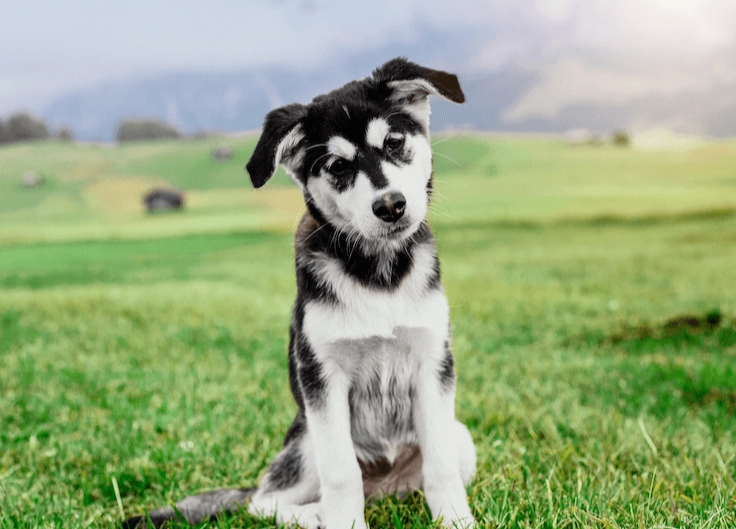
With Older, Respectful Children: Fantastic. Their playful, sturdy nature can be a great match for kids who understand how to interact with dogs. They can be gentle and tolerant.
With Toddlers or Young Children: Risky. Their high energy and lack of spatial awareness (they can knock a small child over in excitement) make them a potential hazard. A child screaming and running can trigger their chase instinct. Constant, direct adult supervision is non-negotiable.
With Other Pets: Dog-selective. They usually do well with other dogs, especially if socialized early. Small animals (cats, guinea pigs, birds) are almost always seen as prey. I've heard too many heartbreaking stories of "they were fine for two years, and then..." to recommend mixing them with smaller pets.
For First-Time Dog Owners: I typically advise against it. The combination of stubbornness, high energy, and grooming needs (that Poodle coat requires regular professional clipping) is a lot to handle. You need experience to read their moods and stand firm against their willful nature.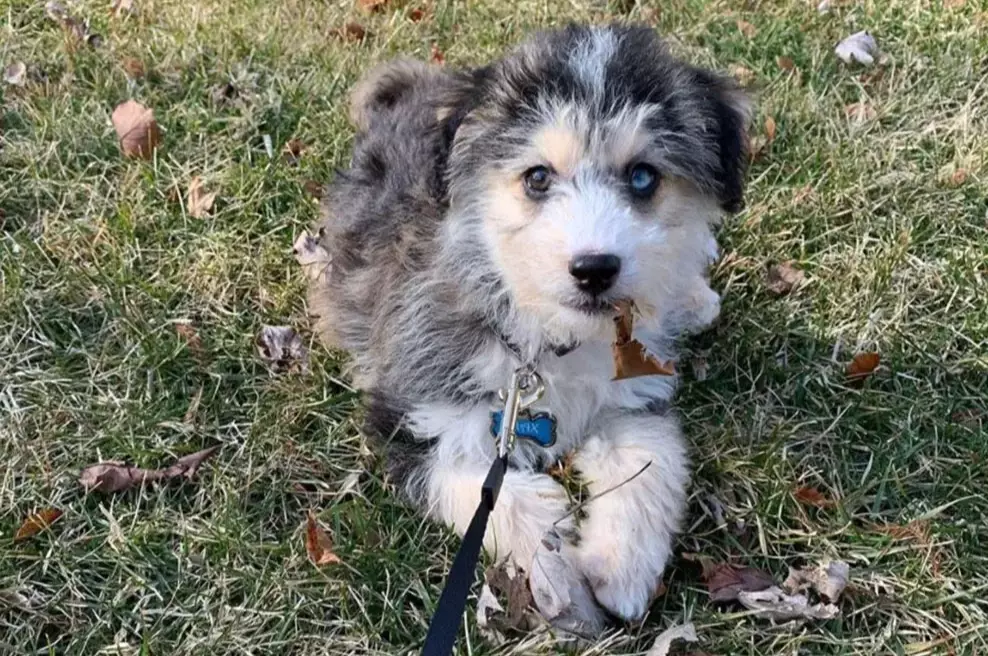
The Training Challenge: Intelligence Meets Stubbornness
Training a Huskydoodle is an exercise in patience and creativity. They learn commands quickly, then promptly ask, "What's in it for me?" Positive reinforcement with high-value treats (think real chicken, not kibble) is the only way. Harsh corrections will make them shut down or become sneaky.
The biggest mistake I see? Owners giving up on consistency. You can't let them jump on you "just this once" or pull on the leash "because we're almost home." They are master negotiators and will exploit any loophole. Crate training is an absolute must from day one for their safety and your sanity.
Socialization isn't optional. Expose them to everything—different people, surfaces, sounds, and safe dogs—before 16 weeks. A poorly socialized Huskydoodle can develop the Poodle's anxiety or the Husky's wariness into full-blown fearfulness.
Huskydoodle vs. Goldendoodle: A Personality Showdown
Since "Huskydoodle vs. Goldendoodle" is a top search, let's clear this up. They are worlds apart in temperament.
| Trait | Huskydoodle | Goldendoodle |
|---|---|---|
| Energy Level | Extremely High. Needs intense daily exertion. | Moderate to High. Needs regular exercise but chills easier. |
| Trainability | Challenging. Smart but independent and stubborn. | Easy to Moderate. Eager to please, very food-motivated. |
| Affection Style | On their own terms. Can be aloof, then cuddly. | Consistently affectionate. "Velcro dog" tendencies. |
| Good for Novices? | Generally not recommended. | Often recommended (especially F1B generations). |
| Prey Drive | Typically High. A major concern for small pets. | Typically Low to Moderate. Retriever heritage softens it. |
| Vocalization | High. Howls, talks, "woo-woos." | Moderate. More likely to bark than howl. |
The Goldendoodle, mixing the biddable Golden Retriever and Poodle, is bred for a compliant, friendly family temperament. The Huskydoodle is bred for... well, often just for looks. The Husky genes introduce a wildcard element of independence that dramatically changes the equation.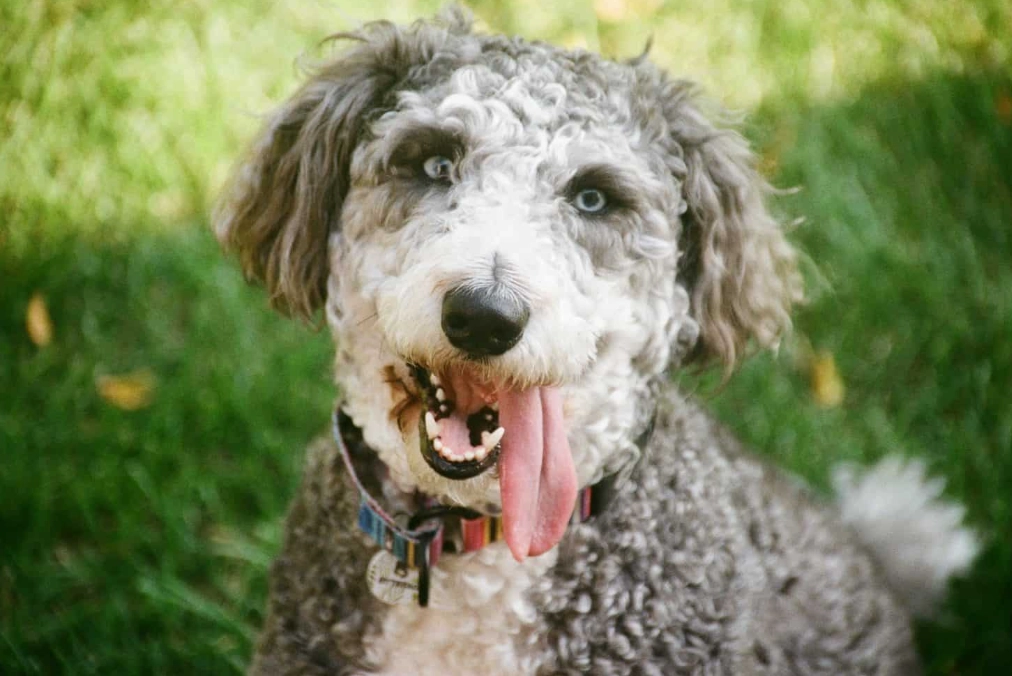
How to Know if a Huskydoodle is Right for You
You might be a perfect match if:
- You lead an extremely active lifestyle (runner, hiker, skier).
- You have experience with strong-willed, intelligent breeds.
- You value a dog with a quirky, independent personality over constant fawning attention.
- You have a secure, tall-fenced yard (6+ feet, with dig-proofing).
- You are committed to lifelong, consistent training and mental stimulation.
- You have no small pets and understand the off-leash risks.
You should probably look elsewhere if:
- You want a relaxed, easy-going companion.
- This is your first dog.
- You have very young children or fragile elderly people at home.
- You have cats, rabbits, or other small animals.
- You are gone for 8+ hours a day regularly.
- You get frustrated easily by stubborn behavior.
Your Huskydoodle Personality Questions Answered
 Why does my Huskydoodle ignore me when I call him?
So, what is the personality of a Huskydoodle? It's a brilliant, beautiful, demanding whirlwind. They are not for everyone, and the internet often sells a fluffy fantasy. But for the right owner—someone with the energy, experience, and sense of humor to match—a Huskydoodle offers a unique partnership. It's less about owning a pet and more about embarking on a lifelong adventure with a clever, willful, and deeply engaging companion who will never, ever be boring. Just make sure your fence is tall and your treat pouch is full.


Comments
Leave a Comment