You see a photo of a dolphin, but it's not grey. It's pink. An elephant calf, pure pink. A snake with cotton candy scales. Your first thought might be photoshop, but I'm here to tell you these pink albino animals are very real. They're also often misunderstood. After years tracking rare wildlife reports and speaking with conservation geneticists, I've learned that the story behind their color is more nuanced than "they lack pigment." In fact, calling them simply "albino" can sometimes be a mistake that overlooks a crucial genetic detail.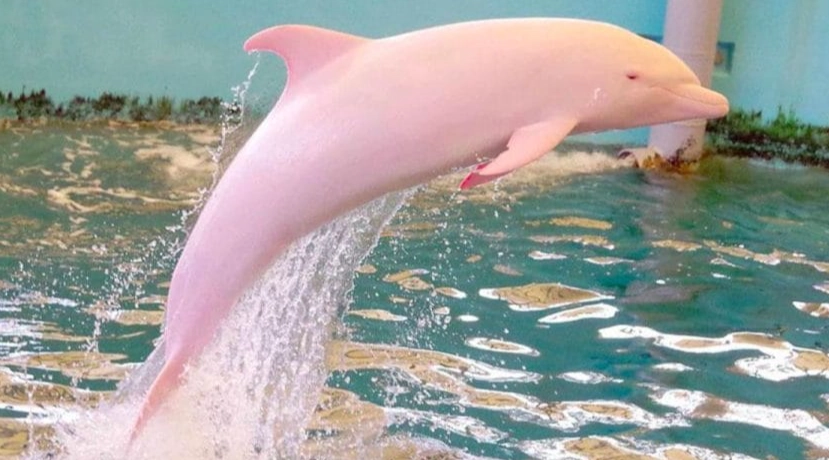
What's Inside This Guide
What Makes Albino Animals Pink? It's Not Magic
Let's cut to the chase. An albino animal has a genetic mutation that disrupts the production of melanin, the pigment responsible for browns, blacks, greys, and even some yellows and reds in skin, hair, scales, and eyes. The key enzyme here is tyrosinase. No working tyrosinase, no melanin.
So why pink? It's not a pigment. It's biology's version of backlighting. With all melanin absent, the skin and outer tissues become semi-translucent. Underneath, you have a network of blood vessels. Light passes through the colorless skin, hits the red blood in those capillaries, and reflects back that rosy hue. The more superficial the blood vessels (like around the eyes, nose, and mouth), the pinker the appearance.
This is why you'll often see the pinkest tones on the snouts, ears, and footpads of mammals, or the bellies of reptiles. The rest of the body might look off-white or creamy because the skin is slightly thicker or has other structural proteins.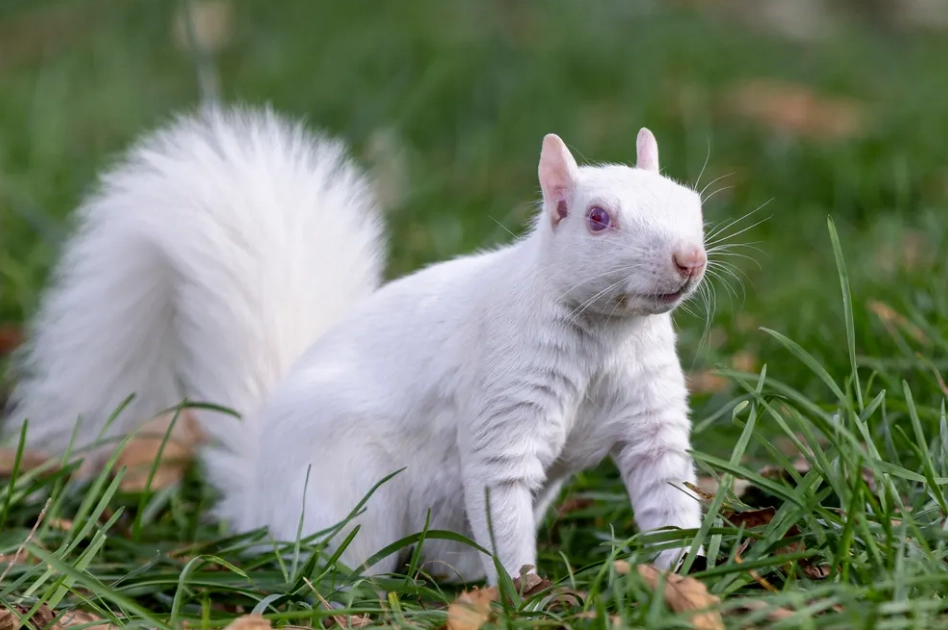
Where and How to Spot Pink Creatures in the Wild
Seeing a pink albino animal in its natural habitat is a lottery win for a wildlife enthusiast. They're exceptionally rare because the mutation is recessive and often comes with survival disadvantages. But it does happen. Here’s a breakdown of some famous examples and the realistic logistics of seeing one.
Pink Amazon River Dolphin (Boto)
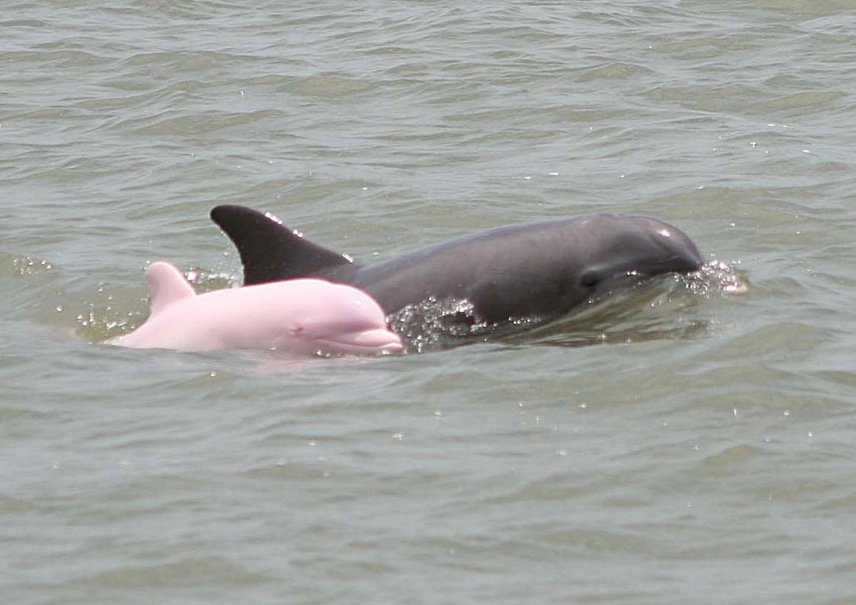
This is the poster child for pink albino animals, but there's a twist. Many healthy male Botos naturally turn pinkish as they age due to scar tissue from fighting. However, true albino Botos with a uniform pink color and pink eyes have been documented. Your best chance is in the Brazilian Amazon, particularly around the Mamirauá Sustainable Development Reserve.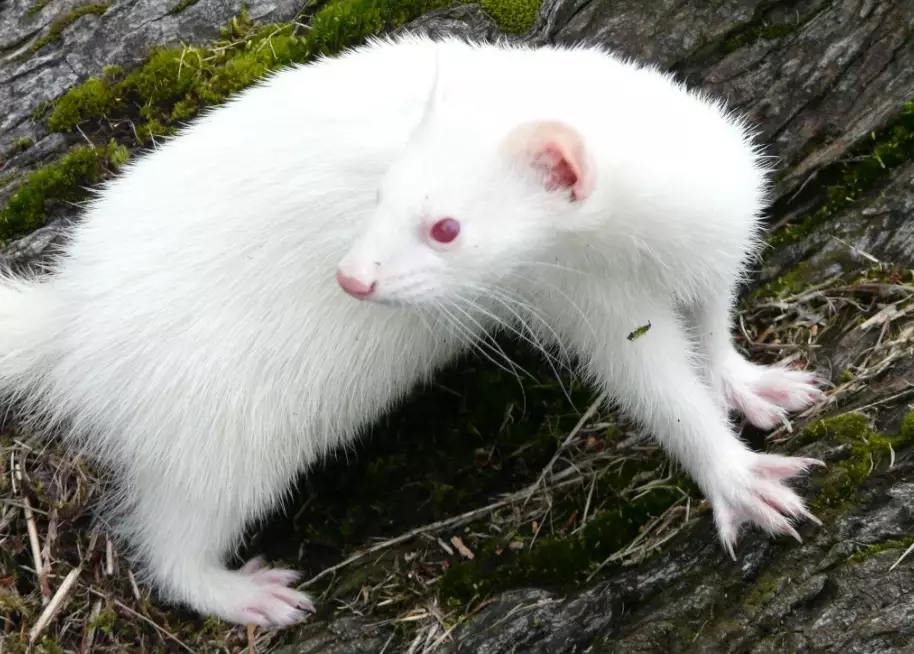
- Best Viewing Method: Book a guided boat tour with a local eco-lodge. Operators in Manaus or Tefé can arrange multi-day trips. Don't expect a guarantee—it's wild nature.
- Timing: The dry season (June to November) is best, when dolphins are concentrated in shrinking river channels.
- Cost: A 3-day tour can range from $500 to $1500 per person, depending on luxury level. The experience of the Amazon is worth it even without the pink dolphin sighting.
I spent a week on the Rio Negro hoping for a glimpse. Didn't see the pink one, but watching a pod of grey Botos at sunset was magic enough. The guides told me stories of fleeting pink sightings, always emphasizing how shy those individuals were.
Albino African Elephant
A few years back, footage of a pink elephant calf in South Africa's Kruger National Park went viral. It wasn't pure white—it had that distinctive pinkish skin, especially visible when wet or in certain lights. True albino elephants are incredibly vulnerable to sunburn and poor eyesight.
Kruger is massive. Your strategy shouldn't be to hunt for the one pink calf. Instead, focus on areas with high elephant density and reliable waterholes.
- Key Areas in Kruger: The region around Satara Rest Camp and the roads leading to the Olifants River are elephant hotspots.
- Logistics: You'll need your own rental car or must join a guided safari drive from a rest camp. Self-driving gives you freedom; a guide has expert eyes.
- Park Fees: As of my last check, conservation fees for international visitors are around $25 per day. Book accommodation inside the park well in advance.
Other Notable Pink Albinos
Albino individuals have been recorded in many species, often appearing pinkish:
| Animal | Where Documented | Notes & Likelihood |
|---|---|---|
| Albino Humpback Whale | Great Barrier Reef, Australia ("Migaloo") | Migaloo is leucistic, not a true albino (more on that below). True albino whales are almost mythical. |
| Albino Snake (e.g., Corn Snake, Python) | Captivity (common), Rarely in wild | The pink/peach hues are striking. In the wild, they rarely survive. Your best bet is a reputable reptile expo or zoo. |
| Albino Kangaroo | Tasmania, Australia | Small populations exist in protected areas. Very shy and often kept in sanctuary settings for their protection. |
The Big Confusion: Not All White or Pink Animals Are Albino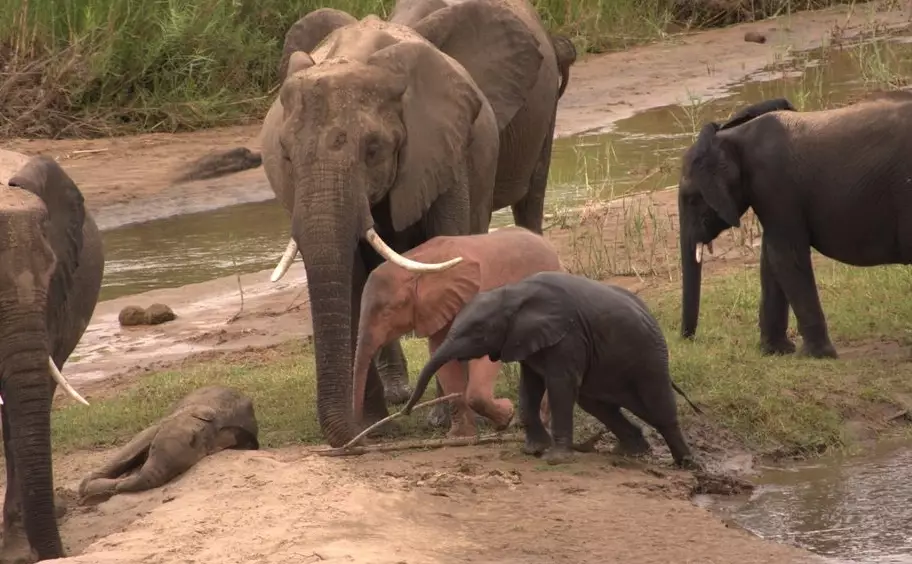
This is where most online articles and social media posts get it wrong, and it's a pet peeve of mine. Throwing around "albino" for any light-colored animal muddies the science. The critical distinction is in the eyes and the type of pigment loss.
True Albinism (Tyrosinase-negative): Zero melanin in skin, hair/fur/scales, and eyes. Results in pink/red eyes and that tell-tale pink skin from blood vessels. This is what we've been discussing.
Leucism: This is the big one. Leucistic animals have a partial loss of pigment. They can appear white, patchy white, or pale. The crucial difference? They typically have normal-colored eyes (blue, brown, etc.). Their skin isn't translucent pink because they may still have some melanin. The famous white tiger? Usually leucistic. Migaloo the white whale? Leucistic.
Why does this matter? For the animal, leucism can be less debilitating than full albinism. Their vision is often normal. For you as an observer or photographer, checking the eye color is the fastest way to make an educated guess. No one can run a DNA test in the field, but dark eyes scream "leucism," not albinism.
The Tough Life: Conservation Challenges for Pink Albinos
That beautiful pink color is a liability in the wild. It's not just about cuteness; it's a survival crisis.
Camouflage Failure: A pink animal in a green forest or brown savanna is a walking beacon for predators. Albino prey animals have drastically lower survival rates to adulthood.
Sun Damage and Skin Cancer: Melanin protects against UV radiation. Without it, albino animals are prone to severe sunburn, lesions, and skin cancers. In the wild, this is a slow, painful death sentence.
Vision Problems: The lack of pigment in the eyes often causes photophobia (light sensitivity), nystagmus (involuntary eye movement), and poor depth perception. This makes hunting, foraging, and spotting danger incredibly difficult.
Social Rejection: In some social species, being different can lead to ostracization by the group, further reducing chances of survival.
This is why many documented pink albino animals end up in the care of wildlife sanctuaries or zoos. It's not captivity for show; it's often a life-saving intervention. Organizations like the IUCN note that while albinism itself isn't a conservation status, the pressures on these individuals highlight the broader challenges of habitat health and genetic diversity.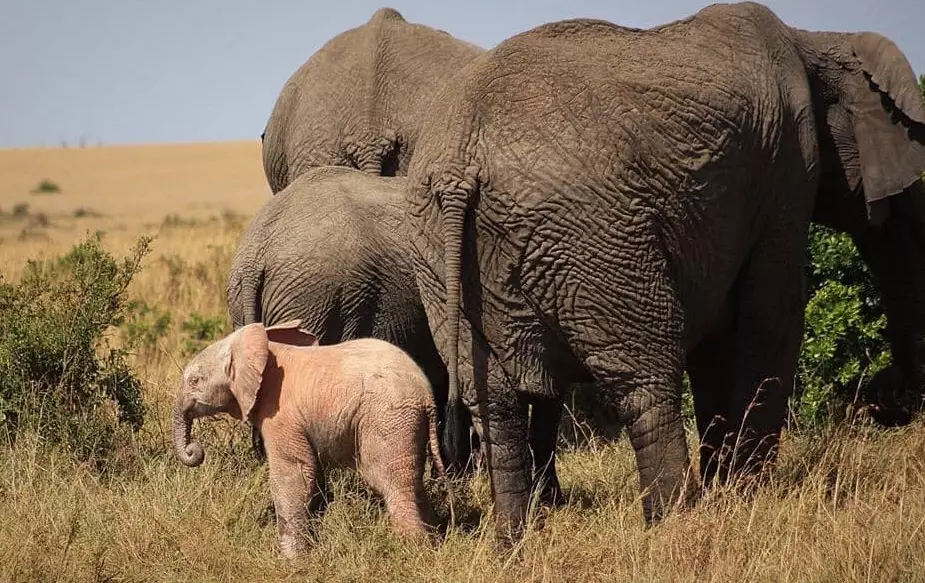
 How can I tell if a "white" animal in a zoo is albino or leucistic from across the enclosure?



Comments
Leave a Comment