You're hiking through a forest when you spot it—a flash of pure white where it shouldn't be. A white squirrel, a pale deer, a ghostly crow. Your first thought is probably "albino." But you're likely wrong. Most of these stunning white animals you see in photos or, if you're incredibly lucky, in person, are not albinos. They have a condition called leucism, and understanding the difference is more than just semantics. It's the key to appreciating their unique biology, their struggles, and the ethics of seeking them out. For over a decade of tracking and observing wildlife, I've seen how this one misconception leads to a cascade of others, from misidentifying animals to unintentionally harming them through well-meaning but misguided actions.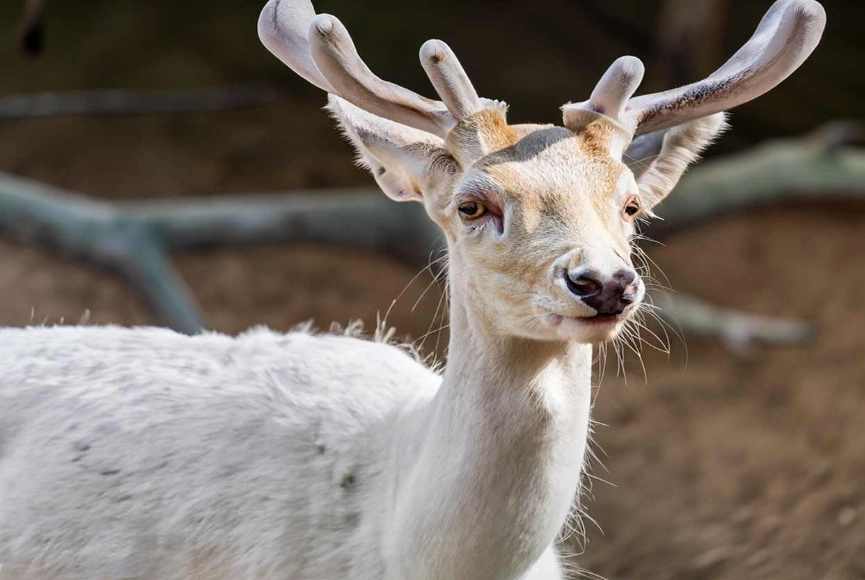
In This Article
What Exactly is Leucism?
Let's strip away the mystery. Leucism (from the Greek "leukos," meaning white) is a genetic condition that results in a partial loss of pigmentation. Unlike a complete system failure, it's more like a patchy, incomplete distribution of color cells called melanocytes. These cells might be absent from certain areas of the skin, fur, feathers, or scales, or they might be present but unable to produce pigment properly.
The result is an animal that can range from having just a few white feathers or a single pale patch (this is called "partial leucism" or "pied") to being almost entirely white. Here's the crucial part everyone misses: the eyes and soft tissues (like the nose and skin) usually retain their normal color. That's your first visual clue. A leucistic deer will have brown eyes. A leucistic robin will have a dark eye. This happens because the melanocytes responsible for eye color develop from a different embryonic layer than those for the coat.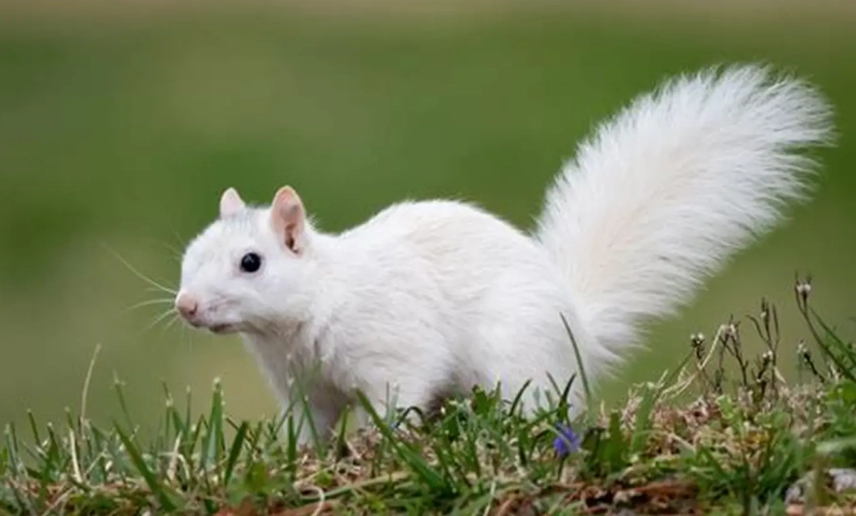
Key Takeaway: Think of leucism as a "paint shortage" rather than a "factory shutdown." The machinery (melanocytes) is either missing in spots or isn't getting the right supplies (tyrosinase enzyme) to make the paint (melanin).
Leucism vs. Albinism: The Critical Differences
This is where most online sources give a vague, one-line answer. Let's get specific. Confusing leucism and albinism isn't just a technical error; it leads to wrong assumptions about the animal's health and needs. The table below breaks it down, but the eye color is the dead giveaway.
| Feature | Leucism | Albinism (True) |
|---|---|---|
| Pigment Loss | Partial. Can be patchy or full-body, but pigment cells are absent or defective in some areas. | Complete. A mutation in the tyrosinase enzyme prevents melanin production entirely, throughout the body. |
| Eye Color | Normal (brown, black, etc.). The retina has pigment. | Red or pink. The lack of pigment in the iris allows blood vessels to show through. The retina lacks pigment, causing photophobia. |
| Skin/Nose Color | Usually normal pigmentation. | Pink due to visible blood vessels. |
| Genetic Cause | Various genes affecting melanocyte migration or survival. | Mutation in the TYR gene (tyrosinase) in most cases. |
| Sun Sensitivity | Increased in white areas (no protective melanin), but normal in pigmented skin. | Extremely high. No protective melanin anywhere, leading to severe sunburn and high skin cancer risk. |
| Common Example | White deer with brown eyes, "piebald" birds. | Albino squirrel with pink eyes and pink nose. |
I once spent hours watching a famous "albino" hawk reported in a local birding forum. Through my scope, I finally got a clear view of its eyes—they were a dark, piercing yellow, not pink. It was a stunning leucistic red-tailed hawk, not an albino. That mislabeling had spread for years, skewing everyone's understanding of its actual biology.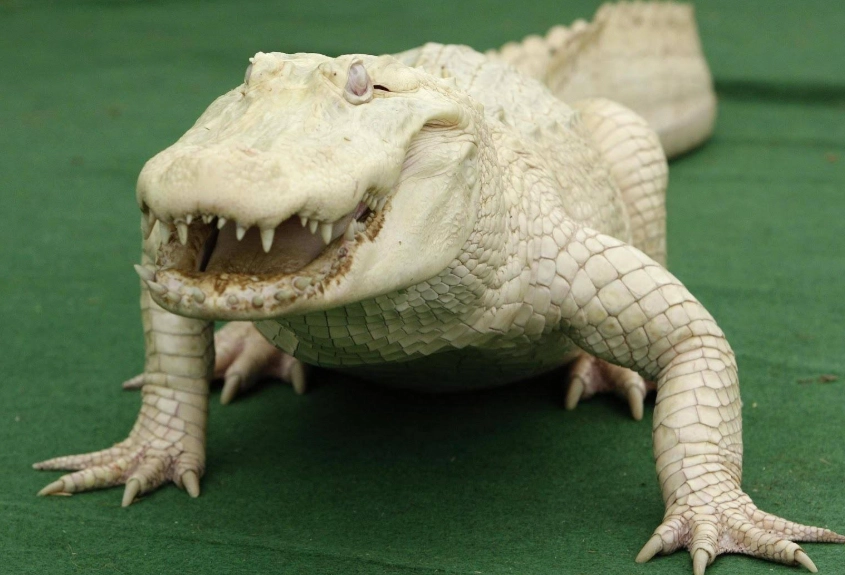
The Hard Truth: Survival Challenges for Leucistic Animals
Romanticizing these animals as "magical ghosts" does them a disservice. Their white coat is a significant handicap in the wild. It's not just about being pretty; it's about survival, and the challenges are brutal and multifaceted.
Predation: The Obvious Target
A white animal in a green and brown world is a beacon. It loses the primary benefit of camouflage. A study on National Wildlife Federation notes that predation rates on conspicuous animals can be significantly higher. A leucistic fawn is far more likely to be picked off by a coyote than its normally-colored siblings.
Thermoregulation and Health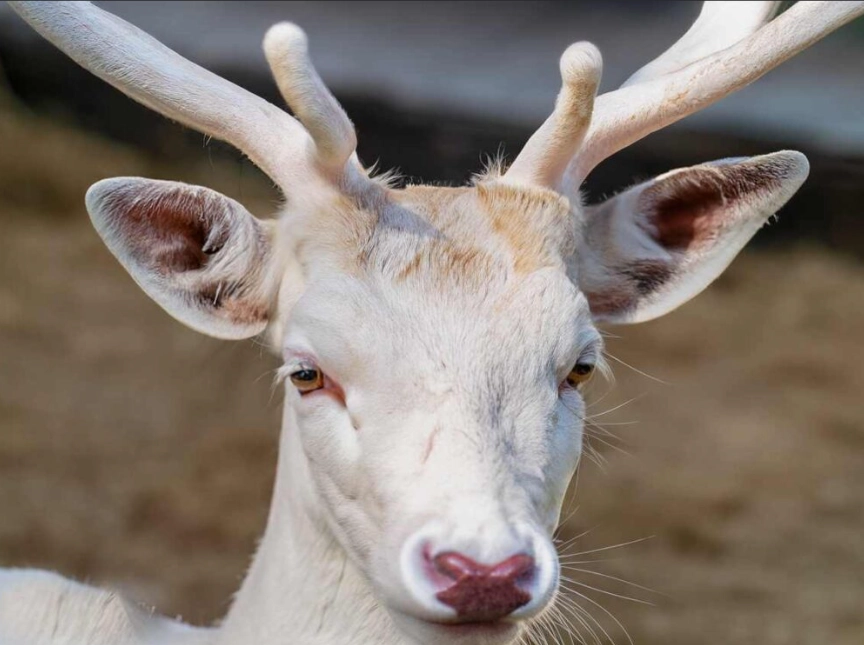
Melanin isn't just for color; it protects against UV radiation. White fur or feathers offer little protection. Leucistic animals can suffer from:
Sunburn and Lesions: Especially on ears, nose, and any exposed pink skin.
Vision Issues: While not as severe as albinos, some partial leucism can affect eye development.
Compromised Feather/Fur Structure: Melanin contributes to the strength of feathers and hair. White feathers are often more brittle and wear out faster, impacting flight or insulation.
Social Rejection and Mating
This is a subtle point most overlook. In highly social or visually-oriented species, being different can mean exclusion. A completely white individual might be rejected by the herd or flock, or fail to attract a mate. Courtship displays often rely on specific color patterns. A leucistic peacock, for all its ethereal beauty, would likely be ignored by females looking for the classic, vibrant eye-spot pattern.
However, it's not all doom. In some cases, particularly with partial leucism (pied), the animal can survive just fine. I've tracked a piebald white-tailed deer for three seasons—she has a large white patch on her flank—and she's successfully raised twins each year, integrating perfectly into her herd. The handicap is most severe for fully leucistic individuals.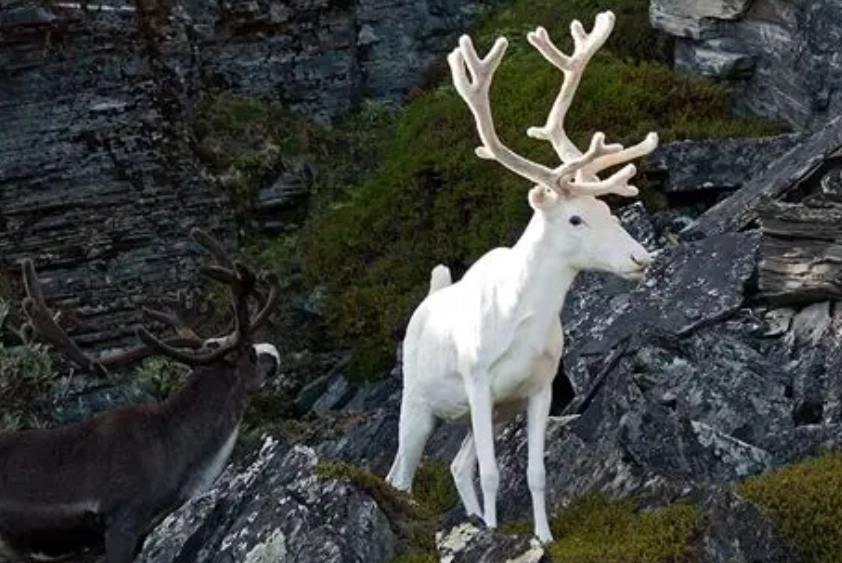
Where and How to See Leucistic Animals Ethically
You can't just google "leucistic animal sanctuary" and book a ticket. Seeing one is about luck, patience, and geography. They're rare, but not as vanishingly rare as you might think. Isolated populations with limited gene pools see higher frequencies.
- White Deer of Seneca Army Depot, New York: Perhaps the most famous population. A herd of leucistic (and some albino) white-tailed deer thrived within the fenced grounds of this former military depot. While public access is limited, surrounding areas in the Finger Lakes region offer potential sightings. The deer have brown or normal eyes, confirming leucism.
- Local Birding Hotspots: Keep an eye on rare bird alerts. Leucistic cardinals, robins, and crows are reported more often than mammals. A partially white crow, sometimes called a "piebald crow," is a classic example of leucism.
- Marine Environments: Leucism occurs here too. A famous example is "Migaloo," the white humpback whale off Australia's coast, confirmed by researchers to be leucistic, not albino. The NOAA has documented leucistic gray seals and dolphins.
Your Best Strategy: Don't hunt for the ghost. Just be an excellent, observant naturalist. Spend time in quality habitat—state parks, national wildlife refuges, large forest preserves. The more time you spend looking at normal animals, the higher your chance of spotting an abnormal one. And report your sighting responsibly to local wildlife groups or on platforms like iNaturalist, noting the eye color clearly.
The Photographer's Dilemma: Ethics Over the Shot
This is my biggest gripe with modern wildlife media. The discovery of a leucistic animal can trigger a "photographer gold rush." I've seen it happen: crowds forming, people getting too close, stressing the animal, and baiting it with food for a better shot.
Here’s the non-negotiable rule: The animal's welfare trumps your portfolio. Always. A leucistic animal is already at a disadvantage. Harassing it for photos increases its stress, burns its precious energy reserves, and may drive it into unsafe territory.
Use a long lens. Keep your distance. Observe its behavior—if it's changing its activity (stopping feeding, looking alert, moving away), you're too close. Never share the precise location publicly. Use vague terms like "a park in Minnesota" rather than geotagging the exact tree. This practice, championed by ethical birding organizations, helps protect vulnerable individuals from being loved to death.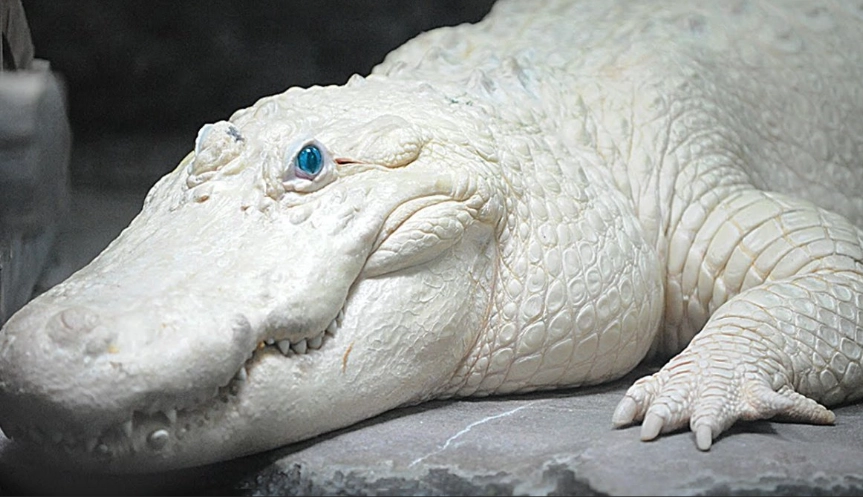
Your Leucism Questions, Answered by an Observer
It depends on the area. An animal with full-body leucism has the same lack of protective melanin in its skin as an albino, so yes, its skin is equally sun-sensitive. However, because its eyes have pigment, it doesn't suffer from the extreme photophobia and poor vision that defines true albinism. A partially leucistic animal only has sensitivity on its white patches.
Absolutely. Leucism is a heritable genetic trait. If two carriers mate, they can produce leucistic offspring. This is why we see higher concentrations in closed populations like the Seneca deer herd or on islands, where the gene pool is small and the trait can become more common through chance or inbreeding.
Almost certainly. Dark eyes are the primary field marker separating leucism from albinism. There are other, rarer conditions like "isabellinism" that can cause pallor, but leucism is by far the most common cause of a fully white, dark-eyed animal. You can confidently call it leucistic.
Not typically for the condition itself. A leucistic animal might end up in care if it's injured, orphaned, or deemed non-releasable due to its high visibility to predators. In captivity, their main extra need is often just providing ample shade and monitoring their skin health. They are usually cared for alongside their normally-pigmented counterparts.
Assuming it's sick, needs rescue, or is an albino. Most leucistic animals are healthy and coping. The impulse to "help" or get too close is the real danger. The best thing you can do is appreciate it from a respectful distance, correctly identify it (note the eye color!), and understand that its white coat is part of its natural, albeit challenging, story.

Comments
Leave a Comment