You type "rarest albino animal" into Google, expecting maybe a list. A snow-white tiger, a pale pink dolphin, an all-white gorilla. They're all incredibly rare, sure. But if we're talking about the single rarest documented albino animal on the planet—the one where genetics, survival odds, and human record-keeping all converge into a perfect storm of scarcity—the crown likely goes to a reptile. Not just any reptile, but the albino alligator. More specifically, the leucistic or true albino individuals of the American alligator (*Alligator mississippiensis*) and other crocodilian species. Let me explain why, and why the story is more complicated than a simple beauty contest.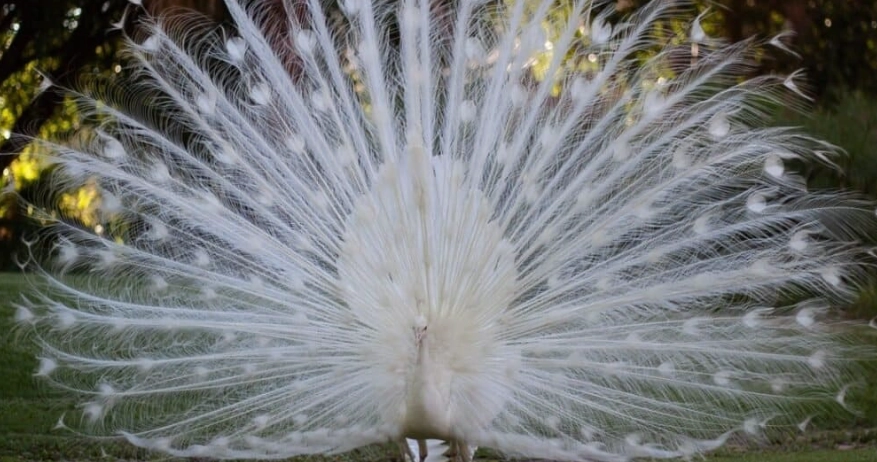
What You'll Find in This Guide
Defining ‘Rarity’ for Albino Animals
First, we need a framework. "Rarest" can mean a few things. Is it the species with the fewest recorded albino individuals ever? Is it the one where an albino has the lowest probability of being born? Or is it the one where an albino has virtually zero chance of surviving to adulthood in the wild? For a truly meaningful answer, we should consider all three.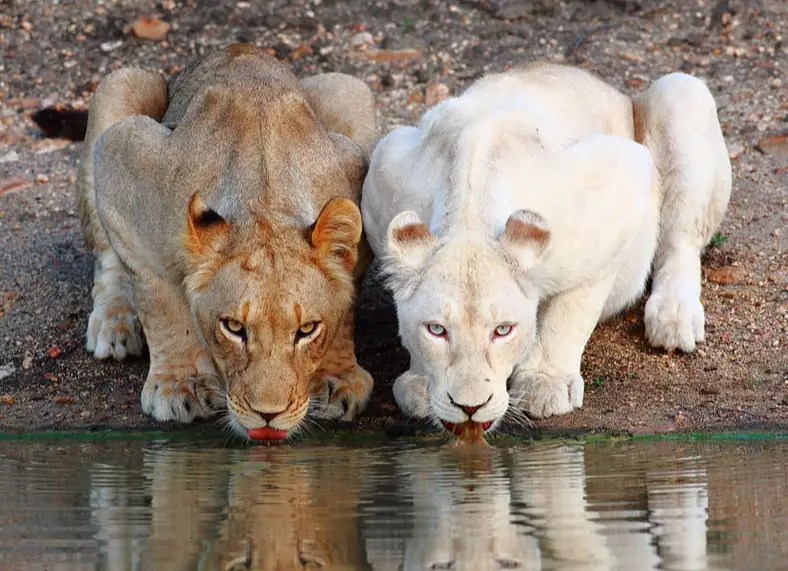
The Triple Criteria for "Rarest": 1) Extremely low genetic probability of the mutation occurring. 2) Near-impossible survival odds in the natural habitat due to the albinism traits (poor eyesight, lack of camouflage, sun sensitivity). 3) A minuscule number of known living individuals in captivity or the wild, backed by reliable records.
Many beautiful albino animals fail the survival test. A white squirrel might live a full life in a suburban park. An albino deer, while a major target for predators and hunters, is documented with some frequency. The true champions of rarity are those that check every single box of improbability.
The Top Contender: The Albino Alligator
This is where the albino alligator stands out. Let's break it down against our criteria.
The genetic odds are astronomically low. Albinism is a recessive trait, requiring both parents to carry the gene. In widespread, genetically diverse wild populations like American alligators, the chance of two carriers meeting and producing an albino offspring is incredibly slim.
But here's the real kicker: survival in the wild is essentially zero. Think about an alligator's life. Hatchlings are bite-sized snacks for birds, raccoons, otters, and even other gators. Their primary defense? Cryptic coloration that blends with muddy water and vegetation. A brilliant white hatchling might as well be waving a flag. Furthermore, albino alligators have severely impaired vision and are highly sensitive to sunlight (lacking protective melanin), making basking—a critical behavior for thermoregulation—dangerous. They'd be blind, sunburned, and glaringly obvious to every predator.
Consequently, every known albino alligator exists solely in captivity. They were either hatched in controlled environments or found as vulnerable hatchlings and immediately brought into care. The total known number? We're talking about a few dozen individuals worldwide across zoos, aquariums, and wildlife parks. The St. Augustine Alligator Farm Zoological Park in Florida, a leader in crocodilian conservation, has housed and bred several. A famous individual named "Bouya Blan" (a leucistic alligator) lived at Gatorland in Orlando.
A quick but crucial distinction: You'll often hear "white alligator." Many are actually leucistic, not truly albino. Leucism causes white coloration but often leaves some pigment in the eyes (so eyes might be blue or normal-colored). True albino alligators have pinkish eyes. Both are phenomenally rare, but true albinism is the rarer of the two genetic conditions.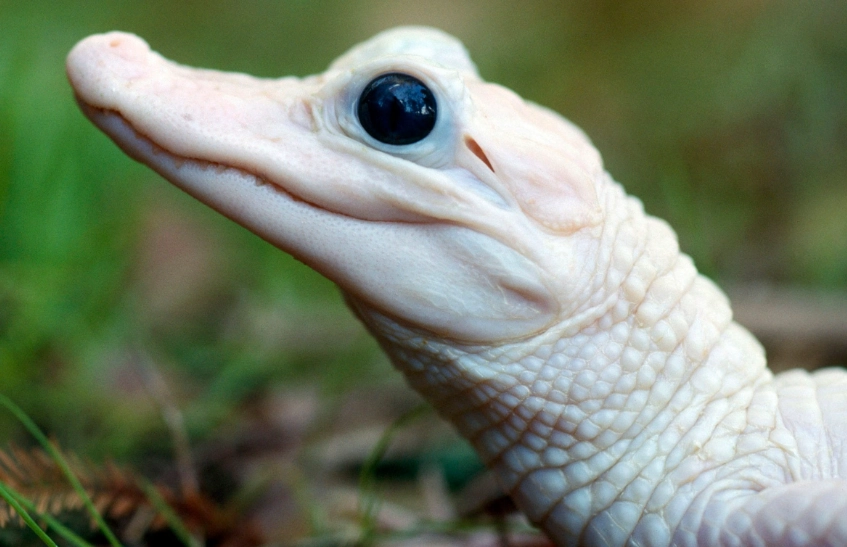
Where You Might See One
If this piques your curiosity, you can actually plan to see one. They are star attractions. The Audubon Aquarium of the Americas in New Orleans famously housed a leucistic alligator. The Wildlife World Zoo, Aquarium & Safari Park in Arizona has one. Always check the specific animal exhibits before you visit, as these precious animals are sometimes moved between facilities for breeding or conservation programs.
Why Are Albino Alligators So Exceptionally Rare?
It's the combination of factors that creates this perfect storm of rarity.
- The Genetic Lottery: The specific mutation is rare in the gene pool.
- Total Lack of Camouflage: In an ecosystem where camouflage is life, being white is a death sentence from day one.
- Sensory and Health Deficits: Poor vision and sun sensitivity cripple their ability to hunt and regulate body temperature.
- No Wild Population: Unlike some albino birds or mammals that might survive with a pack's protection, there is no documented, sustainable wild population of albino crocodilians. Every individual is a captive fluke.
Other Notable (and Very Rare) Albino Animals
To be fair, the albino alligator has stiff competition. These animals are also incredibly rare and deserve mention. The table below compares them.
| Animal | Why It's Rare | Known Population / Survival Odds |
|---|---|---|
| Albino Whales (e.g., Migaloo) | Massive size doesn't hide you in the open ocean. Single famous individual (Migaloo the humpback) documented for decades, suggesting extreme rarity. | Perhaps 1-2 known individuals in a species of thousands. Survival possible due to size, but likely targeted by predators/orcas. |
| Albino Orangutan | Only one reliably documented case (Alba) found in Borneo in 2017. Recessive gene in a critically endangered, fragmented population. | One known individual. Survived in wild due to likely maternal care before rescue. Now in permanent sanctuary care. |
| Albino Koala | Only a handful of records in captivity (e.g., at San Diego Zoo). Wild survival nearly impossible due to high visibility to predators. | A few individuals in zoo history. No known wild survivors. |
| Albino Tiger | Not a true albino but a leucistic color morph of the Bengal tiger. Rarity is now due to captive breeding focusing on this morph, diluting genetics. Wild ones historically were incredibly rare. | All exist in captivity (~200). A wild sighting would be a global event, but none are confirmed in recent decades. |
See the pattern? The albino alligator's case is unique because the combination of low birth probability and absolute zero wild survivability, confined to a few dozen captives, makes its claim to the title "rarest" so strong.
How Do Albino Animals Survive (or Not) in the Wild?
This is the heart of the matter. Albinism isn't just a paint job. It's a genetic condition that comes with a suite of challenges.
Vision problems are almost universal. The lack of pigment in the eyes leads to underdevelopment of the retina and causes photophobia (light sensitivity). This makes hunting and predator detection incredibly hard.
Lack of camouflage is the most obvious issue. In the wild, you're either a hunter or the hunted. Standing out makes you both an ineffective hunter and an easy target.
Sunburn and skin cancer are serious risks. Melanin protects against UV radiation. Without it, prolonged sun exposure is damaging and painful, affecting behaviors like basking for reptiles or foraging for mammals.
Some species have social structures that might protect a rare individual (like an albino elephant in a herd, which has been documented). Solitary animals, or prey species like alligators in their first few years of life, have no such safety net.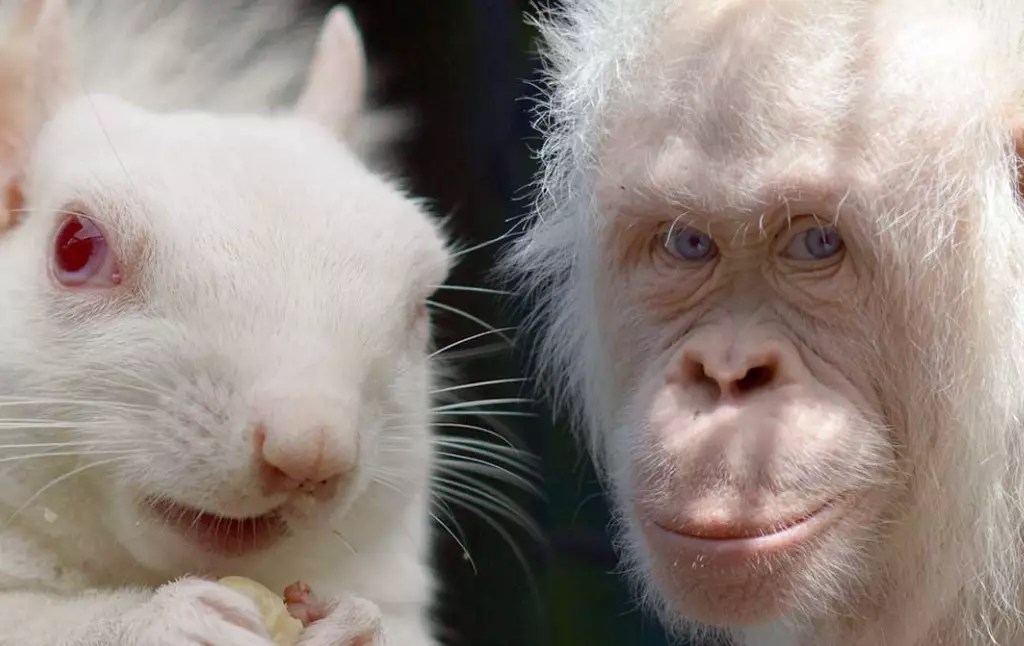
Your Questions on Rare Albino Animals Answered
 Why do zoos breed albino animals if they have genetic problems?
Comments
Leave a Comment