If you're picturing a snail munching on algae or detritus, you're in for a shock. The scaly-foot snail (Chrysomallon squamiferum) doesn't "eat" in any conventional sense. Found exclusively around deep-sea hydrothermal vents in the Indian Ocean, this snail's survival hinges on a bizarre and brilliant partnership with bacteria. Its "diet" is essentially chemical energy, processed by microbes living inside its body. So, what does the scaly-foot snail eat? The short answer is: nothing you can see, and everything it needs comes from the toxic, mineral-rich fluids spewing from the Earth's crust.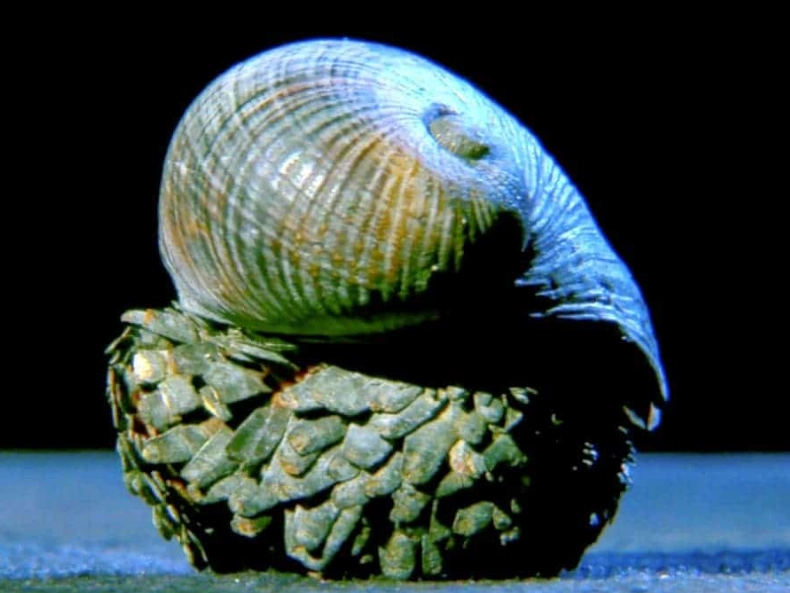
In this deep dive
What Exactly Is a Scaly-Foot Snail?
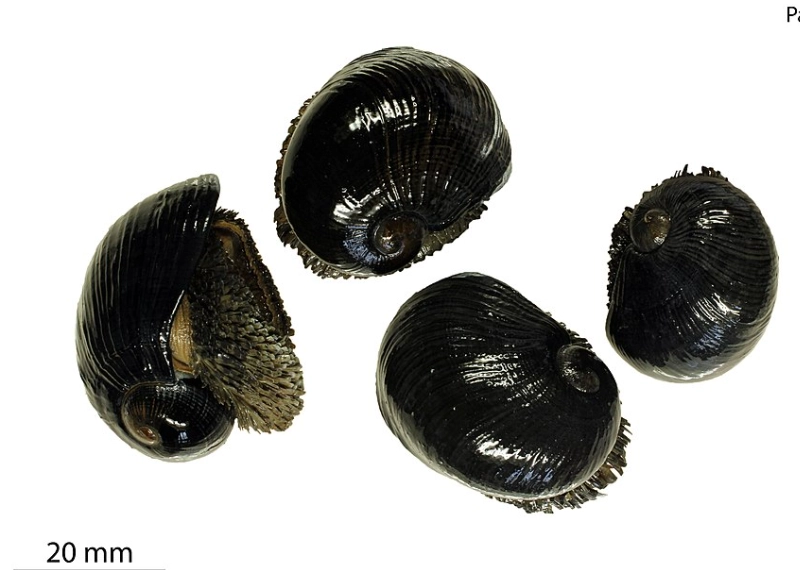
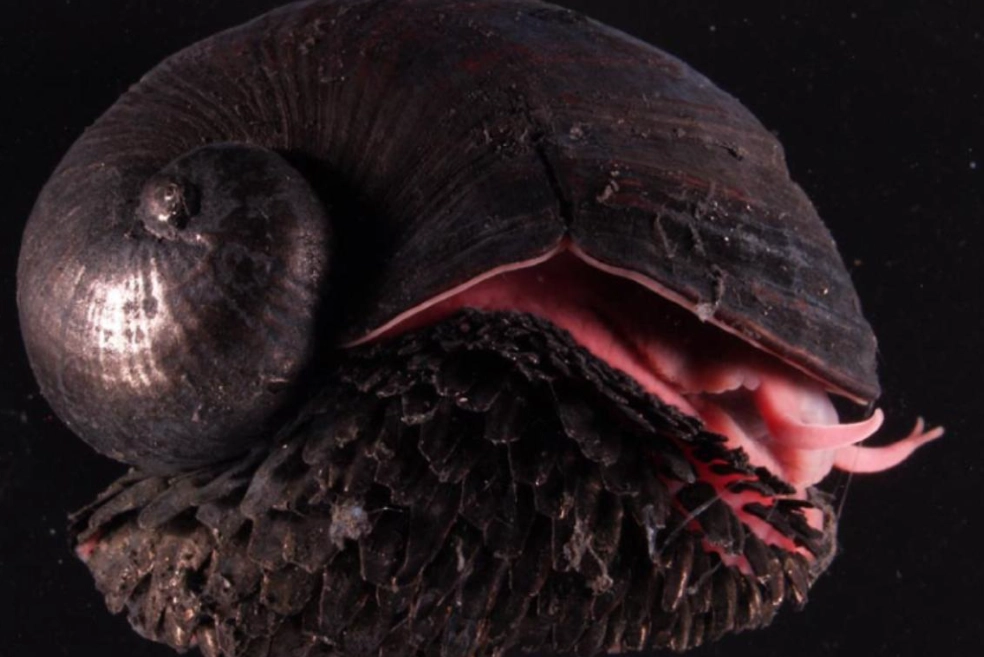
Before we get to the menu, let's meet the guest of honor. This isn't your garden-variety snail. Discovered in 2001 near the Kairei hydrothermal vent field, it's a marvel of evolution. Its most famous feature is its sclerites—hard, scale-like structures covering its foot, which are mineralized with iron sulfides (greigite and pyrite). That's right, it has an iron suit. The shell is also layered with iron, making it incredibly resilient to the crushing pressures and potential predators of the deep.
It lives in a world of extremes: complete darkness, temperatures swinging from near-freezing to over 300°C (572°F) near vent fluid, immense pressure, and water laced with hydrogen sulfide and heavy metals that would be lethal to almost any other animal. The fact that it not only survives but thrives here tells you its biology is fundamentally different.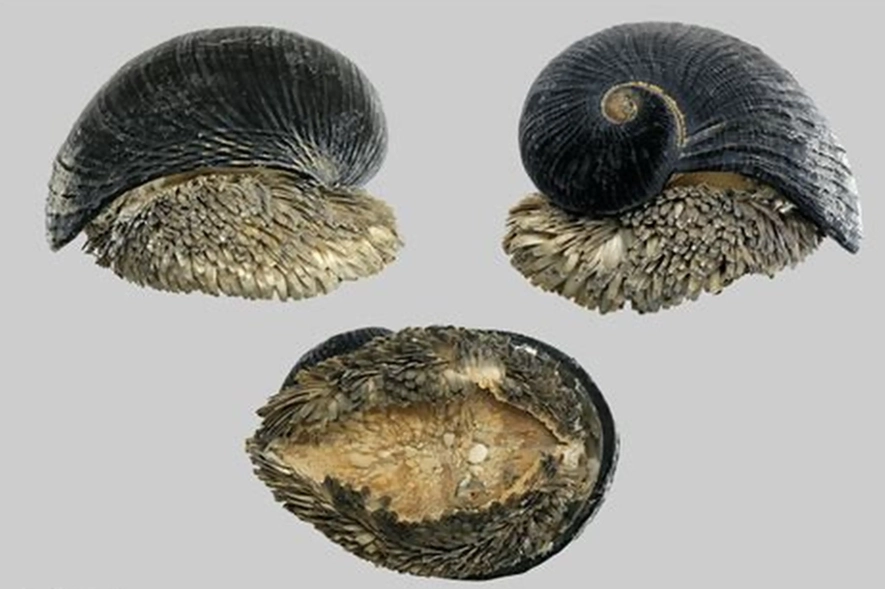
The Chemical Diet: Symbiosis is the Real Meal
Here's the core of it all. The scaly-foot snail possesses a massively enlarged esophageal gland (imagine its throat swelling into a large, specialized organ). This gland is packed with chemosynthetic bacteria. These bacteria are the snail's chefs, and the kitchen is the vent fluid.
How the Symbiotic Kitchen Works
The snail doesn't have a functional digestive system like we do. It can't graze. Instead, it positions itself in the mixing zone where hot, chemical-rich vent fluid meets cold, oxygenated seawater. It then absorbs two key ingredients directly from the water through its skin and gills:
Hydrogen Sulfide (H₂S): A toxic gas that smells like rotten eggs. For most life, it's poison. For the snail's bacteria, it's the primary fuel source.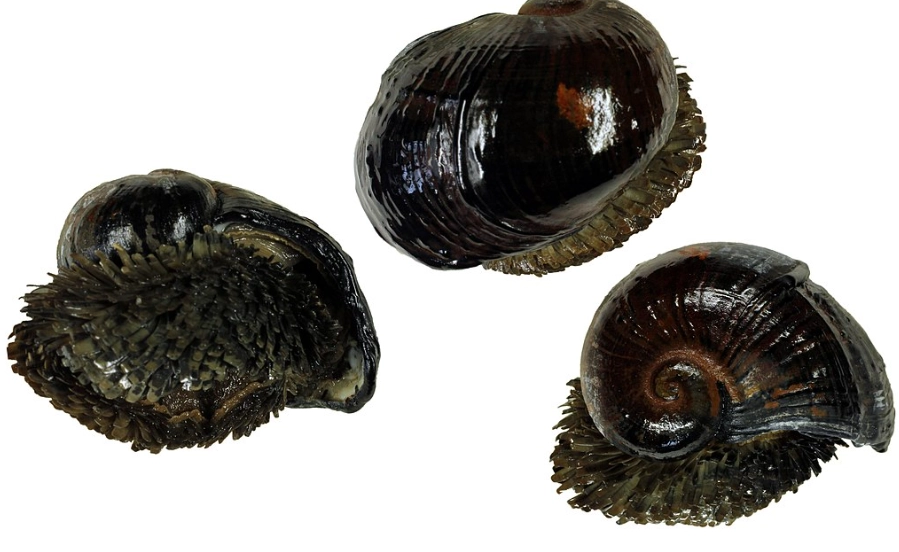
Oxygen (O₂): From the surrounding seawater.
Inside the bacteria, a process called chemosynthesis occurs. Using the energy released from oxidizing hydrogen sulfide, the bacteria convert carbon dioxide (also absorbed from the water) into organic carbohydrates—sugars and other compounds that form the basic building blocks of life. This is analogous to photosynthesis, but uses chemical energy instead of sunlight.
The snail then directly absorbs these nutrients from its bacterial partners. It's a farming operation on a microscopic, internal scale. The bacteria get a safe, mobile home with a steady supply of chemicals; the snail gets its entire food supply manufactured on-site.
| Diet Component | Source | Role in Nutrition |
|---|---|---|
| Hydrogen Sulfide (H₂S) | Hot hydrothermal vent fluid | Primary energy source for chemosynthetic bacteria |
| Carbon Dioxide (CO₂) | Seawater & vent fluid | Raw material for building organic molecules |
| Oxygen (O₂) | Cold, ambient seawater | Used by bacteria to oxidize H₂S (the chemical reaction that releases energy) |
| Organic Compounds (sugars, etc.) | Produced by symbiotic bacteria | The actual "food" absorbed and used by the snail for growth and energy |
A common misconception, even in some older summaries, is that the snail feeds on free-living bacteria floating in the water. While some vent animals do that (like the yeti crab), research, including studies from the Woods Hole Oceanographic Institution, strongly supports that the scaly-foot snail is an obligate symbiotroph—it is completely dependent on its internal bacterial partners for nutrition. Its reduced digestive system is the smoking gun evidence for this.
Why This Weird Diet Matters (Beyond the Snail)
You might think this is just a cool deep-sea fact. But the scaly-foot snail's diet is a window into foundational biological processes and has real-world implications.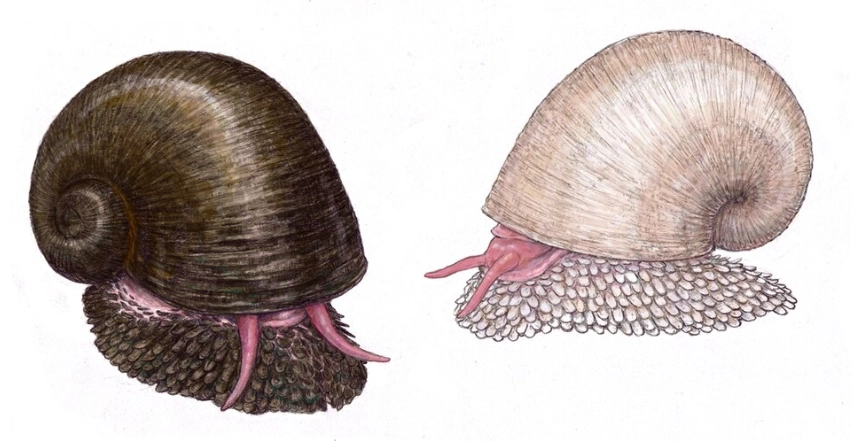
1. A Model for Early Life on Earth (and Elsewhere): Hydrothermal vents are hypothesized to be potential cradles for the origin of life. Chemosynthesis, the very process that feeds this snail, doesn't require sunlight. It shows how complex ecosystems can be built on geological energy. Studying this snail helps us understand how life might arise and persist in extreme environments, including on other ocean worlds like Jupiter's moon Europa or Saturn's moon Enceladus.
2. Biotechnology and Material Science: The snail doesn't just eat weird stuff; it incorporates minerals from its environment into its body. The iron sulfides in its scales and shell are not just armor; their formation is biologically controlled at ambient temperature and pressure. Scientists are studying this biomineralization process to inspire new materials. Imagine manufacturing ultra-strong, lightweight armor or medical implants using the snail's biological blueprint. Reports from institutions like the National Oceanic and Atmospheric Administration (NOAA) highlight deep-sea organisms as sources of novel biochemical compounds.
3. An Indicator Species for Conservation: Its total reliance on active hydrothermal vents makes it a canary in the coal mine for deep-sea mining impacts. If mining disrupts or destroys a vent field, the entire chemosynthetic base of the food web—the snail's bacterial chefs' "kitchen"—vanishes. The snail and its entire community cannot simply move. Understanding its specific dietary needs underscores why protecting these entire hydrothermal vent ecosystems is non-negotiable.
Its Place in the Deep-Sea Food Web
While the snail is a primary producer through its bacteria, it's not at the absolute bottom. It's more accurately a primary consumer that farms its own producers. But it does become food for others, completing the cycle.
In the sparse vent community, predators are few but specialized. The main known predator of the scaly-foot snail is likely a species of deep-sea crab or other large arthropod that can crack its fortified shell. When the snail dies, its iron-rich body decomposes, returning those unique minerals to the vent environment. It's a small but integral part of a highly localized and efficient nutrient loop, entirely divorced from the sun-driven food webs we know at the surface.
This creates a fascinatingly short food chain: Geochemical energy → Chemosynthetic Bacteria → Scaly-Foot Snail → Deep-Sea Crab. Each step is a testament to extreme adaptation.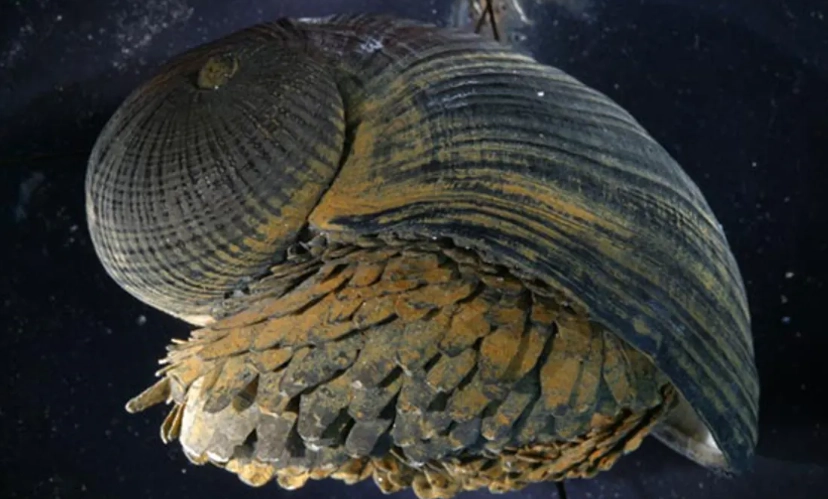
Your Burning Questions Answered
 What happens if the hydrothermal vent it lives on goes inactive?
 So, what does the scaly-foot snail eat? It feasts on the Earth's own geological breath, transformed by microscopic allies into life. Its diet is a story of partnership, extreme adaptation, and the fragile, brilliant interconnectedness of life in the planet's last great wilderness. Understanding this isn't just about satisfying curiosity; it's about appreciating a system so unique that its loss would mean losing a key to understanding life's possibilities.

Comments
Leave a Comment