Forget everything you think you know about snails. The volcano snail, officially known as the scaly-foot gastropod (Chrysomallon squamiferum), isn't found in your garden. It lives in one of the most hostile environments on the planet—deep-sea hydrothermal vents, where superheated, mineral-rich water spews from the ocean floor like underwater volcanoes. This isn't just a quirky animal; it's a biological masterpiece of extreme adaptation, sporting a suit of iron armor and hosting life-giving bacteria in a specialized organ. I remember the first time I saw a specimen at a marine biology conference—it looked less like a snail and more like a medieval knight's gauntlet forged in the deep. Let's dive into what makes this creature so extraordinary and why its survival is hanging by a thread.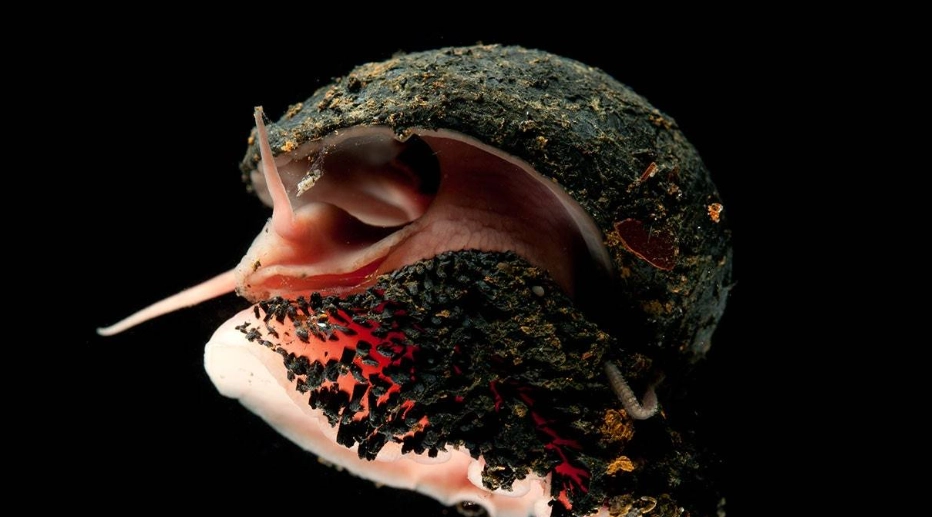
What You'll Discover
The Volcano Snail's Three Superpowers
Most deep-sea creatures are soft and gelatinous, a sensible adaptation to high pressure. The volcano snail scoffs at convention. Its entire survival strategy is built on three interconnected, radical features.
1. The Iron Sulfide Armor
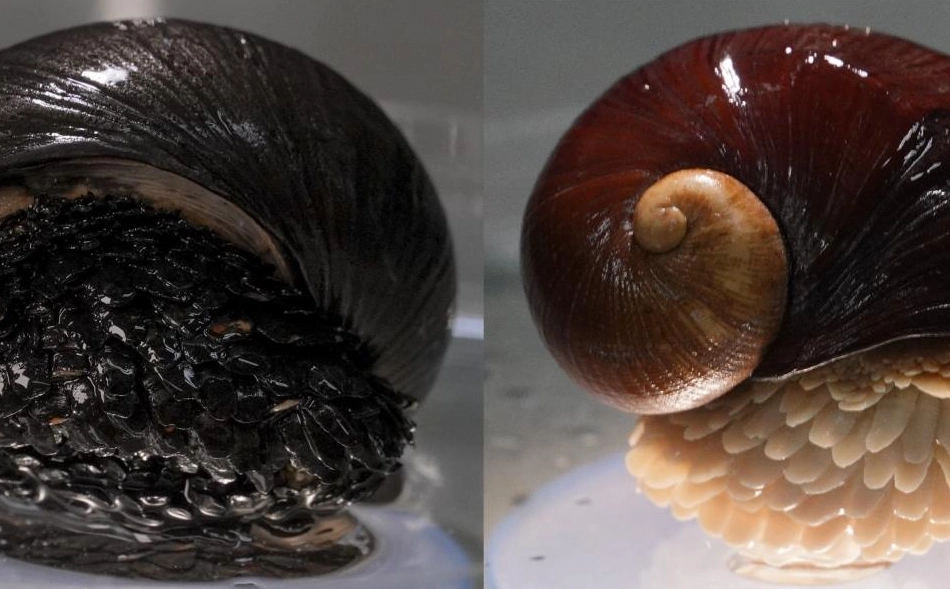
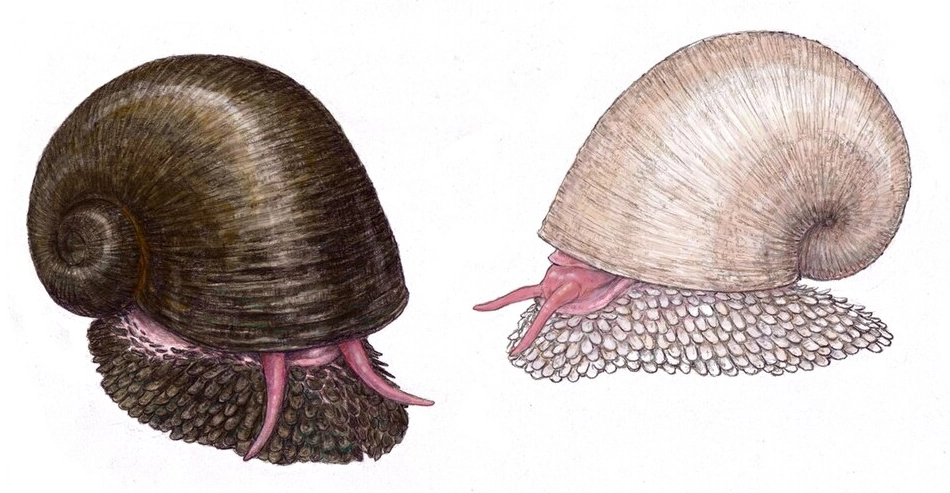
Its most famous trait. The snail's foot—the muscular part it uses to move—is covered in hundreds of overlapping, black, sclerites (scale-like plates). These aren't made of chitin like insect shells. They're mineralized with iron sulfides (greigite and pyrite, aka "fool's gold"). This is the only known animal to incorporate iron sulfides into its skeleton. Think of it as a living, breathing piece of metallurgy. The shell is also reinforced with an iron sulfide layer. This armor serves multiple critical functions: physical defense against predators like crabs, and possibly protection from the corrosive, acidic vent fluids. It's a literal suit of armor, grown from the chemicals in its environment.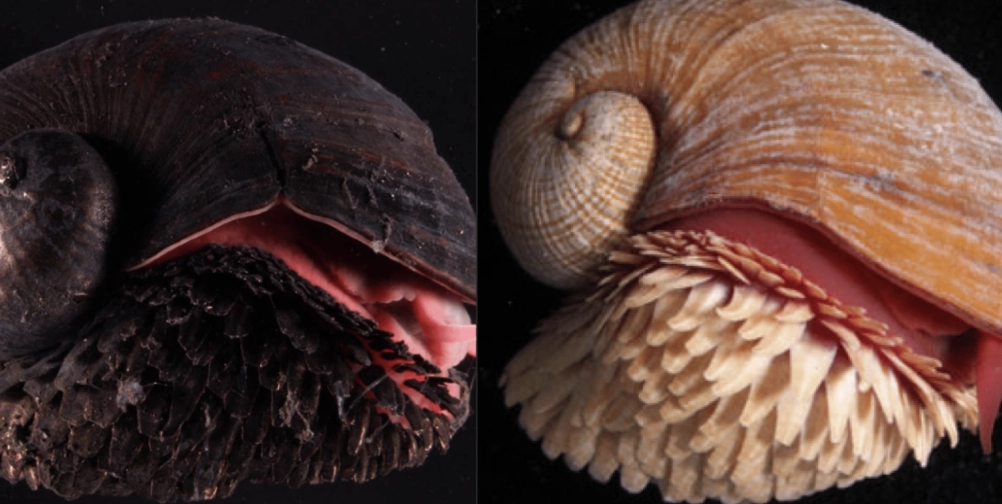
2. The Bacterial Power Plant
The snail doesn't eat in a conventional way. Its digestive system is massively reduced—almost non-functional. Instead, it relies on a giant, ribbon-like organ called the esophagus gland or trophosome, which is packed with chemosynthetic bacteria. These bacteria are the snail's chefs and energy providers. They take the toxic chemicals spewing from the vent (hydrogen sulfide, which is lethal to most life) and, using a process akin to photosynthesis but with chemicals instead of sunlight, convert them into organic carbon—food for the snail. The snail supplies the bacteria with a safe home and vent chemicals absorbed from the water. It's a perfect, obligate symbiosis; neither can live without the other.
3. A Radically Different Body Plan
To accommodate its bacterial partners, the snail's body is completely reconfigured. That giant esophagus gland takes up a huge portion of its body cavity. Its heart is enormous—proportionally one of the largest in the animal kingdom—because it needs to pump blood efficiently to deliver sulfur compounds to the bacteria throughout the large gland. This isn't a minor tweak; it's a fundamental redesign of the gastropod blueprint for a single purpose: hosting bacteria.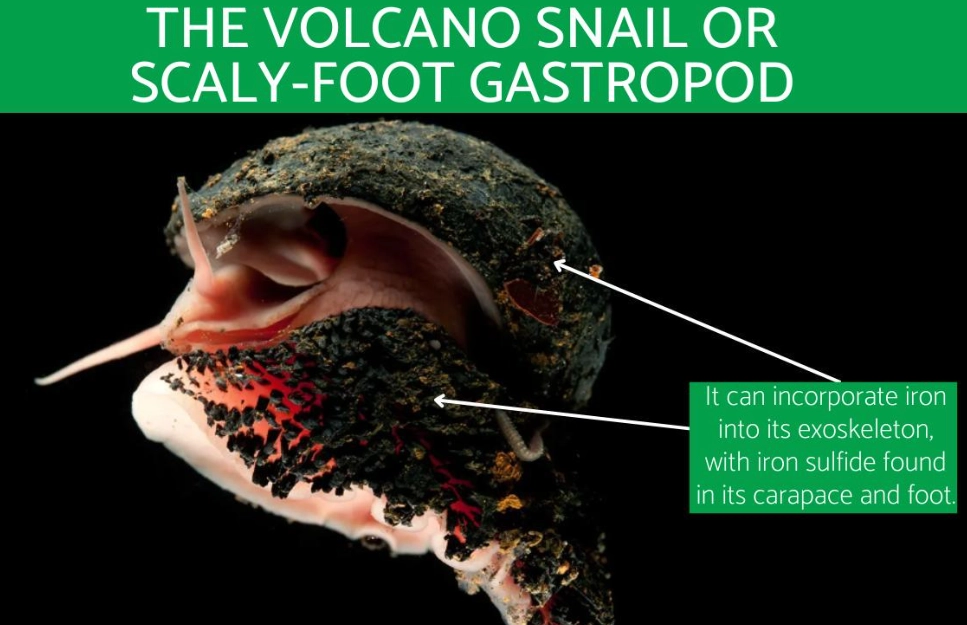
A Quick Snapshot: Chrysomallon squamiferum
Common Names: Volcano snail, Scaly-foot gastropod, Iron snail.
Scientific Name: Chrysomallon squamiferum.
Discovery: First discovered in 2001 on the Kairei vent field in the Indian Ocean.
Size: Shell diameter up to about 4.5 cm (1.8 inches).
Status: Listed as Endangered on the IUCN Red List due to the threat of deep-sea mining.
Habitat Depth: Found between 2,400 to 2,900 meters (about 1.5 to 1.8 miles) below the surface.
Home in a Harsh World: The Hydrothermal Vent
You can't understand the snail without understanding its neighborhood. Hydrothermal vents are cracks in the seafloor, usually along mid-ocean ridges, where seawater seeps down, gets superheated by magma, and erupts back up, loaded with dissolved minerals and chemicals.
| Vent Zone | Conditions | How the Volcano Snail Copes |
|---|---|---|
| Black Smoker Chimney (Immediate Vicinity) | Water temps can exceed 400°C (750°F), high concentrations of toxic hydrogen sulfide and heavy metals, acidic pH, total darkness. | Does NOT live in the superheated plume. It inhabits the cooler periphery (2-10°C), where vent fluids mix with seawater, creating the perfect chemical gradient for its bacteria. |
| Periphery / Mixing Zone | Temperatures from 2°C to ~50°C. Still high in H₂S and metals, but diluted. Extreme pressure (~250 atmospheres). | This is its sweet spot. Its iron armor may neutralize some toxicity. Its blood contains special proteins that bind and safely transport sulfide to its bacterial partners. |
| Surrounding Deep-Sea Floor | Near-freezing (2°C), low food, high pressure, sparse life. | The snail is vent-locked. It cannot survive here. It lacks the ability to find or colonize new, distant vent fields on its own. |
The key takeaway? The snail is a hyper-specialist. It's not just tolerant of these conditions; it's utterly dependent on this very specific, chemically-rich, and geographically tiny habitat. This specialization is its evolutionary triumph and its greatest vulnerability.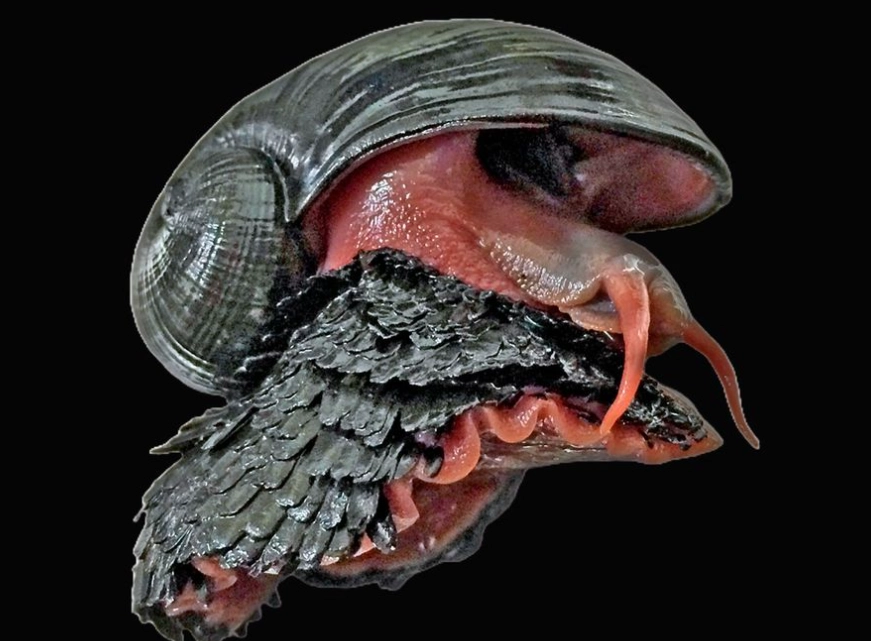
Secrets of Survival in a Toxic Soup
Living here requires solutions to problems most animals never face. Here’s how the volcano snail manages.
Chemical Warfare Defense: The iron sulfide sclerites aren't just hard. Research suggests they may form a protective barrier that reacts with and neutralizes toxic sulfide ions before they can penetrate the snail's soft tissues. It's like having a sacrificial chemical filter built into its skin.
Thermal Regulation (or Lack Thereof): The snail is likely a thermoconformer. Its body temperature roughly matches the surrounding water. It avoids the scalding plumes by staying in the stable, cooler zones around vent chimneys. Its metabolism is slow, suited to the generally cold deep-sea environment, with bursts of activity fueled by its bacterial “battery.”
The Predator Problem: Even here, there are predators. Crabs are the main threat. The iron armor is the primary defense. Some researchers think the sclerites might also be a deterrent because they’re heavy and metabolically expensive for a crab to process, offering little nutritional payback—a theory known as “mineralogical defense.”
One common misconception is that these snails are common around vents. They're not. They have a patchy distribution, even within a single vent field. Finding them requires precise submersible work. I've spoken to researchers who've spent entire dives searching a known field and only spotted a handful of individuals.
The Bigger Picture: Ecosystem and Threats
The volcano snail isn't an isolated oddity. It's a key piece of a unique and fragile ecosystem that exists nowhere else on Earth. Vents are oases of life in the deep-sea desert, and the snail plays a specific role.
It's a primary consumer, thanks to its bacteria, forming the base of a localized food web that can include other gastropods, worms, shrimp, and crabs. Its presence indicates a healthy, chemically-active vent environment.
And this brings us to the sobering reality. The volcano snail was the first deep-sea species to be listed as Endangered on the IUCN Red List due to the threat of deep-sea mining. Why? The very vents it calls home are rich in the same valuable minerals—copper, zinc, gold, silver, and rare earth elements—that coat its body. Mining companies are eyeing these seabed deposits.
The threat isn't that a mining machine will crush a snail. It's that mining will utterly destroy the entire vent habitat, creating sediment plumes that could smother life for miles, and permanently alter the chemical and physical structure of the seafloor. For a species that cannot travel to new vents, this is an existential threat. Conservation efforts are now focused on regulating mining and establishing marine protected areas around known vent fields, like those in the Indian Ocean where the snail lives. Organizations like the International Union for Conservation of Nature (IUCN) and deep-sea research initiatives led by NOAA are central to this fight.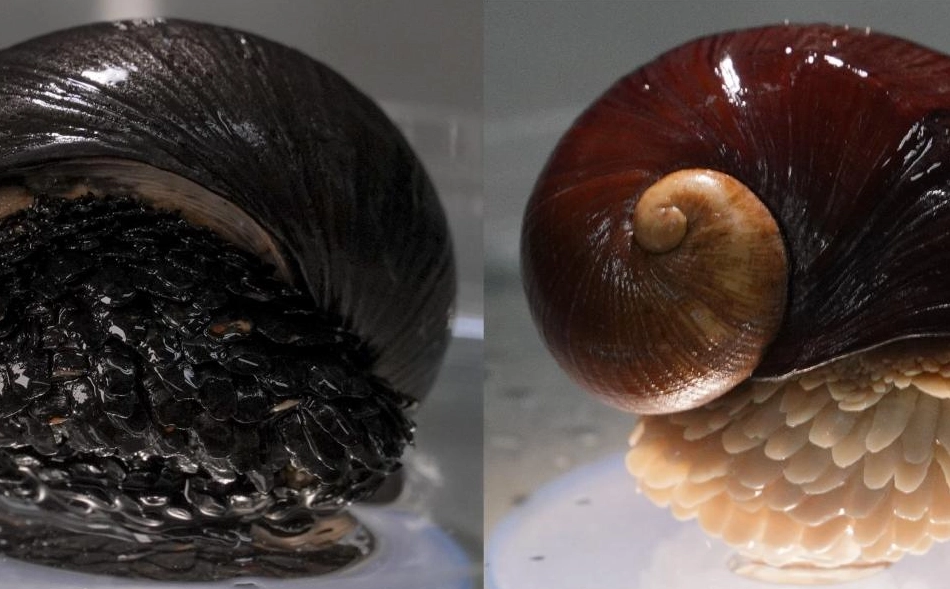
Your Volcano Snail Questions Answered
Could I ever keep a volcano snail as a pet?
Is the volcano snail's iron shell really magnetic or bulletproof?
If the snail's bacteria make its food, why does it still have a mouth and a simple gut?
 How does something that can't move far colonize new, isolated vent fields thousands of miles apart?
 What's the single biggest mistake people make when thinking about deep-sea mining and creatures like this?



Comments
Leave a Comment