Let's cut straight to the point: the scaly foot snail, or Chrysomallon squamiferum if you want the scientific name, isn't your average garden snail. This thing lives over 2,400 meters deep near hydrothermal vents, has a shell made of iron sulfides, and its lifespan? Well, that's where things get fascinating. Most people searching for "scaly foot snail lifespan" are curious about how long these bizarre creatures survive in such an extreme environment, and whether we're at risk of losing them forever. I've been following deep-sea research for years, and I can tell you, the story is more complex than just a number.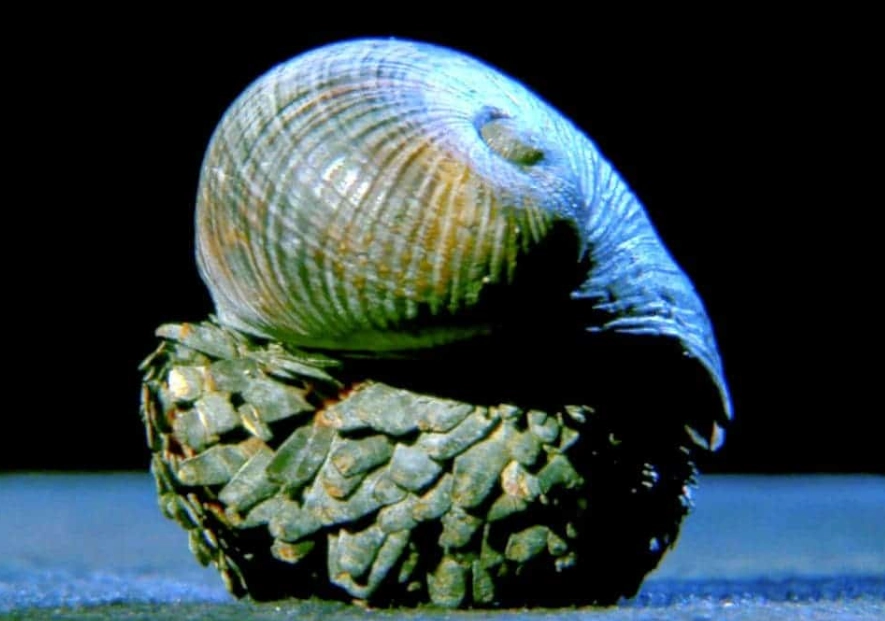
What You'll Learn in This Guide
- What is the Scaly Foot Snail and Why is Its Lifespan So Unique?
- How Long Do Scaly Foot Snails Actually Live? The Numbers Explained
- The Surprising Factors That Dictate Scaly Foot Snail Longevity
- Threats to Scaly Foot Snail Survival: Why Their Lifespan is at Risk
- Conservation Efforts: Can We Protect the Scaly Foot Snail's Future?
- Frequently Asked Questions About Scaly Foot Snail Lifespan
What is the Scaly Foot Snail and Why is Its Lifespan So Unique?
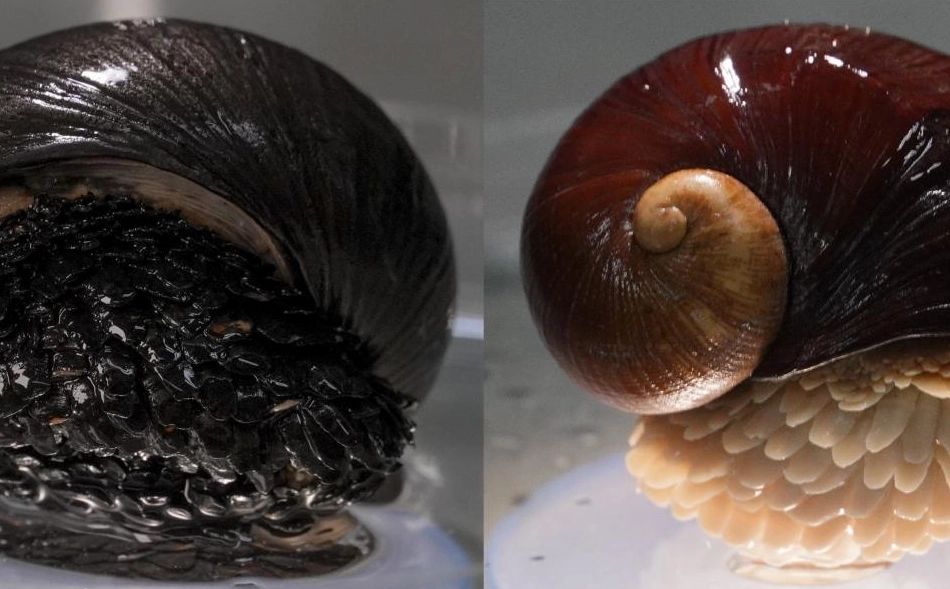
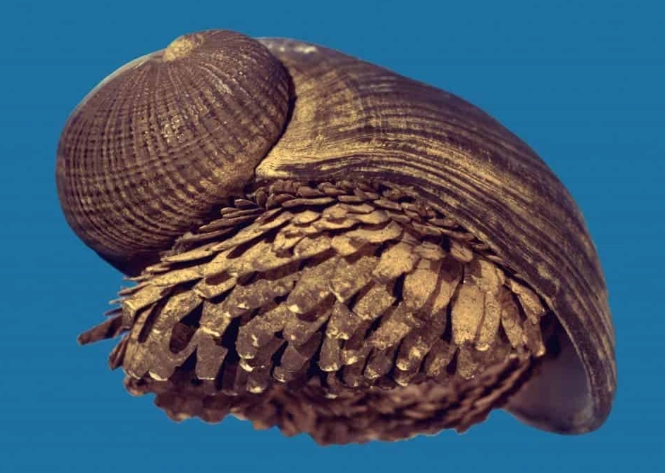
First off, forget everything you know about snails. The scaly foot snail is a gastropod mollusk discovered in 2001 near hydrothermal vents in the Indian Ocean. It's often called the "iron snail" because its shell contains iron sulfides like greigite and pyrite—basically, it's armored with minerals. This isn't just a cool fact; it directly impacts its lifespan. The iron shell provides protection from predators and the harsh, acidic vent environment, which might let it live longer than other deep-sea snails.
I remember talking to a marine biologist who said most people overlook the snail's symbiotic relationship with bacteria. It hosts chemosynthetic bacteria in its enlarged esophageal gland, which convert chemicals from the vents into food. This means the snail doesn't rely on sunlight or typical food chains. Its lifespan is tied to the stability of these vent ecosystems, something we're only starting to understand.
The Role of Hydrothermal Vents in Snail Longevity
Hydrothermal vents are like underwater geysers, spewing hot, mineral-rich water. They're unpredictable—venting can stop suddenly, wiping out entire communities. The scaly foot snail has adapted to this by having a slow metabolism, which might extend its life. Studies from the International Seabed Authority suggest vent species often have longer lifespans due to low predation and stable energy sources, but the snail's exact age is hard to pin down because deep-sea research is so tough.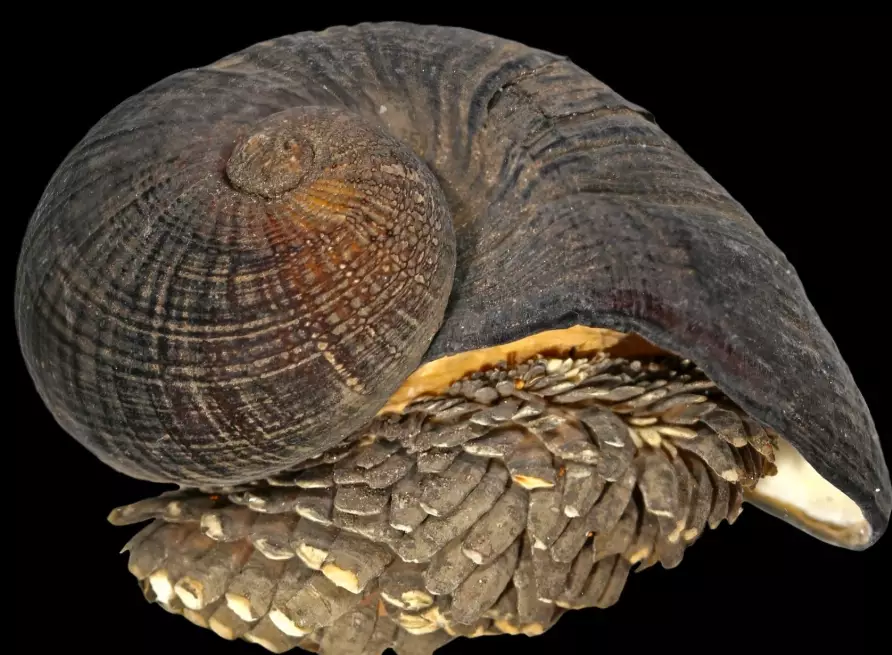
Here's a table summarizing key traits that influence its lifespan:
| Trait | Description | Impact on Lifespan |
|---|---|---|
| Iron Sulfide Shell | Provides physical protection and resists corrosion | Likely increases survival against predators and environmental stress |
| Chemosynthetic Symbiosis | Relies on bacteria for nutrition from vent chemicals | Reduces food scarcity risks, potentially extending life |
| Deep-Sea Habitat | Lives at depths over 2,400m near hydrothermal vents | Low temperature and high pressure may slow aging processes |
| Slow Metabolism | Adapted to energy-limited environments | Could lead to longer individual lifespans, similar to other deep-sea creatures |
You see, the snail's lifespan isn't just about time; it's about how it survives in a world of extremes. Most estimates come from indirect methods like shell growth rings or population studies, since we can't exactly tag and recapture them easily.
How Long Do Scaly Foot Snails Actually Live? The Numbers Explained
So, how long do they live? Based on research from institutions like the Woods Hole Oceanographic Institution and published papers in journals like Nature, the scaly foot snail's lifespan is estimated to be between 10 and 25 years. Some experts think it could be longer—up to 30 years or more—but that's speculative. The truth is, we don't have exact data because observing them in situ over decades is nearly impossible.
Let me break it down. In a 2019 study, scientists analyzed shell layers and suggested an average lifespan of around 15 years for adults. But here's the catch: that's under ideal vent conditions. If the vent goes dormant, the snail might starve within months. Their lifespan is tightly linked to their environment, not just biology.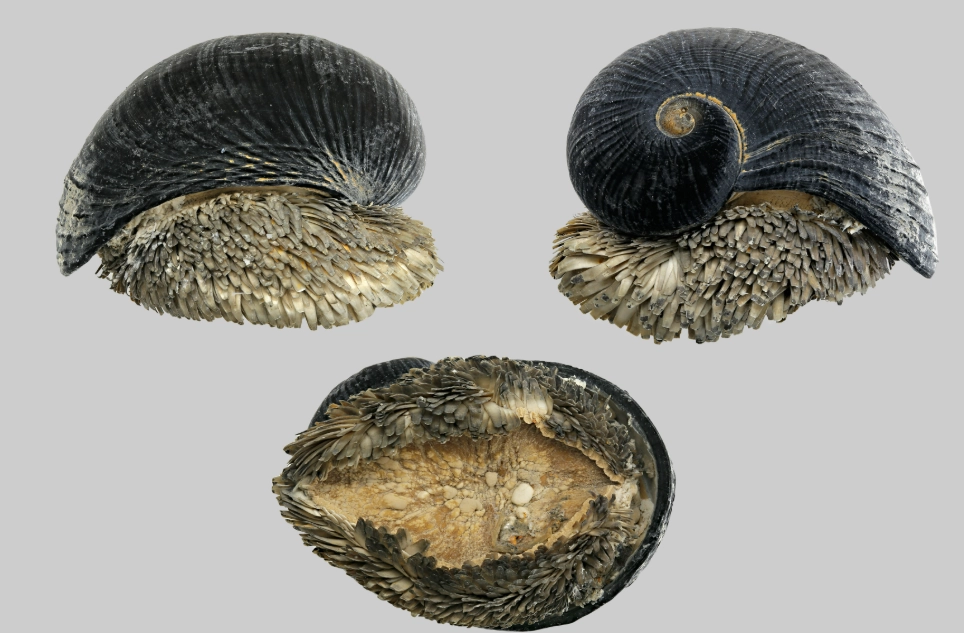
One thing that annoys me is when websites throw out a single number without context. The scaly foot snail's lifespan varies wildly depending on location. For example, populations near more stable vents might live longer, but we lack comprehensive surveys to confirm this.
Comparing Lifespans: Scaly Foot Snail vs. Other Snails
To put it in perspective, garden snails live 2-5 years, while some land snails can hit 10 years. Deep-sea snails often have longer lifespans due to slower life cycles. The scaly foot snail is on the higher end, thanks to its unique adaptations. But compared to vent tubeworms that can live centuries, it's relatively short-lived. This contrast shows how diverse deep-sea longevity can be.
I've seen reports from the IUCN Red List that classify the scaly foot snail as endangered, partly because its lifespan makes it vulnerable to slow recovery from disturbances. If it takes 15 years to reach maturity, any threat can wipe out generations quickly.
The Surprising Factors That Dictate Scaly Foot Snail Longevity
It's not just about age; it's about what keeps them alive. Several factors play into the scaly foot snail lifespan, and some are counterintuitive.
- Vent Fluid Chemistry: The snail thrives on hydrogen sulfide and other chemicals. Changes in vent composition, say from natural shifts or human activity like mining, can disrupt their food source. I recall a researcher mentioning that even slight pH drops can stress the snails, shortening their lives.
- Predation Pressure: Surprisingly, they have few predators due to their iron shell. But deep-sea crabs and fish might prey on juveniles. Low predation likely contributes to their longer lifespan, but it's a double-edged sword—if a new predator invades, they're not adapted to high mortality.
- Reproductive Cycle: They reproduce slowly, with limited offspring. This means population growth is slow, so individual lifespan matters more for species survival. If adults die early, the whole group could collapse.
Temperature is a big one. Hydrothermal vents can reach over 300°C, but the snail lives in cooler peripheral zones. Thermal tolerance studies suggest they can handle fluctuations, but prolonged exposure to higher temperatures might accelerate aging. It's like living on the edge of a volcano—you're fine until you're not.
Another factor often missed is genetic diversity. Isolated vent populations have low diversity, which could make them susceptible to diseases or environmental changes, potentially cutting lifespan. A paper in Proceedings of the Royal Society B hinted at this, but more data is needed.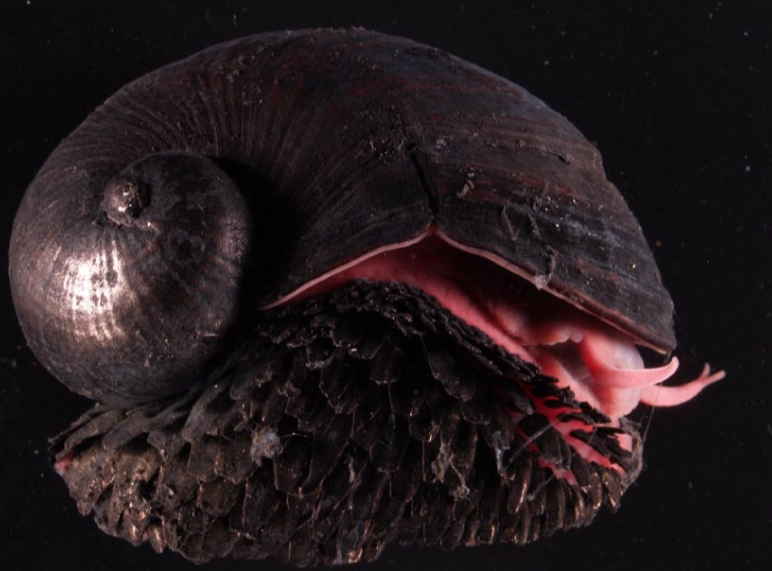
Threats to Scaly Foot Snail Survival: Why Their Lifespan is at Risk
Here's where it gets real. The scaly foot snail's lifespan isn't just a curiosity; it's under threat from human activities. Deep-sea mining is the elephant in the room. Companies are eyeing vent areas for minerals, and mining could destroy habitats in minutes. The snail's slow life cycle means recovery could take centuries, if at all.
Climate change affects ocean chemistry and currents, potentially altering vent systems. Even if vents remain, increased acidity from carbon absorption might corrode their iron shells over time. I spoke to a conservationist who said we're playing with fire—these snails might not adapt fast enough.
Pollution is another issue. Plastics and toxins sinking to the deep sea can accumulate, though direct impacts on scaly foot snails are unclear. But given their sensitivity, it's plausible that contaminants could shorten their lifespan by affecting health or reproduction.
Case Study: The Impact of Deep-Sea Mining on Lifespan
Take the proposed mining in the Indian Ocean. Models from the Deep Sea Conservation Coalition show that sediment plumes from mining could smother vent communities, reducing food availability. For scaly foot snails, this could mean starvation within months, drastically cutting individual lifespans and population viability. It's not just killing them outright; it's shortening their natural life span through chronic stress.
We have limited direct observations, but analogies from other vent species suggest lifespan reductions of 50% or more in disturbed areas. That's a big deal for a snail that might live 20 years—it could drop to 10, leaving less time for reproduction.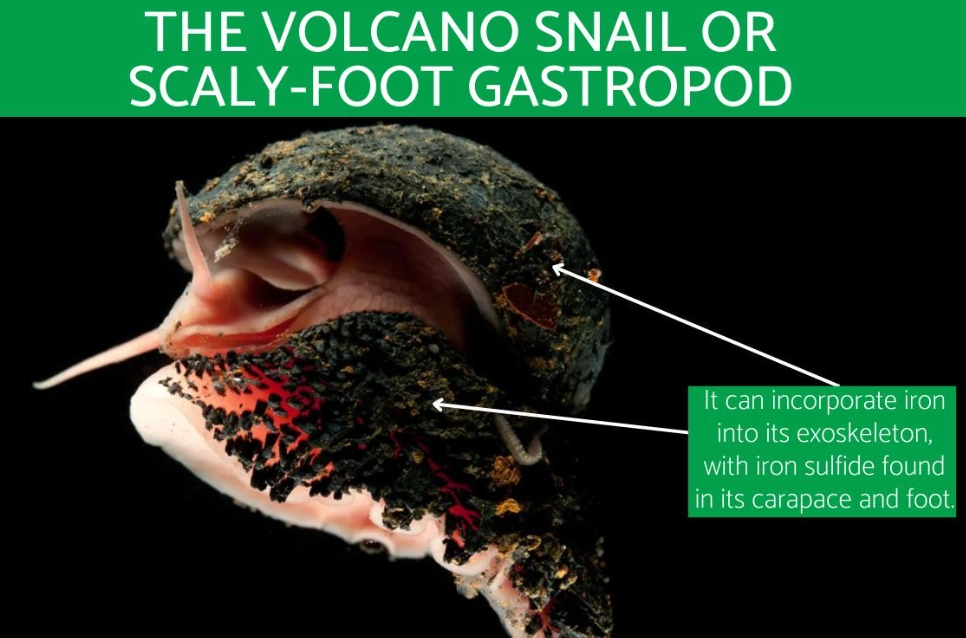
Conservation Efforts: Can We Protect the Scaly Foot Snail's Future?
So, what's being done? The scaly foot snail is listed as endangered on the IUCN Red List, which highlights its vulnerability. Conservation efforts focus on habitat protection, mainly through marine protected areas (MPAs). For instance, the Indian Ocean vents are under discussion for MPA status, but progress is slow due to political and economic pressures.
Research is key. Organizations like the National Oceanic and Atmospheric Administration (NOAA) support deep-sea expeditions to study these snails. By understanding their lifespan better, we can advocate for stronger protections. I've seen projects that use non-invasive techniques like imaging to estimate age without harming them.
Public awareness helps. When people learn about this unique snail, they're more likely to support conservation. But let's be honest—deep-sea creatures don't get the same attention as pandas or dolphins. We need to frame it around their lifespan: protecting them means preserving a marvel of evolution that could teach us about survival in extreme environments.
- Policy Actions: Push for international bans on deep-sea mining near vent sites.
- Scientific Monitoring: Long-term studies to track lifespan trends and threats.
- Community Engagement: Involve local communities in conservation, though this is tricky for remote deep-sea sites.
It's a race against time. If we act now, we might secure a future where scaly foot snails live out their full lifespan. If not, we risk losing them within decades.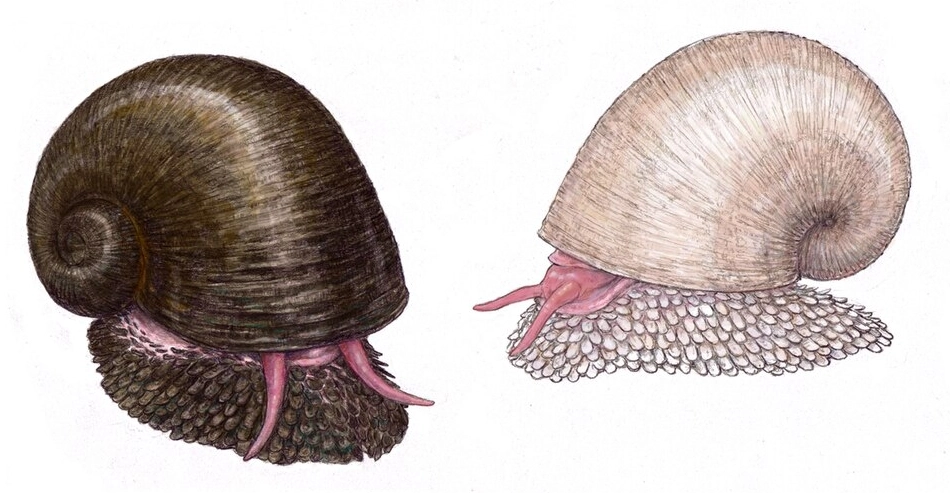
Frequently Asked Questions About Scaly Foot Snail Lifespan
 Are there any captive scaly foot snails in aquariums to study their lifespan up close?
Wrapping up, the scaly foot snail lifespan is a window into deep-sea survival. It's not just about counting years; it's about understanding how these incredible animals persist in one of Earth's harshest environments. With threats looming, their future—and our knowledge of it—hangs in the balance. Let's hope we can keep them around for generations to come.


Comments
Leave a Comment