So, you're wondering, are turacos rare? It's the first question that pops into anyone's head after seeing a photo of these absurdly colorful birds. The answer isn't a simple yes or no. It's a frustrating but fascinating "it depends." Having spent years tracking birds across eastern and southern Africa, I've had the luck to watch a flock of common, raucous Knysna turacos one day and spend a week fruitlessly searching for a whisper-quiet Fischer's turaco the next. Their rarity is a spectrum, directly tied to where they live and how much trouble we've caused in their backyard.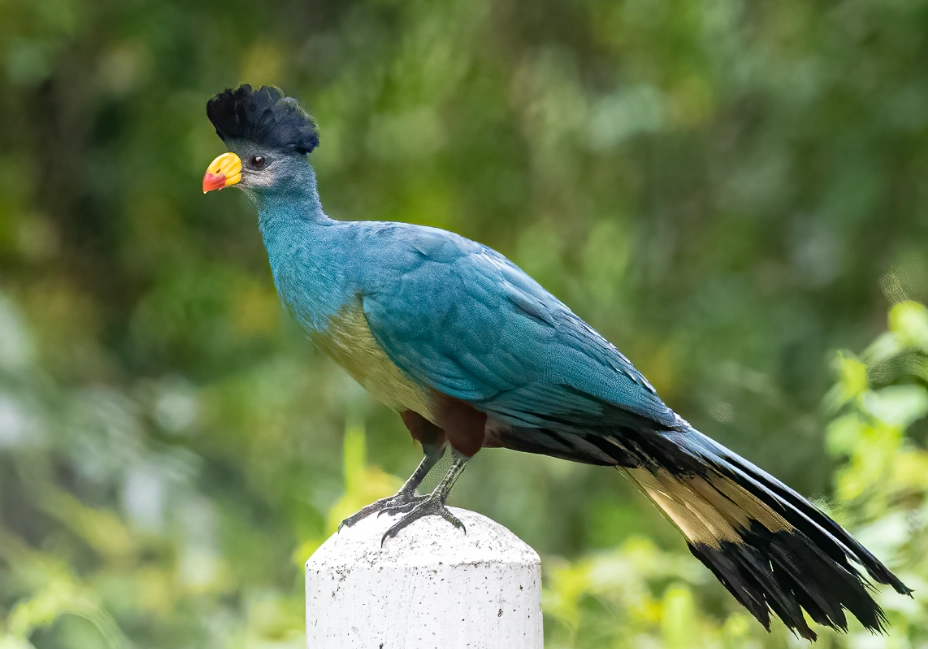
What You'll Find in This Guide
The Short Answer to "Are Turacos Rare?"
Some turaco species are incredibly common and a familiar sight in their habitats. Others are teetering on the brink of extinction. The majority fall somewhere in between—vulnerable, declining, but not yet critical. To call all turacos "rare" is a mistake I hear often. It glosses over the reality. The Livingstone's turaco is relatively widespread in certain moist forests. You can't miss the go-away-birds (yes, they're turacos too) in the dry savannas; their nasal calls are everywhere. But try finding a Bannerman's turaco in the fragmented highland forests of Cameroon. That's a challenge for even the most dedicated birders.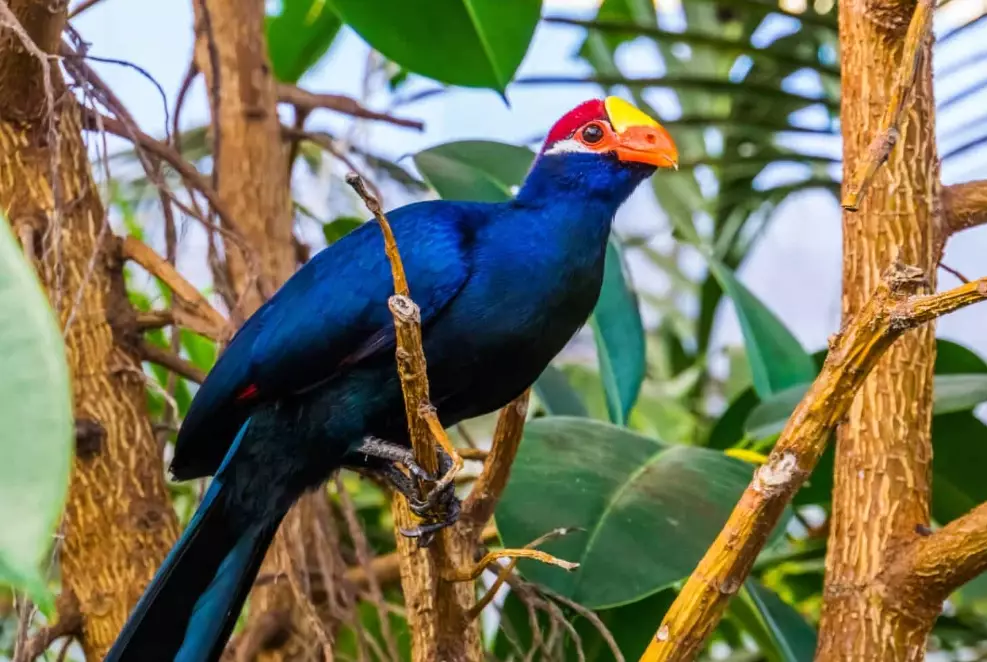
The core issue: Rarity isn't just about total numbers. It's about range. A bird with a small, shrinking geographic range is often in more danger than one with low density across a vast area. Many turacos are habitat specialists—they need very specific forests to survive. No forest, no turaco. It's that simple.
Why Are Some Turacos Rare?
If you're picturing hunters with nets, that's only a small part of the story. The primary driver is boring, systematic, and devastating: habitat loss.
Habitat Destruction: The Silent Threat
Across Africa, forests are being cleared for agriculture, timber, and human settlement. Turacos, especially the forest-dependent species, can't just pack up and move. The Great Blue Turaco needs large, mature trees for feeding and nesting. Turn a forest into a palm oil plantation or a patchwork of farms, and the turaco population collapses. It's not an immediate die-off; it's a slow strangulation as their living space shrinks and fragments.
I've seen it firsthand.
On the edges of Kakamega Forest in Kenya, the calls of the Black-billed Turaco get fainter each year as the forest border recedes. They're not being hunted. Their home is literally being eaten away.
The Pet Trade and Hunting
This is the flashier, more direct threat. Their stunning plumage makes them targets. While international trade is restricted under CITES, domestic and illegal capture still happens. In some regions, they are hunted for food or their feathers, which are used in traditional ceremonies. The pressure might be localized, but for a species with a tiny range, like the Ruwenzori Turaco, even low levels of hunting can have an outsized impact.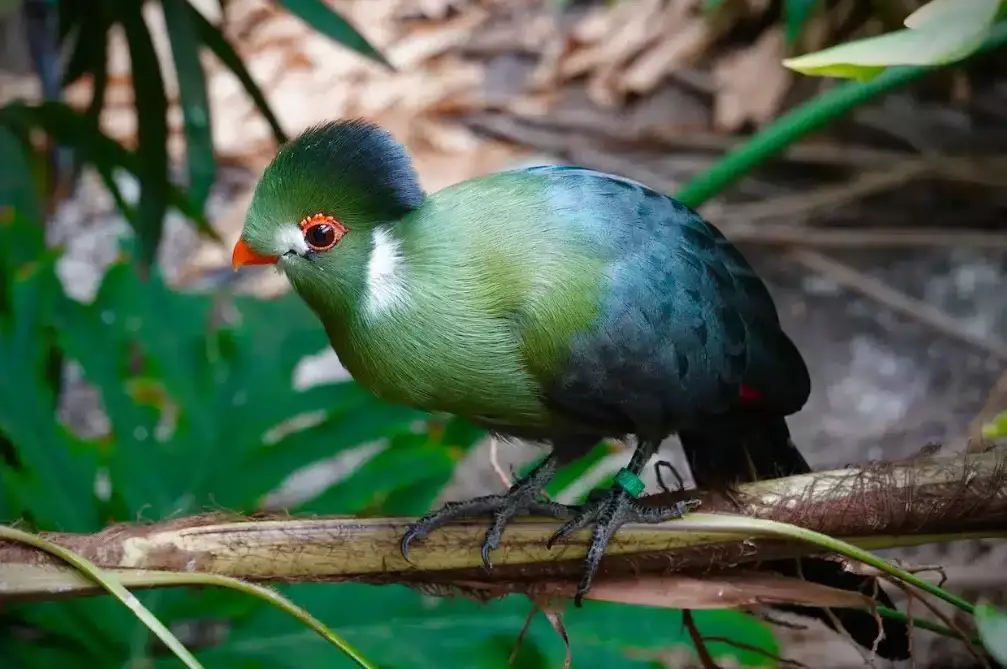
Where Can You See Turacos?
This is the practical part everyone wants to know. Your chances depend entirely on the species you're after and your destination.
Seeing Common Turacos in the Wild
For a high probability of success, target the more adaptable species in well-protected areas.
Southern Africa (South Africa, Eswatini, southern Mozambique): Head to the coastal forests of the Garden Route. The Knysna Turaco is a star here. Places like the Wilderness National Park section of the Garden Route National Park are reliable. You don't need a guide to spot them; just walk the forest trails near the river and listen for their distinctive "kow-kow-kow" calls. They're bold and often feed on fruiting trees in rest camps.
East Africa (Kenya, Tanzania, Uganda): In savanna regions mixed with acacia woodlands, listen for the Grey Go-away-bird's complaining "go-waaaaay" call. They're ubiquitous in places like Amboseli National Park (Kenya) or Tarangire National Park (Tanzania). For forest turacos, Kakamega Forest in Kenya is a must for the Black-billed Turaco, and Bwindi Impenetrable Forest in Uganda is famous for its Great Blue Turacos.
The Zoo Alternative for Rare Species
Let's be honest: seeing a critically endangered turaco in the wild requires immense luck, resources, and permits. For most people, a reputable zoo participating in breeding programs is the only ethical way to see species like the Bannerman's Turaco.
I have mixed feelings about zoos, but the good ones are arks. The Weltvogelpark Walsrode in Germany and the San Diego Zoo Safari Park in the US have had success with turaco conservation breeding. Check the websites of major zoos with dedicated aviaries or African sections. They often list their species, which is more reliable than showing up hoping to see something specific.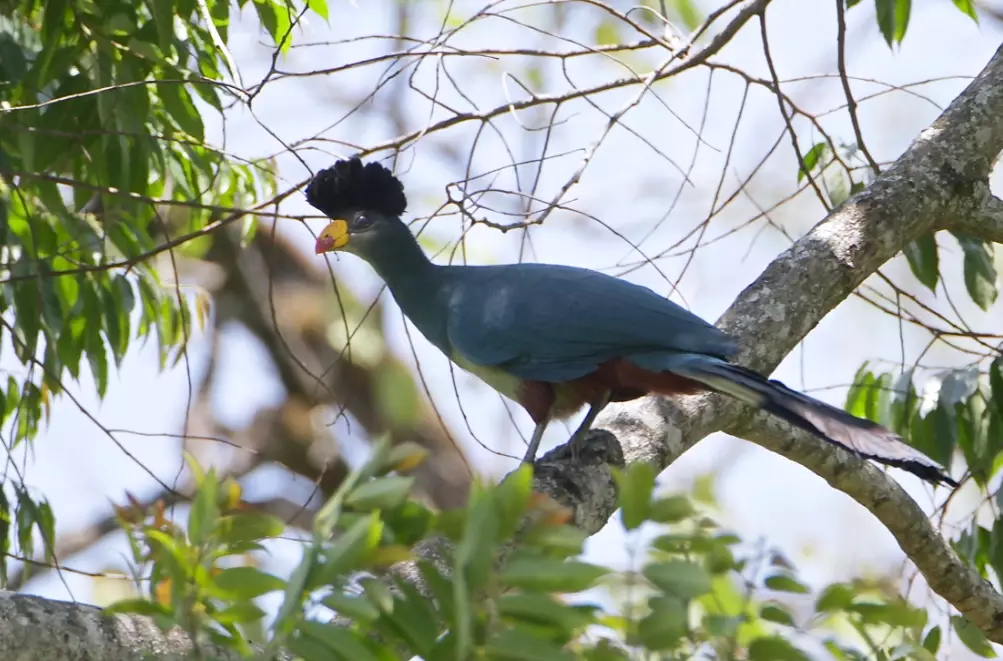
What Are the Different Types of Turacos and How Rare Are They?
There are about 23 species of turacos and go-away-birds. Their conservation status, according to the IUCN Red List, varies wildly. Here's a breakdown of some key species to show you the spectrum.
| Turaco Species | Where It's Found | Conservation Status (IUCN) | How Rare Is It? |
|---|---|---|---|
| Grey Go-away-bird | East & Southern Africa (dry savanna) | Least Concern | Very Common. A background noise in its habitat. |
| Knysna Turaco | South Africa's south coast | Least Concern | Locally Common. Easy to see in its specific forest home. |
| Great Blue Turaco | West & Central African forests | Least Concern | Uncommon to Fairly Common. Widespread but dependent on large forest tracts. |
| Fischer's Turaco | Coastal Kenya & Tanzania | Near Threatened | Becoming Rare. Habitat loss is squeezing its range. |
| Bannerman's Turaco | Cameroon highlands only | Endangered | Very Rare. Limited to tiny, fragmented forest patches. |
| Ruwenzori Turaco | Albertine Rift (Uganda, DRC) | Vulnerable | Rare. Lives in a small, politically sensitive mountain region. |
That table tells the real story. The "go-away-birds" are fine. The forest specialists with small ranges are in trouble. The IUCN Red List is the definitive source for this kind of data, and it's where any serious discussion about rarity must start.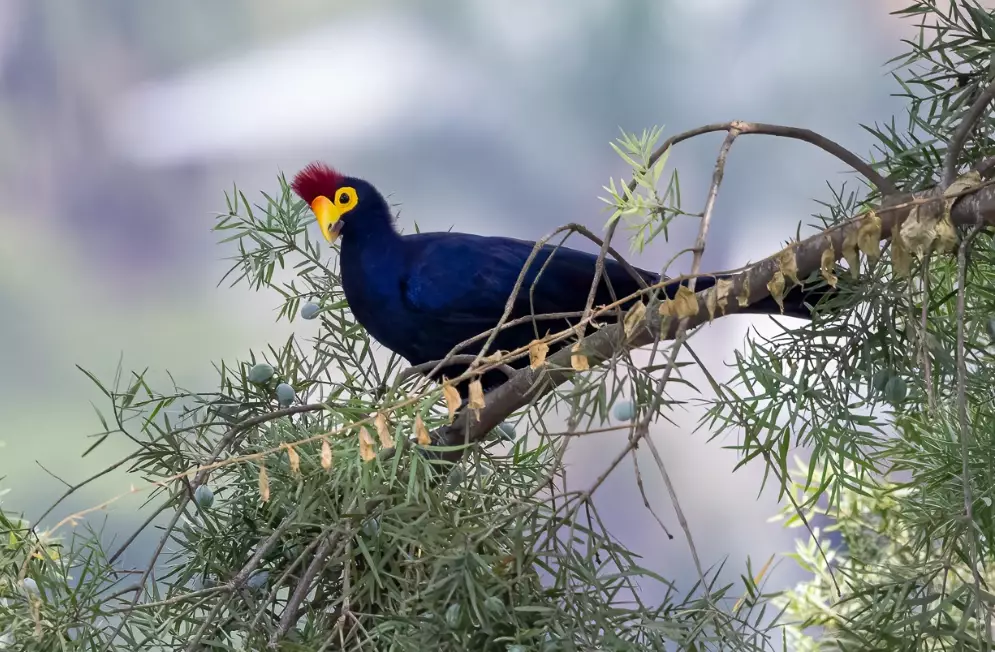
Your Turaco Questions Answered
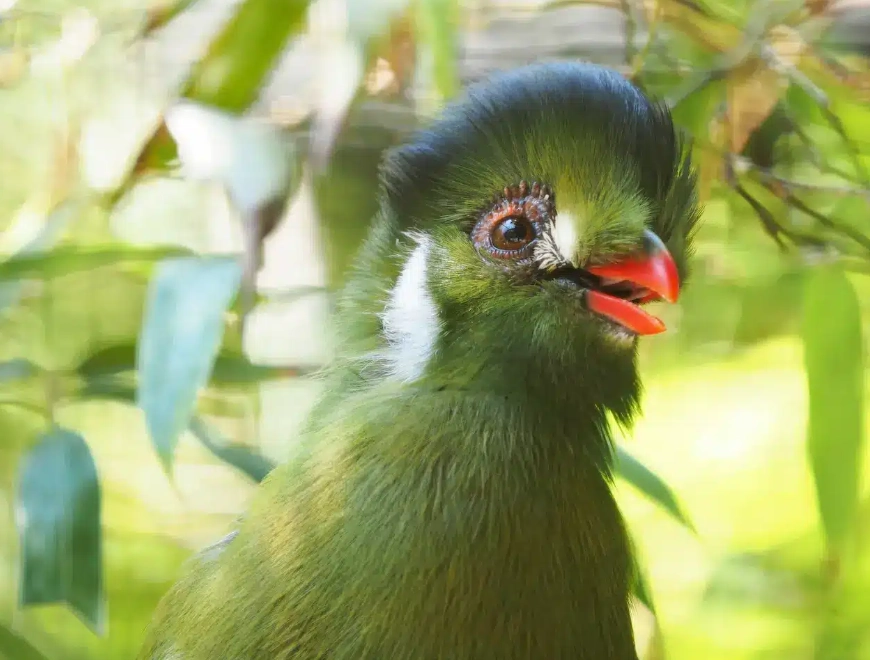 What's the biggest mistake people make when looking for rare turacos like Fischer's or Bannerman's?
The question "are turacos rare?" opens a door to the complex world of conservation biology. It forces us to move beyond a simple label and understand the pressures on specific birds in specific places. Some turacos will greet you noisily from a roadside tree. Others remain elusive ghosts of shrinking forests. Their fate, like that of so many specialists, is tied directly to the fate of the wild places they call home.



Comments
Leave a Comment