Spotting a Red Crested Turaco (Tauraco erythrolophus) is a bucket-list moment for any birder in Africa. That flash of crimson and brilliant green through the canopy is unforgettable. But here's the thing most casual observers miss: telling the male and female apart. It's not as straightforward as you might think, and getting it right feels like a real achievement. This guide dives deep into the world of the female Red Crested Turaco, moving beyond basic facts to give you the nuanced, practical knowledge you need to identify her, understand her role, and know exactly where to look.
What's Inside?
What Does a Female Red Crested Turaco Look Like?
Let's clear up the biggest myth first: the female Red Crested Turaco is not a duller version of the male. In fact, to the untrained eye, they are virtually identical. This is a classic case of "monomorphic" species, where both sexes share the same dazzling plumage. So if you're trying to sex them based on the intensity of green or the length of the tail, you'll be guessing.
The real differences are subtle, requiring a good view and a bit of know-how.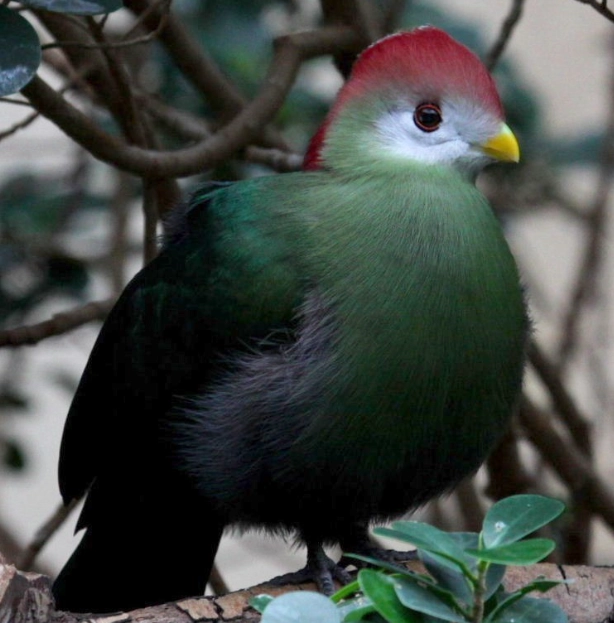
Plumage and Color
Both male and female are adorned in stunning emerald-green body feathers that have a unique, almost velvety texture. The wings are a deep purplish-blue, and this color becomes explosive when they fly. The namesake crest is a vivid, deep red from the base to the tip. No difference there.
The Crest and Facial Features
Some experienced birders and aviculturists suggest the male's crest might be slightly longer or more erect on average, but this is highly variable and not a reliable field mark. A more consistent, though still challenging, clue is the area around the eye. In many individuals, the male has a broader, more pronounced patch of bare red skin around the eye. The female's eye-ring can appear narrower or less intense. But let's be honest—when the bird is hopping through dense foliage 20 meters away, that's a tough call.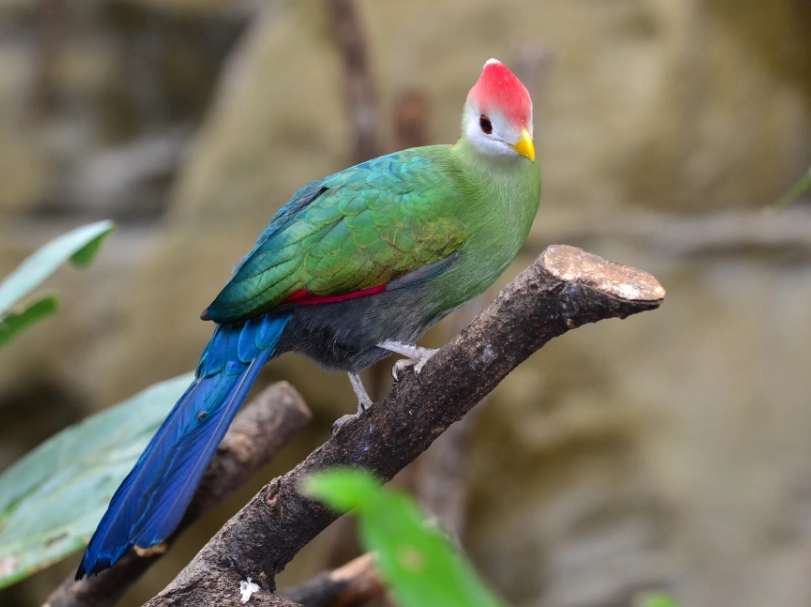
Pro Tip from the Field: Forget the plumage. The most reliable way to tell them apart is by behavior and context. Listen for duetting calls (often initiated by the male), watch for courtship feeding, or, during breeding season, look for the bird sitting tight on a nest—that's almost certainly the female. Obsessing over minute physical details will often lead you astray.
Size Comparison
Like many birds, the male is marginally larger, but we're talking about millimeters in body length and grams in weight. Unless you have them side-by-side in the hand (which you won't), this is useless for identification in the wild.
| Feature | Female Red Crested Turaco | Male Red Crested Turaco | Reliability for Field ID |
|---|---|---|---|
| Body Plumage | Brilliant emerald green, purplish-blue wings | Identical brilliant emerald green, purplish-blue wings | None. Cannot be used. |
| Head Crest | Long, vivid red crest | Long, vivid red crest (may be very slightly larger on average) | Low. Too variable. |
| Eye Ring | Narrower band of bare red skin | Often broader, more pronounced red eye-ring | Moderate. Best physical clue if you get a close, clear view. |
| Size | ~40-43 cm long, weight ~210-270g | ~42-45 cm long, weight ~230-290g | None. Impossible to judge solo. |
| Best ID Cue | Contextual Behavior: Nesting, duetting calls, courtship feeding. | High. The most practical method. | |
Behavior and Ecology: More Than Just a Pretty Bird
The female's life isn't just about looking spectacular. She plays a critical role in the turaco's social and reproductive world.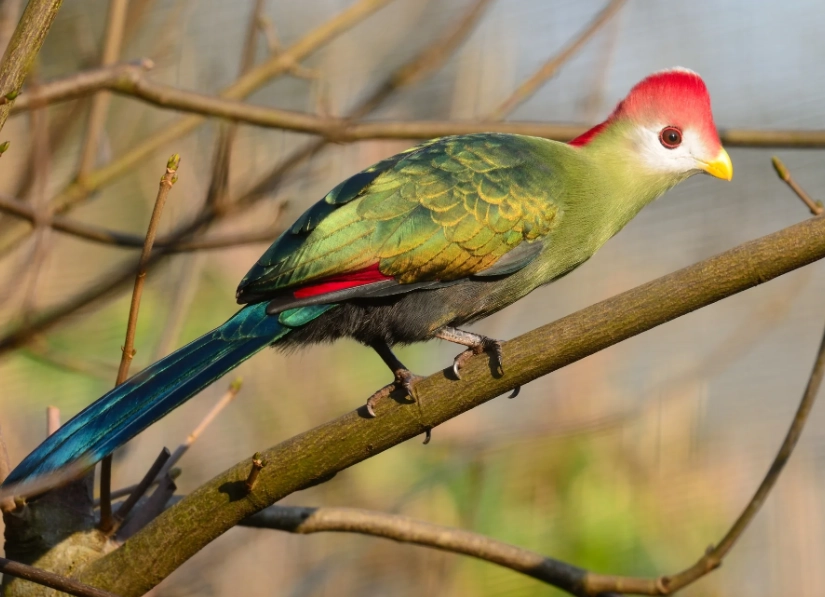
Diet and Feeding: She's primarily a frugivore, feasting on a wide variety of wild fruits, figs, and berries. I've watched them methodically clean a fig tree over several days. They also eat flowers, buds, and the occasional insect. Their feeding helps in seed dispersal, making them key players in their forest ecosystem.
Breeding and Nesting: This is where the female takes center stage. The pair builds a flimsy platform nest of twigs high in a tree fork. She lays 2-3 white eggs and does the bulk of the incubation, which lasts about 21-23 days. The male's job is to guard the territory and bring her food. Once the chicks hatch, both parents are busy feeding the noisy youngsters a regurgitated fruit paste.
Social Structure and Calls: Red Crested Turacos are usually seen in pairs or small family groups. They are vocal, with a series of guttural, barking calls that carry through the forest. Pairs often duet, and while it's often said the male leads, I've heard females initiate the call-and-response just as often. That harsh "kweh-kweh-kweh" is a sure sign you're in turaco territory.
Where Can You See Red Crested Turacos in the Wild?
This species is endemic to Angola and the Democratic Republic of the Congo (DRC). They inhabit primary and secondary forests, gallery forests along rivers, and well-wooded savannas. They're not birds of open country.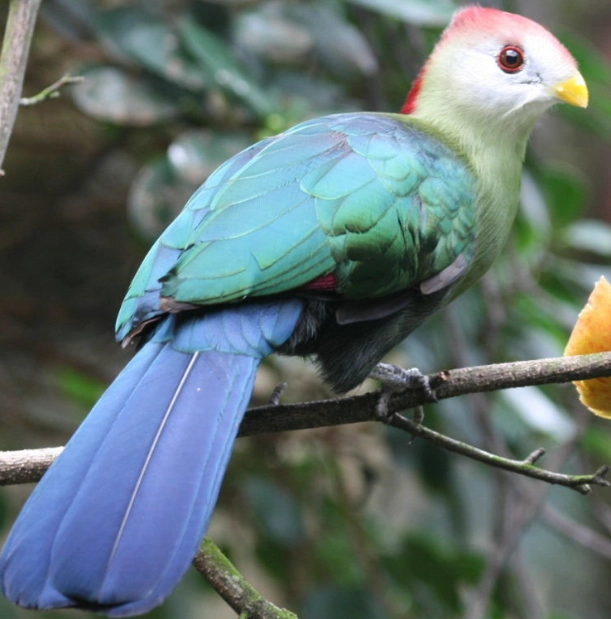
Top Destinations for Reliable Sightings:
Angola: Your best bet. They're considered fairly common in suitable habitat. Key areas include the rainforests of the north (Cabinda) and the central highlands. Kissama National Park near Luanda can be productive.
Democratic Republic of the Congo: Widespread in the western and central parts of the country. Seeing them here often involves visiting remote protected areas, which requires significant planning and a good local guide.
Practical Birding Advice:
Don't just look. Listen. You'll hear them long before you see them. Dawn and late afternoon are the most active times for calling and movement. They love fruiting trees—find a fig tree in season and wait patiently nearby. They can be surprisingly bold around quiet lodges and campsites that have mature trees.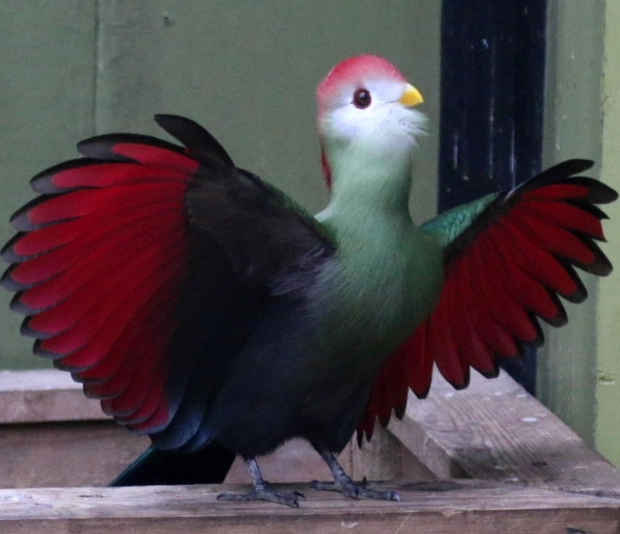
Hiring a local bird guide is invaluable. They know the specific territories, the fruiting trees, and the bird's habits. A good guide might cost $50-100 for a half-day, but they'll multiply your chances of a great sighting tenfold.
Conservation Status: Are They Under Threat?
According to the IUCN Red List, the Red Crested Turaco is currently classified as Least Concern. Their population appears stable across their range. However, "Least Concern" doesn't mean no concern.
The primary threat is habitat loss due to deforestation for agriculture and timber. While they adapt to secondary forest, large-scale clearing fragments their living space. They are also trapped for the local pet trade in some areas, though this doesn't appear to be at a scale that threatens the overall population yet.
Your visit as a responsible birder, using local guides and eco-lodges, helps demonstrate that live birds in healthy forests have economic value through tourism.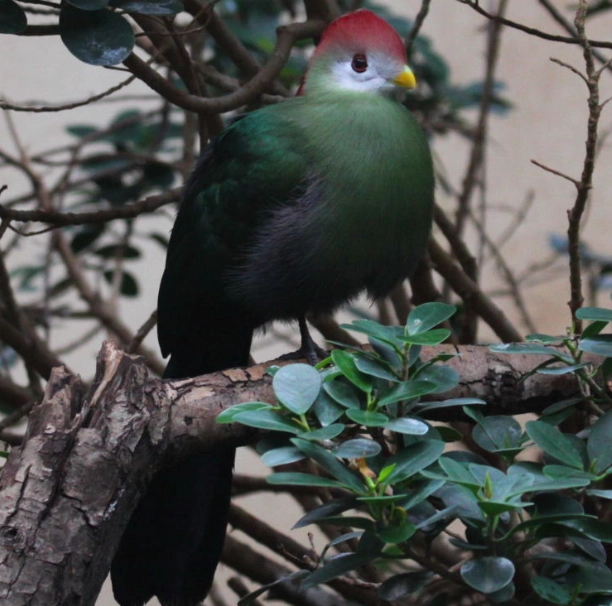


Comments
Leave a Comment