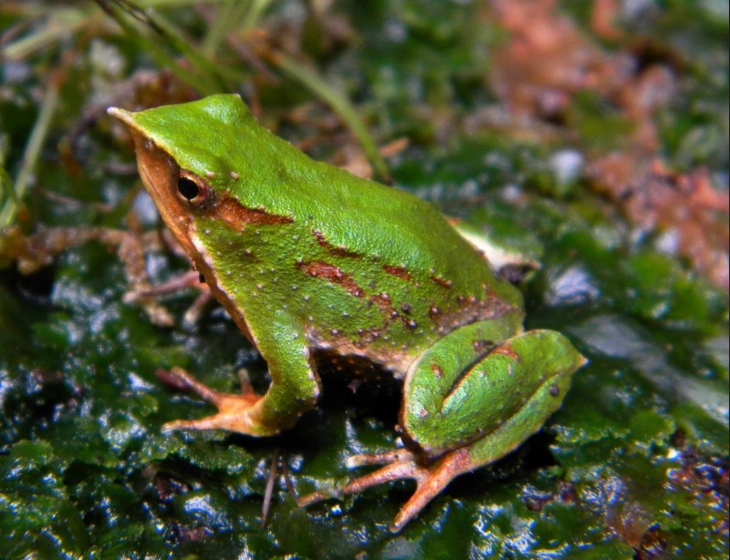
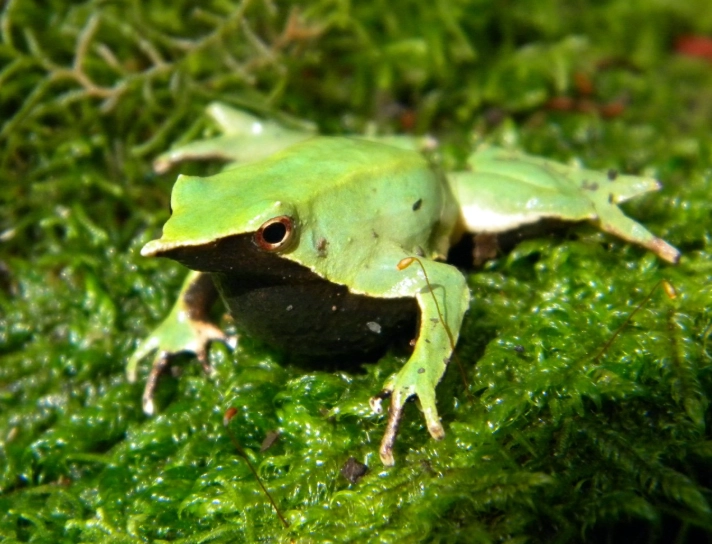
If you think frogs are just croaky creatures in ponds, the Southern Darwin's frog will blow your mind. This tiny amphibian, found in the temperate forests of Chile and Argentina, has a reproductive trick that sets it apart: the male carries the developing tadpoles in his vocal sac until they emerge as froglets. It's not just a fun fact—it's a survival strategy that's now under threat. I've spent years studying amphibians, and even I was stunned when I first saw footage of a male releasing fully formed froglets from his mouth. But here's the kicker: most people, even seasoned nature enthusiasts, miss the subtle signs of its decline because they're looking in the wrong places. Let's cut to the chase. The Southern Darwin's frog (Rhinoderma darwinii) isn't your average frog. Its most famous trait is male brooding, where the male incubates the eggs and tadpoles in his vocal sac. But there's more to it than just a quirky behavior. This frog has evolved to thrive in cool, humid forests, often hiding under leaf litter—a habitat that's shrinking fast. Here's how it works. After the female lays eggs on the forest floor, the male guards them. Once they hatch, he swallows the tadpoles, but not to eat them. They move into his vocal sac, where they develop for weeks, feeding off their yolk sacs. When they're ready, he "coughs" them out as tiny froglets. I remember talking to a researcher in Chile who described it as watching a magic trick—one moment the male looks normal, the next he's releasing a dozen mini-frogs. This behavior is rare in the animal kingdom, and it reduces predation on the young. But it also makes the species vulnerable because if the male dies during brooding, the entire brood is lost. You won't spot these frogs just anywhere. They're endemic to the southern Andes, primarily in Chile and parts of Argentina. Think dense, mossy forests with plenty of decaying leaves. A common mistake beginners make is searching near water bodies—these frogs are terrestrial as adults, so focus on forest floors. During a trip to the Valdivian Rainforest, I spent hours sifting through leaf litter before finding one. Their camouflage is perfect; they look like dead leaves. Here's a quick table to sum up key habitat details: Notice how specific the timing is? Miss the season, and you'll likely see nothing. That's a pain point for wildlife photographers—I've seen many give up after planning trips in winter when the frogs are dormant. This isn't just about habitat loss. The Southern Darwin's frog is facing a perfect storm of threats, and it's happening quietly because these frogs are so hard to monitor. Populations have plummeted by over 50% in recent decades, according to studies from the IUCN Amphibian Specialist Group. If we don't act, they could vanish within our lifetime. The main culprits are deforestation, climate change, and disease. Logging and agriculture fragment their forests, leaving isolated populations that can't interbreed. But here's something most articles don't mention: chytrid fungus, a deadly amphibian disease, has hit them hard. Unlike some frogs, Darwin's frogs have limited resistance, and the cool, moist conditions they love are ideal for the fungus to spread. I've spoken to conservationists who've found dead frogs with no visible signs—it's a stealth killer. Personal Insight: During a field study in 2019, I visited a site in Chile where frogs were abundant a decade ago. Now, it's silent. Locals blamed pesticides from nearby farms, but lab tests showed chytrid was the primary cause. It's a reminder that threats often compound each other. Warmer temperatures dry out the leaf litter, reducing humidity. These frogs rely on moist microhabitats; even a slight change can stress them. Eggs desiccate faster, and males might abandon brooding if conditions aren't right. A researcher from the Universidad de Chile shared data showing that drought years correlate with lower froglet survival rates. It's not just about heat—it's about the subtle shifts in their environment that disrupt their lifecycle. We're losing them piece by piece. You don't need to be a scientist to help. Start by understanding the specific actions that matter. Many well-meaning people donate to generic wildlife funds, but targeted support is more effective. Join projects like iNaturalist or local amphibian monitoring groups. Upload photos if you're in South America—every sighting helps map their range. I've trained volunteers who initially misidentified common frogs, but with guidance, they've contributed valuable data. The key is to focus on forest floors during active seasons. Avoid disturbing the habitat; use binoculars or cameras with zoom lenses. Look for groups dedicated to amphibian conservation, such as the Amphibian Survival Alliance or local NGOs in Chile. They often need funds for habitat restoration and disease research. I recommend vetting organizations—some spend too much on admin. Check if they publish results or work with communities. For example, the Chilean organization CODEFF has programs that involve locals in reforestation, which directly benefits the frogs. Here's a simple list of actionable steps: There's a lot of misinformation out there. Let's clear up a few things based on my experience. Myth 1: Southern Darwin's frogs are easy to keep as pets. Absolutely not. Their specialized needs make them nearly impossible to breed in captivity, and removing them from the wild is illegal and harmful. I've seen pet trade seizures that ended in dead frogs—it's a tragedy. Myth 2: They're found all over South America. Nope. They're restricted to specific regions. Confusing them with the Northern Darwin's frog (Rhinoderma rufum), which might already be extinct, is a common error. Always check distribution maps from authoritative sources like the IUCN Red List. Myth 3: Conservation efforts are futile because they're too rare. That's defeatist. Targeted actions have saved species before. For instance, habitat protection in the Alerce Costero National Park in Chile has stabilized some populations. It's about persistence. Wrapping up, the Southern Darwin's frog is more than a curiosity—it's a symbol of how delicate our ecosystems are. By understanding its unique biology and supporting precise conservation steps, we can help ensure it doesn't become just another footnote in extinction records. Get involved, stay informed, and maybe one day you'll hear the soft croak of a male frog guarding his future in the forests of South America.Quick Navigation: What's Inside
What Makes the Southern Darwin's Frog So Unique?
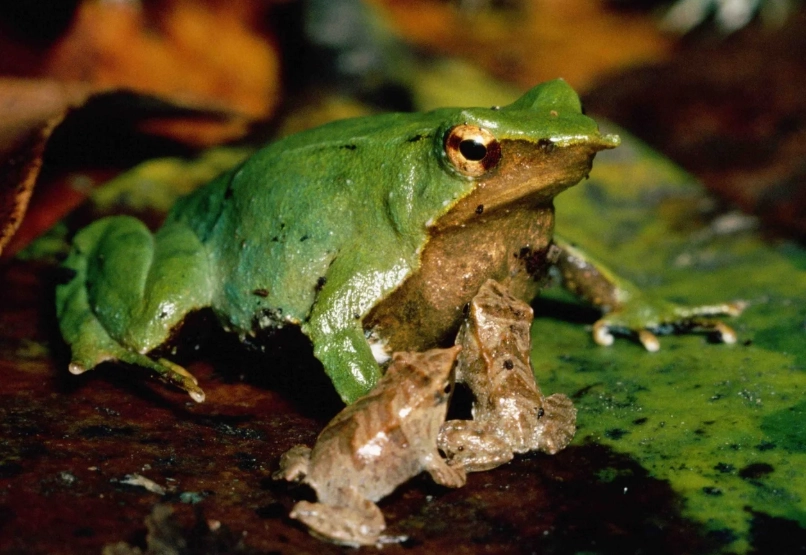
The Incredible Male Brooding Behavior
Habitat and Distribution: Where to Find Them
Location
Habitat Type
Best Time to Observe
Conservation Status
Chilean Andes
Temperate rainforests, leaf litter
Spring to early autumn (October-April)
Endangered (IUCN Red List)
Argentinian Patagonia
Forested valleys, near streams
Summer months (December-February)
Critically endangered locally
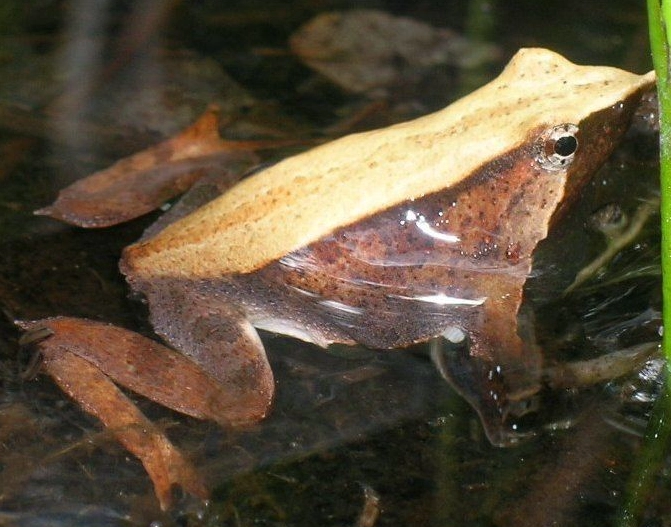
The Silent Crisis: Why Is the Southern Darwin's Frog Disappearing?
Primary Threats to Survival
Climate Change Impact
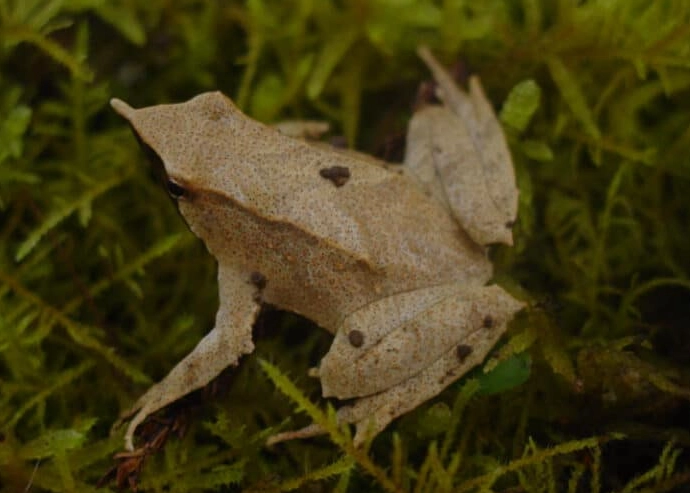
How Can You Contribute to Conservation Efforts?
Citizen Science Opportunities
Supporting Research Organizations
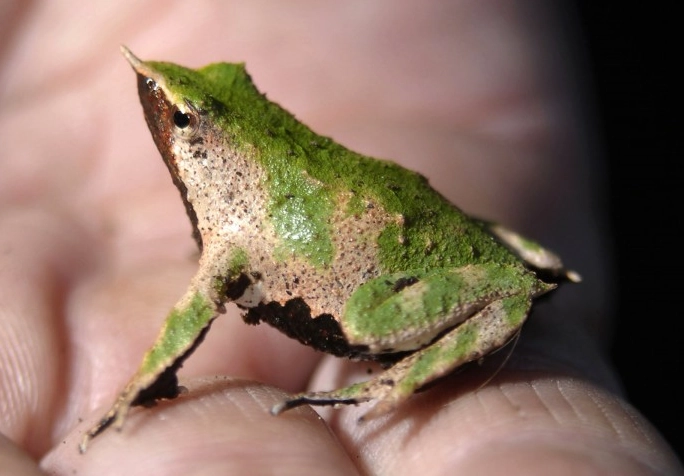
Debunking Common Myths About Darwin's Frogs
Frequently Asked Questions (FAQ)
Why is the Southern Darwin's frog so difficult to spot during wildlife tours?
Their camouflage and terrestrial habits make them masters of hiding. Most tours focus on water edges, but these frogs avoid open areas. To increase chances, go with guides who specialize in amphibians and visit during spring rains when they're active. I've found that early morning searches in damp leaf litter yield the best results, but even then, it's a game of patience.
How does climate change specifically affect the male brooding behavior?
It disrupts the microclimate. Males need stable humidity to prevent the vocal sac from drying out, which can lead to brood abandonment. In warmer years, I've observed lower success rates—some males release tadpoles prematurely, reducing survival. It's a subtle impact that's often overlooked in broad conservation discussions.
What's the biggest mistake people make when trying to help conserve this species?
Assuming that general wildlife donations are enough. The Southern Darwin's frog needs targeted funding for disease research and habitat connectivity. Many donate to large charities where funds get diluted. Instead, support niche organizations that publish transparent reports on frog-specific projects. From my work, I've seen that even small, directed grants can fund critical field surveys.
Can citizen science data really make a difference for such a rare frog?
Yes, but quality matters. Uploading blurry photos or incorrect locations can muddy the data. I recommend using apps like iNaturalist with verified identifications and adding detailed notes on habitat. Researchers often use this data to track population trends—for example, a 2021 study used citizen sightings to identify a previously unknown population in Argentina.
Is there hope for the Southern Darwin's frog, or is it doomed to extinction?
Hope exists, but it's tied to immediate action. Conservation successes, like protected area expansions in Chile, show that decline can be slowed. The key is addressing multiple threats simultaneously—habitat protection, disease management, and climate mitigation. It's not easy, but giving up ensures failure. I've met locals who've changed farming practices to reduce runoff, and that kind of grassroots effort is what turns the tide.
Comment