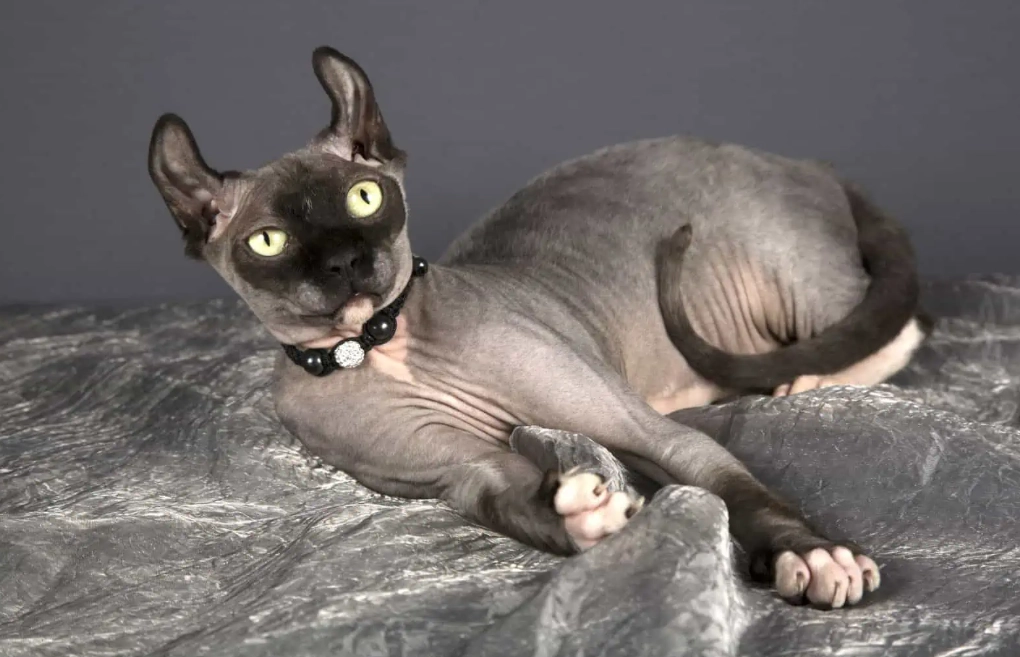
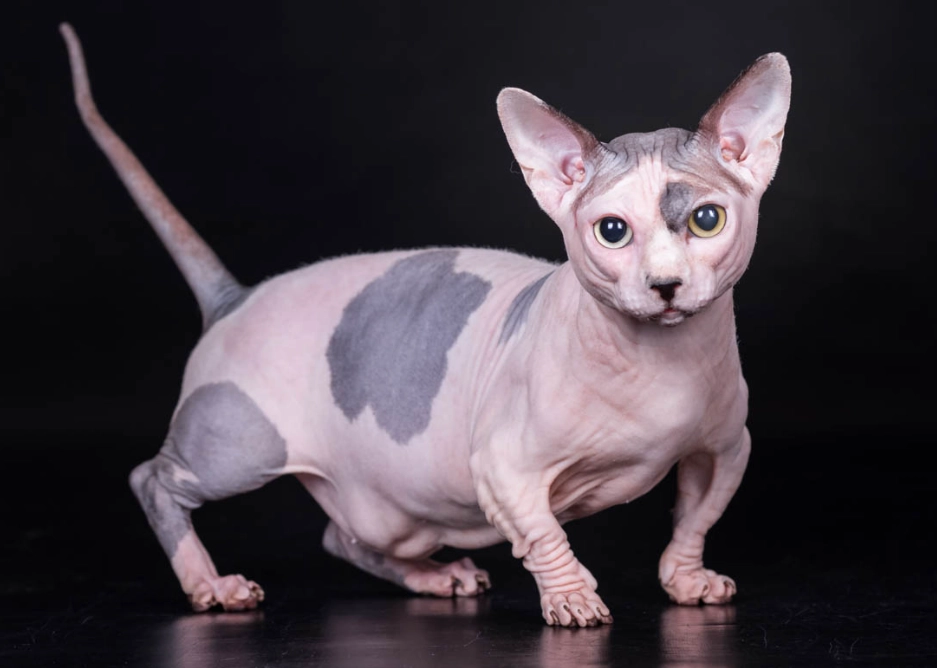
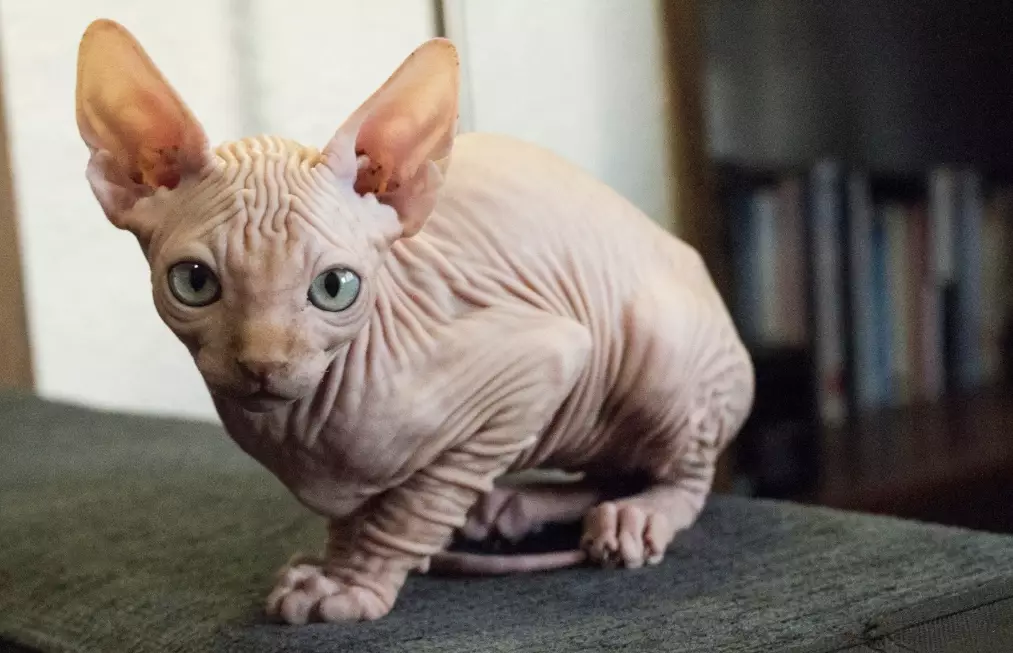
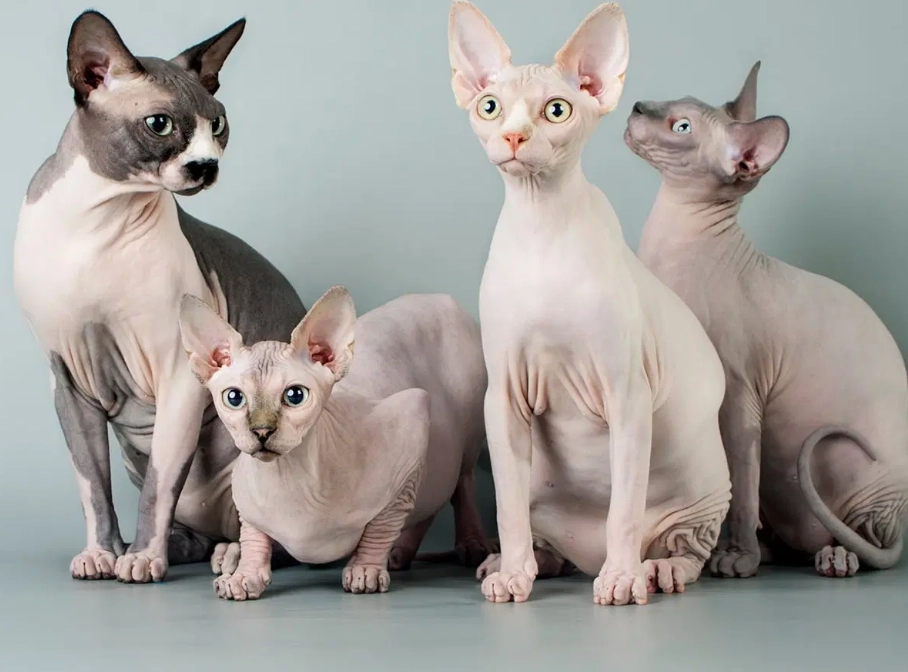
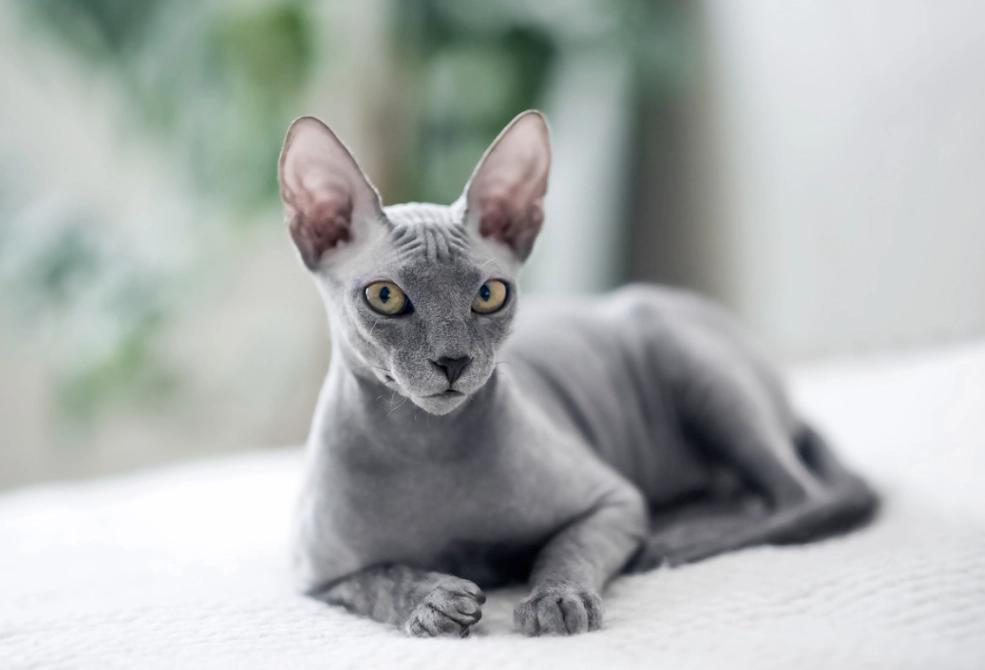
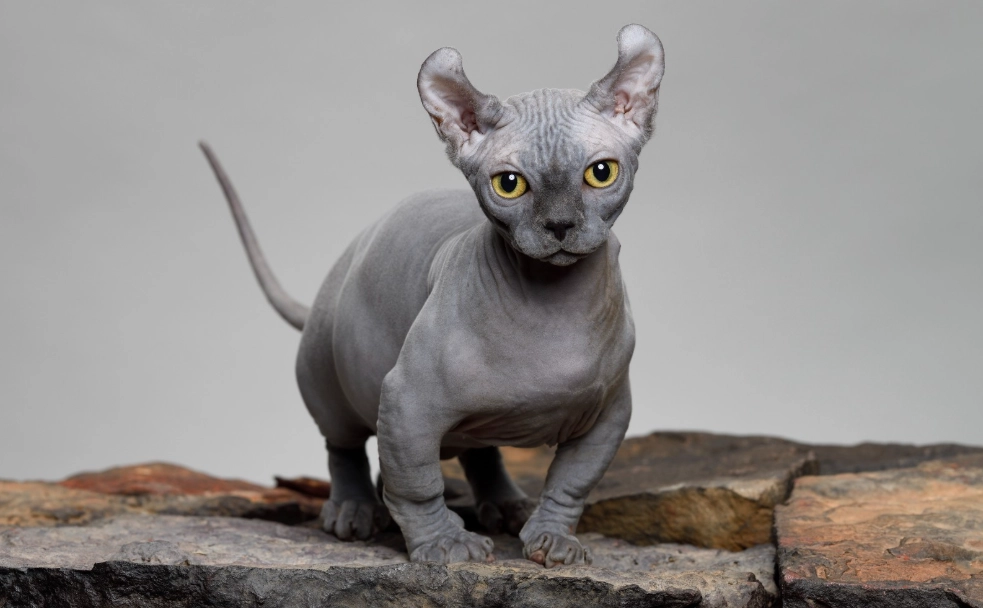
So you're thinking about getting a hairless cat. The image that probably pops into your head is the iconic Sphynx, wrinkled and wide-eyed. I get it. I've been breeding and caring for these unique felines for over a decade, and most people start there. But here's the thing most beginner guides won't tell you right away: "hairless cat" isn't a single breed. It's a category, and understanding the differences between them is the first step to avoiding a major mismatch with your lifestyle. Owning a hairless cat is nothing like having a furry companion. It's more like adopting a permanent, heat-seeking toddler wrapped in warm suede. They come with a specific, non-negotiable set of needs. This guide will walk you through every hairless cat breed, their distinct personalities, the real costs (financial and temporal), and the gritty details of care that fan sites often gloss over. Let's clear this up first. There are three primary, recognized hairless cat breeds, each with a different genetic origin and look. Assuming they're all the same is the first mistake potential owners make. You might also hear about the Bambino (a Sphynx-Munchkin cross, short-legged), Minskin, or Dwelf. These are experimental or hybrid breeds, not recognized by major cat registries like The International Cat Association (TICA) or the Cat Fanciers' Association (CFA). They often come with more contentious health debates, especially around the ethics of dwarfism in cats. Pro Tip from Experience: Don't choose a breed based on looks alone. A Peterbald's serene, graceful energy is worlds apart from the Sphynx's "look at me!" circus act. Spend time watching videos of each breed from reputable breeders to see their movement and energy levels. The Sphynx is the poster child, so it deserves its own section. Their personality is a huge part of why people fall in love, but it's also what breaks some owners. Forget the aloof cat stereotype. A Sphynx will follow you to the bathroom, sleep under the covers with you, and demand to be involved in every single task you do. This isn't just affection; it's a biological need for warmth and social interaction. They get lonely and depressed easily. Their energy is boundless. They're not just playful; they're inventive. One of mine figured out how to open cabinet doors to steal dish towels. They need interactive play sessions—think feather wands, puzzle feeders—multiple times a day. A bored Sphynx is a destructive Sphynx. Here's the big non-consensus point everyone misses: Sphynx cats are not low-maintenance. They are differently-maintenance. Because they lack fur to absorb oils, that oil builds up on their skin. It gets on your walls, your windows, your clothes. If you don't stay on top of it, your black cat will slowly turn a rusty brown color. The regimen isn't optional: a bath every 1-2 weeks with a gentle, kitten-specific shampoo, ear cleaning weekly (they produce a shocking amount of dark earwax), and nail cleaning because gunk builds up under the nail sheaths. Miss a bath, and your sofa will bear the evidence. Caring for a hairless cat is a proactive, scheduled commitment. Let's break it down into a practical routine. Your house needs to be their sweater. Keep your home comfortably warm year-round (above 70°F / 21°C). They must have access to warm spots: heated cat beds (with chew-proof cords), sunny windows, and piles of blankets. In winter, you'll likely find them camped out on top of your computer router or curled around a mug of warm tea. Sun exposure is a double-edged sword. They love basking, but they can get sunburned. If they have access to direct, strong sunlight for long periods, pet-safe sunscreen is a must. Better yet, provide sunny spots behind UV-filtering windows. All purebred cats can have genetic predispositions. Responsible breeding minimizes these risks, but you should know what's on the radar. Hypertrophic Cardiomyopathy (HCM): This is the big one, a form of heart disease. Reputable breeders will have their breeding cats regularly screened by a veterinary cardiologist. When you talk to a breeder, ask to see the most recent HCM scan reports for the kitten's parents. If they hesitate, walk away. Skin Conditions: They can be prone to yeast infections or skin allergies. That's why using the right, gentle grooming products is crucial. Diet also plays a massive role. A poor-quality food can manifest in terrible skin issues. Dental Issues: Some lines seem prone to gingivitis and tartar buildup. Get them used to tooth brushing early. I've found that adding a dental care water additive and providing dental chews helps between vet cleanings. This is where your journey succeeds or fails. Avoid pet stores and sketchy online listings at all costs. A reputable breeder will interview you as much as you interview them. They'll ask about your home, your lifestyle, your vet history. They will: Start your search on the official breeder referral pages of TICA or the CFA. Initial purchase from a good breeder: $1,800 - $3,500+. This isn't just for the cat; it's for all the vet care, quality food, and socialization they've invested in for the first 12-16 weeks. Ongoing annual costs are higher than for a typical cat: Are hairless cats really hypoallergenic? This is the most common misconception. No cat is 100% hypoallergenic. Most cat allergies are to the Fel d 1 protein in saliva, which gets on fur when cats groom. Hairless cats groom and have saliva, so they still produce the allergen. However, because they don't have fur to shed all over your house, the allergen doesn't become airborne as easily. Many people with mild allergies do better with them, but it's not a guarantee. Always spend time with one before committing. My hairless cat feels oily and leaves stains on my light-colored bedding. What am I doing wrong? You're likely either bathing too infrequently or using a shampoo that's too harsh. A harsh shampoo strips all oils, signaling the skin to go into overdrive. Switch to a gentle, moisturizing shampoo and stick to a consistent 10-day schedule. For bedding, use dark colors or dedicated blankets for where they sleep. You can also try putting a soft, fitted cotton shirt on them at night—it absorbs oils and is easy to wash. Is it cruel to put clothes on a hairless cat? Not if it's done for function, not just fashion. In a cold house or during winter walks, a well-fitting sweater is necessary for their comfort and health. The key is the fit: it should not restrict movement, choke, or have loose threads they can swallow. Use soft, breathable fabrics like cotton and always supervise them initially. Many cats come to associate clothing with warmth and don't mind it at all. Very, very slowly. The Sphynx's puppy-like energy can be terrifying to a senior cat. Keep them completely separated for at least a week, swapping scents with blankets. Use a baby gate for visual introductions where the Sphynx can't pounce. Most importantly, exhaust the Sphynx with play sessions before any introduction. A tired Sphynx is a calmer Sphynx. Always provide the older cat with high-up escape routes and safe zones the kitten can't access. What's the biggest mistake new hairless cat owners make? Underestimating the social and grooming commitment. People see the "no fur" and think "easy pet." The reality is the opposite. They require more time, more engagement, and more scheduled care than almost any other cat breed. The second biggest mistake is not budgeting properly for higher food, utility, and potential veterinary costs. They are a significant, wonderful, but demanding investment. Bringing a hairless cat into your life is a unique adventure. It's messy, warm, hilarious, and filled with personality. It's not for everyone, but for those who embrace the routine and the constant companionship, there's truly nothing else like it. Do your homework, find a breeder who cares deeply, and get ready for a decade or more of being utterly adored by a little, wrinkled, heat-seeking missile.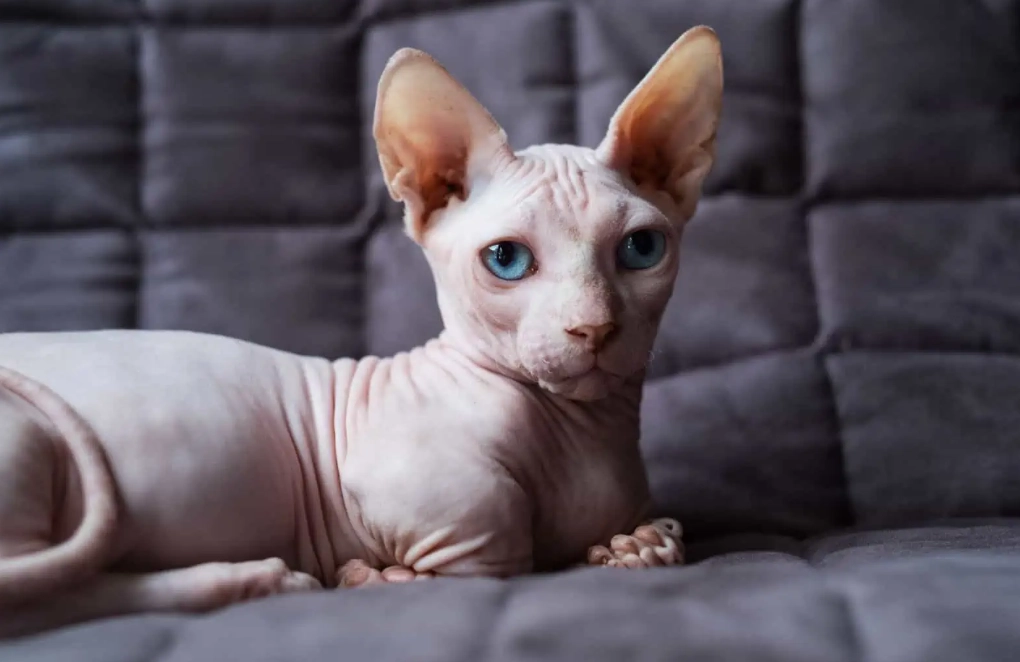
Your Quick Guide to Hairless Cats
Meet All the Hairless Cat Breeds
Breed Name
Origin
Key Physical Trait
Coat Description
Temperament Vibe
Sphynx
Canada (1960s)
Prominent cheekbones, large ears, lemon-shaped eyes.
Can feel like warm peach fuzz or suede. Often has wrinkles.
Extroverted, clownish, energetic, deeply affectionate.
Donskoy (Don Sphynx)
Russia (1987)
Wedged-shaped head, almond-shaped eyes, webbed toes.
Completely bald types feel like hot rubber. Others have a velour or flocked coat.
Intelligent, loyal, dog-like, adaptable. Can be more serene than the Sphynx.
Peterbald
Russia (1994)
Extremely elegant, slender, and long-bodied with a narrow head.
Ranges from completely bald (rubber) to a short, velvety coat (brush).
Gentle, curious, quiet, and incredibly attached to their person.
The Sphynx Cat: A Deep Dive
What It's Really Like to Live With a Sphynx
The Sphynx Grooming Myth
The Real Deal on Hairless Cat Care
The Weekly & Monthly Maintenance Checklist
Environmental Needs: It's All About Temperature
Common Health Concerns to Watch For
Finding a Responsible Breeder & Understanding Costs
What a Good Breeder Does
The Real Cost Breakdown
Your Hairless Cat Questions Answered
 How do I introduce a high-energy Sphynx to my older, sedentary cat?
Hairless Cat Breeds Guide: Care, Costs & Personality
Comment