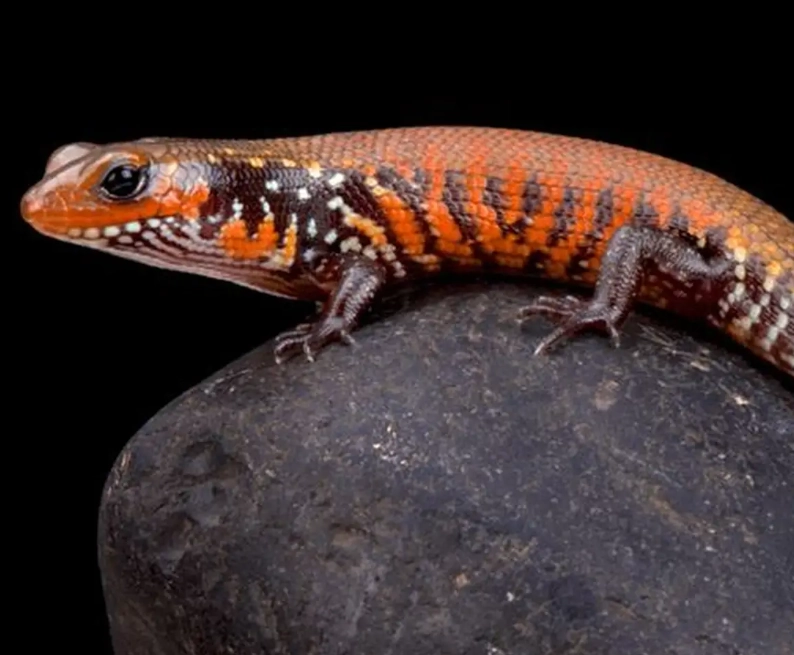
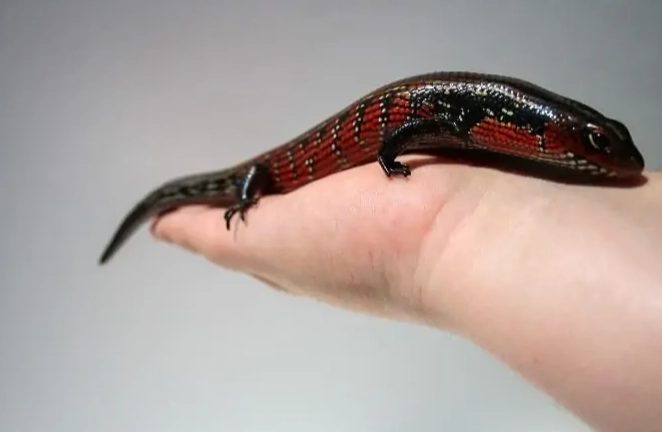
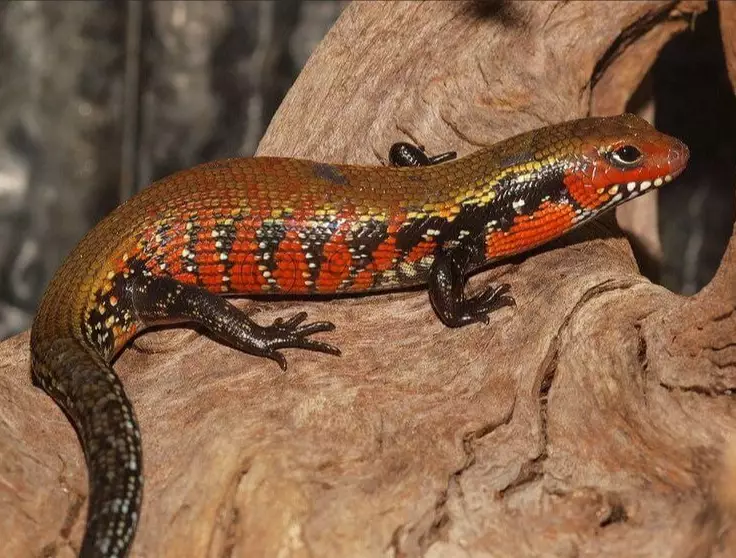
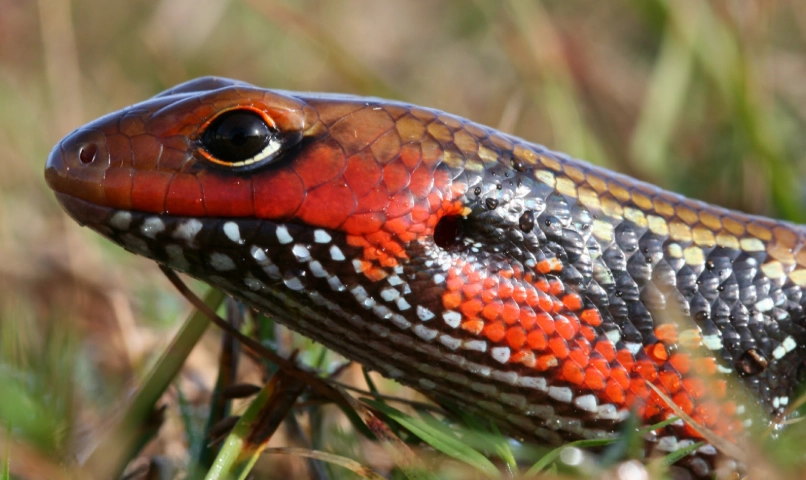
You've seen the pictures. That sleek, coppery-orange body with jet-black sides and a vibrant, fire-like belly. The Togo fire skink (Lepidothyris hinkeli) is one of the most stunning lizards you can keep, and honestly, it's also one of the most misunderstood. I've kept them for over a decade, and I still remember my first pair—I made nearly every mistake in the book because the care sheets back then were vague copies of information for their more common cousin, the African fire skink. Let's cut through the noise. This guide isn't just a rehash of generic skink info; it's the deep dive I wish I had, covering exactly what a Togo fire skink needs to not just survive, but thrive. First, let's clear up the confusion. The "Togo" fire skink is often lumped in with the standard African fire skink (Lepidothyris fernandi). They're closely related, but L. hinkeli is its own species, primarily hailing from the forests of Togo, Ghana, and surrounding West African regions. Visually, they're often more slender and can have a more pronounced, almost metallic sheen compared to the stockier fernandi. In the wild, they're secretive fossorial lizards. That's a fancy word meaning they love to burrow and hide in leaf litter and soft soil. They're not the basking showpieces like a bearded dragon. Your Togo fire skink will spend a good 70% of its time hidden, which is completely normal and not a sign of illness if your setup is correct. When they do emerge, it's usually to hunt, explore at dawn/dusk, or thermoregulate. Their stunning coloration is a warning in the wild—a signal to potential predators. In your home, it's just a beautiful bonus. This is where most guides are too generic. A Togo fire skink's enclosure isn't just a box with some dirt. It's a layered, micro-managed environment. Get this wrong, and you'll never see your pet, or worse, it will get sick. For a single adult, a 40-gallon breeder tank (36" x 18" footprint) is the absolute minimum. I personally recommend going larger to 48" x 18" or more if you can. They use the floor space, not height. The lid must be escape-proof and heavily weighted. These guys are surprisingly strong and can nudge up lightweight mesh lids. I use front-opening PVC cages now because they hold humidity better and have secure latches—worth the investment. This is the most critical element. You need a deep, moisture-retentive substrate that holds burrows. A simple 50/50 mix of organic topsoil (no fertilizers, get it from a garden center) and play sand is the gold standard. Make it at least 6-8 inches deep. Pack it down slightly so it supports tunnels. I add a handful of sphagnum moss to the mix for extra moisture retention. Avoid coconut fiber alone—it's too loose and dusty when dry. They need a warm end and a cool end. Don't heat the whole tank. Aim for 60-80% humidity. You achieve this by pouring water into the corners of the substrate (not just misting the surface) to wet the lower layers. The top can be somewhat dry to prevent scale rot. Use a digital hygrometer—the analog ones are junk. Always provide a shallow water dish big enough for soaking. This isn't just for looks. Provide multiple secure hides: one on the warm end, one on the cool end, and one in the middle. Use cork bark flats and rounds, which they love to burrow under. Add leaf litter (oak or magnolia, baked to sterilize) on top of the substrate. It encourages natural foraging behavior and holds micro-humidity. A few sturdy, live or artificial plants add visual breaks. Togo fire skinks are insectivores with a hearty appetite. Variety is the key to preventing nutritional deficiencies. Staple Feeders: Gut-loaded dubia roaches, discoid roaches, crickets, and black soldier fly larvae are excellent. I avoid mealworms as a staple—they're fatty and have a tough exoskeleton. Treat Feeders: Silkworms, hornworms, and the occasional waxworm (very occasional, they're like candy). Feeding Schedule: Offer an amount of appropriately-sized insects (no bigger than the space between the skink's eyes) 2-3 times per week for adults. Juveniles can be fed daily. Don't just dump bugs in. Feed with tongs or in a shallow dish to prevent insects from hiding and nibbling on your skink later. Supplementation: This is crucial. Dust insects with a quality calcium supplement (without D3) at every feeding. Twice a month, swap that for a calcium supplement with D3, and twice a month use a multivitamin supplement. Some keepers, like myself, prefer using a calcium-with-D3 and multivitamin combo at each feeding if their UVB setup is optimal—it simplifies the schedule. Consult resources like Reptifiles for the latest on supplementation debates. A healthy Togo fire skink is alert, has clear eyes, a rounded body, and sheds in complete pieces. Here's what goes wrong when care is off: Stuck Shed: Almost always a humidity issue. If you see retained shed, especially on toes or the tail tip, provide a humid hide (a small container with damp sphagnum moss) and ensure your overall humidity is in range. Retained tail-tip shed can constrict and cause the tip to die and fall off. Respiratory Infections (RI): Symptoms include wheezing, mucus around the nose/mouth, and open-mouth breathing. Usually caused by temperatures that are too low, especially at night, or excessive dampness without proper warmth. Requires an immediate vet visit for antibiotics. Parasites: Even captive-bred skinks can have them, and wild-caught imports almost certainly do. Lethargy, poor appetite, and runny stools are signs. A fecal exam by an exotics vet is a good idea for any new skink. Scale Rot/Dermatitis: Red, inflamed, or discolored scales on the belly. Caused by sitting on constantly wet, filthy substrate. Fix your substrate moisture levels—it should be damp below, not soggy on top—and clean the enclosure more frequently. This is the tricky part. True L. hinkeli are less common in the pet trade than L. fernandi. You'll often see them sold simply as "fire skinks." Captive-Bred (CB) vs. Wild-Caught (WC): Always, always seek out captive-bred individuals. They are healthier, free of parasites, more acclimated to captivity, and less stressed. Wild-caught skinks are often dehydrated, parasite-ridden, and prone to dying from stress within the first year. They also contribute to depletion of wild populations. Where to Look: Check reputable reptile expos. Breeders there often have them. Online, use platforms like MorphMarket and look for sellers with extensive positive reviews who specifically state "captive-bred." Ask the seller directly, "Are these Lepidothyris hinkeli, and are they captive-bred?" A good breeder will know. Price Range: Expect to pay $150 to $300 USD for a healthy, captive-bred juvenile or adult. Wild-caught are cheaper ($50-$80), but the vet bills and heartache make them the more expensive choice in the long run. What to Look For When You Pick One: Clear, bright eyes. No visible ribs or hip bones (but not obese). Clean vent. Intact tail (they can drop them, and while they regrow, it's never as pretty). Alert behavior—it may try to hide, which is normal, but it shouldn't be lethargic when gently observed. Togo fire skinks can become quite tame with patience, but they are not "cuddly" pets. They are observant, food-motivated, and can be surprisingly fast. The Taming Process: Start by just sitting by the enclosure. Let them get used to your presence. Then, begin offering food with long tweezers. After a few weeks of this, you can try gently placing your hand, palm up, in the enclosure. Let them come to you. Never grab from above—that's a predator move. Handling: Keep initial sessions short, 5-10 minutes, a couple of times a week. Support their entire body. They may musk (release a smelly substance) if scared—it washes off. If they musk, put them back and try again another day. The goal is positive, stress-free interactions. Some individuals will always be shy, and that's okay. Their value is in observing their natural, beautiful behaviors in a well-crafted habitat, not in being a handleable toy. My Togo fire skink burrowed and hasn't come out for a week. Should I dig it up? Almost certainly not. Prolonged burrowing is completely normal, especially during acclimation, before a shed, or if temperatures are slightly off. Digging them up causes immense stress. First, double-check your temperatures and humidity with reliable digital gauges. If everything is correct, leave it be. It will emerge when hungry. I've had skinks disappear for over two weeks and come out looking perfectly fine. How do I make an escape-proof lid for a glass tank? The standard screen lids that come with tanks are insufficient. You need to add weight and security. Get four small binder clips (the large, black ones) and clip the lid to the tank frame on each side. For added security, place a heavy book or a piece of decor on top centered over the lid. Even better, replace the screen with a custom-cut piece of plexiglass with air holes drilled in it, secured with lid clips from a reptile supply store. Can I house two Togo fire skinks together? I generally advise against cohabitation for beginners. While sometimes done, it requires a massive enclosure (75 gallons or more), multiple of every resource (hides, basking spots, food dishes), and constant monitoring for aggression. Males will almost always fight. Even female pairs can have dominance issues. The risk of stress, injury, and one skink monopolizing food is high. For 99% of keepers, providing a fantastic solo enclosure is the better, safer choice. Consistent, strong feeding response. A healthy skink is a hungry skink. If it reliably comes out for food, takes insects eagerly, and then returns to its business, you're doing most things right. A sudden loss of appetite is the first and most reliable red flag that something is off, whether it's an impending shed, incorrect temperatures, or the onset of illness.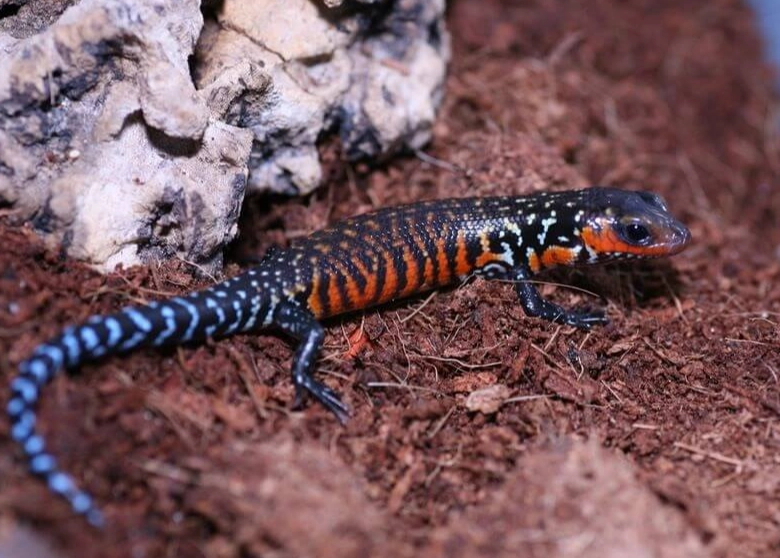
What You'll Find in This Guide
Meet the Togo Fire Skink: Beyond the Pretty Colors
Setting Up the Perfect Home: Habitat Requirements
The Enclosure: Size and Security
Substrate: The Foundation of Everything
Heating and Lighting: Creating the Gradient
Humidity and Hydration
Furnishing and Enrichment
Habitat Parameter
Target Range
How to Achieve It
Enclosure Size
40-gallon breeder minimum
PVC or glass tank with secure, weighted lid
Substrate Depth
6-8 inches minimum
50/50 mix of organic topsoil & playsand
Basking Surface Temp
95-100°F (35-38°C)
Ceramic heat emitter/deep heat projector on thermostat
Cool End Temp
75-80°F (24-27°C)
No heat source on this end
Ambient Humidity
60-80%
Deep watering of substrate, not just surface misting
UVB Lighting
Required
T5/T8 5.0/6% tube, replaced yearly
Diet and Feeding: What and How Often
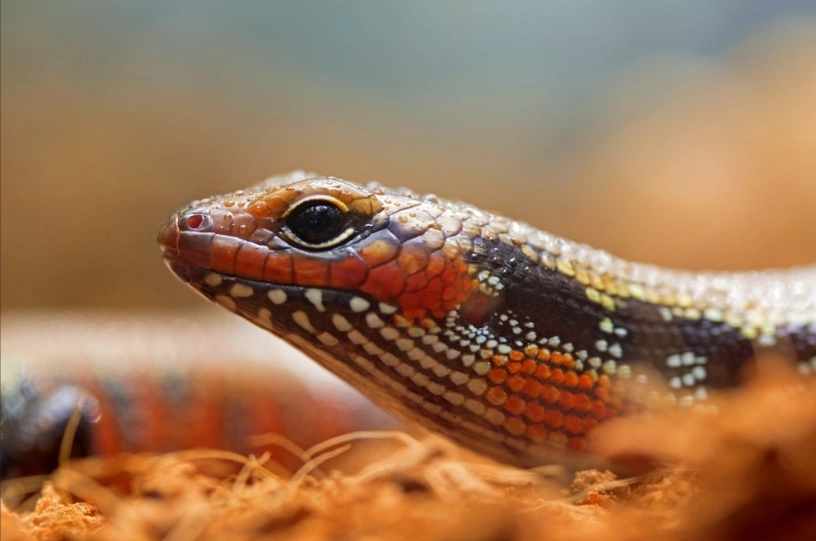
Health and Common Issues to Watch For
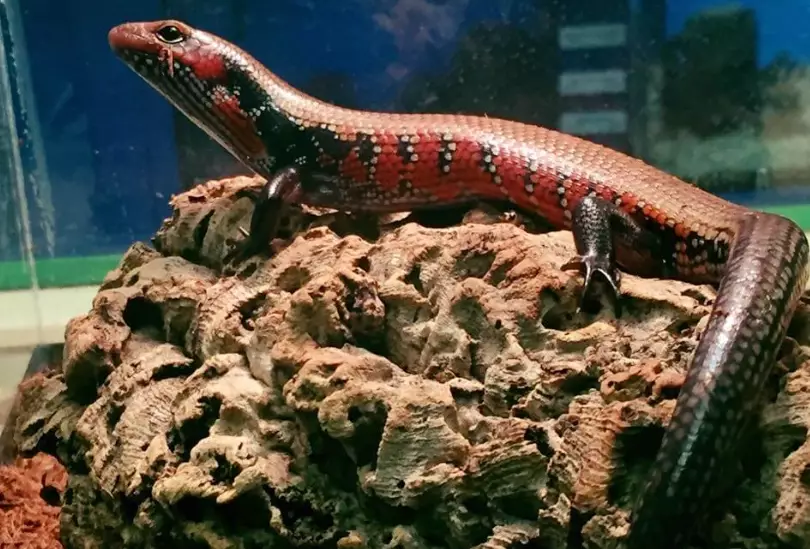
Finding and Buying a Togo Fire Skink
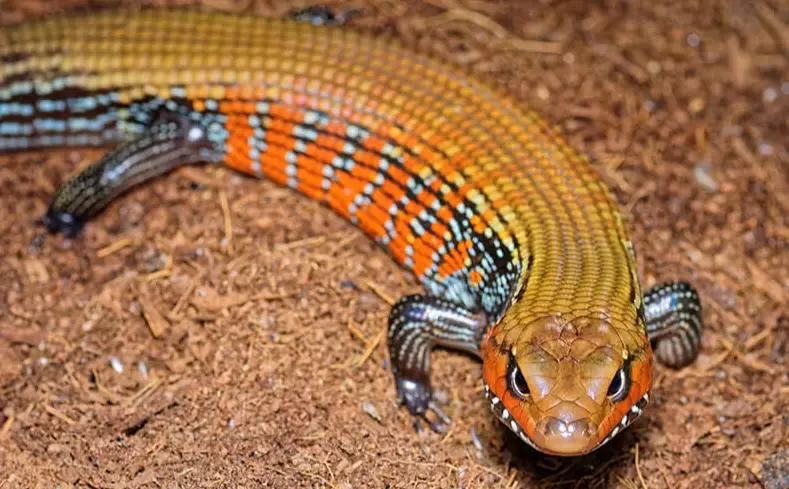
Behavior, Temperament, and Handling
Your Togo Fire Skink Questions Answered
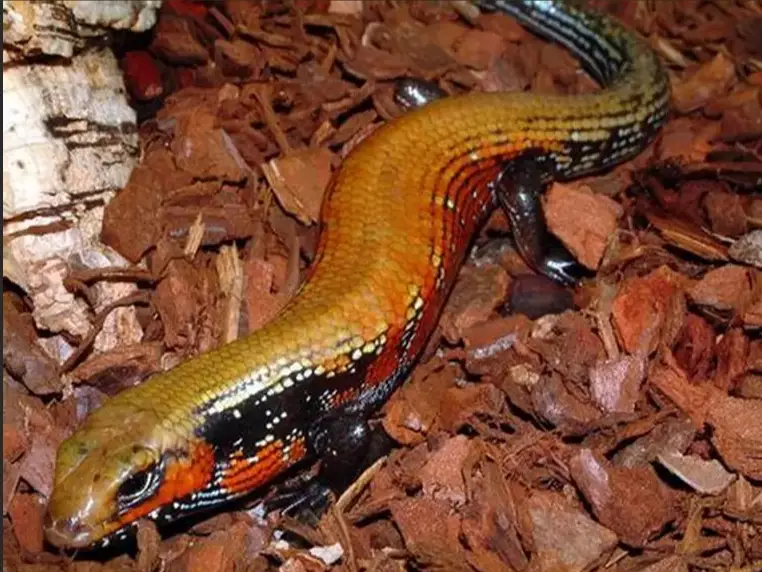
 What's the single best indicator that my Togo fire skink is healthy?
A Quick Note on Lifespan: With proper care, a Togo fire skink can live 15-20 years in captivity. That's a longer commitment than many dogs. It's something to seriously consider before bringing one home.
The Biggest Mistake I See: Overfeeding. A fat skink is an unhealthy skink. They should have a slightly rounded body, but you should not see bulging fat deposits on the sides of the tail or neck. An obese skink is prone to fatty liver disease and will have a drastically shortened lifespan.
Comment