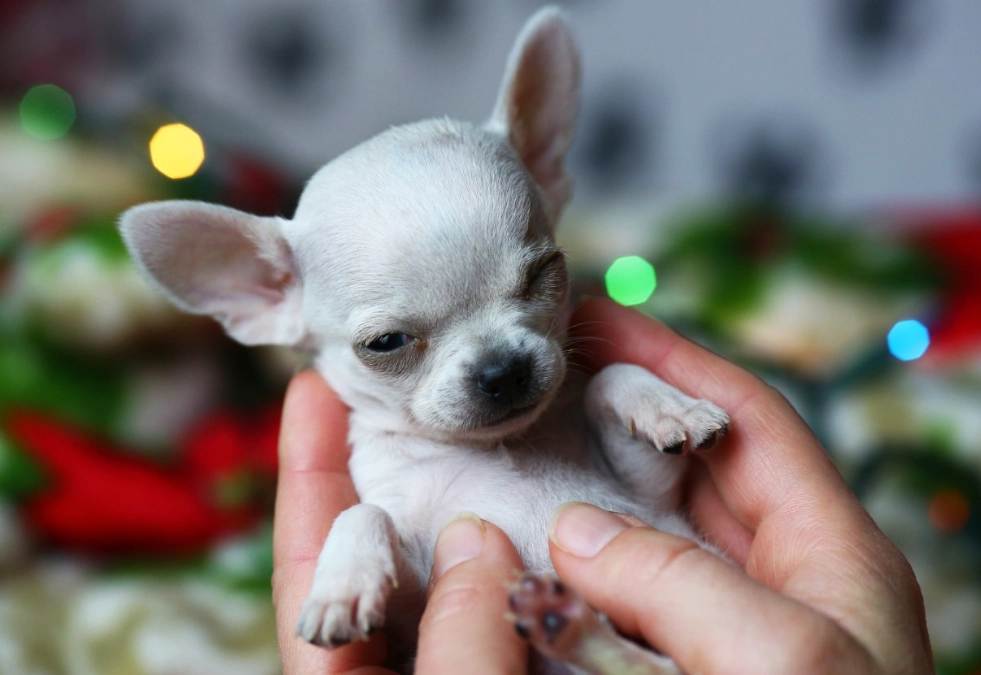
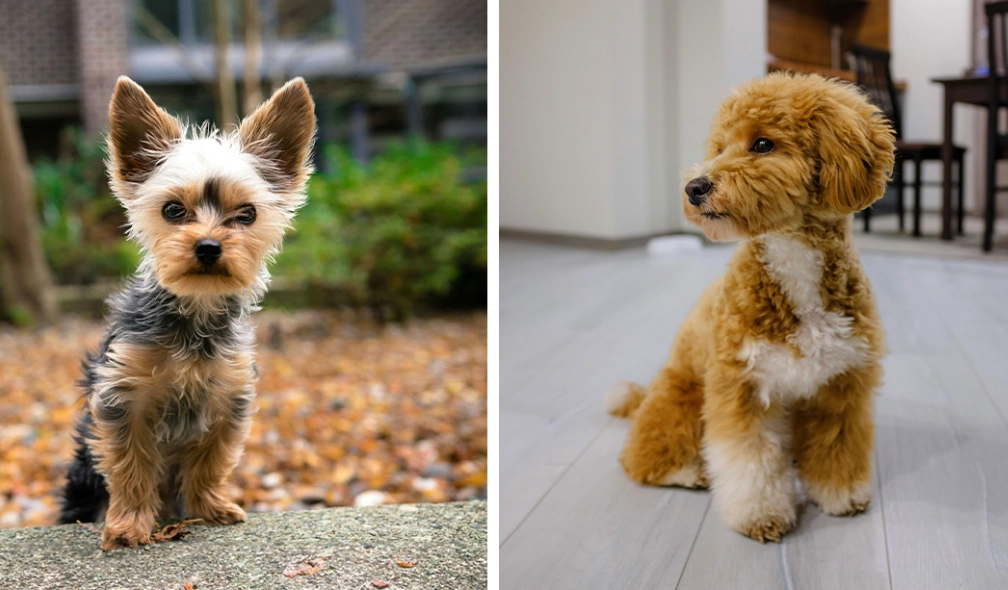
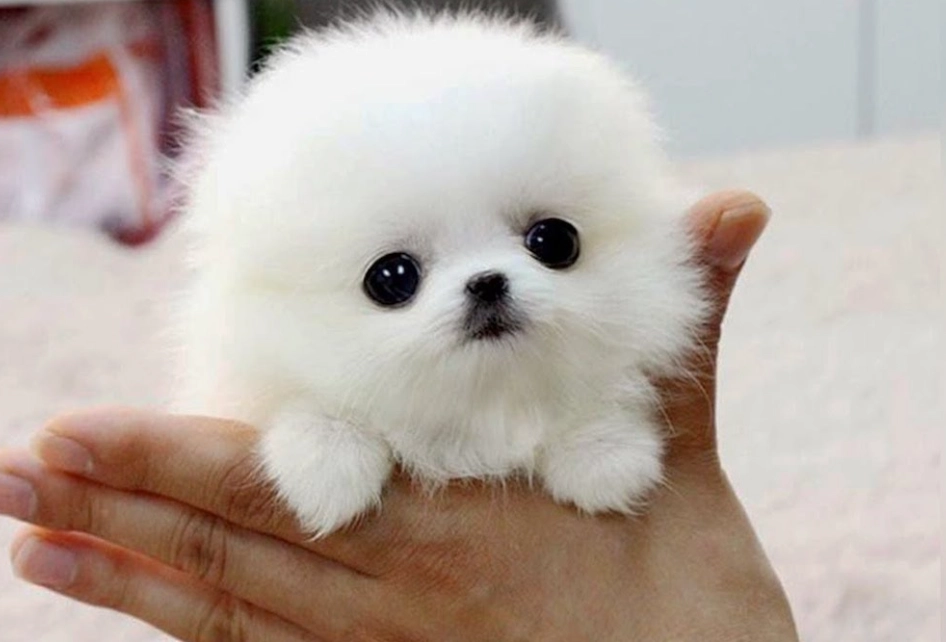
Let's talk about tiny dogs. I've shared my life with small breeds for over a decade, from a spirited Chihuahua to a delicate Russian Toy. The appeal is obvious—portable companionship, lower food costs, and the undeniable cuteness factor. But behind those big eyes in a small package lies a world of specific needs, common misconceptions, and health considerations that many first-time owners aren't prepared for. This isn't just a list of small breeds; it's a reality check and a care manual based on lived experience, not just internet research. When people say "world's smallest dog," the Chihuahua usually comes to mind. But the competition is stiffer than you think. Size is measured by height at the shoulder and weight. The breeds below consistently rank as the smallest, but remember, individual dogs vary. A so-called "teacup" is not a breed; it's a marketing term for runts or intentionally underbred dogs, which I advise against due to severe health risks. The Russian Toy is a hidden gem outside of Europe. I imported mine, and their elegance and resilience surprised me. They're less known than Chihuahuas but often have fewer genetic issues if sourced ethically. Don't just pick the cutest photo. A Papillon's intelligence demands mental stimulation, while a Yorkie's coat requires serious grooming commitment. The breed's energy level and grooming needs will impact your daily life more than its weight. Think a tiny dog is an easy pet? It's a different kind of challenge. Your lifestyle gets magnified under their small paws. These aren't low-maintenance accessories. A common mistake is treating them like cats. Most tiny breeds are terriers or companions bred for constant human interaction. They can develop severe separation anxiety if left alone for 8-hour workdays. If your home is chaotic with young children or large, boisterous pets, a fragile 4-pound dog is a terrible fit. One stumble can cause a broken leg. I learned this the hard way. My first Chihuahua, Gizmo, became neurotically attached because I didn't establish independence from day one. Food is cheap. Everything else isn't. Vet bills are proportionally higher. Procedures are delicate, often requiring specialists. Dental cleanings under anesthesia are non-negotiable and frequent. Quality harnesses, coats for winter, and secure carriers add up. Grooming for breeds like Pomeranians or Yorkies is a monthly expense unless you master it yourself—a steep learning curve. Avoid online ads promising "teacup" or "micro" puppies. Reputable breeders, like those affiliated with the American Kennel Club, prioritize health over size. They perform genetic testing on parent dogs for conditions like patellar luxation and heart defects common in small breeds. Expect to be interviewed and to wait. Adoption is also fantastic; check small-dog-specific rescues. My Russian Toy came from a breeder who showed me health clearances and let me meet the puppy's mother. Routine is everything. Their small bodies have fast metabolisms and specific vulnerabilities. Feeding: They need nutrient-dense, small-kibble food, split into 3-4 tiny meals to prevent hypoglycemia (a dangerous blood sugar drop). Free-feeding leads to obesity, which is devastating on their joints. I use a slow-feeder bowl to prevent gulping. Exercise: It's not optional. A 20-minute walk is a marathon for them, but it's crucial for mental health and weight control. Forget the "purse dog" stereotype. They need to sniff, explore, and feel the ground under their feet. Indoor play is great, but it doesn't replace a leash walk for stimulation. Grooming & Hygiene: Dental care is the number one non-negotiable. Brush their teeth daily. I'm serious. Periodontal disease is rampant and leads to heart and kidney issues. Nails need weekly trims; long nails alter their gait and hurt. For long-haired breeds, daily brushing prevents mats that pull the skin. Training & Socialization: The "small dog syndrome"—yapping, nipping, fearfulness—is a human-created problem. It stems from not training them like you would a German Shepherd. They must learn basic obedience. Socialization means positive exposures to various people, sounds, and safe dogs, not being carried everywhere. A well-socialized small dog is a joy; an unsocialized one is a nervous wreck. Being informed helps you catch problems early. Here’s what to watch for, beyond regular vet check-ups. Find a vet experienced with toy breeds. They know how to handle them gently and understand their unique anesthesia risks and drug dosage calculations. Are tiny dogs good with children? It depends heavily on the dog's temperament and the child's age and behavior. Generally, I don't recommend pairing toddlers with the smallest breeds (under 6 lbs). The risk of accidental injury is too high. For older, calm children who can be taught to handle the dog gently—sitting on the floor to pet, not picking them up unsupervised—it can work. Supervise all interactions. A breed known for patience, like a Cavalier King Charles Spaniel (on the larger end of "small"), is a safer bet than a high-strung toy breed. How do I housebreak such a small dog? Patience and consistency. Their bladders are tiny. The old "one hour per month of age" rule is a good start. Take them out immediately after waking, eating, drinking, or playing. Use a consistent phrase. Many owners successfully use indoor potty pads as a permanent or backup solution, especially in apartments or bad weather. The key mistake is punishing accidents. It creates fear, not understanding. Clean accidents with enzymatic cleaner to remove the scent completely. Why is my small dog so yappy, and how can I stop it? They bark for a reason: alerting (their job!), boredom, anxiety, or because it got a reaction from you. First, rule out a need (need to go out, thirsty). Never yell "quiet!"—that's just you barking too. Teach an incompatible behavior like "go to your mat" or "fetch a toy." Reward silence generously. For alert barking, a simple "thank you, I see it" followed by a distraction works better than scolding. Often, excessive barking is a symptom of under-exercise or under-stimulation. A tired dog is a quiet dog. Not if it's functional. In cold climates, a sweater or coat is necessary for short-haired breeds—they lose heat rapidly. Booties protect paws from ice melt and hot pavement. The cruelty comes from forcing a dog into restrictive, uncomfortable costumes for long periods or ignoring their stress signals. If the dog freezes, tries to remove it, or looks miserable, take it off. Fashion should never trump function or comfort. Can a small dog be a good hiking or travel companion? Absolutely, with preparation. Build their stamina gradually. On long hikes, be prepared to carry them in a canine backpack for steep or dangerous sections. They are fantastic travel companions in cars or pet-friendly accommodations due to their size. Always use a secure carrier in the car (strapped in) or a well-fitted harness attached to a seatbelt tether. Their size makes them projectiles in a crash. Bring familiar items, plenty of water, and plan frequent potty breaks.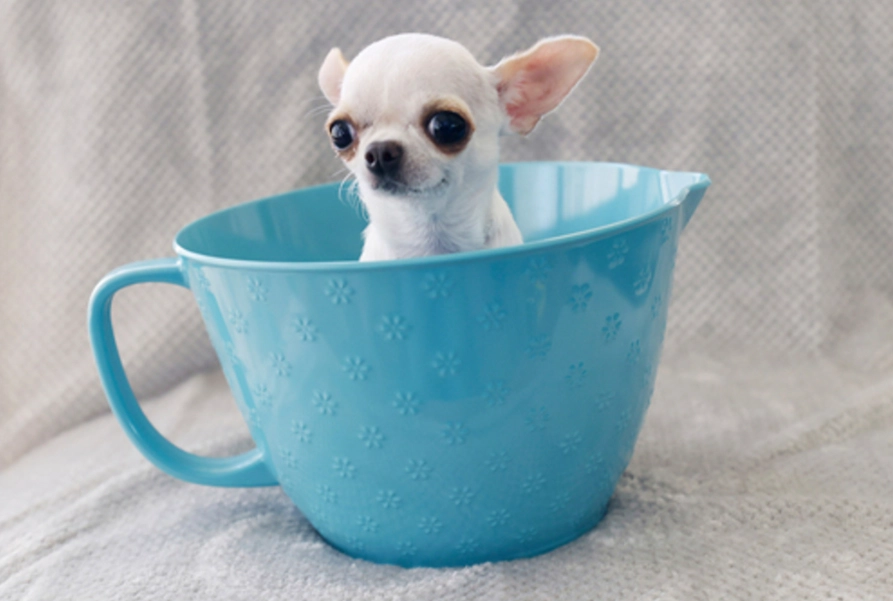
Your Quick Guide to Tiny Dogs
The Tiniest Contenders: A Breed Breakdown
Breed
Average Weight
Average Height
Key Temperament Trait
Exercise Need (Daily)
Chihuahua
2-6 lbs (0.9-2.7 kg)
5-8 inches (13-20 cm)
Confident, loyal, can be wary of strangers
20-30 min
Russian Toy
3-6 lbs (1.4-2.7 kg)
8-11 inches (20-28 cm)
Energetic, affectionate, vocal
30-40 min
Pomeranian
3-7 lbs (1.4-3.2 kg)
6-7 inches (15-18 cm)
Inquisitive, bold, extroverted
30 min
Yorkshire Terrier
4-7 lbs (1.8-3.2 kg)
7-8 inches (18-20 cm)
Feisty, affectionate, "big dog" attitude
20-30 min
Papillon
5-10 lbs (2.3-4.5 kg)
8-11 inches (20-28 cm)
Intelligent, friendly, highly trainable
20-40 min
What to Consider Before You Bring One Home
Lifestyle Match (Or Mismatch)
The Real Cost
Finding a Responsible Source
The Day-to-Day Care They Really Need

Navigating Common Health Concerns

Your Tiny Dog Questions, Honestly Answered
 Is it cruel to dress up a small dog?
My unpopular opinion: The desire for the "smallest possible" dog drives unethical breeding. A healthy, slightly larger example of a small breed will have a longer, happier life with you than a fragile, ultra-tiny one plagued with illness. Aim for the middle of the breed standard weight range.
Comment