I was pruning my apple tree last August when I saw it. At first, I thought a dead, hairy spider leg had gotten stuck on a leaf. Then it moved. That was my first, heart-skipping encounter with the monkey slug caterpillar (Phobetron pithecium). It looks less like an insect and more like a rejected special effect from a 1980s sci-fi movie. If you've stumbled upon one, you probably had the same mix of disgust and fascination. Let's cut through the internet's vague descriptions. This guide dives deep into what this creature really is, why it looks so bizarre, and—most importantly—what you should actually do if you find one.
What's Inside?
What Exactly Is a Monkey Slug Caterpillar?
Forget cute and fuzzy. The monkey slug is the larval stage of the hag moth. The name "hag moth" fits the adult, a dull, hairy moth that's easy to overlook. But the caterpillar? That's the star of the show. You'll find it in deciduous forests and backyards across the eastern United States, roughly from Maine down to Florida and over to Texas. Its season runs from mid-summer into early fall.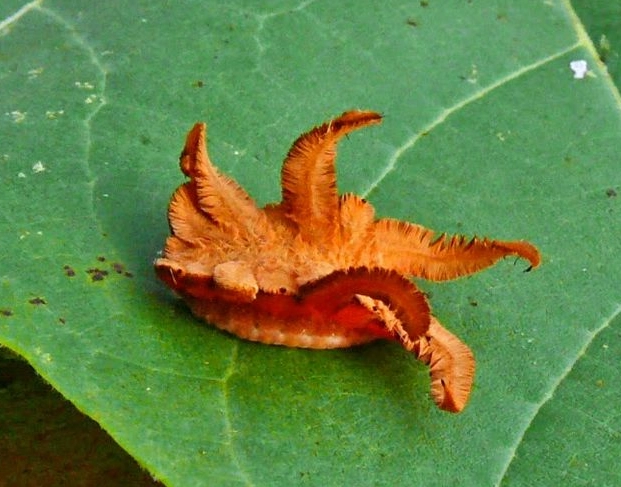
It's not common, but it's not a unicorn either. Most people miss it because it's a master of disguise. The "slug" part of its name is a clue to its movement—it doesn't crawl with visible legs like most caterpillars. It glides along the underside of leaves in a slow, undulating motion that genuinely resembles a slug. This alone makes it stand out in the insect world.
Scientific Name: Phobetron pithecium
Common Names: Monkey slug caterpillar, hag moth caterpillar.
Range: Eastern North America.
Active Season: July to October (peak in August-September).
Host Plants: Prefers a wide variety including apple, cherry, oak, willow, and birch.
Decoding Its Bizarre Look: It's Not Just for Show
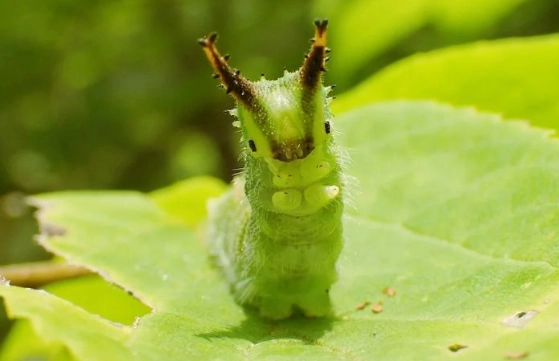
Let's describe it without the hyperbole. The body is brownish and flattened. Coming off it are nine pairs of fleshy, arm-like projections (called "lateral processes"). These are covered in dense, brown hairs. Some of these arms are longer than others, giving it a lopsided, ragged appearance. The whole thing measures about 3/4 to 1 inch long.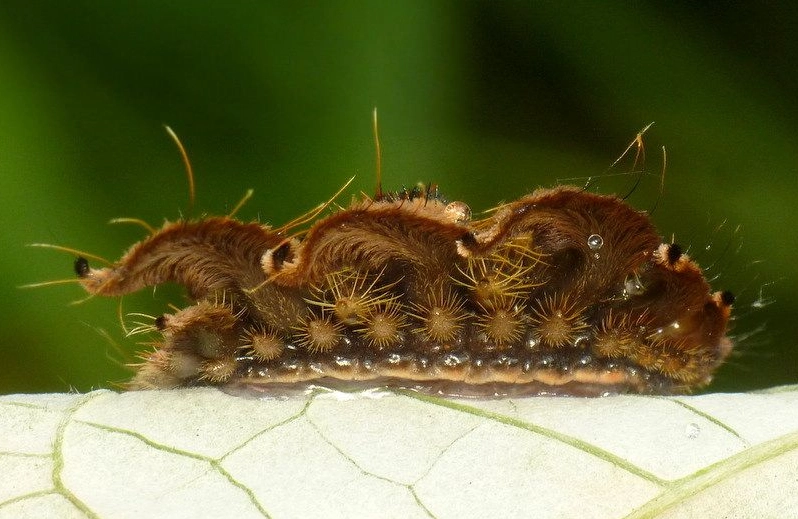
Here's the crucial detail most articles gloss over: those "arms" are not legs. The caterpillar's six true legs and several prolegs are tiny and hidden underneath its body, near the head. The arms are purely for defense and camouflage. They break up its outline perfectly. On a twig or a dry leaf, it looks like a withered piece of plant debris or a bird dropping—nothing appetizing.
I've seen photos where they look symmetrical. In real life, they're often asymmetrical and messy. That's not a defect; it makes the camouflage more effective.
How It Compares to Other "Weird" Caterpillars
People often confuse it with other hairy or spiky caterpillars. Here’s a quick breakdown to set the record straight.
| Caterpillar | Key Identifier | Sting Danger | Common Mix-up With Monkey Slug? |
|---|---|---|---|
| Monkey Slug | Flattened, brown, with 9 pairs of hairy "arms." Looks like debris. | Mild to moderate sting. | N/A |
| Io Moth Caterpillar | Green with a bold white and red stripe. Distinct spines. | Potent, painful sting. | No. Io is green and spiky, not hairy and brown. |
| Saddleback Caterpillar | Bright green "saddle" on a brown body. Has fleshy horns. | Very painful sting. | No. Color pattern is totally different. |
| Puss Caterpillar | Toupee-like, dense fur. Looks like a tiny toupee moving. | Severe, ER-visit level sting. | Sometimes, due to the "hairy" description. Puss is uniformly furry. |
The Sting: Separating Fact from Fear
This is the big question. Yes, the monkey slug caterpillar can sting. But let's be precise. It's not aggressive. The sting comes from urticating hairs hidden among the longer, fluffier ones on those fleshy arms. Contact brushes these hairs against your skin, releasing an irritant.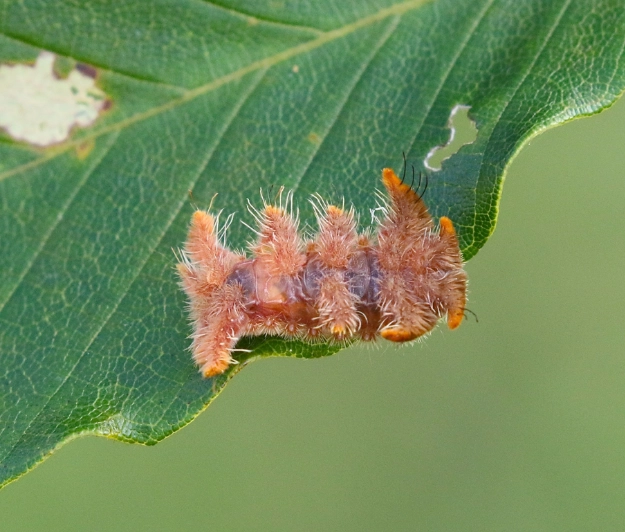
The sting is often described as "mild." From my conversations with entomologists and unfortunate gardeners, it's more variable. For most, it's like a strong nettle rash—sharp burning, redness, and itching that can last a few hours. For some, it can develop into a more painful, raised welt that itches for a day or two. It's nowhere near as severe as a puss caterpillar sting, which is in a different league of pain.
The mistake people make is assuming all the long hairs are stingers. They're not. The defensive hairs are shorter and intermingled. You can't tell by looking. So the rule is simple: look, don't touch. Teach kids the same. Use a stick or a leaf to gently coax it onto if you need to move it.
If you do get stung:
- Immediately apply adhesive tape to the area and peel it off to remove any lingering hairs.
- Wash the area with soap and cool water.
- Apply a paste of baking soda and water, or an over-the-counter hydrocortisone cream for itching.
- An ice pack can reduce swelling and pain.
If you have a severe allergic reaction (difficulty breathing, swelling of the face/mouth), seek medical help immediately. This is rare but possible with any insect sting.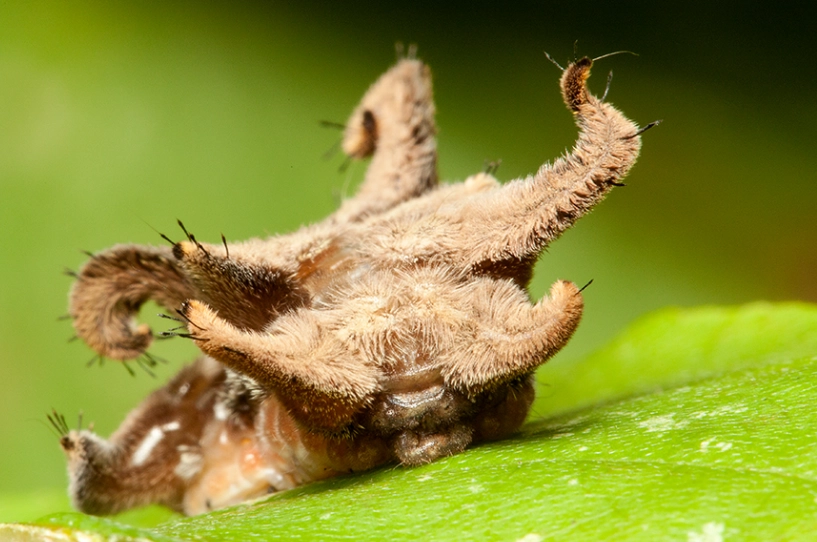
From Alien Slug to Drab Moth: The Full Life Cycle
The transformation is a classic case of "the kid is way more interesting than the adult." After feeding for several weeks, the monkey slug caterpillar finds a sheltered spot. It spins a loose, brown, silken cocoon that incorporates bits of leaf litter, making it nearly invisible on the forest floor. It overwinters in this cocoon as a pupa.
In late spring or early summer, the adult hag moth emerges. And it's... underwhelming. It's a small moth with a wingspan of about an inch. Males are dark brown with feathery antennae. Females are lighter brown with simpler antennae. Both are hairy and look a bit ragged themselves. They are nocturnal and are rarely noticed. According to the University of Florida's Entomology Department, the adults don't feed and live only a short time to mate and lay eggs, starting the cycle over again.
How (and Where) to Find One: A Practical Guide
You won't find them by sweeping a butterfly net randomly. You need a strategy. Based on my own searches and notes from local naturalist groups, here’s what works.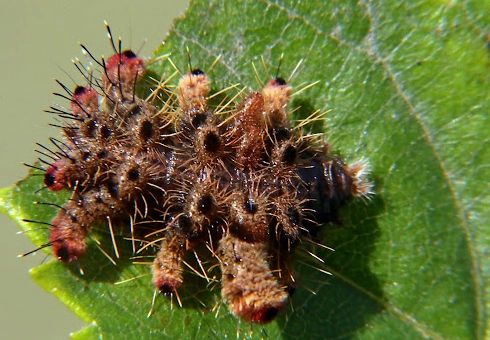
Best Locations & Timing
Forget deep wilderness. They are often in edge habitats.
- The border between a forest and a field.
- Overgrown fence lines with mixed vegetation.
- Your own backyard if you have native trees like oak, cherry, or apple and don't use heavy pesticides.
The best time of day is late morning to afternoon on a sunny day. They are often on the underside of leaves at the outer edges of trees and shrubs, from eye-level up to about 8 feet high.
Your Observation Toolkit
You don't need much.
- Patience: This is the main tool. Plan to spend 20-30 minutes slowly scanning a single tree.
- Eyes: Look for irregularities. A "dead leaf" that isn't quite right. A "clump of debris" that seems attached.
- Camera with a Macro Lens: A smartphone can work, but a macro lens attachment lets you capture incredible detail without getting your face too close.
- Notebook: Jot down the date, tree species, and weather. This helps build a personal sighting log.
I've had the most success on oak saplings at the edge of a local park in mid-August, after a few dry days. They seem less active during or right after heavy rain.
Why Bother Looking?
Finding one is a small victory. It's a sign of a healthy, pesticide-light ecosystem in your area. Photographing it contributes to citizen science. Upload your sighting to platforms like iNaturalist. Your data helps scientists track their range and population health over time.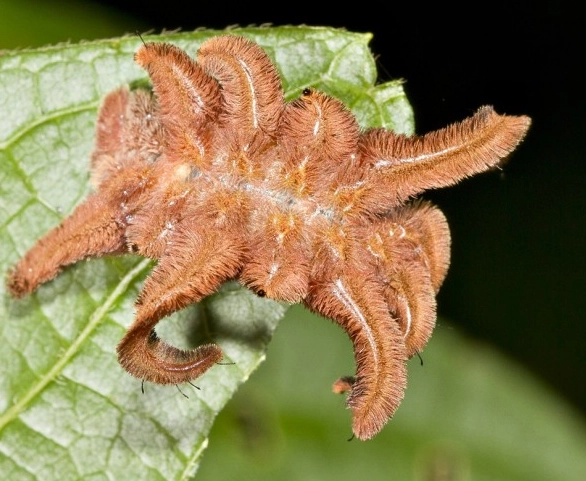
Your Monkey Slug Caterpillar Questions Answered
I think one fell out of a tree onto my neck. What should I do first?
Can they damage my trees or garden plants?
Are they related to the venomous puss caterpillar?
I want to attract more interesting insects like this to my yard. What's the one thing I should do?
Is it true the "arms" can detach like a lizard's tail?
The monkey slug caterpillar is a perfect example of nature's creativity. It challenges our idea of what a caterpillar should look like. It's a harmless oddity if respected, a tiny lesson in adaptation and survival. Next time you're in the garden or on a walk in late summer, slow down. Look at the undersides of leaves. You might just meet this miniature alien, and your view of the insect world will never be quite the same.

Comments
Leave a Comment