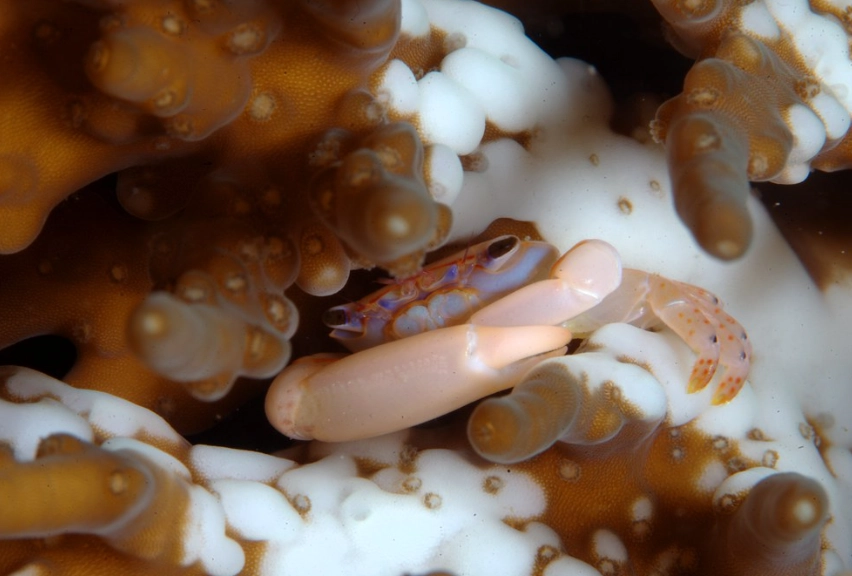
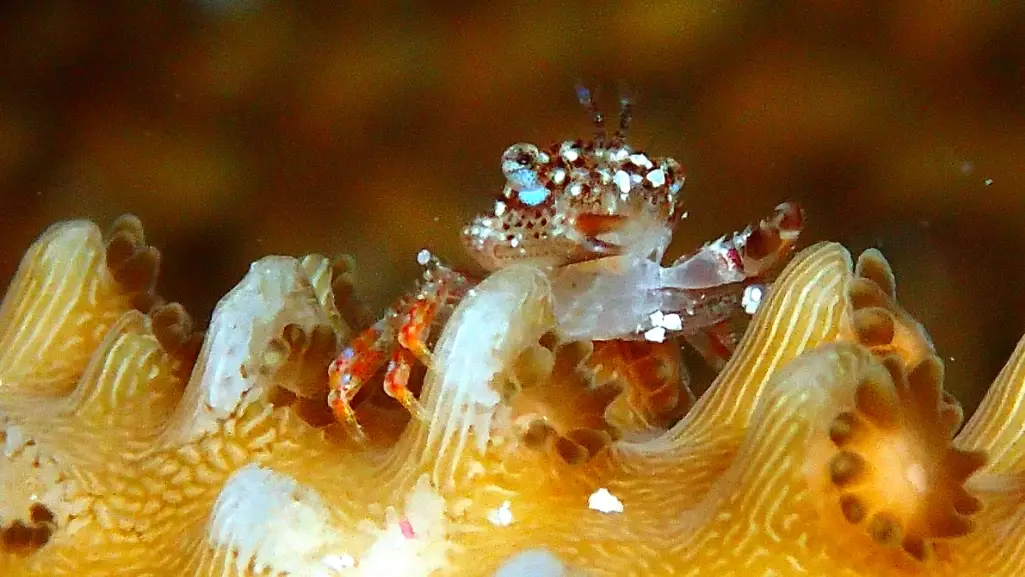
You're snorkeling over a vibrant coral reef. Your eyes are glued to the fish, the swaying anemones, maybe a turtle in the distance. But you're missing most of the action. Look closer—right there, in the nooks and crannies of the coral itself. That's where the real engineers of the reef live. Coral crabs. They're not just random hitchhikers; they're essential tenants, bodyguards, and janitors all rolled into one tiny, armored package. I've spent over a decade studying marine micro-ecosystems, and I can tell you, a healthy reef without its crabs is like a city without police or sanitation workers. It falls apart. Let's clear something up first. "Coral crab" isn't a single scientific family. It's a catch-all term for a bunch of crab species that have evolved to live specifically in association with stony corals (Scleractinia). Think of them as specialists, while other crabs are generalists who roam the seabed. Their entire life cycle is tied to their coral host. They find shelter in its branches, feed on the mucus and detritus it produces, and fiercely defend it from predators. The relationship is mostly mutualistic—the crab gets a home and food, the coral gets protection and cleaning. But it's not always perfectly balanced. Some smaller species are more like polite tenants, while others can be slightly demanding roommates if food is scarce. The most famous partnerships involve acropora corals (branching corals like staghorn) and crabs from the family Trapeziidae. These crabs, often called "guard crabs," have flattened bodies perfect for slipping between coral branches. Their claws are adapted more for grabbing and manipulating particles than for crushing. If you care about coral reefs, you need to care about these crabs. Their job description is extensive. This is their headline act. Coral crabs are notoriously aggressive towards intruders, especially the Crown-of-Thorns starfish (COTS), a notorious coral predator. Studies, including those referenced by the Smithsonian's Ocean Portal, have shown that corals with their resident crabs suffer significantly less damage from COTS attacks. The crabs pinch the starfish's tube feet, making it too uncomfortable to feed. They'll also go after predatory snails and fireworms. It's a 24/7 security detail. Corals constantly produce a mucus layer to trap sediment and pathogens. This mucus, loaded with organic matter, is a prime food source for many coral crabs. By constantly grazing on it, they prevent harmful bacteria and algae from building up on the coral's surface. They also snag plankton and other organic bits from the water column. They're not just eating for themselves; they're preventing infections. Their presence is a key bio-indicator. A coral colony bustling with its symbiotic crabs is usually a healthy colony. If you see a coral that's lost its crabs, it's often a sign of underlying stress—maybe water quality issues, disease onset, or prior predation. In restoration projects, some groups are now experimenting with reintroducing crabs to newly outplanted corals to boost their survival rates. You won't need a microscope, but you do need to know what to look for. Color is unreliable—it can vary wildly. Focus on shape, claw size, and host coral. When you're diving or looking in your aquarium, don't just look on the coral. Gently peek inside the structure. At night, you might see them venturing out further onto the branches to feed. This is where theory meets practice. I've kept these guys for years, and they're some of the most low-maintenance, beneficial critters you can add—if you do it right. The biggest mistake? Dumping them in. These crabs are stress magnets during shipping. Use a slow drip acclimation method over 60-90 minutes to adjust them to your tank's water parameters. Temperature and pH shock can kill them quickly. I like to dim the tank lights for the first 6-8 hours after introduction. You must have the appropriate host coral. An Acropora guard crab without an Acropora is a stressed, vulnerable animal. It's not optional. Before buying the crab, ensure you have a healthy, established colony of its preferred host. Good tank mates are other peaceful reef fish, most snails, and other non-predatory crustaceans. They generally ignore each other. Here's another non-consensus point: In a pristine, mature reef tank, they might find enough micro-food. But in most systems, especially newer ones, you need to supplement. I target feed mine twice a week with a tiny pinch of powdered food or a slurry of frozen rotifers/cyclopeeze, blown gently towards their coral with a pipette. They'll actively grab it from the water. This keeps them healthy and prevents them from getting overly "creative" with other tank inhabitants.
What's Inside This Guide
What Are Coral Crabs? (Beyond the Shell)
Their Non-Negotiable Role in the Reef Ecosystem
The Bodyguard Service
The Detritus Clean-Up Crew
The Coral Health Monitor
How to Identify Common Coral Crab Species
Common Name
Scientific Genus (Example)
Key Identifying Features
Typical Host Coral
Temperament in Aquarium
Acropora Guard Crab
Trapezia (e.g., T. cymodoce)
Flattened, smooth carapace. Claws are relatively small and equal in size. Often has patterned markings.
Branching Acropora, Pocillopora
Excellent. Peaceful to all except threats. Rarely leaves its host.
Pocillopora Crab
Tetralia
More rounded body than Trapezia. Claws are larger, one often bigger than the other. Often hairy.
Pocillopora, sometimes Acropora
Very good. Slightly more reclusive but effective.
Gall Crab
Hapalocarcinus
Tiny! (Few mm). Female becomes permanently entombed in a "gall" she induces the coral to grow around her.
Various branching corals
Not collected for aquaria. A fascinating example of extreme symbiosis.
Hairy Coral Crab
Pilumnus or similar
Small, often dark, with a carapace and legs covered in fine hairs (setae). Looks "fuzzy".
Lives on/under coral heads, rubble.
Good scavenger. Can be opportunistic; may bother very small, weak tank mates if hungry.
Caring for Coral Crabs in a Reef Aquarium
Acclimation is Everything
Tank Mates and Host Requirements
Feeding Them (They're Not Totally Self-Sufficient)

Your Coral Crab Questions, Answered by an Expert
 How many coral crabs can I put in one aquarium?
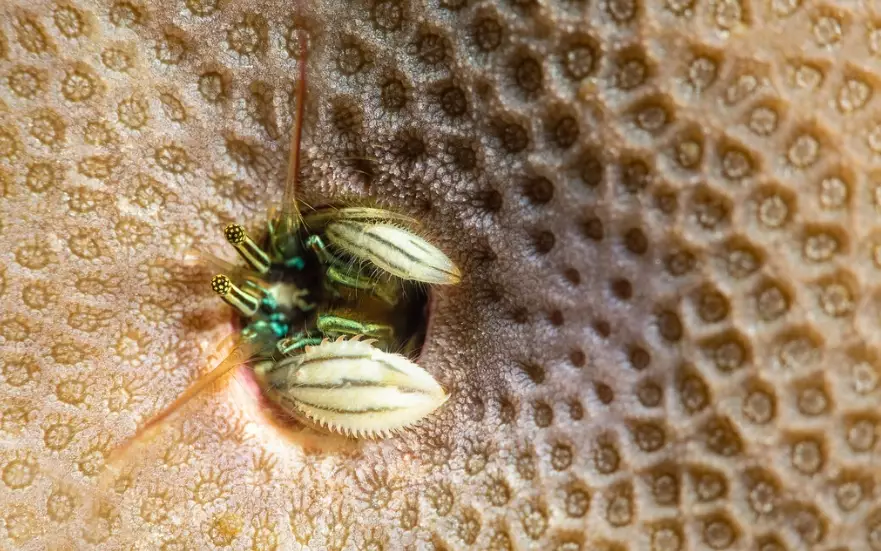 Look, the takeaway is simple. Coral reefs are complex networks, not just pretty backgrounds. Coral crabs are a fundamental thread in that web. Whether you're a diver learning to see the reef in a new way, or a hobbyist trying to build a truly resilient slice of the ocean at home, understanding these tiny guardians changes your perspective. They're not an optional extra. They're essential. Start looking for them. Your reef—whether natural or in a tank—will be better for it.
Here's the subtle error most people make: They assume all "cleaner" organisms are interchangeable. Throwing a handful of hermit crabs into a reef tank is not the same as having dedicated coral crabs. Hermits are bulldozers; they'll climb over and irritate corals. Coral crabs are precision surgeons, working only on their host.
Major Compatibility Warning: Do not house them with predatory shrimp (especially Mantis shrimp, even the small "spearers") or large, aggressive wrasses like the Sixline Wrasse. These will view your crab as a expensive snack. Peppermint shrimp can sometimes be bullies too.
My reef tank has a hair algae problem. Will adding a coral crab solve it?
Probably not. Coral crabs are not macro-algae eaters. They focus on microbial films, detritus, and mucus on the coral's surface. For hair algae, you need a different clean-up crew: turbo snails, sea urchins, or certain tangs (in large enough tanks). Adding a crab to an algae-covered tank without its specific host coral is setting it up for failure.
I found a crab in my new Acropora frag. Is it a good guy or a pest?
Check its claws. If they are small, symmetrical, and the body is flat, it's almost certainly a beneficial Trapezia or Tetralia crab—a free bonus! Keep it. If it has large, crushing claws (like a miniature stone crab), it could be a predator that will eat your coral from the inside out. That one needs to be removed. When in doubt, isolate the frag in a container and see what it eats.
It's not about tank gallons; it's about real estate. The rule is one crab per host coral colony. Two crabs on a small colony will fight to the death. If you have a large, sprawling Acropora colony (over 10 inches), it might support a mated pair. For most hobbyists, start with one crab for your most prized Acropora or Pocillopora and observe.
My coral crab never seems to move. Is it dead?
They are masters of stillness. Before assuming the worst, look very closely at its mouthparts or the base of its legs for tiny movements. Shine a faint light on it at night—that's when they're most active. If it's been in the same exact position for 48 hours and smells bad upon removal, then yes. But they can sit motionless for an entire day, just processing food and keeping watch.
Can coral crabs reproduce in my home aquarium?
They can mate and the female will carry eggs (a berried crab), but the larvae are planktonic and incredibly difficult to raise. They require microscopic food and specific water flow. The babies will almost certainly become food for your fish or get filtered out. Successful breeding in captivity is rare and left to specialized aquaculture labs. Consider any breeding activity a sign of excellent husbandry, but don't expect a population boom.
Comment