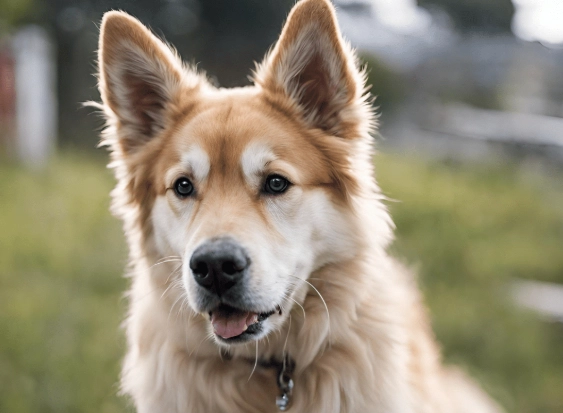
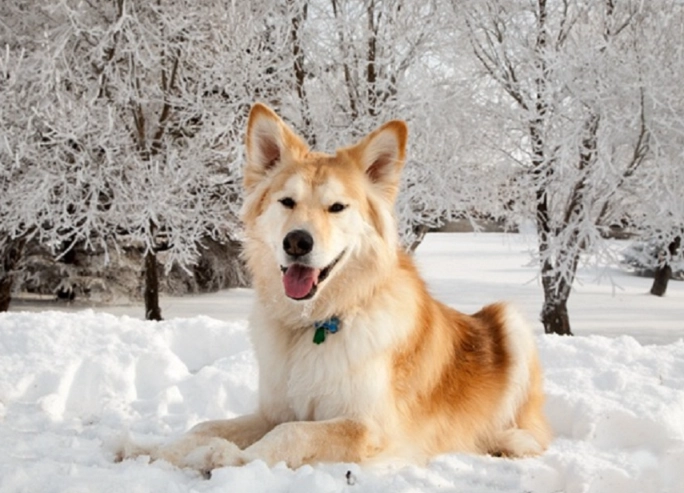
So you're thinking about a Husky Golden Retriever mix. Maybe you saw a picture of one online – those piercing blue eyes from the Husky side combined with the friendly, fluffy face of a Golden. It's an undeniably striking combination. But let's cut to the chase: this isn't a low-maintenance, couch-potato dog. This hybrid, often called a Goberian or a Golden Husky, is a bundle of high-energy, intelligent, and strong-willed traits wrapped in a gorgeous package. It can be an incredible family dog for the right person, and a total nightmare for the wrong one. It's exactly what it sounds like: a first-generation cross between a purebred Siberian Husky and a purebred Golden Retriever. Being an F1 cross means you get a true 50/50 genetic mix, which leads to a lot of variation in looks and personality. Unlike some established hybrid breeds, there's no predictability guarantee. One puppy in the litter might look and act more like a Husky, while its sibling is a dead ringer for a Golden. This unpredictability is the first major point everyone glosses over. Breeders selling "designer dogs" often focus on the "best of both worlds" fantasy. The reality is you can also get the challenging traits of both worlds. Understanding the core drives of each parent breed isn't optional homework; it's essential. Let's break down what each parent brings to the table. This isn't just about cute traits; it's about deep-seated instincts. The temperament you get is a lottery. I've met Goberians who are velcro dogs, sticking to their human's side like a classic Golden. I've also met ones who, the moment the backyard gate isn't latched perfectly, will embark on a solo adventure with the wanderlust of a Husky. You must be prepared for either extreme, or a combination. The "Velcro" vs. "Explorer" Dynamic: This is the biggest personality wildcard. A mix leaning Golden will follow you from room to room. A mix leaning Husky will be more aloof and content doing its own thing—until it decides it's time for a walk, on its terms. Forget the generic care tips. Here's what living with this mix actually entails. Two 45-minute walks a day is the bare minimum to prevent destructive behavior. These dogs need mental and physical jobs. Both parents have double coats. Expect significant shedding, especially during bi-annual "blowouts" where they shed their undercoat in clumps. Weekly brushing is mandatory, moving to daily during shedding season. Invest in a good undercoat rake, a slicker brush, and a powerful vacuum cleaner. If you have allergies or hate fur on your clothes, reconsider this mix. High-quality, high-protein food to fuel their energy. Be mindful of portions; Golden Retrievers can have a tendency to gain weight, and an overweight high-energy dog is a health disaster waiting to happen. Use a slow-feeder bowl if they inhale their food—a common trait. A Common Mistake: New owners often think a tired dog is a good dog and just focus on physical exercise. A bored Goberian is just as dangerous as an under-exercised one. You must incorporate training puzzles, scent work, or new tricks daily to tire their brain. A 20-minute sniffari (a slow, meandering walk where they lead with their nose) can be more tiring than an hour of walking. Positive reinforcement is the only method that works consistently. Their potential stubbornness means punishment-based training will backfire spectacularly. Recall (Coming When Called): This is the most critical command and the hardest to master. The Husky's independent streak and high prey drive make them prone to selective hearing. Start in a secure, fenced area. Use the highest-value treats (real chicken, cheese) and make coming to you the best party ever. Never scold them when they finally come back, even if it took 10 minutes. Leash Manners: They are powerful pullers. A standard flat collar won't cut it. Consider a front-clip harness (like the Freedom No-Pull Harness) to give you more control without harming the dog. Loose-leash walking requires constant, patient practice. Separation Anxiety: Given their social nature, many struggle alone. Crate training from day one is crucial. Make the crate a happy place with treats and meals. Start with very short departures (30 seconds) and build up slowly. Ignoring the dramatic "goodbye" and "hello" routines helps prevent reinforcing anxious behavior. A well-cared-for Goberian typically lives 10-13 years. Hybrid vigor can reduce the risk of some purebred issues, but they are not immune. Reputable health screening of the parent dogs is vital. Ask any breeder for proof of health clearances for both hips (OFA or PennHIP) and eyes from a veterinary ophthalmologist. Conditions to be aware of include: Always get pet insurance early, before any conditions are diagnosed. Don't get one if: Do consider one if: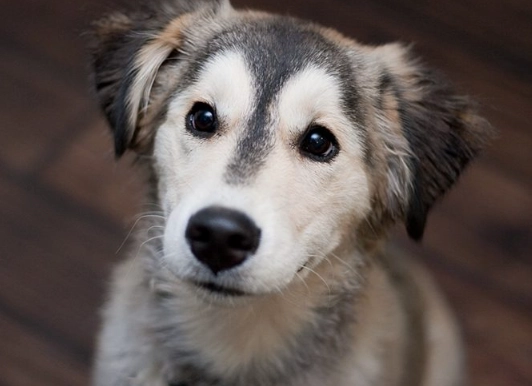
What's Inside This Guide
What Exactly Is a Husky Golden Retriever Mix?
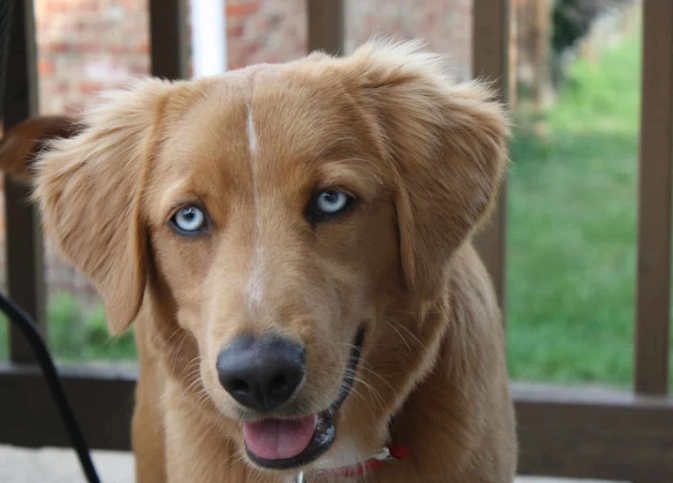
Key Characteristics & Temperament: The Parental Blend
Trait
From the Siberian Husky
From the Golden Retriever
Result in the Mix
Energy & Exercise
Extremely high endurance, bred to run for miles.
High energy, but more "bursts" of play and retrieves.
Very high energy needs. A 30-minute walk is a warm-up, not a workout.
Independence & Trainability
Independent, cat-like thinkers. Can be stubborn.
Eager to please, highly biddable, and food-motivated.
A tug-of-war between independence and willingness. Training requires patience and high-value rewards.
Social Nature
Friendly with everyone, including strangers. Poor guard dogs.
Famous for friendliness and love of people.
Extremely social and people-oriented. Prone to separation anxiety if left alone too much.
Prey Drive & Voice
High prey drive (squirrels, cats). Prone to howling and "talking."
Moderate prey drive, more likely to retrieve than chase. Typical bark.
Moderate to high prey drive is common. Vocalizations can range from barks to dramatic howls.
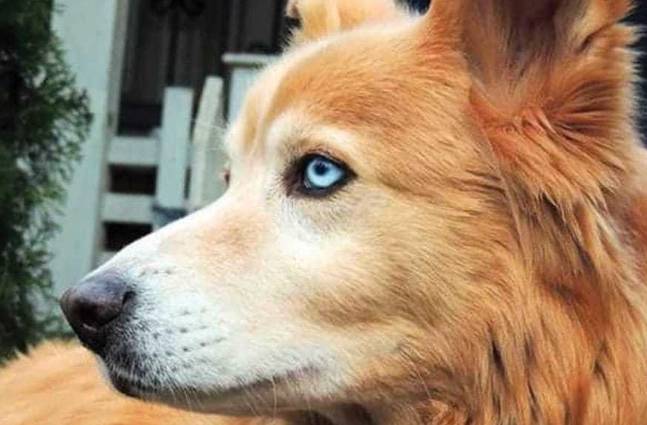
Caring for Your Goberian: A Realistic Breakdown
Exercise: Non-Negotiable and Creative
Grooming: It's a Fur Festival
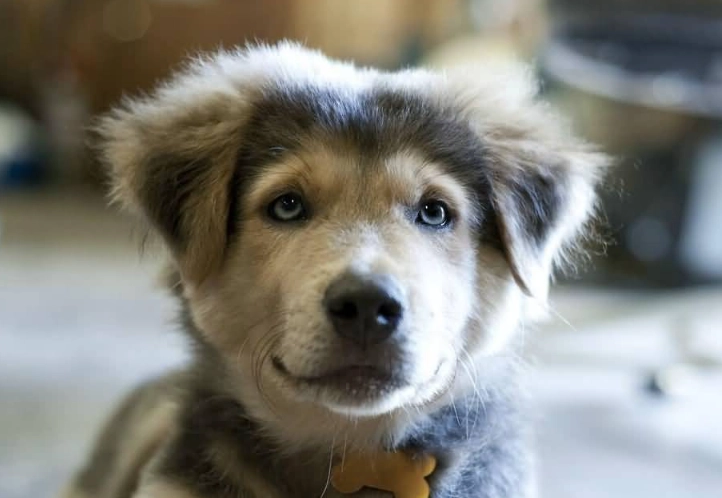
Diet and Nutrition
Training Challenges & Solutions
Health Concerns & Lifespan
Is This Mix Right For You? The Honest Checklist
Your Questions, Answered (The Deep Dive)
My Goberian is destructive when left alone for just a few hours, even after a long walk. What am I missing?
You're likely missing mental enrichment. Physical exercise alone isn't enough for this intelligent mix. Before you leave, provide a stuffed Kong, a frozen lick mat, or a puzzle toy that takes 20-30 minutes to solve. Also, practice leaving for very short durations (2-5 minutes) throughout the day when you're home, so your departure isn't always a big event. The goal is to make your absence boring, not anxiety-inducing. Consulting a certified separation anxiety trainer is often a wise investment.
Are Husky Golden Retriever mixes good with young children?
Their friendly nature is a plus, but their size and exuberance can be a hazard. A 60-pound dog jumping up in joy can easily knock over a toddler. Supervision is non-negotiable. Teach children how to interact safely (no tail pulling, respecting sleep space) and equally teach the dog calm behavior around kids. A mix with a stronger Golden influence may have a softer, more patient demeanor, but you should never assume. Early, positive socialization with children is critical.
What's the biggest misconception about this hybrid that leads to rehoming?
The "low-shedding" or "easy-training" myth. People see a cute puppy and don't research the intense exercise needs and stubborn streak. The second is underestimating the prey drive. Families get the dog, then realize they can't safely have it around their existing cat or that it will never be trustworthy off-leash at the local park. The rehoming ads often say "needs a more active home" or "not good with small animals." These are predictable breed traits, not the dog's fault.
Should I get my Goberian from a breeder or a rescue?
Both are valid paths, but require different approaches. A responsible breeder will health-test parents, raise puppies in a home environment, ask you as many questions as you ask them, and take the dog back at any point in its life if you can't keep it. They won't have puppies available constantly. Rescues often have adult Goberians or mixes. The advantage is you might get a clearer sense of the adult dog's personality (is it more Husky or more Golden?). The challenge can be unknown history and potential behavioral issues from a lack of early training. Whichever path, avoid anyone advertising multiple "designer" litters readily available—that's a red flag for a puppy mill.
Comment