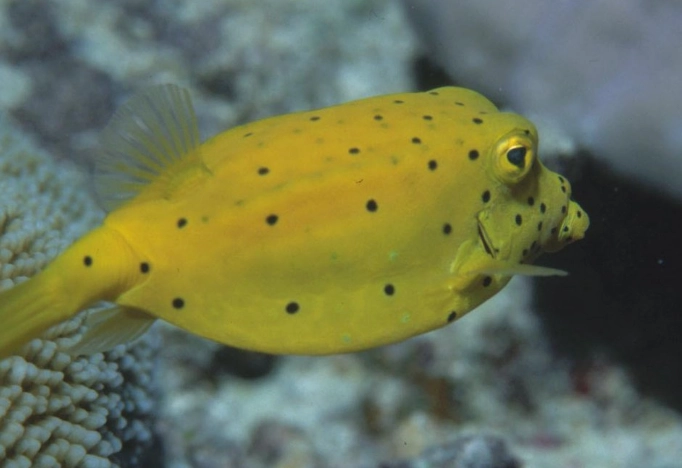
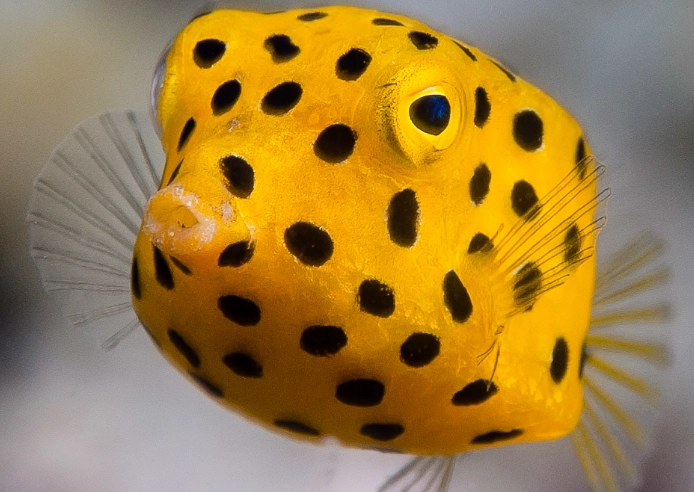
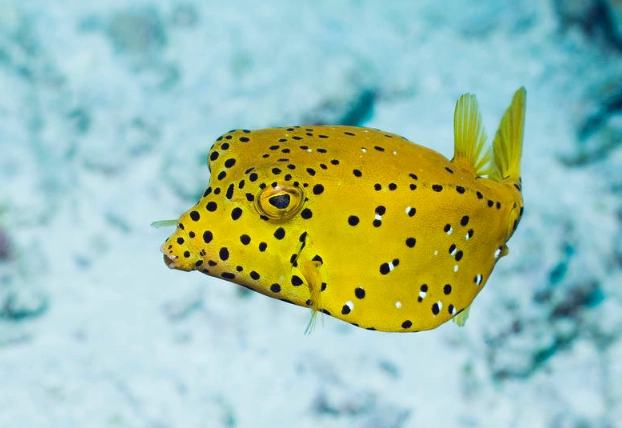
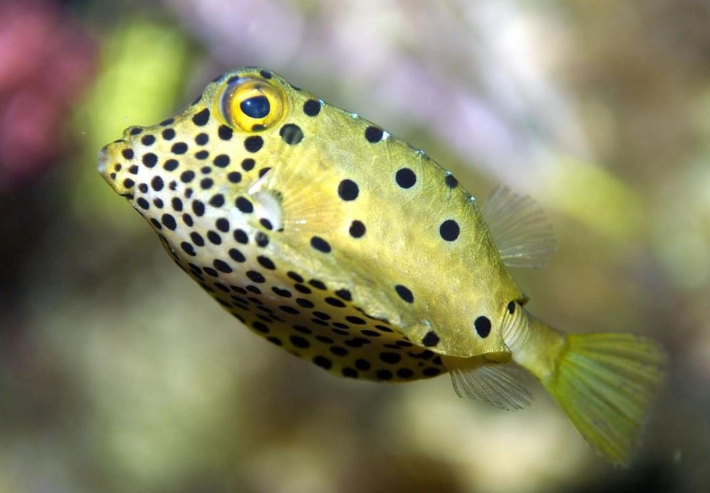
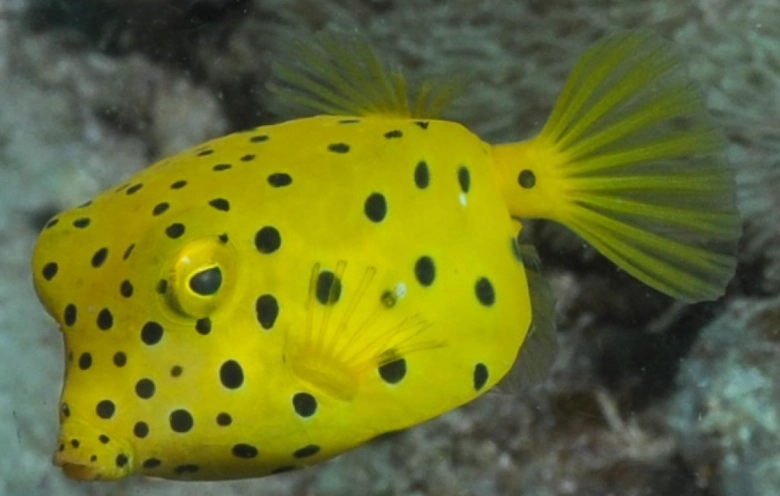
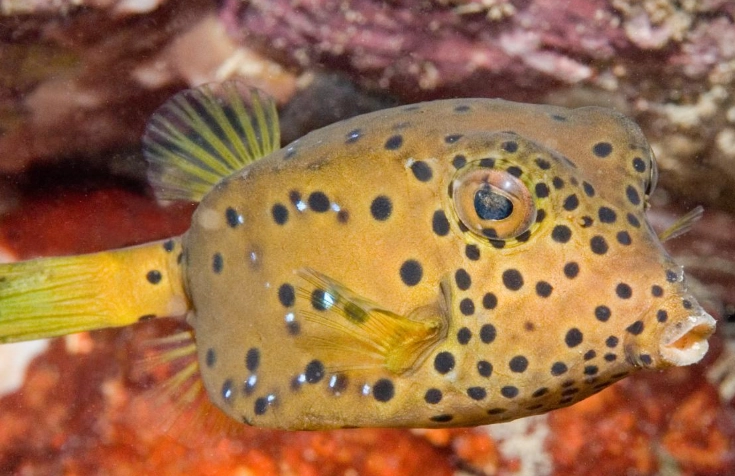
You see it in documentaries and maybe in the local aquarium store—a small, bright yellow cube with black spots, swimming awkwardly. The yellow boxfish (scientifically known as Ostracion cubicus) is an instant conversation starter. But here's the thing most generic articles won't tell you: keeping one successfully has less to do with hitting basic water parameters and everything to do with understanding its stress triggers. I've seen too many hobbyists focus solely on temperature and salinity, only to lose their fish to a sudden, mysterious toxin release. We'll get into that critical detail later. First, let's look at what you're actually getting into. Forget the "cute cube" stereotype for a second. This fish is a member of the Ostraciidae family, which are essentially swimming suit of armor. Their bodies are encased in a rigid, bony carapace made of fused hexagonal plates. They don't have traditional scales. This structure provides incredible protection from predators but comes at a cost—they are slow, clumsy swimmers. They maneuver using small pectoral, dorsal, and anal fins, which gives them that distinctive hovering, helicopter-like motion. A Quick ID: Juvenile yellow boxfish are the classic canary yellow with black polka-dots. As males mature, their body color can shift towards a more blue-grey hue, while the edges of their carapace and face remain yellow. Females generally stay yellowish. If you see a plain grey boxfish in a store, it's likely a different species, like the Ostracion meleagris (blue-spotted boxfish). In the wild, they're found across the Indo-Pacific, from the Red Sea and East Africa to Hawaii and the islands of Polynesia. They typically hang out in lagoons and on outer reef slopes, usually at depths between 3 and 80 feet, according to data from the International Union for Conservation of Nature (IUCN). They're omnivorous scavengers, picking at algae, small invertebrates, and worms. This is where most guides give you a sterile list of numbers. Let's talk about the why behind them. The single most important factor for a boxfish isn't the specific pH reading—it's stability. Fluctuations in water chemistry stress them out more than most fish, and a stressed boxfish is a dangerous boxfish (more on the toxin shortly). You'll see "55 gallons minimum" everywhere. For a juvenile, that's okay. But an adult can reach nearly 18 inches (45 cm) in length. They're not active swimmers, but they need open space to turn and cruise without bumping into rocks. For a long-term home, I'd push that minimum to 75 gallons for a single adult. It feels like overkill until you watch one try to navigate a crowded tank. The decor is crucial. Sharp rocks or tightly packed coral are a no-go. That rigid body doesn't bend, and they can get stuck or scrape themselves badly. Use live rock with rounded edges, arrange it to create open swimming lanes and hiding caves. A sandy substrate is best—they sometimes sift through it looking for food. Here's the table, but remember, consistency trumps perfection every time. Filtration needs to be robust. They are messy eaters. A good protein skimmer is a wise investment, not just a luxury. Moderate water flow is ideal—enough to keep detritus suspended but not so strong that the boxfish struggles to swim. In my experience, new owners underfeed algae and overfeed meaty foods. Remember, they are natural omnivores leaning towards herbivory. A diet heavy in mysis shrimp and brine shrimp alone can lead to health issues. Offer a varied menu: Feed small amounts 2-3 times a day. Watch them eat. They are slow, so ensure aggressive tank mates don't steal all the food. Uneaten food must be removed promptly to avoid water quality spikes. This is the trickiest part. The yellow boxfish is peaceful but has two major compatibility issues: its toxin and its slowness. The Toxin Reality: When severely stressed, injured, or dying, boxfish can release a powerful hemotoxin called ostracitoxin (or pahutoxin) from their skin. In a confined aquarium, this can kill every other fish in the tank within hours. It's a defense mechanism of last resort. The biggest risk factor? Harassment by aggressive tank mates. So, who makes the cut? The golden rule: Introduce the yellow boxfish last to an established, peaceful community. This lets it settle in without being immediately targeted as a newcomer. Beyond the infamous toxin, they are susceptible to common marine ailments like ich (Cryptocaryon irritans) and velvet. Their lack of scales makes some parasitic treatments tricky—always check medication compatibility for scaleless fish. The most common sign of trouble is lethargy and loss of appetite. Check your water parameters immediately. If you suspect toxin release (sudden, multiple fish deaths, the boxfish hiding and looking pale), act fast: Prevention—through proper tank mates and low stress—is infinitely better than this emergency scramble. Keeping a yellow boxfish is a unique and rewarding challenge. It demands more forethought and observation than your average marine fish. But when you see that bright yellow cube calmly grazing on algae, navigating its domain without a care, you'll know the extra effort was worth it. Just remember: provide space, ensure peace, and keep the water steady. Do that, and you'll have a fascinating resident for years to come.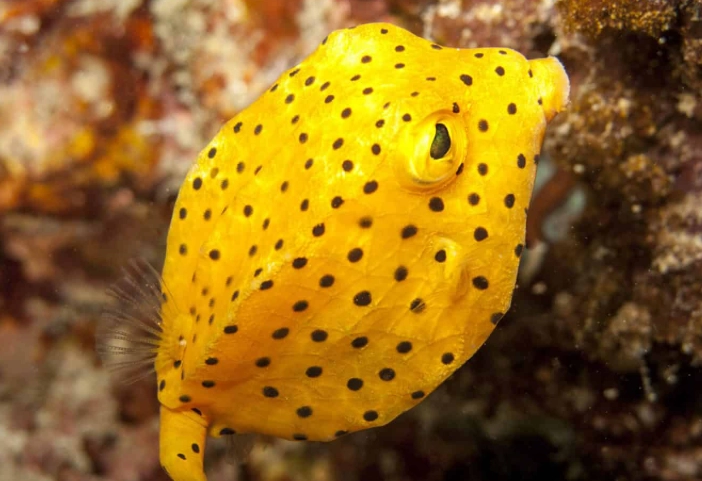
Jump to What You Need
What Exactly Is a Yellow Boxfish?
Setting Up the Perfect Yellow Boxfish Aquarium
Tank Size and Environment
Water Parameters: The Non-Negotiables
Parameter
Target Range
Why It Matters
Temperature
75°F - 80°F (24°C - 27°C)
Mimics tropical reef lagoons. Avoid rapid changes.
pH
8.1 - 8.4
Critical for metabolic function. Use a reliable monitor.
Salinity (Specific Gravity)
1.023 - 1.025
Stable salinity reduces osmotic stress.
Ammonia & Nitrite
0 ppm (Always)
They are very sensitive. A cycled tank is mandatory.
Nitrate
Keep it low through regular water changes (10-15% weekly).
What and How to Feed Your Boxfish
Choosing Safe Tank Mates (The Big Challenge)
Health, Toxins, and Problem Solving
Your Yellow Boxfish Questions Answered
Can a yellow boxfish live with clownfish?
Usually, yes. Peaceful clownfish species (like Amphiprion ocellaris or percula) are generally fine tank mates. The potential issue is an overly aggressive clownfish defending its anemone or territory. If you have a mated pair in a large anemone, introduce the boxfish with caution and provide plenty of space on the opposite side of the tank.
How do I get a shy yellow boxfish to start eating?
This is a common hurdle. First, ensure no other fish is intimidating it at meal times. Try feeding just after lights out with a small flashlight. They often feel more secure in the dark. Offer a tiny piece of nori algae rubber-banded to a rock—it's natural, doesn't move, and they'll often graze on it. Live brine shrimp can also trigger a feeding response. Patience is key; it might take a few days.
Is the yellow boxfish poison dangerous to humans?
Handling the fish directly poses minimal risk if you're careful. The toxin is primarily a danger to other fish in the water. However, if you have an open wound on your hand and the fish is severely stressed, it's theoretically possible for the toxin to enter your system. Always use a soft, wet net or container to move them, never your bare hands. The main takeaway: it's an aquarium hazard, not a human one.
My boxfish has white spots on its body. Is it ich?
Possibly, but don't jump to treatment immediately. Boxfish naturally have small, white tubercles on their carapace, especially as they mature. These are part of their bony structure and are evenly distributed. Ich spots look like grains of salt, are irregular, and often appear on the fins first. Watch for flashing (scratching on rocks) or rapid breathing. If you confirm it's ich, use a copper-based treatment in a hospital tank only after verifying the dose for "scaleless" fish, and monitor closely for signs of distress.
What's the biggest mistake new yellow boxfish owners make?
Focusing on the water test kit numbers while ignoring the social dynamics of the tank. Putting this slow, peaceful fish in with even mildly aggressive species is the fastest path to disaster. The second biggest mistake is treating them like a typical omnivore and skimping on the algal component of their diet. Think of them as grazers that need a side of meat, not the other way around.
Comment