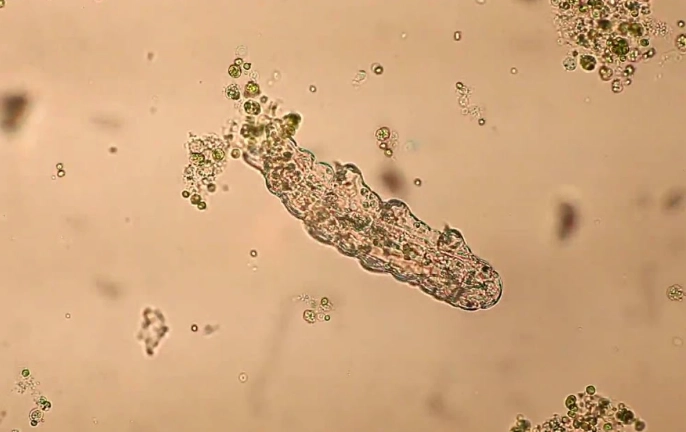
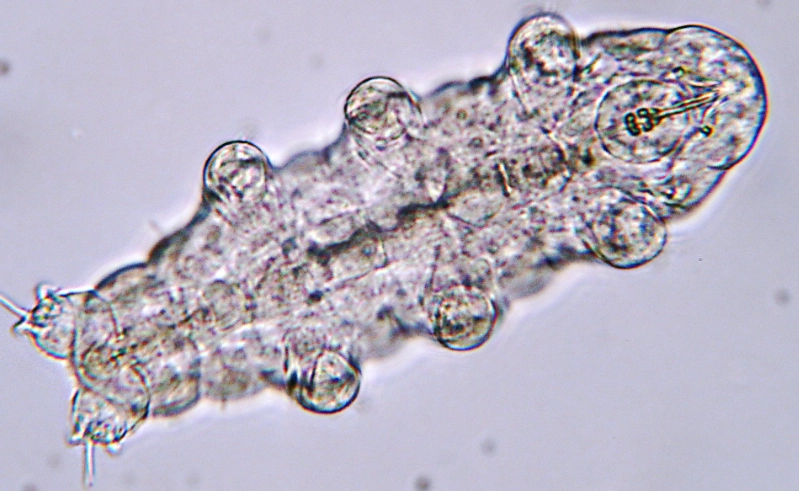
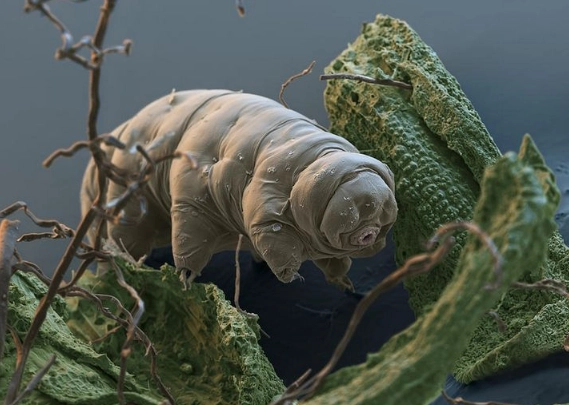
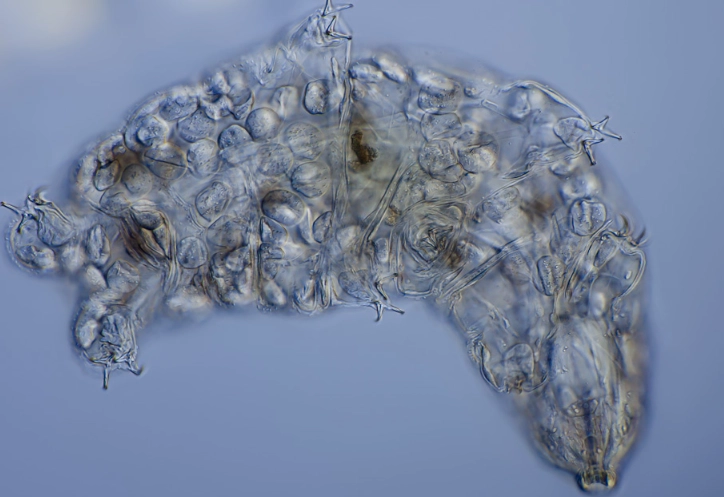
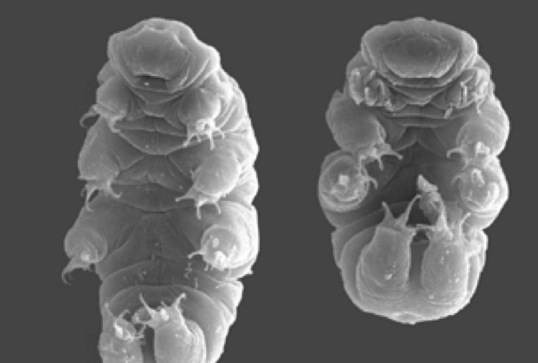
You've probably heard of the moss piglet—that tiny, eight-legged creature that looks like a microscopic bear and can survive just about anything. But what's the real story behind these tardigrades? I've spent over a decade studying them, and let me tell you, there's more to them than just cool facts. Most guides gloss over the nitty-gritty, like how to actually find them or why beginners often mess up. We'll dive deep into that. First off, moss piglet is just a cute nickname for tardigrades, also called water bears. They're microscopic animals, usually less than 1 mm long, and they live in damp places like moss, lichen, or freshwater sediments. I remember the first time I saw one under a microscope—it waddled around like a tiny pig, hence the name. But don't let the cuteness fool you; these things are tough. They belong to the phylum Tardigrada, and there are over 1,300 species. Most people think they're insects, but they're their own thing, closer to arthropods. A common mistake? Assuming all moss piglets look the same. In reality, species vary in color and shape depending on their habitat. For example, those in Antarctic moss might be more translucent, while ones in your garden could have darker pigments. Here's what sets them apart: eight legs with claws, a segmented body, and the ability to enter a cryptobiotic state—basically, they can dry out and come back to life years later. It's not magic; it's biochemistry. They produce sugars like trehalose that protect their cells. NASA's experiments have shown tardigrades surviving space vacuum and radiation, which sparked interest in astrobiology. But more on that later. Want to see a moss piglet for yourself? It's easier than you think, but most guides skip the practical details. I'll walk you through it step by step, based on my own field trips and the errors I've seen beginners make. Personal Story: Last spring, I took a group of students to a local park to hunt for tardigrades. We spent hours collecting moss samples, but half the group came up empty because they picked dry patches. Lesson learned—always go for damp, shaded areas. Start with the right location. Moss piglets thrive in moist environments. Think moss on trees, old rooftops, or near streams. Avoid sunny, dry spots; they're likely devoid of active tardigrades. Here's a quick table to summarize prime habitats: Gather your tools: a small container, distilled water, a pipette, and a microscope with at least 40x magnification. Cheap USB microscopes work fine for beginners. Collect a moss sample—about a teaspoon-sized clump—and soak it in distilled water for a few hours. This rehydrates any dormant tardigrades. Then, squeeze the water into a petri dish and examine it under the microscope. One subtle error I've noticed: people use tap water, which can contain chlorine that harms delicate organisms. Stick to distilled or rainwater. Also, don't expect to see them moving immediately; they might be in a tun state (dried up), so look for barrel-shaped bodies. If you're serious, focus on lichen-rich areas. Studies from the Journal of Invertebrate Biology show that certain lichen species host diverse tardigrade communities. In my experience, oak tree bark in humid climates is a goldmine. And patience is key—scan slowly; moss piglets can be camouflaged among debris. How do moss piglets survive extremes like dehydration, radiation, and even space? It's not just one trick; it's a combo of adaptations that most articles oversimplify. Let's break it down without the jargon. First, cryptobiosis. When conditions get tough, tardigrades lose almost all their body water and curl into a tun. Their metabolism drops to near zero. They produce protective molecules—trehalose and specific proteins like Dsup (damage suppressor). Dsup was discovered in a 2016 study published in Nature Communications, and it binds to DNA to shield it from radiation. This isn't just lab talk; it has implications for cancer research and long-term space travel. But here's a non-consensus point: many sources claim moss piglets are "indestructible." That's hype. In reality, they have limits. For instance, extreme heat above 150°C can kill them, and they need specific rehydration conditions to revive. I've seen experiments where rapid rehydration caused cell rupture—a detail often missed. Their survival also depends on habitat. Aquatic tardigrades might handle temperature swings better than terrestrial ones. A report from the University of Copenhagen highlights that species from polar regions have unique antifreeze proteins. So, if you're studying them, consider the source. Don't assume all moss piglets are equal; their resilience varies by species and environment. This isn't just academic. Research into tardigrade proteins is fueling biotech innovations, like stabilizing vaccines or protecting crops from drought. NASA's interest? They've sent tardigrades to the International Space Station to study life's limits, as covered in their astrobiology programs. It's a hot topic in extremophile research, but the practical takeaways for hobbyists are often ignored. So you've found some moss piglets. Now what? Observing them under a microscope can be frustrating if you don't know the pitfalls. I've mentored dozens of newcomers, and here are the insights they rarely get elsewhere. Lighting is crucial. Too bright, and you'll bleach them; too dim, and you miss details. Use adjustable LED lights on your microscope. Start with low magnification to locate them, then switch to higher power. Moss piglets move slowly, but they can be surprisingly active when hydrated. Watch for their claw movements—it's mesmerizing. A common beginner mistake: over-handling samples. Tardigrades are delicate. Avoid poking them with tools; instead, use a gentle water flow from a pipette to maneuver them. I once ruined a sample by pressing too hard, thinking they were tougher than they are. They're resilient in cryptobiosis, but alive, they're fragile. Document your finds. Take photos or videos through the microscope. Free software like ImageJ can help measure them. Note the habitat details—temperature, humidity, sample type. This data isn't just for fun; it contributes to citizen science projects like iNaturalist, where users report tardigrade sightings. Over time, you'll build a personal log that reveals patterns, like seasonal activity peaks. If you want to keep them alive in a lab setup, mimic natural conditions. Use a small dish with moist moss or agar, and feed them algae or nematodes. Change the water weekly to prevent mold. But honestly, I don't recommend long-term captivity unless for research; they're better off in the wild. Their survival tricks evolved for episodic stress, not constant confinement. Wrapping up, moss piglets are more than a curiosity—they're a window into survival at the edge. From your backyard to outer space, these tiny creatures teach us about resilience and adaptation. Whether you're a student, a hobbyist, or just curious, I hope this guide gives you the tools to explore their world firsthand. Remember, the key is patience and attention to detail. Go out there, get your hands dirty, and share what you find. The microscopic world is waiting.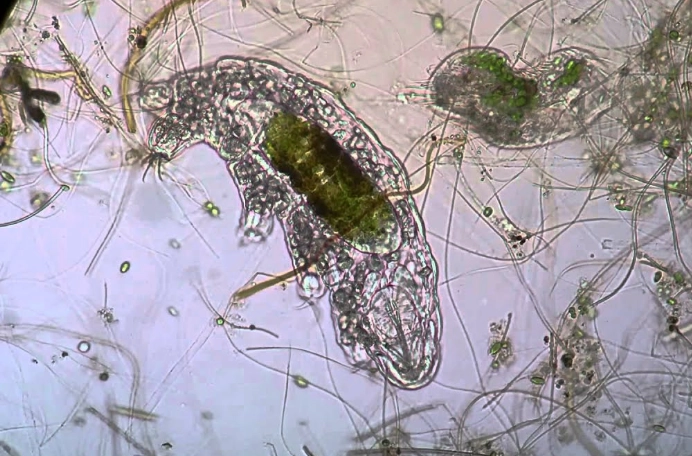
What You'll Discover in This Guide
What Exactly is a Moss Piglet?
Key Features of Moss Piglets
How to Find Moss Piglets in Your Backyard
Habitat Type
Best Time to Sample
Likelihood of Finding Moss Piglets
Forest moss on logs
Early morning after dew
High
Garden soil with lichen
After light rain
Medium
Freshwater ponds (sediment)
Any time, but avoid freezing
High
Urban concrete with algae
During humid seasons
Low to medium
Advanced Tips for Reliable Finds
The Science Behind the Moss Piglet's Extreme Survival
Real-World Applications
Observing Moss Piglets: Expert Tips and Common Mistakes
Long-Term Care for Moss Piglets
Your Moss Piglet Questions Answered
How can I identify moss piglets in a sample without confusing them with other micro-animals?
Look for the eight legs with distinct claws—most other microscopic critters like rotifers have different appendages. Tardigrades have a barrel-shaped body when active, and they move with a slow, lumbering gait. Under 100x magnification, you might see their mouthparts called stylets. If it's in a tun state, it'll look like a dried raisin, but still segmented. A quick tip: use a staining dye like methylene blue sparingly; it can highlight their structures but might stress them.
What's the biggest mistake people make when trying to revive dried moss piglets?
They rehydrate too quickly. Tardigrades need gradual moisture to prevent osmotic shock. If you find a tun, place it in a drop of water and let it soak for hours, even overnight. I've seen folks pour water directly, which can burst cells. Also, ensure the water is pure; contaminants can interfere with revival. Studies from the International Journal of Astrobiology suggest that adding a bit of sucrose can aid the process, but it's not always necessary.
Are moss piglets dangerous to humans or pets?
Not at all. They're harmless and don't carry diseases. In fact, they're part of the micro-ecosystem, helping decompose organic matter. Some worry about them invading homes, but they're too small and require specific moisture levels to be active. You won't find them crawling on your skin or pets. The real risk is misidentification—don't mistake them for harmful mites, which have different body shapes and behaviors.
Can moss piglets survive in space, and what does that mean for everyday observers?
Yes, experiments by NASA and the European Space Agency have shown tardigrades can survive the vacuum and radiation of space in a tun state. For hobbyists, this highlights their robustness, but it doesn't mean they're floating around up there. It's more about understanding life's limits. If you're into astrobiology, you can replicate simple tests by exposing samples to extreme cold or UV light—but always ethically, without harming them unnecessarily.
Where can I report moss piglet sightings for scientific contribution?
Platforms like iNaturalist or the Tardigrade Register hosted by the University of Copenhagen are great. Include clear photos, location coordinates, and habitat notes. Scientists use this data for distribution maps and climate change studies. I've contributed to these for years, and it's rewarding to see your finds cited in research papers. Just avoid over-collecting; take samples minimally to preserve local populations.
Comment