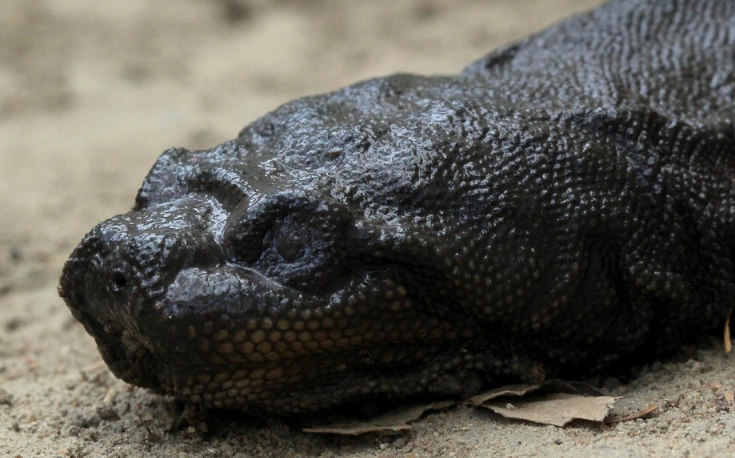
You've probably seen the photos. A snake that looks like it's made of wrinkled, baggy leather, often draped over a branch half-submerged in murky water. That's an elephant trunk snake, and its odd appearance is just the start of the story. Forget everything you think you know about typical snakes. Members of the genus Acrochordus are fully aquatic, primitive, and possess a suite of adaptations that make them fascinating subjects for herpetologists and a serious challenge for even experienced reptile keepers. I've spent years observing and researching these animals, and the most common misconception I see is people treating them like a standard colubrid that just likes water. That approach leads to failure. Let's dive into what makes these "wart snakes" truly unique. The name "elephant trunk snake" primarily refers to one species: Acrochordus granulatus, the little file snake or marine file snake. It's one of three species in the family Acrochordidae. The other two are the larger Acrochordus javanicus (Javan file snake) and Acrochordus arafurae (Arafura file snake). They're often collectively called "file snakes" or "wart snakes" due to their rough, keeled scales. Here's the crucial bit: they are not closely related to the more familiar water snakes like Nerodia in the Americas or Natrix in Europe. Acrochordids are an ancient lineage, considered "primitive" in snake evolution. They split off from other snakes a very long time ago, which explains their unusual anatomy and reproductive strategy (they give live birth). Their range spans brackish and freshwater habitats across Southeast Asia and northern Australia—think mangrove swamps, estuaries, slow-moving rivers, and lakes. They are, for all intents and purposes, fish-eating specialists that rarely, if ever, leave the water voluntarily. Every part of an elephant trunk snake's body is engineered for an aquatic, piscivorous (fish-eating) life. Let's break down the most striking features. This isn't just for looks. The loose, baggy skin covered in small, granular scales acts like a suit of chainmail. When the snake grabs a slippery, struggling fish, the skin provides friction, preventing the prey from escaping. It's like trying to wriggle out of a rough, wet bag. The skin also allows for incredible lateral compression—the snake can flatten its body dramatically, which might aid in maneuvering through dense aquatic vegetation or muddy bottoms. The head is flat and wedge-shaped, with the eyes and nostrils positioned on top. This allows the snake to lie almost completely submerged while still seeing and breathing. Their nostrils have valves to keep water out. They rely heavily on chemoreception (smell/taste) and their lateral line system—yes, like fish. This system of sensory pits along the jaw detects minute water movements, helping them locate fish in dark or turbid water where vision is useless. They can stay submerged for long periods, but they are air-breathers. Their lung is elongated and functions partly as a hydrostatic organ, helping control buoyancy. They don't have the wide, ventral scales (scutes) that terrestrial snakes use for locomotion. On land, they are almost helpless, moving with a slow, side-to-side heaving motion. In the wild, these snakes are ambush predators. They don't actively chase fish. Instead, they lie in wait, often partially concealed in roots, mud, or vegetation, perfectly still. When a fish comes within range, they strike with a rapid sideways motion, grabbing the fish in their jaws. They then use their bodies and that rough skin to coil around and subdue the prey before swallowing it headfirst, almost always underwater. They are nocturnal and surprisingly sedentary. Telemetry studies, like those referenced in research from the Journal of Herpetology, have shown they may stay in the same small area of a river or swamp for days or even weeks if food is available. Their life history is slow—they grow slowly, mature late, and produce relatively small litters of live young (usually 10-30). This makes their populations vulnerable to over-exploitation. This is where I see the most well-intentioned mistakes. Many guides online undersell the difficulty. Keeping an elephant trunk snake successfully is a major commitment and not for beginners. Here's the unvarnished truth. You need a large, specialized aquatic setup. A standard fish tank won't cut it. Getting them to eat consistently is the second major challenge. Wild-caught specimens (which, ethically, you should avoid) often only recognize live fish. The goal should be to convert them to pre-killed. This can take weeks of patience. You must offer appropriate-sized, nutrient-rich feeder fish like guppies, platies, or small goldfish (though goldfish are fatty and not ideal as a staple). Quarantine and treat feeder fish for parasites. A varied diet is key to preventing nutritional deficiencies. Some keepers eventually get them to take strips of fresh fish fillet (like tilapia or salmon) from tongs, but this is not guaranteed. According to the IUCN Red List, Acrochordus granulatus is currently listed as "Least Concern," but with a decreasing population trend. The other species have similar or data-deficient statuses. The primary threats are not glamorous but are devastating: Supporting wetland conservation initiatives in Southeast Asia and Australia is one of the best ways to help these snakes in the wild. How difficult are elephant trunk snakes to care for compared to a ball python or corn snake? It's not even in the same league. A ball python setup is a straightforward terrestrial enclosure. An elephant trunk snake setup is a complex brackish or freshwater aquarium system that requires the knowledge of a dedicated aquarist. The learning curve is steep, the maintenance is daily (checking filters, water parameters), and the cost is significantly higher for tanks, filters, and testing kits. If you're not already comfortable maintaining a stable aquarium, start there with fish before even considering one of these snakes. Can elephant trunk snakes be handled? They can be, but they shouldn't be handled frequently or for long periods. They are not "display" animals. Handling is stressful for them, and their delicate skin is prone to damage and infection if it dries out or is abraded. The only times you should handle them are for essential tank maintenance or health checks. Always have wet, clean hands, support their body fully, and keep the session brief. They are observational pets, not hands-on companions. What's a realistic price for a captive-bred elephant trunk snake, and where can I find one? A legitimate captive-bred A. granulatus can range from $300 to $600 or more, depending on size and age. They are not commonly bred. Your best bet is to connect with specialized reptile expos that feature advanced breeders or reputable online breeders who can provide detailed lineage and care history. Be extremely wary of cheap "wild-caught" imports sold online or in general pet stores—these animals are often loaded with parasites, stressed, and unlikely to thrive. My elephant trunk snake won't eat pre-killed fish. What are my options? First, ensure your water parameters are perfect (zero ammonia/nitrite, low nitrate). Stress from poor water quality is the #1 cause of appetite loss. If parameters are good, try live feeder fish that are safe and quarantined. Once it's eating live reliably, start the transition by offering a pre-killed fish that is still wiggling from tongs. Over many weeks, reduce the movement until it takes a completely still fish. Some snakes never transition, which is a lifelong commitment to sourcing live food. This is a core reason they are not recommended for most keepers. Are elephant trunk snakes venomous, and what if I get bitten? They are non-venomous. However, their bite can be painful due to their many small, sharp teeth that point backward, designed to hold slippery fish. A bite will likely bleed a fair bit and carries a risk of infection from bacteria in their mouths (like any animal bite). If bitten, wash the wound thoroughly with soap and warm water, apply an antiseptic, and monitor for signs of infection (redness, swelling, pus). Seek medical attention if the wound is deep or shows signs of infection. Their primary defense is to musk—releasing a foul-smelling substance from their cloaca—so a bite is usually a last resort. Elephant trunk snakes are biological marvels, perfect examples of evolution shaping an animal for a very specific niche. Their value lies in observing their unique adaptations and behaviors, not in being a conventional pet. If you have the expertise, resources, and dedication to replicate a slice of their mangrove or riverine home, they can be a rewarding keeper's challenge. For everyone else, appreciating them through documentaries, responsible zoo exhibits, or supporting their conservation is the best way to engage with these extraordinary reptiles.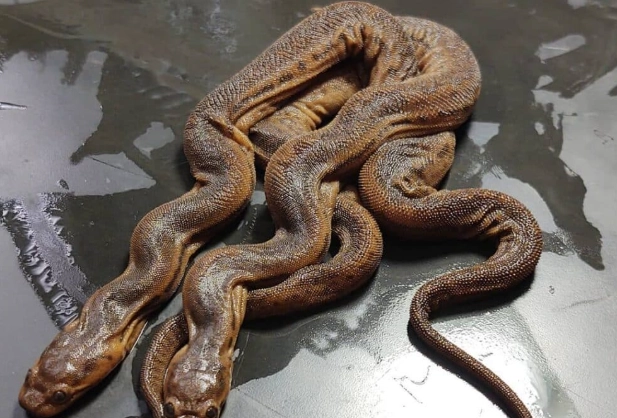
What's Inside This Guide
What Exactly Are Elephant Trunk Snakes?
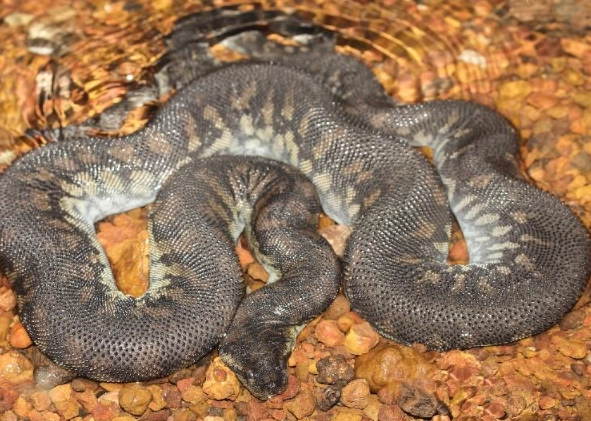
Key Physical Features and Adaptations
The Famous Wrinkled Skin
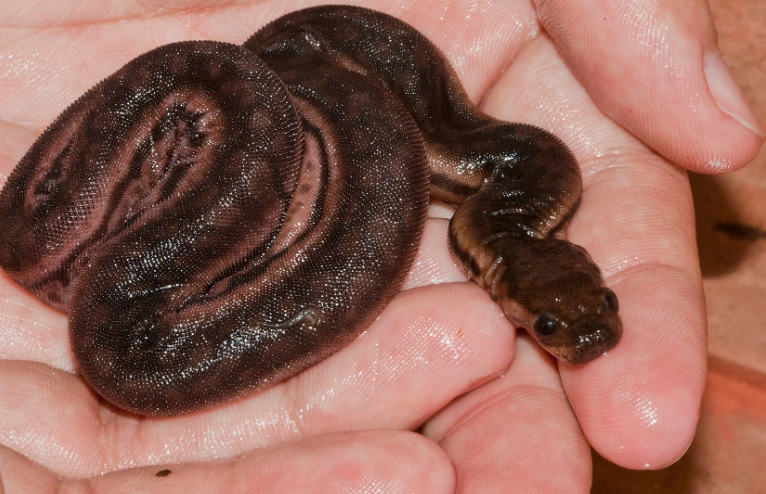
Head and Sensory Systems
Respiration and Buoyancy
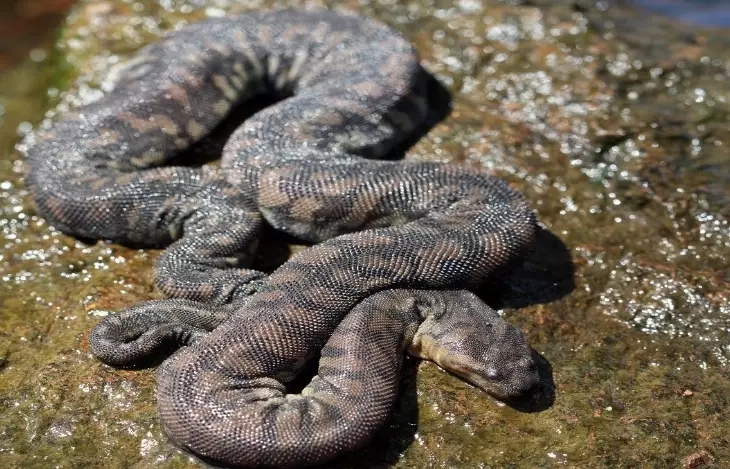
A Quick Comparison of Acrochordus Species
Species (Common Name)
Average Size
Primary Habitat
Notable Distinction
Acrochordus granulatus (Little File Snake)
0.8 - 1.2 meters
Brackish water, mangroves, coastal
Most common in trade, tolerates some salinity.
Acrochordus javanicus (Javan File Snake)
1.5 - 2.5+ meters
Freshwater rivers, lakes
Largest species, fully freshwater.
Acrochordus arafurae (Arafura File Snake)
1.2 - 1.8 meters
Freshwater billabongs, floodplains
Restricted to northern Australia/southern New Guinea.
Behavior and Natural Habitat
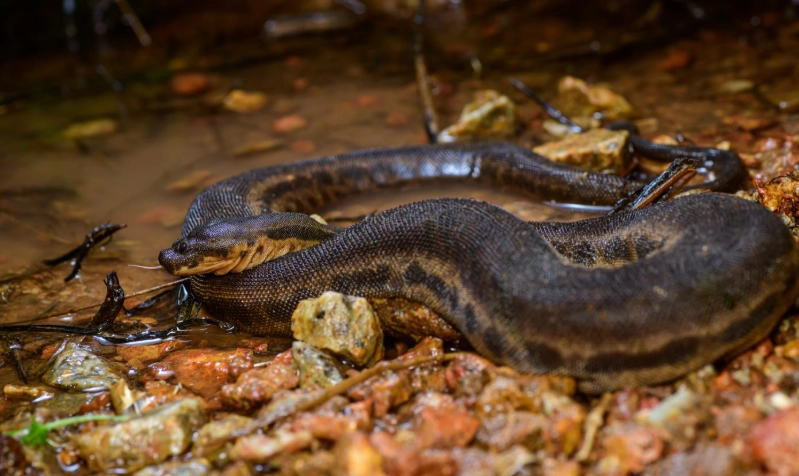
Keeping Elephant Trunk Snakes in Captivity: A Reality Check
The Non-Negotiable Setup
The Feeding Challenge
Conservation Status and Threats
Your Elephant Trunk Snake Questions Answered
I remember the first time I handled a wild A. granulatus in Thailand. The skin didn't feel scaly like a python or a rat snake. It felt loose, almost like a wet chamois cloth filled with sand. It's a texture you don't forget.
The most common failure point I've witnessed? Water quality collapse. People treat the tank like a snake cage that happens to have water, not like a delicate aquarium that happens to have a snake. The snake gets a bacterial or fungal skin infection (which looks like white, cottony patches), stops eating, and deteriorates rapidly. It's heartbreaking and preventable with rigorous filtration and weekly partial water changes of 25-30%.
Comment