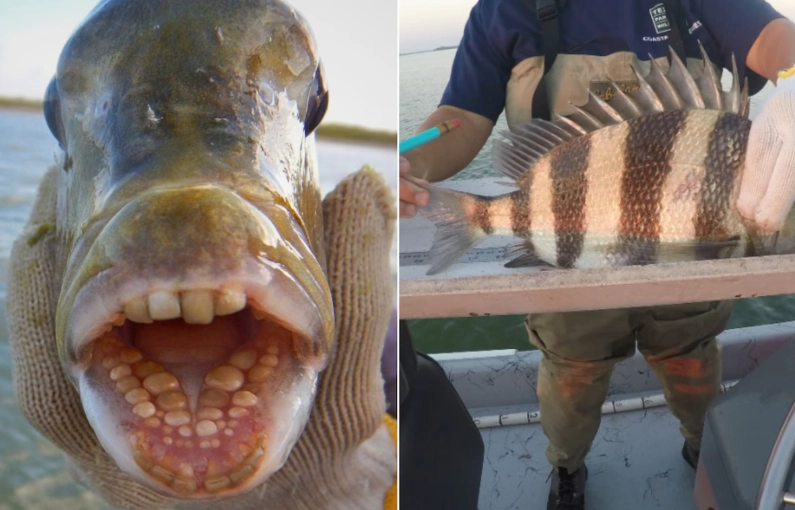
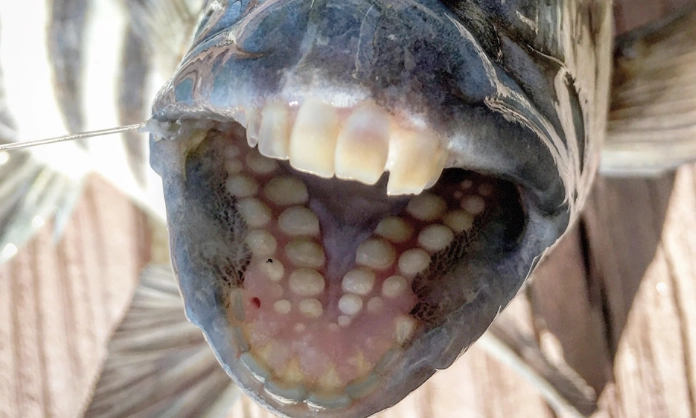
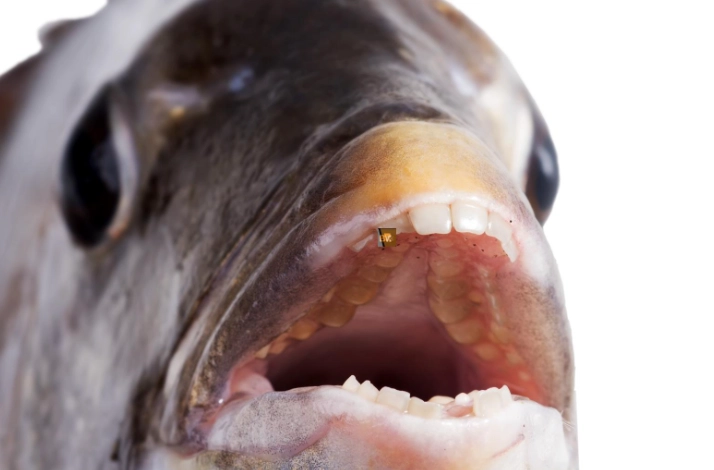
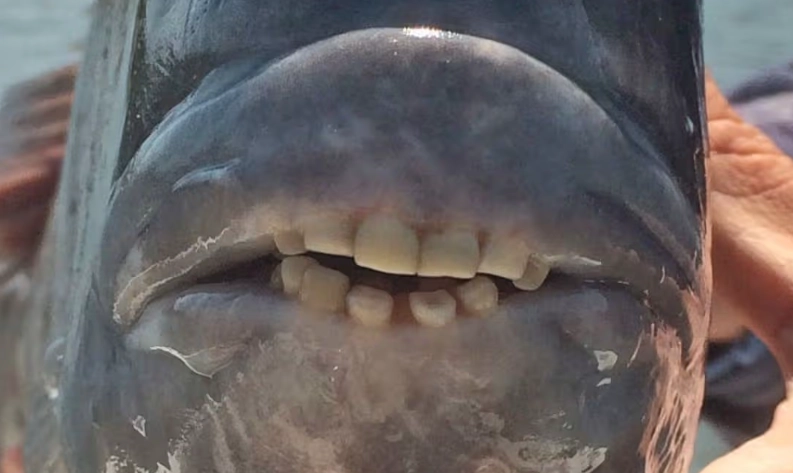
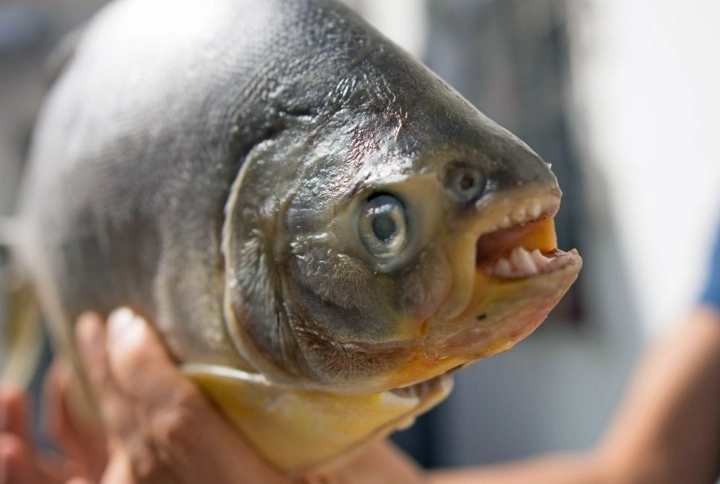
I remember the first time I saw a sheepshead fish skull. It wasn't in a textbook; it was in a dusty display case at a small coastal marine lab in South Carolina. The guide, a retired fisherman with hands like worn leather, pointed at it and said, "Looks like it could bite into an apple, don't it?" He was right. Staring back at me was a row of unmistakably human-looking incisors and molars, set in the jaw of a fish. This isn't a Photoshop trick or a marine biologist's joke. Several fish species have evolved dentition that mirrors our own with startling clarity. It's one of evolution's most fascinating examples of convergent evolution—where unrelated species develop similar traits to solve similar problems. If you're picturing a fish with a perfect Hollywood smile, you're not far off, but the reality is even more interesting and functional. Teeth aren't about looks; they're tools. Their shape is a direct map to an animal's diet. Sharp, pointed teeth are for grabbing and tearing flesh. Flat, broad teeth are for crushing and grinding. Human teeth are a mixed toolkit (heterodont dentition)—incisors for cutting, canines for tearing, molars for grinding—because we're omnivores. When a fish develops similar structures, it's because it faces a similar dietary challenge: processing tough, hard-shelled, or varied food items. This is convergent evolution in action. A sheepshead fish (Archosargus probatocephalus) in the Atlantic and a pacu fish (genus Colossoma) in the Amazon are separated by millions of years of evolution and entire continents, yet both evolved powerful, molar-like teeth. Why? Both specialize in cracking open hard prey. For the sheepshead, it's barnacles, oysters, and crabs. For the pacu, it's nuts and seeds that fall into the water. Their "human" teeth are a brilliant, independent solution to the same mechanical problem. It's not that they're trying to look like us; they, and we, arrived at a similar design because it works. A Common Misconception: Many people assume piranhas have the most human-like teeth because of their notoriety. While they do have sharp, interlocking teeth that somewhat resemble serrated human incisors, they lack the distinct, differentiated molars and premolars seen in sheepshead or pacu. The real champions of human-like dentition are the less flashy, hard-shell eaters. Let's get specific. If you want to see this phenomenon for yourself, here are the key players. I've ranked them based on the uncanny valley factor of their dentition and how easily you might encounter them. This is the one that blows people's minds. An adult sheepshead has a set of chompers that wouldn't look out of place in a dental chart. Up front, you have narrow, incisor-like teeth for prying barnacles off pilings. On the sides, sturdier, conical teeth act like canines. And in the back? Broad, flat molars with textured surfaces perfect for pulverizing a crab's shell. Researchers from the Smithsonian Institution have noted their bite force is remarkably adapted for a durophagous (hard-shell eating) diet. You can find them from Nova Scotia down to Brazil, but they're particularly abundant in the estuaries and bays of the southeastern U.S. I've seen anglers catch them off fishing piers in Florida using fiddler crabs as bait—the fish's specific preference hints at its specialized toolkit. Pacu are often confused with piranhas (they're cousins), but their teeth tell a different story. Where a piranha's teeth are blades, a pacu's teeth are like cobblestones—square, flat, and incredibly strong. They use them to crack open palm nuts and hard seeds. This has led to some… unfortunate misunderstandings. There are documented, though rare, cases in Papua New Guinea and South America of pacu mistaking male genitalia for nuts, leading to serious injuries. This isn't typical aggression; it's a tragic case of mistaken identity in murky water, but it underscores the power of those human-like molars. Public aquariums like the Shedd Aquarium or the Georgia Aquarium often house pacu, and seeing them up close is the best way to appreciate their dental architecture. It's not just about the shape you see. The similarity runs deeper. Like human teeth, these fish teeth are composed of dentin with a hard enameloid coating (similar to mammalian enamel). They are anchored in sockets in the jawbone (thecodont dentition), which is a more stable and advanced structure than simply being fused to the jaw. This allows for better force distribution when crushing. But here's a subtle point most articles miss: it's not just the teeth. It's the entire musculoskeletal system behind them. Fish like the sheepshead have exceptionally strong jaw muscles (adductor mandibulae) and a robust skull structure to withstand the repeated shock of cracking shells. A study published in the Journal of Morphology highlighted how the sheepshead's jaw lever system is optimized for force over speed—the opposite of a piranha's lightning-fast snap. When you look at an X-ray, the convergence with mammalian skull mechanics is almost as striking as the teeth themselves. Another layer? Pharyngeal teeth. Many fish, including some with unremarkable oral teeth, have a second set of teeth in their throat (pharynx) for further processing food. In freshwater drum or carp, these pharyngeal teeth can be molariform and do a lot of the grinding work. So, a fish might have a boring mouth but a fascinatingly complex "throat smile." This convergent evolution isn't just a curiosity. It helps scientists understand the selective pressures of different ecological niches. By studying the genes involved in tooth development in fish and mammals, researchers are piecing together deep evolutionary pathways. A report from the National Oceanic and Atmospheric Administration (NOAA) on sheepshead ecology notes their role as a keystone species in controlling barnacle and mollusk populations, a job made possible by their unique dentition. For aquarium hobbyists, this presents a specific challenge. A pacu or a large sheepshead isn't a typical tank pet. They get big (pacua can exceed 2 feet), need specialized hard foods to keep their teeth worn down, and can deliver a nasty bite if handled incorrectly. That "cool human-teeth fish" at the pet store often outgrows its welcome quickly, leading to irresponsible releases, which is how red-bellied pacu have become invasive in some U.S. rivers. Then there's the cultural angle. The sheepshead's "human teeth" have made it a star of viral internet photos and local folklore. In some coastal communities, there are old tales about how the fish got its teeth, often involving sailors or witches. It's a natural wonder that sparks both scientific inquiry and imagination. Is it safe to keep a fish with human-like teeth in a freshwater home aquarium? Generally, no, for the typical hobbyist. Species like pacu are often sold as small juveniles but grow rapidly into large, powerful fish requiring hundreds of gallons of water. Their crushing bite can damage equipment and injure you during tank maintenance. More importantly, they need a hard diet (like nuts, hard-shelled peas, specialized pellets) to prevent their teeth from overgrowing, which can cause starvation. This is a commitment for advanced aquarists with very large, specialized setups. Where is the best place to see a sheepshead fish up close in the wild? Look for them around oyster reefs, rocky jetties, piers, and bridge pilings along the U.S. Atlantic and Gulf Coasts, especially from spring to fall. The Chesapeake Bay, the coast of the Carolinas, and Florida's inshore waters are hotspots. They're structure-oriented fish. A clear-water snorkeling spot near an oyster bed on a calm day might give you a glimpse of them feeding. Many coastal fishing charters also target sheepshead specifically. Can a sheepshead or pacu bite cause serious injury to a human? Yes, absolutely. While they are not aggressive hunters of humans, they are defensive and food-motivated. A sheepshead bite can easily crush a finger, breaking bones and causing severe lacerations. Pacu bites, though rare, are documented to have caused traumatic injuries, including partial amputations, in the specific cases mentioned earlier. The risk isn't attack; it's mishandling. Never put your fingers near the mouth of a caught fish you can't identify, and always use dehooking tools. If these teeth are for crushing shells, why don't all shellfish-eating fish have them? Great question. Evolution offers multiple solutions. Some fish, like stingrays, use powerful dental plates to crush shells. Others, like loggerhead turtles, use sheer beak strength. The sheepshead's path—evolving differentiated, socketed teeth—might offer a balance of precision and power that allows it to target specific prey types (like prying a barnacle off before crushing it) more efficiently than a generalist crusher. It's a specialist's tool in a niche where that extra efficiency pays off. Are there any fossils of ancient fish with similar human-like teeth? The fossil record shows several examples of durophagous fish with molariform teeth. One notable group is the pycnodonts, an extinct order of fish from the Mesozoic Era. They had rounded, pavement-like teeth arranged in rows, perfect for crushing hard-shelled prey like sea urchins and mollusks. While not identical to the sheepshead's arrangement, they represent an even older, independent evolution of the same crushing-tooth solution, showing how effective this design has been for hundreds of millions of years.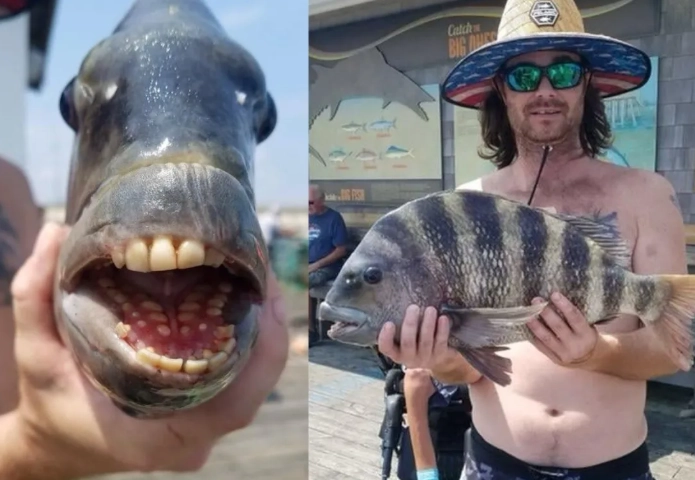
What You'll Discover
Why Do Some Fish Have Teeth Like Ours?
Meet the Fish with the Most Human-Like Teeth
Fish Species
Common Name(s)
Tooth Type & Similarity
Primary Diet / Function
Where to Find Them
Archosargus probatocephalus
Sheepshead, Convict Fish
Extremely High. Has clear incisors, canines, and molars.
Crushing mollusks, barnacles, crabs.
Atlantic & Gulf coasts of North America. Common around piers, jetties, oyster beds.
Colossoma spp.
Pacu (Black Pacu, Red-Bellied Pacu)
Very High. Square, blocky molars, often with a slight overbite.
Crushing nuts, seeds, fruits.
Amazon & Orinoco basins. Sometimes in large public aquariums.
Sparodon durbanensis
White Musselcracker
High. Powerful molars and pharyngeal teeth for grinding.
Crushing mussels, urchins, crabs.
Coastal waters of South Africa.
Serrasalmus & Pygocentrus spp.
Piranha
Moderate. Sharp, triangular, interlocking incisors.
Slicing flesh, scavenging.
Amazon basin, other South American rivers. Common in aquarium trade (with restrictions).
The Sheepshead: The Poster Fish
The Pacu: The Amazonian Vegetarian with a Powerful Bite
The Functional Anatomy of Fish Teeth
Implications and Oddities
Your Questions Answered
Fish with Human-Lith Teeth: The Sheepshead and Other Uncanny Jaws
Comment