If you're reading this, you've probably heard whispers about the spirit bear—that mystical white bear lurking in the rainforests of Canada. Let's cut to the chase: it's real, it's rare, and seeing one feels like winning the wildlife lottery. I've spent over a decade guiding tours in British Columbia, and I still get goosebumps every time I spot one. This isn't just another bear; it's a genetic marvel and a cultural icon. In this guide, I'll break down everything from its science to where you might actually see it, based on my own boots-on-the-ground experience.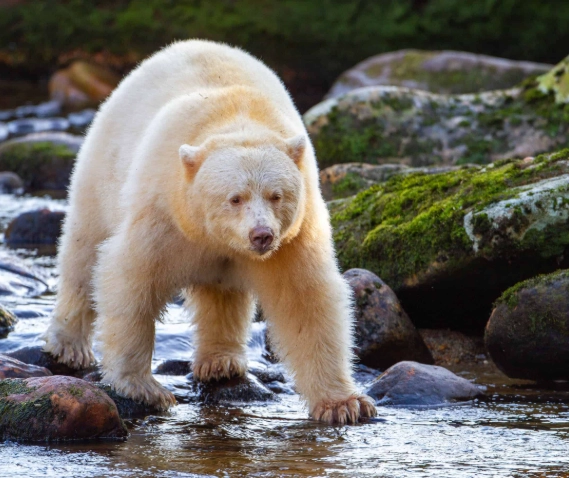
Quick Navigation: Your Spirit Bear Journey
What Is a Spirit Bear? The Genetics Behind the White Coat
First off, forget calling it an albino. That's a common mistake even seasoned nature buffs make. The spirit bear, or kermode bear, is a subspecies of the American black bear with a unique recessive gene that turns its fur cream or white. About one in ten black bears in this region carries the gene, but both parents need to pass it on for the white coat to show up. It's like a genetic lottery ticket—rare and totally random.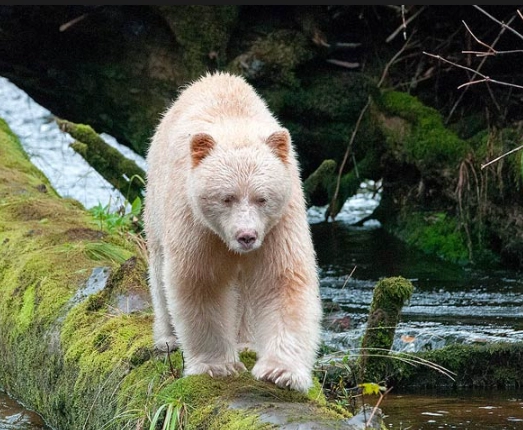
Understanding the Kermode Bear Subspecies
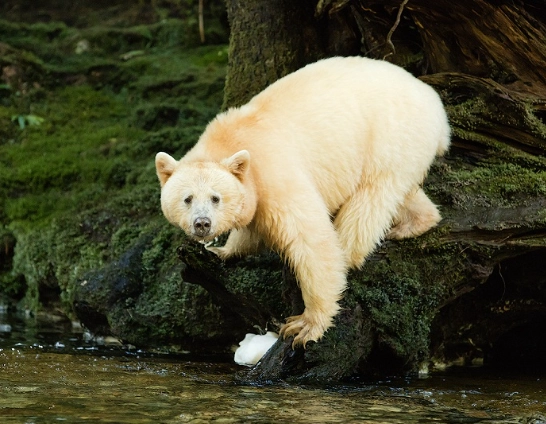
Scientifically, it's Ursus americanus kermodei, named after Francis Kermode, who studied it early on. But locals and Indigenous communities have called it the spirit bear for centuries. The white fur isn't a disadvantage; in fact, some studies suggest it helps with fishing because salmon might not see it as easily against the sky. I've watched them fish—they're surprisingly agile, almost ghostly in the water.
Why Are Some Black Bears White? The Recessive Gene Explained
Here's the kicker: the gene responsible is a mutation in the MC1R gene, similar to what causes red hair in humans. It's not linked to any health issues, so these bears are just as healthy as their black counterparts. If you're into genetics, think of it as a natural quirk that's persisted because it doesn't hurt survival. In the dense rainforest, the white coat might even blend in with fog and light, debunking the myth that it makes them easier prey.
Where to Find Spirit Bears: Habitat and Key Locations
You won't find spirit bears in zoos or outside British Columbia. Their heartland is the Great Bear Rainforest, a massive coastal temperate rainforest stretching from Vancouver Island to Alaska. It's remote, wet, and packed with life—perfect for these elusive creatures.
The Great Bear Rainforest: A Prime Habitat
This area is a UNESCO biosphere reserve, and for good reason. It's a maze of islands, fjords, and old-growth forests. The spirit bear thrives here because of the abundant salmon runs and dense cover. According to the British Columbia government, over 90% of the population lives here, with estimates ranging from 100 to 500 individuals. Yeah, that's how rare we're talking.
Top Spots for Spirit Bear Sightings in British Columbia
Based on my trips, some places offer better odds. Don't just wander in blindly; these bears are masters of stealth.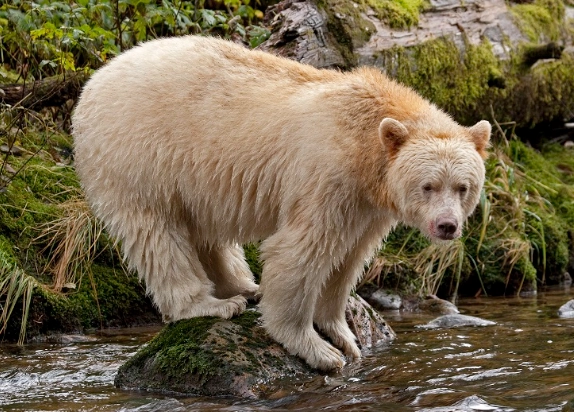
| Location | Accessibility | Best Time to Visit | Notes from My Experience |
|---|---|---|---|
| Princess Royal Island | Boat or floatplane only | Late August to October | Highest density, but weather is unpredictable. I've seen bears here three times in ten trips. |
| Gribbell Island | Guided tours only | September to early October | More regulated, great for first-timers. The salmon runs peak here, so bears are active. |
| Mainland coastal areas near Bella Coola | Road access, then hiking | Spring and fall | Less crowded, but sightings are rarer. I once waited a week for a glimpse—patience is key. |
If you're serious about seeing one, Princess Royal Island is your best bet, but it requires planning. I always tell people: book with a reputable guide who knows the tides and bear behavior. Random hikes won't cut it.
How to Plan a Spirit Bear Watching Trip
Planning a trip to see spirit bears isn't like booking a beach vacation. It's an adventure that demands respect for the environment and the animals. Here's how to do it right, based on my years of guiding.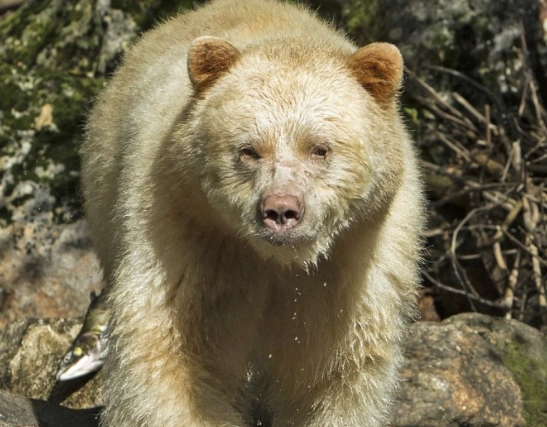
Best Time of Year for Sightings
Timing is everything. The prime window is late August through October, when salmon swim upstream to spawn. Bears gather at rivers to feast, increasing your chances. Spring (May to June) can work too, but bears are more dispersed then. I've seen folks come in July and leave disappointed—the salmon aren't running yet, so bears are elsewhere.
Choosing a Guided Tour: What to Look For
Don't skimp on the guide. A good tour operator should have permits, small groups (max 8 people), and Indigenous partnerships. Look for companies endorsed by the Raincoast Conservation Foundation—they often follow strict ethical guidelines. Avoid tours that promise "guaranteed sightings"; that's a red flag. Even I can't guarantee a sighting, and I know these forests like my backyard.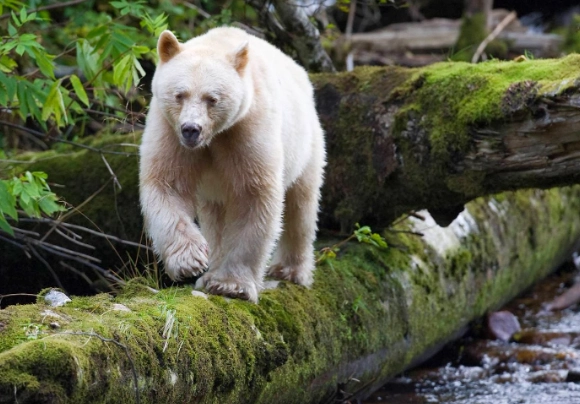
Pro tip from a guide: Bring waterproof gear, even in summer. The rainforest lives up to its name—it rains over 200 days a year. I've seen too many tourists soaked and miserable because they packed like they were going to a safari.
Essential Gear and Preparation Tips
Pack light but smart. You'll need binoculars, a camera with a zoom lens (phone cameras often fail in low light), and layers of clothing. Mosquito repellent is a must—the bugs can be brutal. Also, practice quiet walking; spirit bears spook easily. On my first guided trip, I learned the hard way that crunching leaves can ruin a sighting.
Logistically, fly into Vancouver, then take a smaller plane to places like Bella Bella or Prince Rupert. From there, boats or floatplanes get you into the heart of the rainforest. It's not cheap, but the experience is priceless. Budget at least $3000 for a 5-day tour, including flights and gear.
Conservation Status and Threats to the Spirit Bear
The spirit bear isn't listed as endangered globally, but it's vulnerable. The BC government classifies it as a species of special concern, mainly due to habitat loss. Let's talk numbers: logging in the Great Bear Rainforest has decreased thanks to agreements like the Great Bear Rainforest Agreement, but climate change is a new threat.
Current Population Estimates
Estimates vary, but most experts put the number between 100 and 500 spirit bears. The World Wildlife Fund (WWF) cites around 400, but that's a rough guess—these bears are hard to count. What's clear is that their range is shrinking. I've seen clear-cuts creep closer to prime habitats over the years, and it's worrying.
Major Threats: Logging, Climate Change, and Human Impact
Logging fragments the forest, making it harder for bears to find food and mates. Climate change affects salmon populations, their main food source. Warmer waters mean fewer salmon, which means hungrier bears. Then there's tourism—if done poorly, it can disturb them. I've yelled at tourists who tried to get too close for a selfie. It's not just rude; it's harmful.
Conservation efforts are growing. Organizations like the Spirit Bear Research Foundation work with Indigenous groups to monitor populations. Supporting eco-friendly tourism helps too—money from tours funds protection programs.
The Cultural Significance of the Spirit Bear
For Indigenous communities like the Gitga'at and Kitasoo/Xai'xais, the spirit bear is more than an animal; it's a symbol of the land's spirit. Legends say it was created as a reminder of the Ice Age, a white bear to stand out in the dark forest. These stories aren't just folklore—they guide conservation today.
Indigenous Legends and Stories
One story tells of Raven making every tenth black bear white to remember a time when glaciers covered the land. This isn't just poetic; it reflects a deep connection to nature. On tours, I often bring Indigenous guides who share these tales—it adds layers to the experience you won't get from a textbook.
The Bear in Modern Conservation Efforts
Indigenous-led initiatives are key to protecting the spirit bear. The Kitasoo/Xai'xais Nation, for example, manages spirit bear tourism on their lands, ensuring it's sustainable. They've banned trophy hunting, which was a big win. If you visit, respect their rules—it's their home first.
FAQ: Your Spirit Bear Questions Answered
Wrapping up, the spirit bear is a wonder worth protecting. Whether you're planning a trip or just curious, remember that its future depends on respectful engagement. From genetics to guided tours, every detail matters. If you take one thing from this guide, let it be this: see the bear, but leave only footprints. Happy exploring!




Comments
Leave a Comment