Let's be honest, if you've stumbled upon a bright green, spiky caterpillar the size of a hot dog with what look like orange horns, you probably had one of two reactions: sheer terror or childlike wonder. I was in the latter camp, and it launched a years-long fascination. This isn't your average garden pest. You've found the larva of the regal moth, Citheronia regalis, universally known by its much cooler nickname: the hickory horned devil.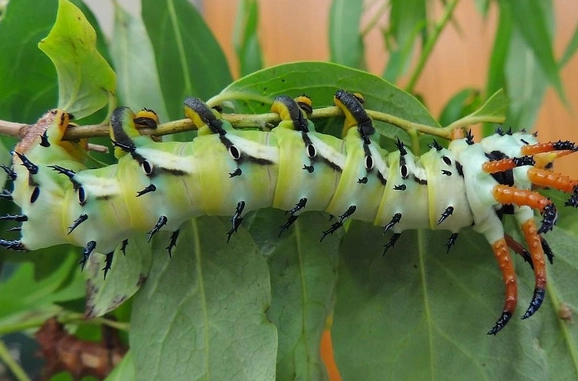
Despite its intimidating appearance, this creature is a gentle giant of the insect world and a key player in eastern North American ecosystems. This guide cuts through the myths and gives you the straight facts—from identification to its incredible life story—based on observations from entomologists and enthusiasts like myself.
What's in this guide?
What Does the Regal Moth Caterpillar Look Like?
Identifying a hickory horned devil is straightforward once you know the key features. Forget subtle markings; this caterpillar is all about bold statements.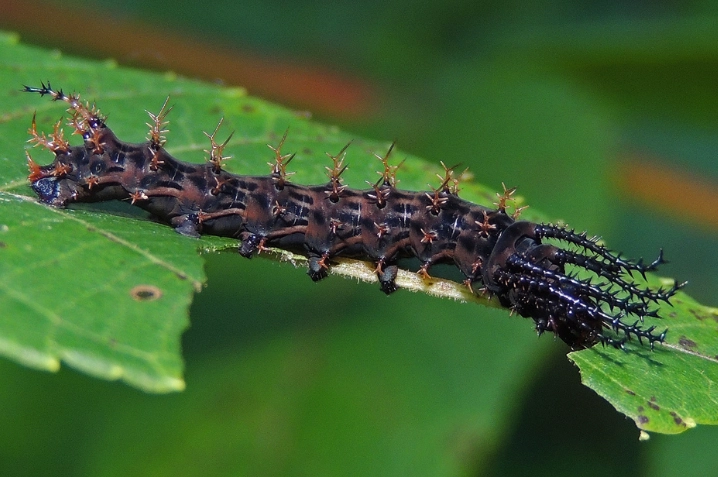
In its final instar (the stage just before pupation), it's a sight to behold. The body is a vivid, almost neon green. Along its sides are rows of black spikes. But the real showstoppers are on the thorax: four long, curved, orange or red horns that look like they belong on a dinosaur. The head is a reddish-brown color, often tucked down. It can grow up to 6 inches long—truly one of the largest caterpillars in North America.
Earlier stages look different. Young caterpillars are darker, often black or deep brown, with orange bands and much shorter horns. This dramatic change often leads to misidentification, with people thinking the young and old forms are different species.
From Egg to Moth: The Life Cycle Journey
The transformation of Citheronia regalis is a slow, deliberate process tied closely to the seasons. Here’s a breakdown of its stages.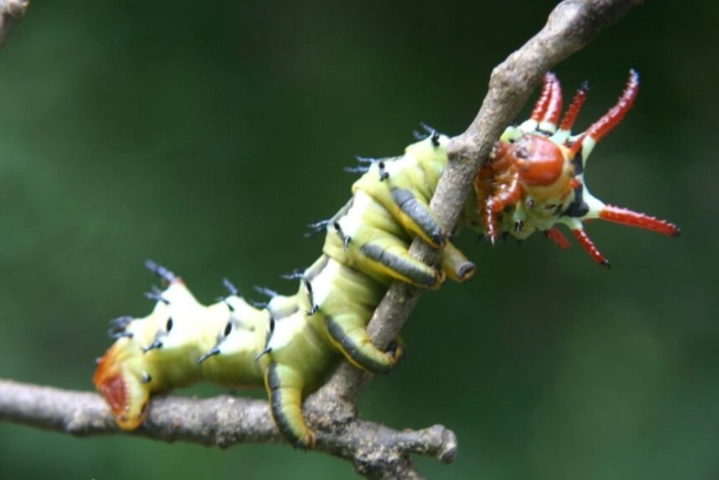
| Stage | Duration | Key Characteristics & Behavior |
|---|---|---|
| Egg | ~10 days | Laid singly or in small groups on host plant leaves. Pale yellow, oval. |
| Caterpillar (Larva) | ~35-45 days | 5-6 instars. Starts dark, becomes bright green. Heavy feeding stage. |
| Pupa | ~10 months (overwinters) | Formed underground in a chamber. Dark brown, hard case. |
| Adult Moth | ~7-10 days | Does not eat. Sole purpose is reproduction. Orange and grey wings. |
The most critical and vulnerable part of this cycle is the pupal stage. After its final molt, the caterpillar stops eating, changes to a dull brownish color, and wanders on the ground—a behavior called "wandering." This is when people often find them on sidewalks or driveways, seemingly lost. It's not lost. It's searching for soft soil to burrow into and create its pupal chamber.
Here’s a nuance most guides miss: the timing of this wandering is precise. It typically happens in late summer or early fall. If you find one in late September, it's right on schedule. If you find one in July, something might have triggered it early (like a parasite or disturbance). The pupa then waits out the entire winter and spring underground before emerging the following summer.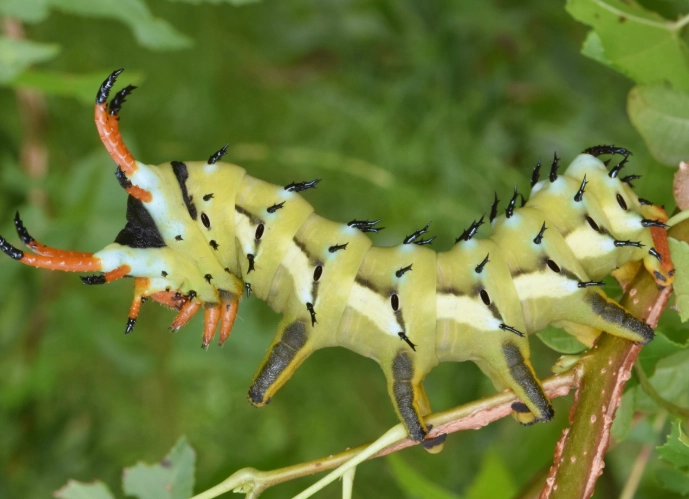
What Does It Eat? Key Host Plants
Contrary to its common name, the hickory horned devil isn't a picky eater limited to hickory. Its diet includes a variety of deciduous trees. If you want to find them, look for these trees first.
Primary Host Plants (Preferred):
Hickory (Carya spp.) and Walnut (Juglans spp.) are the classics. The caterpillars blend in surprisingly well on these compound leaves.
Sweetgum (Liquidambar styraciflua) is a major favorite, especially in the southeastern US. I've had the most consistent finds on sweetgum saplings at eye level.
Sumac (Rhus spp.) and Persimmon (Diospyros virginiana) are also commonly used.
Secondary/Occasional Hosts: Sycamore, Ash, Buttonbush, and even some cultivated Lilacs. Reports on the University of Florida's Entomology Department website confirm this varied diet.
A common mistake is only checking large, mature trees. While adults lay eggs there, the caterpillars are often easier to spot on younger trees or low-hanging branches of larger ones. The feeding damage is distinctive: large, irregular holes eaten out of the leaves, not just edges nibbled.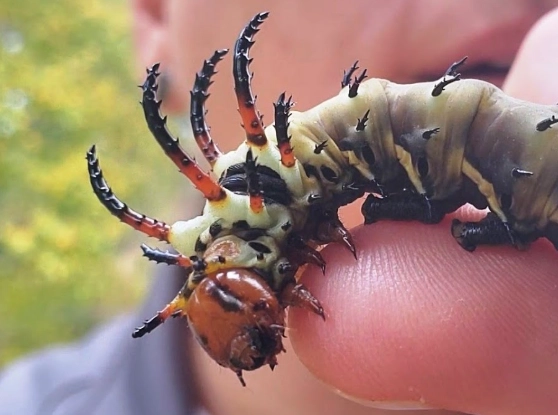
Where and How to Find One
You won't find these on every walk. They have a patchy distribution across the eastern United States, from New Jersey down to Florida and west to Texas and Nebraska. Look in deciduous forests, woodland edges, and even suburban areas with stands of host trees.
Timing is everything. Start looking for the large, final-instar caterpillars in late August through September. The best time of day is early morning or late afternoon, as they often rest on tree trunks or branches during the heat of the day. Bring a camera, not a jar. Observing them in their environment is more rewarding and less stressful for the animal.
I remember the first time I saw one. It was on a park trail, crawling determinedly across the path. I almost stepped on it. That's the thing—they're not always up in the trees. That wandering phase brings them to ground level, making them surprisingly encounter-able.
Debunking Common Misconceptions
"It's poisonous or can sting me."
False. This is the biggest myth. Those horns and spikes are completely soft and flexible. They're a bluff, a dramatic costume to scare off birds and other predators. The caterpillar cannot sting, bite (in any meaningful way), or secrete irritants. You can safely observe it up close.
"It's a serious pest that will defoliate my trees."
Highly unlikely. Regal moths are never abundant enough in one place to cause significant damage. You might find one or two on a tree. They're a novelty, not a threat. Removing them harms a native pollinator (the adult moth) for no reason.
"If I move it, it will die."
Not necessarily. If you find one wandering on a dangerous surface (like a road), gently moving it to the base of a nearby host tree is fine. The key is to not bring it inside or try to rear it unless you're fully prepared for a 10-month commitment for the pupal stage.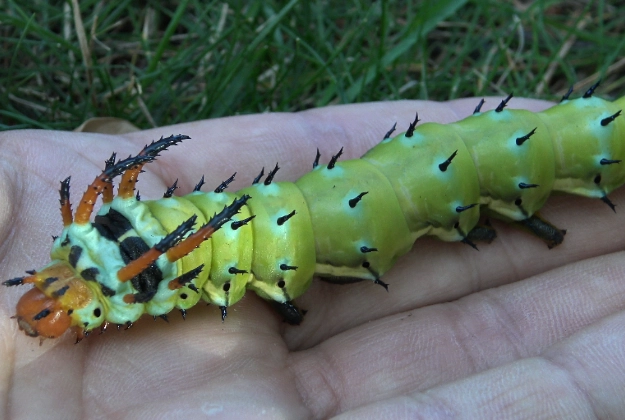
How to Safely Handle a Regal Moth Caterpillar
If you must move one, do it with respect. Let it crawl onto a leaf or a stick. Avoid picking it up directly with your fingers, as you might accidentally damage its delicate prolegs (the stubby legs along its abdomen). If it does crawl on you, enjoy the tickle. It's harmless. Wash your hands afterwards, as with any wild creature.
The real safety concern is for the caterpillar, not you. Be gentle, and return it to a suitable habitat quickly.
Conservation and Gardening for Regal Moths
You can't buy these caterpillars, but you can invite them. The decline of moths is a quiet crisis, often overshadowed by butterflies. Regal moths, like many native insects, face habitat loss.
If you want to support them, plant their host trees. A sweetgum or a hickory is a long-term investment in local ecology. More importantly, stop using broad-spectrum insecticides in your yard. These chemicals don't discriminate between pests and magnificent creatures like the hickory horned devil.
Leave some leaf litter and undisturbed soil in fall. That's where next year's generation is pupating. By fostering a natural yard, you're creating a potential oasis for this and countless other native species. The USDA Forest Service has resources on supporting native pollinators through plant choices.



Comments
Leave a Comment