You're thinking about the Cayman Islands, and your mind probably jumps to stingray city or Seven Mile Beach. But let me tell you, the real magic for a nature lover is on land, scurrying under the silver thatch palms. The Cayman Islands are a lizard hotspot, home to species you simply won't find anywhere else on Earth. Forget the generic "iguana" – we're talking about critically endangered giants with personalities and tiny, hyperactive anoles that are the islands' unofficial welcoming committee. This isn't just a list; it's a field guide from someone who's spent too much time crawling around the ironshore trying to get the perfect photo.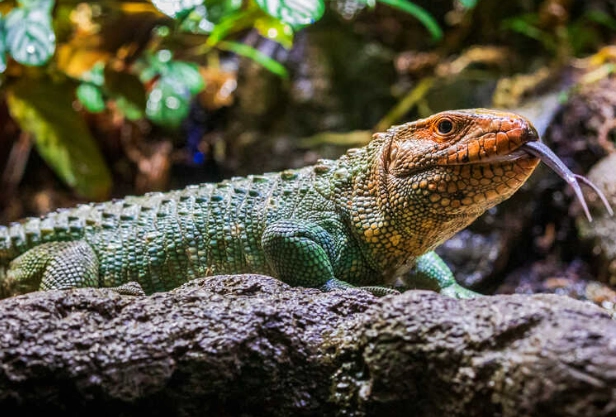
What You'll Find in This Guide
Meet the Cayman Islands Lizard Lineup
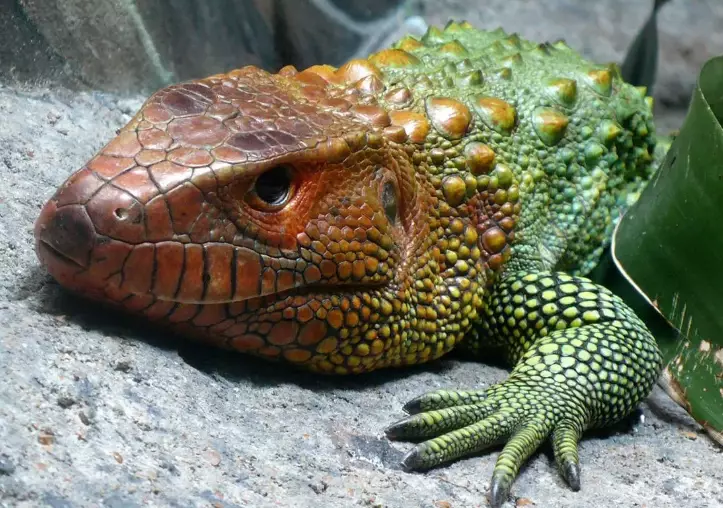
First things first, let's clear up the names. When people say "Cayman lizard," they could be referring to a few different reptiles. The rock star is obviously the Blue Iguana. But there are two other main players you need to know about. The diversity isn't huge in terms of numbers of species, but what's here is incredibly special.
| Species | Islands Found | Conservation Status | Key Identifier |
|---|---|---|---|
| Grand Cayman Blue Iguana (Cyclura lewisi) | Grand Cayman only | Endangered (IUCN) | Bluish-gray skin, especially in males; stout build; thick, jowly head. |
| Sister Islands Rock Iguana (Cyclura nubila caymanensis) | Little Cayman & Cayman Brac | Vulnerable (IUCN) | More gray/brown; often has subtle banding; generally more slender than the Blue Iguana. |
| Cayman Islands Dwarf Gecko (Sphaerodactylus argus argus) | All three islands | Least Concern | Tiny (under 2 inches), spotted pattern, active day and night on trees and walls. |
| Green Anole (Anolis smaragdinus) | Grand Cayman only | Native, common | Bright green, can turn brown; has a pink dewlap (throat fan). |
| Brown Anole (Anolis sagrei) | All three islands (introduced) | Very common | Always brown with pattern; smaller, more aggressive than the Green Anole. |
One subtle mistake I see visitors make is calling every large lizard a "Blue Iguana." On Little Cayman or Cayman Brac, that's impossible—they don't live there. You're seeing the Sister Islands Rock Iguana. It's like calling every soda a Coke; locals and conservationists appreciate you getting it right.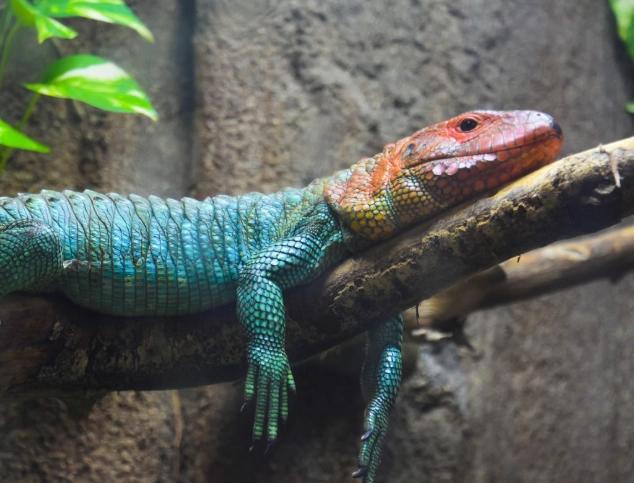
Your Best Bet for Seeing the Blue Iguana
The Grand Cayman Blue Iguana is the poster child for Caribbean conservation. They were almost wiped out, down to maybe a dozen in the wild. Thanks to the Blue Iguana Conservation programme, their numbers are now in the hundreds. But they're still not animals you just stumble upon everywhere.
Here’s the practical, no-fluff guide to finding them:
The Guaranteed Spot: Queen Elizabeth II Botanic Park
This is your number one, non-negotiable stop. The park isn't just a pretty garden; it's a core part of the Blue Iguana recovery program. They have a dedicated, free-roaming reserve within the park where head-started iguanas are released.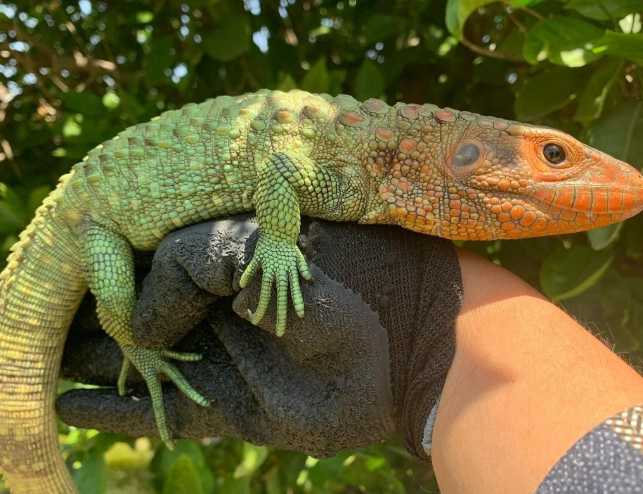
- Address: 558 Frank Sound Road, North Side, Grand Cayman.
- What to do: Pay the entrance fee (about $18 USD for adults). Walk the Woodland Trail and the Heritage Garden. The iguanas are wild within the park boundaries, so you have to look. They love to bask on the sun-drenched paths in the morning (before 11 am) and late afternoon. I've had the best luck near the lake in the Woodland Trail area.
- Pro Tip: Go slow and look for movement. They blend incredibly well with the gray ironshore and dry leaves. Listen for the rustle. The staff are incredibly knowledgeable—ask them where one was last seen.
My Experience: The first time I saw one, I almost stepped on it. It was a massive male, perfectly camouflaged on a gray limestone rock. He didn't even flinch, just gave me a slow, deliberate blink. That moment of quiet coexistence, not a zoo encounter, is what makes the Botanic Park visit worth every penny.
The Wild Card: Colliers Wilderness Reserve
This is the real deal—protected, native habitat where wild-bred Blue Iguanas live. Access is restricted to protect them. You cannot just drive in. The only reliable way to visit is through a guided tour offered by the National Trust for the Cayman Islands or a licensed eco-tour operator. These tours are limited, often require booking well in advance, and involve some hiking. It's more effort, but for a serious enthusiast, it's unparalleled.
The Sister Islands Rock Iguana: A Different Adventure
If you're heading to Little Cayman or Cayman Brac, the dynamic changes. Here, the Sister Islands Rock Iguana is more visible. They're not as critically endangered as their blue cousin, but still vulnerable.
On Little Cayman, drive along the main road, especially near the salt ponds and areas of dry scrubland. I've seen them crossing the road in broad daylight. The Booby Pond Nature Reserve is another good area to keep your eyes peeled.
On Cayman Brac, try the areas around the parson's landing or the less-developed eastern end of the island. They're shyer than on Little Cayman in my experience.
The big caution here? Drive slowly. Road mortality is a major threat. I can't stress this enough. On Little Cayman, the speed limit is low for a reason.
Grand Cayman's Anoles: The Little Guys
You will see these. Everywhere. On your hotel balcony, in the garden, on restaurant railings. The Green Anole is the native one—a beautiful, delicate lizard that can change from vibrant emerald to a dull brown. The Brown Anole is an invasive species from Cuba, tougher and more aggressive. They're locked in a constant turf war in people's backyards.
Watching them is a fun pastime. The males do push-ups and flash their colorful dewlaps (throat fans) to claim territory or attract mates. It's like a miniature, silent soap opera playing out on every shrub.
How to Be a Responsible Lizard Tourist
This is where most generic guides stop. But interacting with wildlife, especially threatened species, comes with responsibility.
- Never, ever feed them. Not bread, not fruit, nothing. Human food is terrible for their digestion and makes them associate people with food, leading them into dangerous areas like roads. The National Trust is clear on this.
- Keep your distance. Use a zoom lens for photos. Getting too close stresses the animal. A good rule is if the animal changes its behavior (stops basking, starts moving away), you're too close.
- Don't chase or try to touch. This should be obvious, but I've seen it happen. They are wild animals, not pets.
- Support the conservation. Your entry fee to the Botanic Park directly funds the Blue Iguana Conservation programme. Consider donating or buying a souvenir from their gift shop.



Comments
Leave a Comment