Let's talk about an animal that sounds like it's from a fantasy novel. Picture this: you're walking through a dense, humid rainforest in Borneo at night. The air is thick. You hear rustling in the leaf litter. Then you catch a whiff of something... pungent. Like a bag of onions left in a gym locker. You haven't found a discarded snack. You've just had a close encounter with one of the planet's most peculiar mammals: the moonrat. Forget everything you think you know about rats. This creature isn't even a rodent. It's the heavyweight champion of the insectivore world in its region, a living fossil with habits and a defense mechanism so bizarre they'll make you rethink small mammals entirely. I've spent years tracking and reading about Southeast Asian wildlife, and moonrats still stop me in my tracks. They're a perfect example of evolution cooking up something truly weird and wonderful. The first thing to get straight is the name. "Moonrat" is a classic case of misleading branding. Calling it a rat is like calling a dolphin a fish. Taxonomically, it's a disaster. This animal belongs to the family Erinaceidae. That's the hedgehog family. Its closest relatives are gymnures and, yes, the spiky hedgehogs you might have in your garden. Its scientific name is Echinosorex gymnura. "Echinos" means spiny or hedgehog, and "gymnura" refers to its naked tail. So, scientists knew it was hedgehog-adjacent from the start. The common name might come from its nocturnal habits (active under the moon) and its rat-like appearance to untrained eyes. Size: Think of a very large, stretched-out guinea pig. They are the largest living insectivores in their range. Body length can reach up to 18 inches (46 cm), with a tail almost as long. They can weigh over 3 pounds (1.4 kg). Appearance: Mostly black or dark brown with a stark white face, shoulders, and sometimes a white stripe down the back. The contrast is striking. They have a long, naked, scaly tail, pointy snout, and small eyes. No spines like their hedgehog cousins. Key Fact: They are not rodents. They belong to the order Eulipotyphla, alongside shrews, moles, and hedgehogs. One subtle mistake I see in amateur wildlife forums is people confusing them with giant shrews or even young pangolins. The body shape is different. A moonrat has a more robust, low-slung body built for pushing through damp undergrowth, not the sleek form of a shrew. And unlike a pangolin, there are no scales on its body, just coarse hair. You won't find moonrats in your backyard unless you live in a very specific part of the world. They are Southeast Asian specialists. Their range is a patchwork across the Sundaic region. Primary Countries: There are also populations on some smaller islands like Tioman. You'll notice Thailand and Vietnam are missing from the core list—that's a common misconception. They are Sundaic creatures. The habitat is non-negotiable: wet. They are tied to lowland primary and secondary rainforests, mangrove forests, and riverine areas. They need constant access to moisture. I've never seen credible reports of them in dry, deciduous forests. They follow water. If you're hoping to see one, your best bet is a guided night walk along a small stream or in a swampy area of a protected lowland forest in, say, Taman Negara (Malaysia) or Danum Valley (Borneo). Even then, you'll likely smell it before you see it. They aren't rare in good habitat, but they are secretive. Let's address the elephant in the room. Or rather, the onion in the forest. Moonrats produce a powerful, pungent odor from glands near their rear end. Most descriptions land on "rotting onions" or "garlic." Some say ammonia. Having been downwind of one once, I'd say it's a complex cocktail—primarily sulfury, like a crushed stink bug multiplied by a hundred, with a sharp, acrid edge. It's not pleasant, but in the context of the forest's smells, it's distinctive. Why do they smell? It's a brilliant, low-energy defense system. In the dark understory, visual warnings are useless. A chemical billboard works 24/7. That smell screams "I taste terrible!" to potential predators like clouded leopards, civets, or large snakes. It's so effective that the moonrat can afford to be relatively slow and noisy as it forages. The odor is a suit of chemical armor. Here's a nuance most articles miss: the intensity varies. A relaxed, foraging moonrat might just have a faint aura. But if threatened or startled, it can release a much more potent blast. Think of it as a constant deterrent with an optional "super-soaker" setting for immediate danger. Since they're family, how do they stack up against a European hedgehog? Evolution gave one cousin spines and the other a stink. Both work. So what does this smelly insectivore do all night? It's a busy forager. Moonrats are primarily carnivorous, with a diet focused on invertebrates. Their menu includes: They are not picky eaters. Their strategy is to roam a fixed territory, snuffling through leaf litter, turning over rotten logs, and probing soft mud with their sensitive snouts. They have a fairly slow metabolism for an insectivore, which fits their larger size. They build nests for resting during the day. These are often in hollow logs, under root tangles, or in burrows dug by other animals. They might line them with leaves. A single animal may have several nests within its territory. Reproduction is slow. They typically have small litters of one or two young. The young are born relatively well-developed but stay with the mother for a period before heading out to establish their own smelly domains. This is where it gets serious. The moonrat is currently listed as Least Concern on the IUCN Red List. But that label can be dangerously misleading for a forest-dependent species in Southeast Asia. "Least Concern" doesn't mean "no concern." It means the species is still relatively widespread. However, its sole threat is massive and accelerating: habitat loss. The lowland rainforests and mangroves it calls home are being cleared for palm oil plantations, agriculture, and urban development at an alarming rate. A study published in the journal Nature highlighted the disproportionate impact of oil palm expansion on lowland forest specialists in Borneo. Moonrats are the definition of a lowland forest specialist. They cannot survive in oil palm plantations. They need complex forest structure, moisture, and their specific invertebrate prey. When the forest goes, the moonrats disappear. Their populations are becoming increasingly fragmented, isolated in protected areas like national parks. The good news? Where large tracts of lowland forest remain protected—places like Belum-Temengor, Endau-Rompin, or the Heart of Borneo complex—moonrat populations appear stable. They are a key indicator species. A forest that smells of onions (sometimes) is a healthy, functioning forest.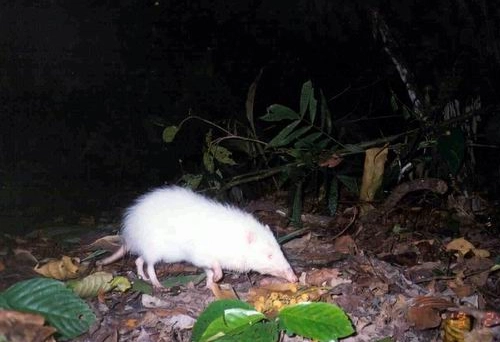
Quick Guide: Navigating the World of Moonrats
What Exactly Is a Moonrat? (Spoiler: Not a Rat)
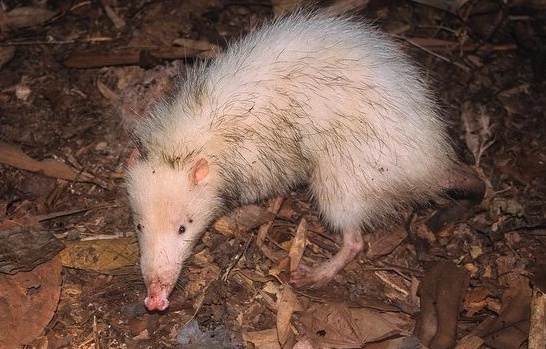
Moonrat at a Glance
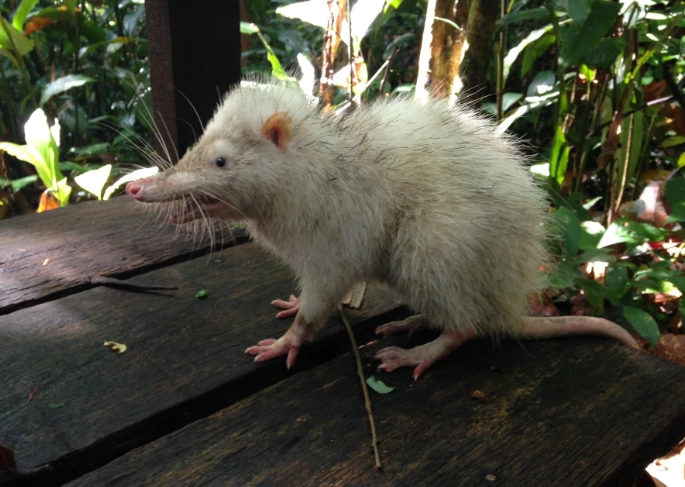
Where Do Moonrats Live? A Habitat Map
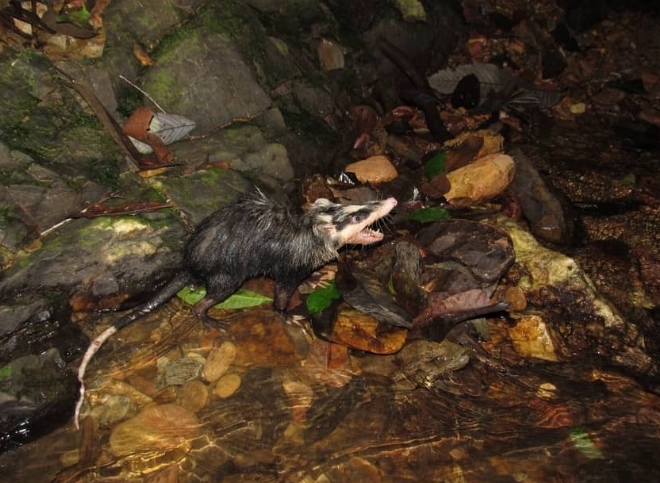
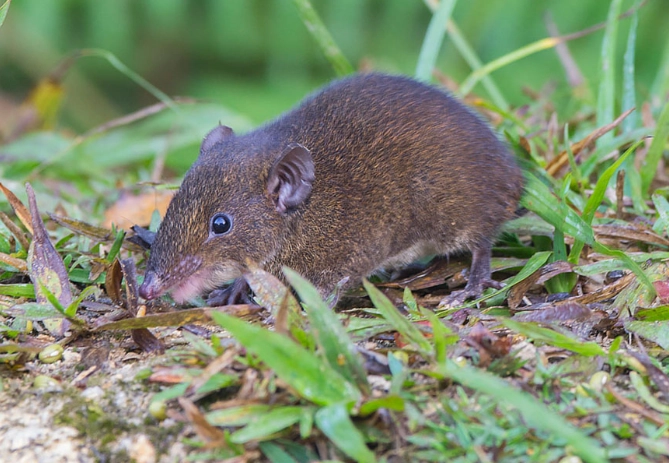
The Famous Onion Smell: Why and How?
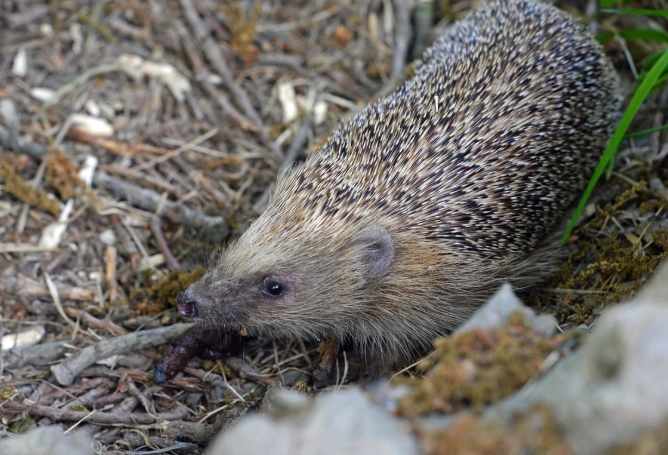
Moonrat vs. Hedgehog: A Scentless Comparison
Feature
Moonrat (Echinosorex gymnura)
European Hedgehog (Erinaceus europaeus)
Primary Defense
Chemical (pungent odor)
Physical (rolling into a spiny ball)
Habitat
Tropical lowland rainforests, always near water
Gardens, hedgerows, woodlands, drier climates
Activity
Strictly nocturnal
Nocturnal
Tail
Long, naked, scaly
Very short, hidden
Social Life
Solitary, territorial
Solitary, less territorial
A Night in the Life of a Moonrat
Are Moonrats in Trouble? The Conservation Picture
Your Moonrat Questions Answered
Can you keep a moonrat as a pet?
This is a terrible idea for several reasons. First, it's likely illegal. They are protected wildlife in their range countries. Second, their care would be incredibly difficult. You'd need to replicate a humid, tropical forest environment and provide a constant supply of live invertebrates and crustaceans. Third, and most decisively, that smell. It's not something that washes off. It's a fundamental part of the animal. Keeping one in a house would be miserable for everyone involved, especially the moonrat.
What should I do if I find a moonrat during a rainforest hike?
Consider yourself lucky. Stop, keep your distance (a few meters), and observe quietly. Do not try to touch or approach it. Remember, you are in its home. Take a photo if you can without using a flash, which will startle it. The best thing is to let it go about its business. It poses no threat to you. Just enjoy the unique sight (and smell) of one of the rainforest's most unusual inhabitants.
Are moonrats related to the hero shrew?
This is a great question that digs into insectivore evolution. They are both insectivores, but not closely related. Moonrats are in the family Erinaceidae (hedgehogs). Hero shrews are in the family Soricidae (shrews). They evolved similar body plans—elongated bodies, pointed snouts for probing—for similar lifestyles of hunting invertebrates in dense cover, but on different continents (Southeast Asia vs. Africa). It's a classic case of convergent evolution, not close kinship.
How can I help with moonrat conservation from overseas?
The most effective action is to support the conservation of Southeast Asian lowland rainforests. Donate to or support organizations that do on-the-ground forest protection and advocacy in Malaysia, Indonesia, and Brunei. Look for groups with a strong track record, like the World Wildlife Fund (WWF) Malaysia or Borneo Nature Foundation, which work directly on habitat conservation. Also, be a conscious consumer. The pressure on their habitat is largely driven by commodities like palm oil. Supporting companies committed to deforestation-free supply chains (certified by groups like the Roundtable on Sustainable Palm Oil - RSPO) creates economic pressure for better practices.
Comment