What You’ll Find Inside
- What Exactly is a Northern Hog Sucker?
- Where to Find Northern Hog Suckers: Hotspots and Habitats
- How to Identify a Northern Hog Sucker: No More Guessing
- Fishing for Northern Hog Suckers: Why It’s Trickier Than You Think
- Conservation Status: Are They in Trouble?
- FAQ: Real Questions from Anglers Like You
If you've spent time wading in eastern North American streams, you’ve probably overlooked the northern hog sucker. Most people do. But this fish is a silent workhorse, crucial for healthy waterways. I’ve been studying freshwater ecology for over a decade, and I can tell you: understanding this species can transform your fishing game and conservation efforts. Let’s cut to the chase—here’s everything you need to know, stripped of jargon.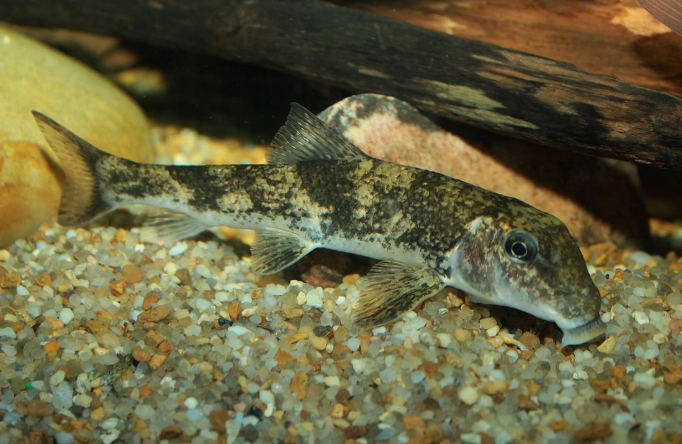
What Exactly is a Northern Hog Sucker?
The northern hog sucker (Hypentelium nigricans) isn’t some exotic creature; it’s a bottom-dwelling fish that thrives in fast-flowing streams. Think of it as nature’s vacuum cleaner. It uses its fleshy, sucker-like mouth to scrape algae and invertebrates off rocks, which helps prevent stream clogging. I once watched a group of these fish clear a rocky patch in minutes—something trout wouldn’t touch.
New anglers often mistake them for trash fish, but that’s a huge error. They play a key role in the food web. According to the U.S. Fish and Wildlife Service, their feeding activity benefits other species by increasing water clarity and nutrient cycling. If you’re into ecosystem health, this fish is a star player.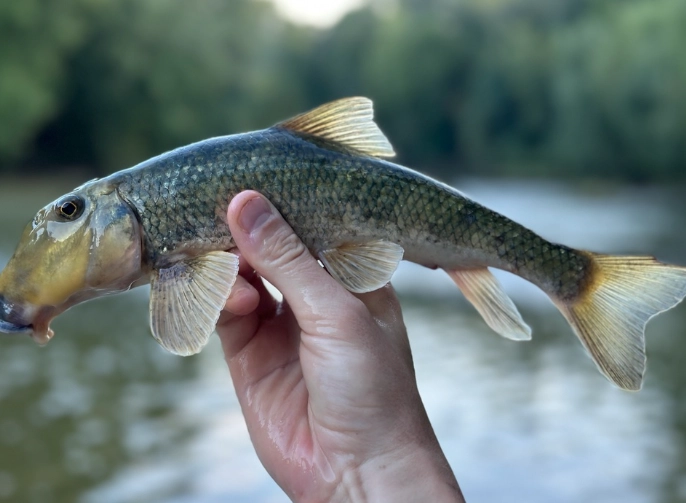
The Biology Behind the Name
They’re called “hog” because of their pig-like snout and relentless foraging. Adults average 6-10 inches, but I’ve seen specimens up to 12 inches in pristine streams. Their lifespan? Around 5-7 years, though pollution shortens that. A subtle point most guides miss: their coloration changes with water quality. In clear streams, they show bold dark bands; in murky water, they fade—a handy indicator for environmental monitoring.
Where to Find Northern Hog Suckers: Hotspots and Habitats
You won’t find these fish just anywhere. They’re picky about habitat. Prime locations include rocky, riffle-heavy streams with gravel bottoms. Think Appalachian streams or the Ozarks. I’ve had the best luck in states like Pennsylvania, Ohio, and Missouri—specifically in the Ohio River basin.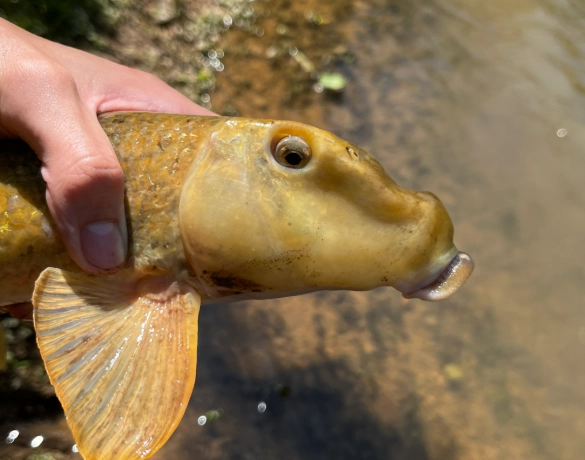
Here’s a table of top spots based on my fieldwork and data from state wildlife agencies:
| State | Specific Streams | Best Time to Visit |
|---|---|---|
| Pennsylvania | Yellow Creek, Allegheny River tributaries | Late spring to early fall |
| Ohio | Scioto River, Clear Fork River | Summer mornings |
| Missouri | Current River, Meramec River | Year-round, but avoid high flood periods |
Avoid slow, muddy waters—they hate silt. If you see crayfish and mayflies, you’re close. One trick: look for disturbed sediment on stream bottoms; that’s often a sign of their feeding.
How to Identify a Northern Hog Sucker: No More Guessing
Mistaking it for a common sucker or chub is easy. Here’s how to nail the ID. Key features include a flattened head, four dark saddle-like bands across the back, and a sucker mouth positioned underneath. The dorsal fin has 10-12 rays—count them if you’re unsure.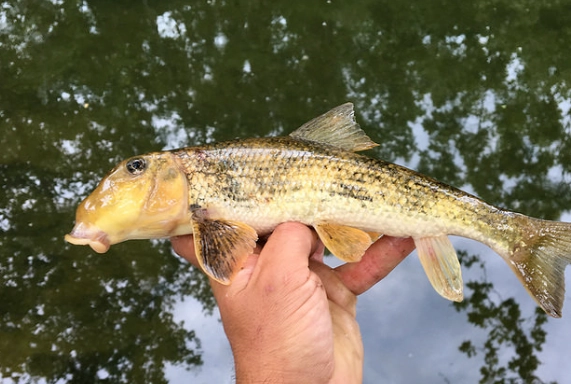
Pro tip: Many online guides say to look for a “large size,” but that’s misleading. Juveniles can be tiny. Focus on the band pattern: northern hog suckers have bands that extend down the sides, unlike the white sucker which has a plain back. I’ve seen seasoned anglers get this wrong, leading to misreporting in citizen science projects.
Another giveaway: their behavior. They’re often solitary or in small groups, hugging the bottom. If you spot a fish that seems to be “hoovering” rocks rather than swimming freely, it’s likely a hog sucker.
Fishing for Northern Hog Suckers: Why It’s Trickier Than You Think
Want to catch one? It’s not like reeling in a bass. These fish are finicky. First, gear up with light tackle—a 4-6 weight fly rod or ultralight spinning rod works. Use small hooks (#10-14) because their mouths are sensitive.
Bait and Technique That Actually Work
Forget flashy lures. They ignore them. Go natural: nightcrawlers, insect larvae, or small crayfish pieces. I’ve had success with a simple bottom-rig with a split shot. Cast upstream and let the bait drift naturally along the bottom. Set the hook gently; they nip rather than strike.
My biggest mistake early on was using heavy line. They spook easily in clear water. Switch to 2-4 lb test fluorocarbon—it’s nearly invisible. And patience? You’ll need lots. I once spent three hours for one bite, but it was worth it for the data.
Why They’re a Challenge
Their bottom-feeding style means they’re less likely to chase bait. Many anglers give up, thinking they’re not biting. But often, the bait isn’t presented right. Keep it low and slow. If you’re not getting bites, move to a faster riffle; they’re more active there.
Conservation Status: Are They in Trouble?
Northern hog suckers aren’t endangered, but they’re declining in some areas due to habitat loss. Sedimentation from agriculture and urbanization smothers their rocky homes. A study by the Environmental Protection Agency notes that they’re bioindicators—their presence signals good water quality.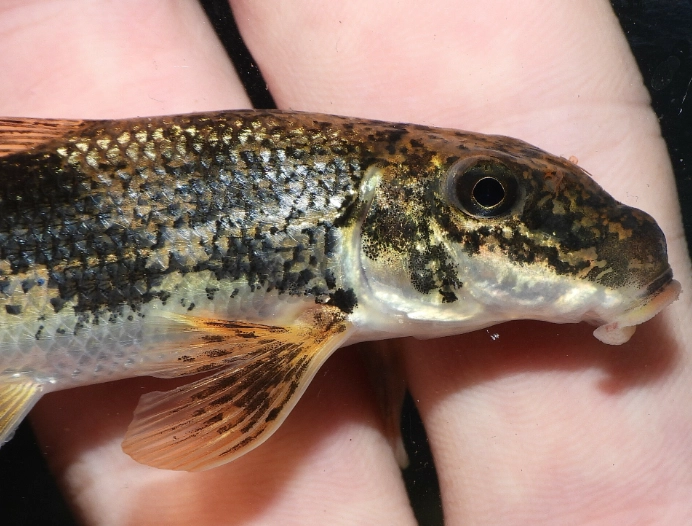
What can you do? Support stream restoration projects. If you fish, practice catch-and-release. Their populations rebound slowly because they mature late. I’ve volunteered with local groups to remove dams that block their migration—it makes a difference.
FAQ: Real Questions from Anglers Like You
Wrapping up, the northern hog sucker is more than just another fish. It’s a gauge of stream health and a test of angling skill. Next time you’re out there, take a closer look—you might spot one doing the ecosystem’s dirty work. And if you catch one, handle it gently. They’ve got a job to do.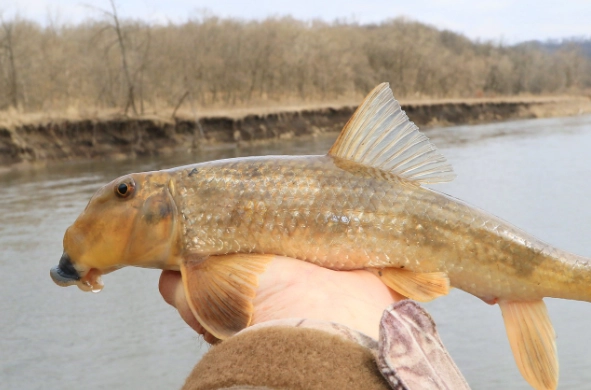
Comments
Leave a Comment