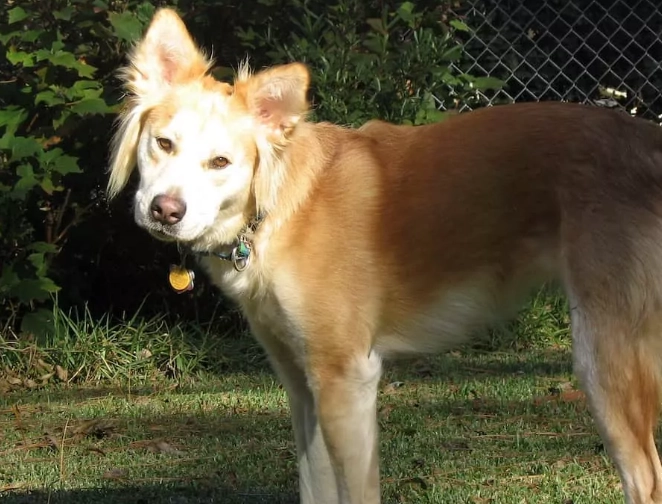
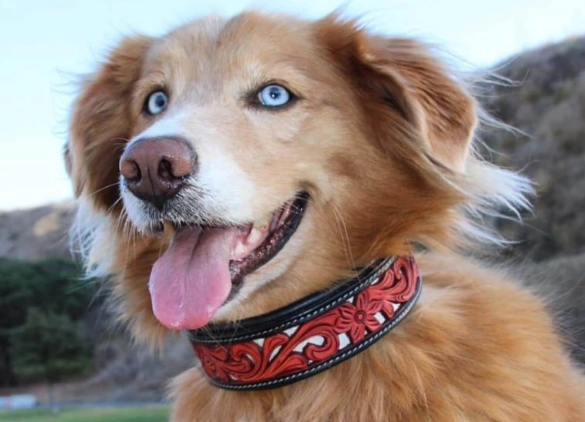
So, you're curious about the golden and husky mix. Maybe you saw one at the park, all fluffy and energetic, and thought, "I need that dog." Or perhaps you're researching hybrid breeds and stumbled upon this combination. Let me tell you, as someone who's worked with dogs for over a decade, this mix is a handful—but in the best way possible. It's not just a cute face; it's a complex blend of two popular breeds, each with its own quirks. In this guide, I'll walk you through everything from their temperament to the nitty-gritty of training, based on real experiences and expert insights. By the end, you'll know if this dog is a match for your home or if you should keep looking. First off, let's clear something up. The golden and husky mix, often called a Goberian or husky golden retriever mix, isn't a recognized breed by major kennel clubs like the American Kennel Club. That means you're dealing with a hybrid, which can lead to unpredictable traits. I've seen some that look more like huskies with a golden's smile, and others that are pure golden fluff with blue eyes. It's a genetic lottery, and that's part of the charm—and challenge. This hybrid results from crossing a golden retriever with a Siberian husky. Both breeds are known for their friendliness and energy, but they come from very different backgrounds. Goldens were bred for retrieving game, while huskies are sled dogs built for endurance. Mix them, and you get a dog that's loyal, smart, and packed with stamina. Don't expect a standard look. Size can vary from 50 to 80 pounds, with heights around 20 to 24 inches. Coat colors range from golden retriever shades to husky patterns like black, white, or gray. Some have the husky's piercing blue eyes, others the golden's warm brown. I once met a Goberian that had one blue eye and one brown—stunning, but it threw me off during training sessions because he seemed to look in two directions at once! The coat is usually thick and double-layered, inheriting from both parents. That means shedding. Oh, the shedding. It's not just seasonal; it's a year-round event. If you're neat-freak, this might be a deal-breaker. I remember a client who vacuumed daily and still found fur in her coffee. She laughed it off, but not everyone would. Personality-wise, these dogs are typically affectionate and good with families. They often get the golden's gentleness and the husky's playfulness. But here's a subtle error many newcomers make: assuming they're always eager to please like goldens. Huskies are independent thinkers, and that trait can shine through. Your Goberian might decide that "come" is a suggestion, not a command. I've trained a few that would sit and stare at me, as if calculating the pros and cons of obedience. They're also vocal. Expect howls, barks, and "talking"—a husky trait that can be endearing or annoying, depending on your neighbors. One of my friends lives in an apartment, and her mix howls along to sirens. She's gotten complaints, but she loves it, calling it his "singing practice." Caring for a golden and husky mix isn't rocket science, but it demands consistency. Skip a day of exercise, and you'll regret it—they can become destructive out of boredom. Pro tip: I always tell new owners to invest in a good vacuum and a sturdy leash. These dogs shed like crazy and pull hard on walks if not trained early. These dogs need at least 60 to 90 minutes of vigorous exercise daily. That's not just a leisurely stroll; think running, hiking, or fetch sessions. I knew a Goberian owner who took his dog on morning runs of 5 miles, and the dog still had energy to spare. If you're sedentary, this breed isn't for you. Boredom leads to chewing furniture, digging holes, or escaping yards—huskies are notorious escape artists. Mental stimulation is equally important. Puzzle toys, obedience training, or agility courses can help. I recommend rotating activities to keep them engaged. One client used hide-and-seek games with treats, and her mix loved it, using his nose like a golden but with the husky's curiosity. Grooming isn't optional. Brush them at least twice a week to manage shedding and prevent mats. During shedding seasons (spring and fall), daily brushing might be necessary. Bathing every 6-8 weeks is fine, but over-bathing can strip natural oils. I've seen dogs develop skin issues from too frequent baths, so stick to a schedule. Don't forget nails, ears, and teeth. Trim nails monthly, check ears weekly for infections (common in floppy-eared mixes), and brush teeth several times a week. It sounds like a lot, but it becomes routine. My own dog, a similar mix, gets a "spa day" every Sunday—he hates the nail part but loves the brushing. Training this hybrid requires patience. They're smart but can be stubborn. Start early, ideally as puppies, to establish good habits. Separation anxiety is a big one. Both parent breeds are social, so leaving them alone for long periods can trigger anxiety. Crate training helps, but don't overdo it. I advise gradual desensitization: leave for short intervals and reward calm behavior. One owner I worked with used a camera to monitor her dog, and she noticed whining decreased after a week of consistent practice. Another issue is prey drive. Huskies have a strong instinct to chase, and goldens can join in. Keep them on a leash in unfenced areas, and train a solid recall command. I've had close calls with squirrels—my mix once took off after one, and it took ten minutes to get him back. Not fun. Skip punishment-based methods; these dogs respond best to rewards. Use treats, praise, or playtime. I find that mixing it up keeps them interested. For example, teach "sit" with treats, then reinforce with a toy toss. Consistency is key—train in short sessions, 10-15 minutes, multiple times a day. Avoid the mistake of repeating commands. If they ignore "stay," don't shout it; go back to basics and reward small successes. I learned this the hard way with a stubborn Goberian who'd lie down and sigh if I got frustrated. Hybrids can benefit from hybrid vigor, but they're still prone to health issues from both parents. Lifespan is typically 10 to 15 years, with proper care. Hip dysplasia is a major concern—both breeds are susceptible. Regular vet check-ups and maintaining a healthy weight can help. I've seen dogs as young as five develop limps from poor diet and lack of exercise. Feed high-quality food and avoid overfeeding; obesity exacerbates joint issues. Eye problems like cataracts or progressive retinal atrophy can occur. Schedule annual eye exams. Skin allergies are also common, often linked to diet or environment. If your dog scratches excessively, consult a vet. One of my clients switched to a grain-free diet, and her mix's itching reduced dramatically, but always check with a professional first. For authoritative information, refer to resources like the Orthopedic Foundation for Animals (OFA) for hip scores or the American College of Veterinary Ophthalmologists (ACVO) for eye health. These organizations provide guidelines that breeders should follow, but with hybrids, it's trickier since they're not standardized. Budget for routine care: vaccinations, flea/tick prevention, and dental cleanings. Emergency funds are a must—surgeries for hip dysplasia can cost thousands. Pet insurance might be worth it; I pay around $50 a month for my dog, and it's saved me on unexpected bills. Spaying or neutering is recommended unless you're breeding responsibly, but that's rare for hybrids due to unpredictability. Talk to your vet about timing; too early can affect growth, too late can increase health risks. Let's be real: a golden and husky mix isn't for everyone. They thrive in active households with space to run. If you live in a small apartment, you'll need to commit to multiple daily outings. Families with kids often do well, but supervise interactions—these dogs can be boisterous. Consider your schedule. Working long hours? This dog will suffer alone. I've rescued mixes from owners who underestimated their needs. One was a young professional who thought a dog walker twice a day was enough, but the dog developed anxiety and chewed through a door. Heartbreaking. On the flip side, if you're outdoorsy and love training, this mix can be a fantastic companion. They excel in activities like hiking, camping, or even dog sports. I know a couple who takes their Goberian on weekend camping trips, and he's in heaven—sniffing trails, swimming in lakes, and curling up by the fire. Wrapping up, the golden and husky mix is a delightful but demanding dog. They offer loyalty, fun, and endless energy, but they require an owner who's up for the challenge. If you're willing to invest time in training, exercise, and grooming, you'll gain a loyal friend for years. If not, consider a lower-energy breed. Personally, I adore these hybrids—their quirks keep life interesting, and there's nothing like seeing that happy, furry face after a long hike. But be honest with yourself; it's a big commitment. For more details on hybrid dog care, check out resources from the American Veterinary Medical Association (AVMA) or local breed clubs. And remember, adoption is always an option—many mixes end up in shelters due to mismatched expectations. Visit a rescue, meet a few dogs, and see if one clicks with you. Good luck!Jump to What Matters
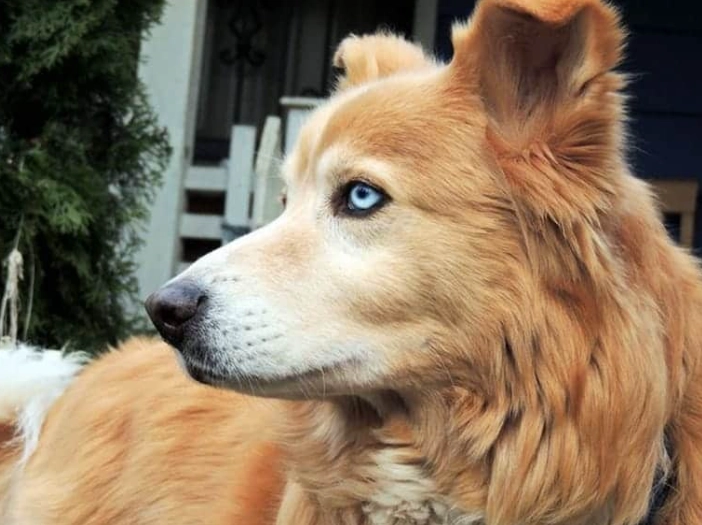
What Exactly is a Golden and Husky Mix?
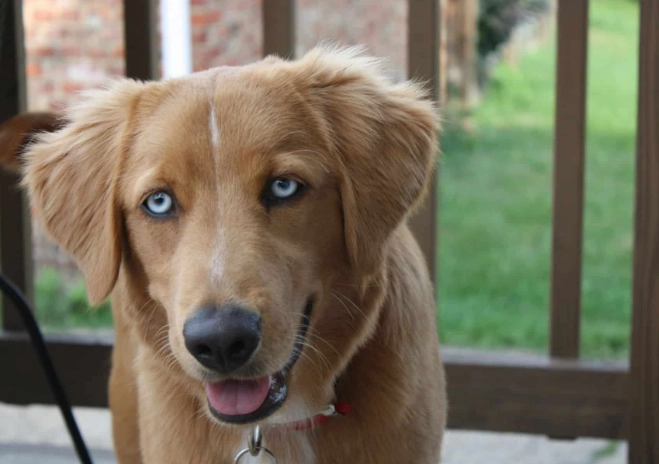
Appearance: A Roll of the Dice
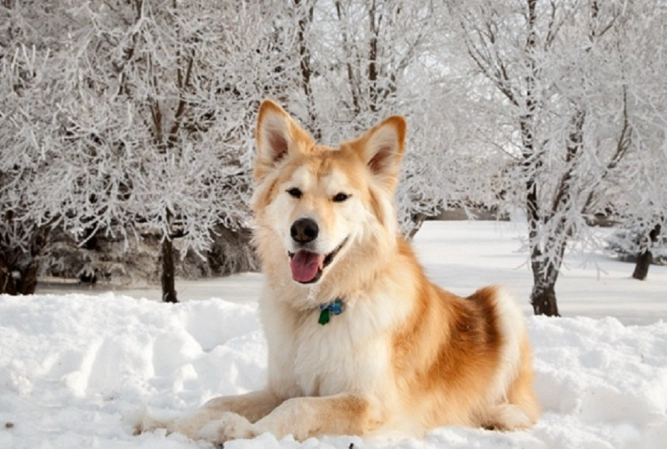
Temperament: The Good, the Bad, and the Energetic
Daily Care and Maintenance for Your Hybrid Dog
Exercise Needs: More Than a Walk in the Park
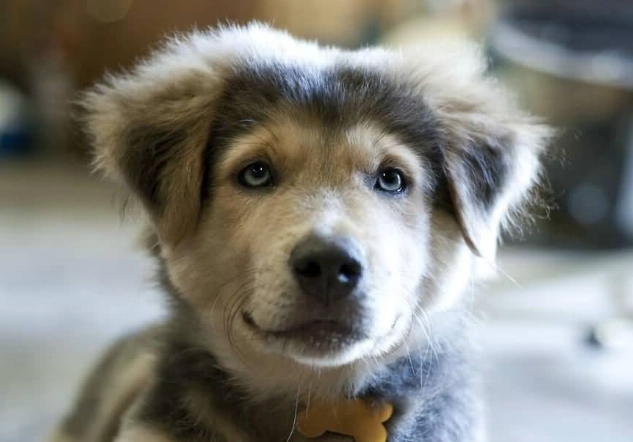
Grooming: A Weekly Commitment
Training Your Golden Husky Mix: Beyond the Basics

Common Behavioral Issues and Fixes
Training Aspect
Golden Retriever Trait
Husky Trait
Mix Recommendation
Obedience
Eager to please, responsive
Independent, selective listening
Use positive reinforcement; be patient
Socialization
Naturally friendly
Can be aloof with strangers
Expose early to people and pets
Energy Management
Moderate to high energy
Very high endurance
Provide intense daily exercise
Positive Reinforcement Techniques That Work
Health Risks and Lifespan Insights
Common Health Problems to Watch For
Veterinary Care and Costs
Is This Dog Breed Right for Your Lifestyle?
Your Burning Questions Answered
How do I stop my golden husky mix from pulling on the leash during walks?
Start with a front-clip harness—it reduces pulling by redirecting their momentum. Practice in a quiet area first, rewarding when the leash is loose. Many owners make the mistake of yanking back, which just encourages more pulling. Instead, stop walking when they pull, and only move forward when the leash slackens. It takes time, but consistency pays off. I've seen dogs improve within a few weeks with daily sessions.
Can a golden and husky mix live comfortably in a hot climate?
It's possible, but you need precautions. Their thick coat insulates against heat to some extent, but they're prone to overheating. Provide shade, plenty of water, and limit exercise during peak heat. I recommend early morning or evening walks. Some owners even use cooling vests. I lived in Arizona with a similar mix, and we adjusted our routine to avoid midday sun—he did fine, but I always watched for signs of heatstroke like excessive panting or lethargy.
What's the biggest mistake new owners make with this hybrid?
Underestimating their intelligence and energy. People see the golden's friendly face and assume easy training, but the husky side brings stubbornness. Without enough mental and physical stimulation, they get bored and destructive. I've counseled owners who thought a daily walk was sufficient, only to find their couch shredded. Commit to a rigorous routine from day one, and you'll avoid many problems. It's not just about exercise; it's about engaging their mind too.
Comment