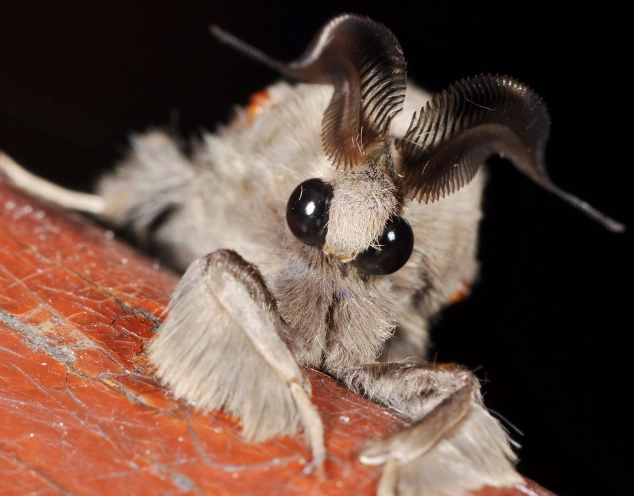
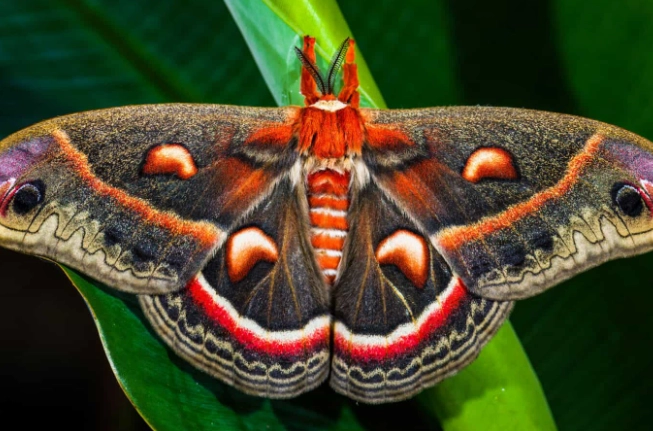
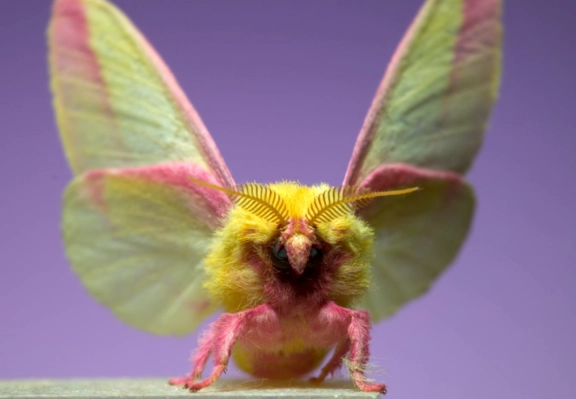
Let's be honest, when most people think of moths, they picture a dull, brown insect flapping desperately against a porch light. It's a reputation that's stuck for centuries. But that image is completely wrong, or at least wildly incomplete. There's a whole secret world of moths out there that look like they were designed by a cartoonist—fluffy, pastel-colored, and impossibly cute. I've spent years with a camera and a notebook in woods and gardens, and the diversity still blows my mind. This isn't just about looks; understanding and appreciating these adorable moths is a gateway into a critical, and often overlooked, part of our ecosystem. It's not a scientific term, but we know it when we see it. In the animal kingdom, cuteness (or "kindchenschema") often involves large eyes, rounded shapes, and soft, fuzzy textures. Moths hit the jackpot on that last one. Many species are covered in dense scales or hair-like setae that give them a plush, teddy-bear quality. Combine that with unexpected color palettes—lemon yellow, cotton-candy pink, mint green—and you have a recipe for instant appeal. The cuteness serves a purpose, though it's debated. That fuzziness, or pile, might help with insulation or camouflage among lichen and moss. The bright colors? Often a warning to predators that they taste bad. But for us, it just makes them incredibly photogenic and delightful to stumble upon. You don't need to trek into a remote jungle. I've found some of my best subjects in a suburban backyard. The key is knowing when and how to look. Forget high noon. Moths are primarily nocturnal or crepuscular (active at dawn/dusk). The best viewing starts about an hour after sunset. Warm, still, humid nights are ideal—think summer evenings after a light rain. Many species also have specific flight seasons. Late spring through early fall is peak time in most temperate regions. Setting up a simple observation station is easy. The classic method is a white sheet hung vertically, with a bright light shining on it. A UV blacklight works wonders, attracting moths invisible to regular bulbs. Position it away from competing streetlights. An even more intimate method is "sugaring." Mix up a paste of overripe fruit, brown sugar, and a splash of beer or rum. Paint it on tree trunks in the late afternoon. Come back after dark with a red-filtered flashlight (which disturbs them less) and you might find moths, like the lovely Catocala (underwing) species, happily feeding. It's messy, but it works. Pro Tip Most Guides Miss: Don't just look at the sheet. Check the ground around your light, the sides of your house, and nearby foliage. Shy or heavy species often land nearby rather than on the sheet itself. I once found a magnificent Imperial Moth resting on my garden hose reel. Based on consistent fanfare from lepidopterists and nature photographers, here are seven species that redefine moth aesthetics. This table gives you the quick snapshot. Now, let's get into the details the table can't capture. The Rosy Maple Moth is so shockingly colored it feels unreal. The first time I saw one in Tennessee, I thought it was a piece of craft foam stuck to a leaf. They're not particularly rare, but their season is short, making a sighting special. The "Poodle Moth" deserves its own paragraph. Since Dr. Arthur Anker's photo went viral, it's become the poster child for cute moths. The thing is, we know almost nothing about it. Is it a new species? A known one in an unusual color morph? The remote location makes study hard. This mystery adds to its allure—it's a reminder of how much we still have to discover. My personal favorite for garden watching is the Hummingbird Clearwing. You can plant native bee balm (Monarda) or phlox and just wait. On a sunny afternoon, you'll see them zooming from bloom to bloom, their wings a blur. They're proof that moth-watching isn't just a nighttime hobby. Let's clear the air. No, they don't all eat your clothes. Of the 160,000+ moth species, maybe a dozen are the fabric pests we know. The vast majority have caterpillars that munch on specific leaves (often native plants), and the adults don't eat at all—they just live to mate. They're vital pollinators, especially for night-blooming flowers. Organizations like the Xerces Society highlight their crucial role alongside bees. Another mistake? Thinking they're just dull butterflies that fly at night. Moths are an incredibly diverse order, with forms and functions butterflies never evolved. Some have no mouths, some mimic wasps, and yes, many are far more visually spectacular than your average cabbage white butterfly. I want to attract cute moths to my garden. What's the one plant most guides get wrong? They often list "butterfly bush" (Buddleia). It does attract some, but it's invasive in many areas and is a mediocre food source for caterpillars. Skip it. Instead, plant native trees. An oak tree supports over 500 species of caterpillar, which become moths. A willow, cherry, or birch are also powerhouse hosts. For nectar, plant evening-blooming natives like evening primrose, native tobacco (Nicotiana), or climbing moonflower vines. Is it safe to touch a fuzzy moth? Generally, yes, but with a huge caveat. The fuzz itself is harmless. However, some people can have mild allergic reactions to scales. The real danger is accidentally harming the moth. Their wings are covered in tiny, delicate scales that rub off like powder. If you must handle one, let it walk onto your finger and avoid touching the wings. Better yet, just admire it on a leaf. Never touch the fuzzy caterpillars, though—many, like the Io or Puss, have urticating hairs or spines that sting. I saw a cute, fuzzy moth in my house. What should I do? Stay calm. It likely flew in by accident, attracted by a light. Turn off indoor lights and turn on an outdoor porch light. Open a door or window near the light. Often, it will fly out on its own. If it's resting, you can gently coax it into a clear glass, slide a piece of paper over the top, and release it outside after dark. Don't swat it—you'll ruin its beautiful scales and kill a harmless pollinator. How can I photograph these moths without scaring them away? Flash is your friend. Most nocturnal moths are temporarily dazzled by light and will stay still for a moment. Use a macro lens or your phone's portrait mode. Get on their level—crouch down. Focus on the eyes and the texture of the fuzz. A head-on shot of a Garden Tiger Moth showing its fuzzy face is often cuter than a standard side profile. For daytime moths like the Clearwing, you'll need a fast shutter speed to freeze their hovering wings. Are these cute moths endangered? Many are in decline due to habitat loss, light pollution, and pesticide use. The Garden Tiger Moth, for instance, has seen significant population drops in parts of the UK, as noted by the RSPB. You won't find them on most "endangered species" lists, but that's because the data is sparse. Their decline is a silent one. The best thing you can do is make your outdoor space friendlier: plant natives, leave leaf litter in fall (many pupate in it), and reduce or shield outdoor lighting. The world of cute moths is a delightful rabbit hole to fall into. It changes how you see the night. A flicker near a streetlight isn't just a bug—it could be a little, furry flying gem. Grab a flashlight, step outside, and see what adorable visitors you can find.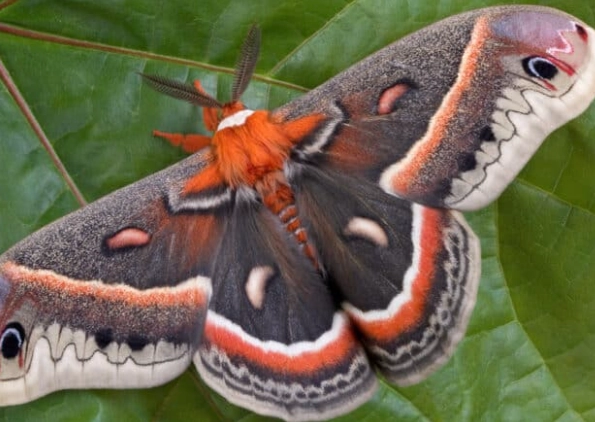
What's Inside?
What Makes a Moth ‘Cute’?
How to Find and Enjoy Cute Moths
Timing is Everything
The Lure of Light (and Sugar)
Meet the Contenders: 7 of the Cutest Moths on Earth
Moth Name
Key Cute Features
Where to Find Them
Fun Fact / My Note
1. Rosy Maple Moth (Dryocampa rubicunda)
Vibrant pink & yellow woolly coat, fuzzy body.
Eastern North America, deciduous forests.
Looks like a living piece of candy. Larvae are called "green-striped mapleworms."
2. Southern Flannel Moth (Megalopyge opercularis)
Extremely long, luxurious fur; resembles a tiny Persian cat.
Southeastern United States.
WARNING: The caterpillar (puss caterpillar) has a vicious sting. Admire the adult from a distance!
3. White Plume Moth (Pterophorus pentadactyla)
Feathery, T-shaped wings; delicate and ghostly.
Europe and temperate Asia.
Flies in a fluttering, fairy-like manner. A master of delicate cuteness.
4. Garden Tiger Moth (Arctia caja)
Chocolate & cream patterned wings, incredibly fuzzy orange-and-black abdomen.
Europe, North America, Asia.
The fuzzy abdomen is often hidden at rest. If startled, it flashes it as a warning.
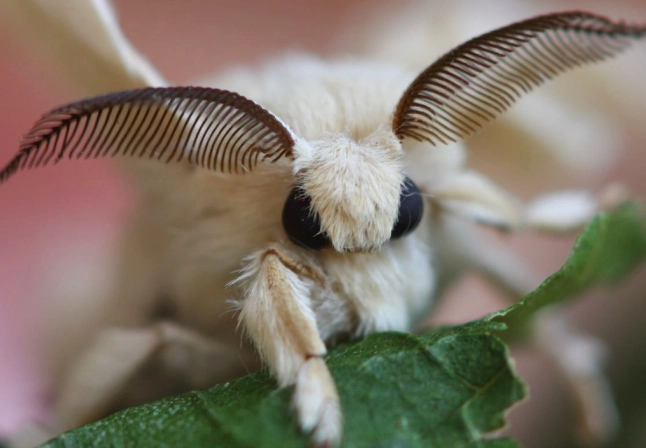
5. Venezuelan Poodle Moth
Dense, white "poodle" fur, large black eyes.
Known only from Venezuela's Gran Sabana.
Internet famous since 2009. Its biology is still largely a mystery.
6. Hummingbird Clearwing Moth (Hemaris thysbe)
Fuzzy, olive-green body with red bands; diurnal, hovers at flowers.
North America.
Perfect for daytime viewing. Often mistaken for a tiny hummingbird or large bee.
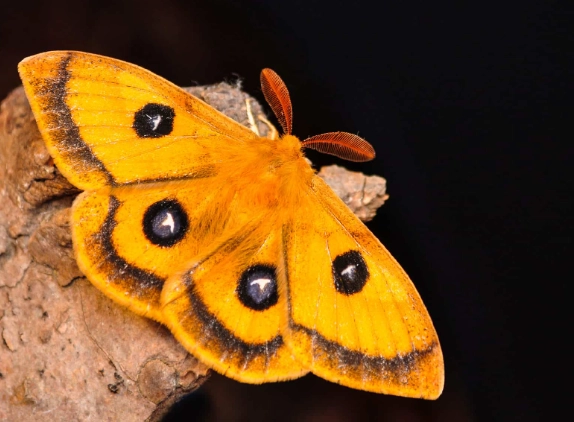
7. Io Moth (Automeris io)
Large, fuzzy yellow body (female) or purple-yellow (male); stunning eyespots.
Eastern North America.
The caterpillar is covered in venomous spines. Another case of cute adult, dangerous kid.
Common Misconceptions About Moths
Your Cute Moth Questions, Answered
Discover the World's Cutest Moths: A Visual Guide to 7 Adorable Species
Comment