You've seen the photos. A stunning dog with piercing blue eyes (maybe one blue, one brown), a fluffy coat that begs to be cuddled, and a smile that could melt glaciers. The Husky Retriever mix, often called a Goberian (Golden Retriever + Husky) or a Siberian Retriever (Lab + Husky), is the internet's darling for a reason. But behind that photogenic facade lies a complex, high-octane canine that's a world away from a easy-going family pet. I've spent over a decade working with high-energy breeds and designer mixes, and I'm here to tell you the unvarnished truth. This isn't just a mix of two great dogs; it's a genetic lottery with stakes that are incredibly high for your lifestyle.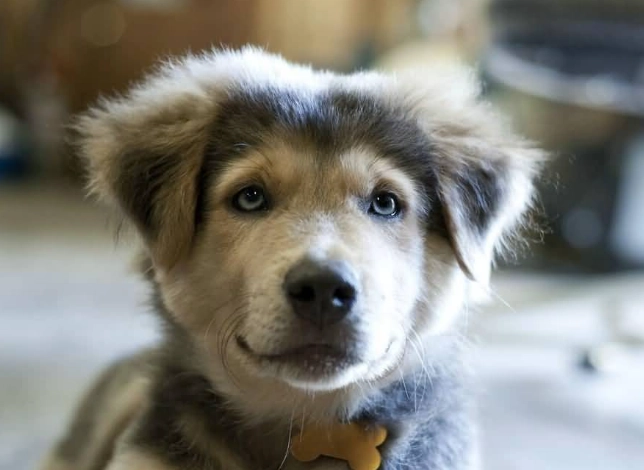
In This Article
- What Exactly Is a Husky Retriever Mix?
- Looks & Physical Traits: The Genetic Roulette
- Temperament & Behavior: A Tale of Two Personalities
- Health & Lifespan: What to Watch For
- Training Your Husky Retriever Mix: The Real Deal
- Diet, Exercise & Grooming: Non-Negotiables
- Is This Dog Right For You? The Honest Checklist
- Your Questions, Answered (The Good Stuff)
What Exactly Is a Husky Retriever Mix?
It's a first-generation cross between a purebred Siberian Husky and a purebred Retriever—most commonly a Labrador Retriever or a Golden Retriever. There's no established breed standard, which means every puppy is a unique combination of its parents' traits. Some inherit more Husky independence and vocalness, others lean toward the Retriever's biddable, people-pleasing nature. Most land somewhere in a chaotic, wonderful, frustrating middle. The American Kennel Club (AKC) doesn't recognize designer mixes, but that doesn't lessen the responsibility of owning one.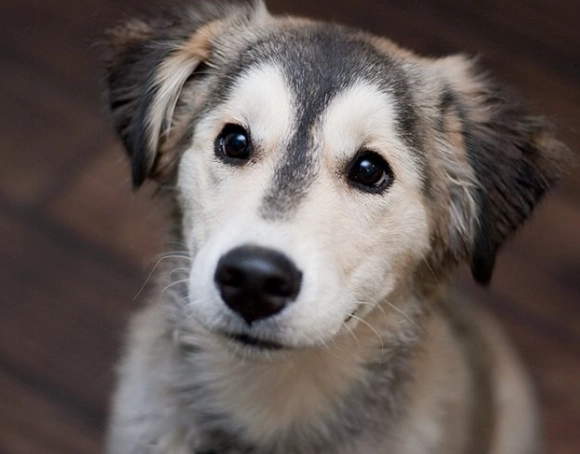
Looks & Physical Traits: The Genetic Roulette
Predicting a mixed breed's adult look is guesswork. You might get a 50-pound dog with a Lab's short coat and a Husky's mask, or a 70-pound fluffball with a Golden's color and icy blue eyes. Here’s the spectrum:
- Coat: Short and dense like a Lab, long and double-layered like a Husky, or a medium-length "furnished" coat. Colors range from black, brown, and gold to the classic Husky gray/white/black. Expect year-round shedding, with epic "blowouts" twice a year if the double coat comes through.
- Eyes: This is where the magic (and the Instagram likes) happen. Brown is common, but blue eyes from the Husky side are a strong possibility. Heterochromia (two different colored eyes) isn't rare.
- Size: Typically a large breed. Males often weigh 60-80 pounds, females 50-70 pounds. Height ranges from 20 to 24 inches at the shoulder.
- Build: Athletic and muscular. They're built for endurance, not sprinting. You'll see a deep chest and a tail that may curl like a Husky's or carry straight like a Retriever's.
Temperament & Behavior: A Tale of Two Personalities
This is the most critical section. People get seduced by the looks and forget the brains inside. You're merging a stubborn, independent sled dog bred to make decisions miles from its handler with a soft-mouthed, handler-focused gundog. The result?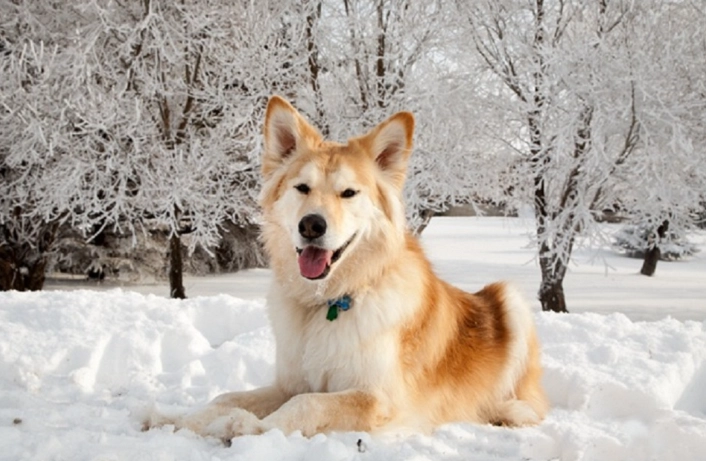
The biggest misconception? That they get "the best of both worlds." More often, novice owners get the worst: the Retriever's potential for anxiety and the Husky's legendary escapism and selective hearing. I've seen more than a few of these dogs surrendered because "he's too smart for his own good"—code for "he's bored and I can't control him."
Common temperament traits include:
- High Energy & Intelligence: Non-negotiable. This dog needs a job. Without one, it will invent its own (like redecorating your couch).
- Social, But On Their Terms: They're usually friendly but can inherit the Husky's aloofness with strangers. Early, constant socialization is key.
- Vocal: Forget barking. Think talking, howling, whining, and "arguing." Huskies are famous vocalizers, and many mixes keep this trait. Your neighbors will know you have a dog.
- Prey Drive: The Husky's instinct to chase can be strong. Cats, squirrels, small dogs—see them as moving targets unless trained from puppyhood.
Health & Lifespan: What to Watch For
With a lifespan of 10-14 years, they're generally healthy, but prone to conditions from both parent breeds. Reputable breeders test their breeding stock for these. Ask to see the results (OFA, PennHIP for hips; CERF for eyes).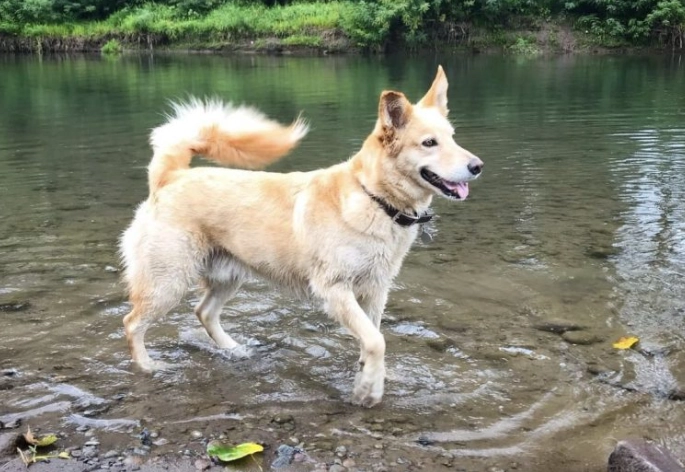
| Condition | Source Breed | What It Is |
|---|---|---|
| Hip & Elbow Dysplasia | Both | Malformation of joints, leading to arthritis and pain. |
| Progressive Retinal Atrophy (PRA) | Both | Degenerative eye disorder leading to blindness. |
| Hypothyroidism | Golden Retriever | Underactive thyroid gland, affecting metabolism. |
| Exercise-Induced Collapse (EIC) | Labrador Retriever | Muscle weakness after intense exercise. |
| Cataracts | Both | Clouding of the eye lens. |
Preventative care is cheaper than treatment. Keep them at a lean weight to reduce joint stress.
Training Your Husky Retriever Mix: The Real Deal
Forget the standard training advice. With this mix, you need a strategy.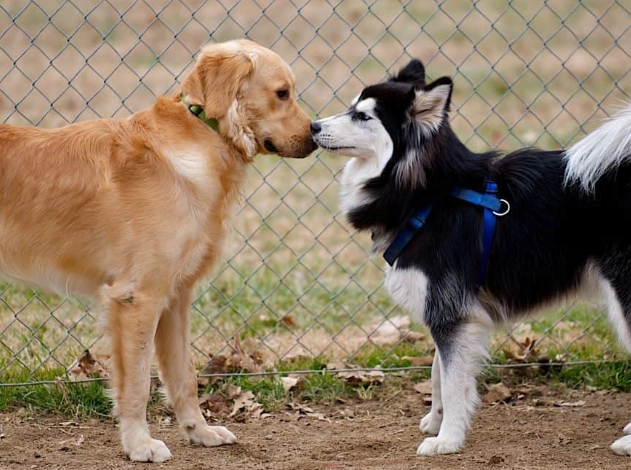
How to Train a Husky Retriever Mix Puppy
Start yesterday. Socialization isn't just about meeting people; it's about exposing them to surfaces, sounds, and situations in a positive way before 16 weeks. Crate training is your best friend for housebreaking and preventing destructive chewing. Use their food drive! Hand-feed meals during training sessions to build a powerful connection.
The Recall Problem (And How to Fix It)
This is the #1 training failure. Their nose and instincts can override your voice. Never practice recall only to end fun (like leaving the dog park). Use a long-line leash (30-50 feet) in safe, open areas for months, even after they seem reliable. Make coming to you the best thing ever—high-value treats, crazy praise, a game of tug. Never, ever punish a dog that finally comes back, even if it took 10 minutes.
My hard-won tip: Train an emergency recall with a unique, loud sound (like a whistle) paired with an insanely good reward (a chunk of boiled chicken liver). Use it once a week at most, but make it a party when you do. This can save their life.
Diet, Exercise & Grooming: Non-Negotiables
Exercise Needs: More Than a Walk
A leashed walk around the block is a warm-up, not a workout. They need 60-90 minutes of vigorous activity daily. Think:
- Running or biking (once fully grown, around 18 months)
- Hiking on varied terrain
- Dog sports like agility, canicross, or nose work
- Fetch sessions that actually tire them out
A tired Husky Retriever mix is a (mostly) good dog. A bored one is a demolition crew.
Feeding & Nutrition
Feed a high-quality, large-breed puppy formula until 18-24 months to support controlled growth. Adults do well on formulas for active breeds. Measure food—they can become obese easily, which exacerbates joint issues. Be wary of bloat; feed two smaller meals a day, not one large one, and avoid vigorous exercise right after eating.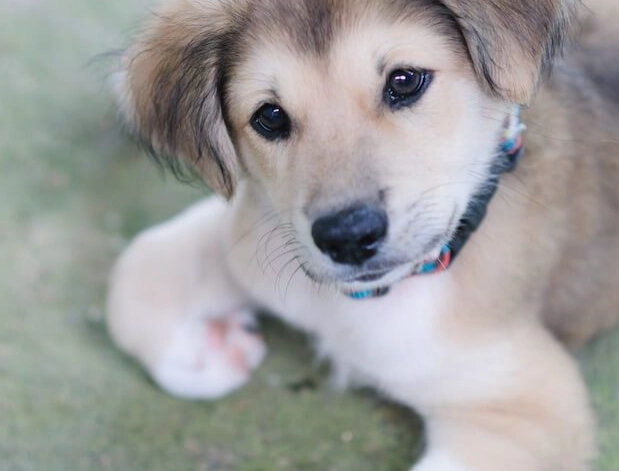
Grooming Commitment
Brushing 2-3 times a week is mandatory to prevent mats and manage shedding. During seasonal sheds, daily brushing is a must. Invest in a good undercoat rake, slicker brush, and a powerful vacuum. Baths every 6-8 weeks or when dirty. Don't shave them—the double coat insulates from heat and cold.
Is This Dog Right For You? The Honest Checklist
Don't get one if:
- You work long hours away from home.
- You want a low-maintenance, "couch potato" dog.
- You have a pristine home and hate dog hair.
- You're a first-time dog owner without an active lifestyle.
- You have small pets (like rabbits or cats) without a proven, safe introduction history.
Do consider one if:
- You're an avid runner, hiker, or outdoor enthusiast.
- You have a securely fenced yard (6-foot minimum, check for digging spots).
- You view training as an engaging, lifelong partnership.
- You have the time, patience, and budget for a high-energy dog.
Your Questions, Answered (The Good Stuff)
Is a Husky Retriever mix a good family dog with young kids?
They can be, with major caveats. Their size and exuberance can accidentally knock over toddlers. The key is supervision and teaching kids how to interact respectfully. The dog must be impeccably trained in bite inhibition and have a rock-solid, calm temperament. Never leave any dog, especially a large, energetic mix, alone with very young children.
How do I stop my Husky Retriever mix from escaping the yard?
Assume they are escape artists. A 6-foot privacy fence with no nearby objects to climb on is the start. Bury chicken wire at the base of the fence or pour a concrete curb to deter diggers. Never leave them unattended in the yard for long periods—boredom is the mother of invention, and their invention is digging under or climbing over your fence.
Are they prone to separation anxiety?
More than many breeds. Both Huskies and Retrievers are pack-oriented. Leaving them alone for 8+ hours daily is a recipe for destructive howling and chewing. Crate training from day one and building up alone time slowly is crucial. For full-time workers, a dog walker midday or dog daycare is often a necessary expense, not a luxury.
What's the biggest mistake new owners make?
Underestimating the mental stimulation requirement. Physical exercise tires the body, but mental work tires the brain. A 20-minute training session, a frozen Kong, or a snuffle mat can do more to settle them than an extra mile of running. A mind without a job becomes a problem-solving mind focused on your drywall.
Can they live in an apartment?
It's an immense challenge, but possible with a superhero-level commitment to exercise. You must be prepared to provide multiple long outings every single day, regardless of weather. Access to a nearby dog park or open space is almost mandatory. In an apartment, their vocalizations (howls, "talking") are also a fast track to complaints from neighbors.
Owning a Husky Retriever mix is a commitment to an intense, rewarding, and often messy partnership. They're not for everyone, but for the right person—someone who sees a dog as a true companion for adventure—they can be an unparalleled source of joy, laughter, and yes, a little bit of chaos. Do your homework, be brutally honest about your lifestyle, and if you take the plunge, commit fully. This dog will demand nothing less.




Comments
Leave a Comment