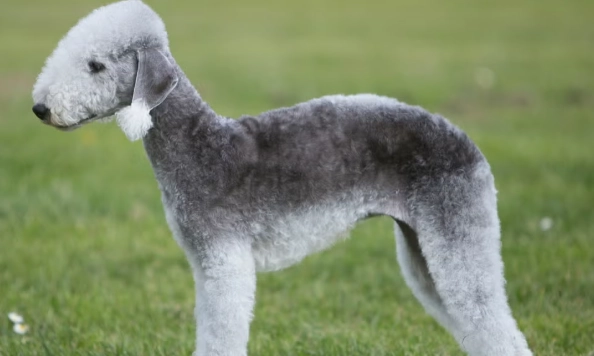
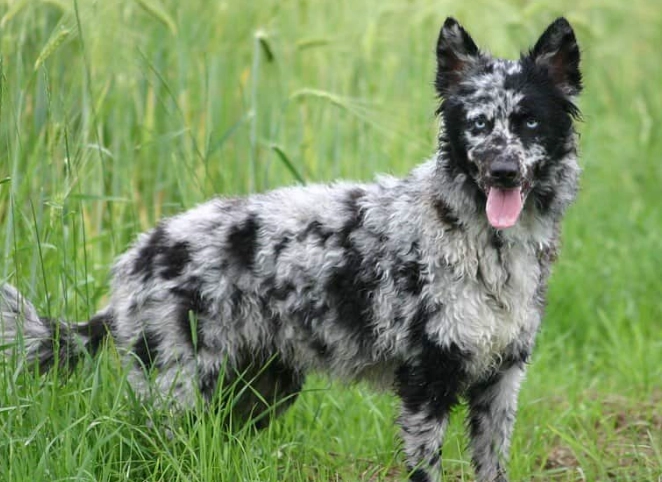
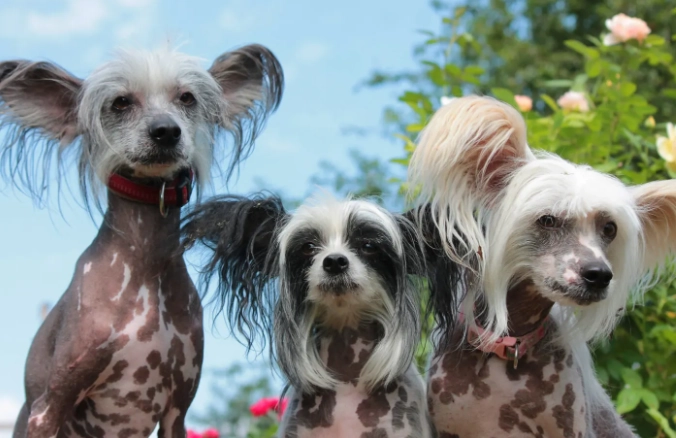
Let's cut to the chase: odd dog breeds aren't just weird-looking pets—they're living pieces of history with quirks that can either make your life amazing or drive you up the wall. I've spent over a decade working with rare canines, and I've seen too many people jump into ownership without knowing what they're signing up for. This guide will walk you through everything, from what makes a breed "odd" to the nitty-gritty of daily care, so you can decide if one of these unusual dogs is right for you. When we say "odd," we're not just talking about looks—though that's a big part of it. An odd dog breed typically has unique physical traits, a rare history, or behaviors that set it apart from your average Labrador or Golden Retriever. Think about breeds that have survived for centuries in isolation, or those with coats that defy normal grooming rules. According to the American Kennel Club, many of these breeds are considered "foundation stocks" with minimal human intervention in their development. Here's the thing: oddity often comes with specific needs. A breed might be hypoallergenic but require sunblock (yes, for dogs!), or it might be incredibly smart but stubborn as a mule. I remember meeting a Xoloitzcuintli owner who didn't realize their dog's skin needed moisturizing in dry climates—a small detail that led to discomfort for the pet. Let's dive into five breeds that perfectly embody "odd." I've included a table to compare them at a glance, but the real insights come from the stories behind each one. Often called the Xolo, this breed dates back over 3,000 years. I've seen people get drawn to its hairless version for hypoallergenic reasons, but they forget about sunscreen. On a sunny day, a Xolo can burn just like we do. The coated variety is less common but equally fascinating—both types are loyal to a fault, but they can be aloof with strangers. If you want a dog that feels like a living artifact, this is it. Looks like a lamb, acts like a terrier. That's the Bedlington for you. Their curly coat requires professional grooming every 6-8 weeks, which can cost a pretty penny. I knew an owner who tried to DIY it and ended up with a matted mess. They're energetic and need daily runs, but their prey drive is intense—not ideal if you have cats or rabbits. Here's a non-consensus view: everyone thinks the Bergamasco's coat is high-maintenance, but it's the opposite. Those dreadlocks form naturally and rarely need brushing. The challenge is finding a breeder; there are only a handful in the U.S. according to the Bergamasco Sheepdog Club of America. They're calm dogs, great for farms, but they can be stubborn during training. Six toes per foot and a neck that bends backward? Yep, that's the Lundehund. Bred to hunt puffins on cliffs, they're agile but prone to a condition called Lundehund syndrome, which affects digestion. I've worked with vets who recommend a grain-free diet for them, but it's not a cure-all. They're playful but need mental stimulation—leave them bored, and they'll redecorate your house. You probably won't find this breed outside Turkey. The split nose is thought to enhance scenting ability, making them excellent hunters. However, their rarity means genetic diversity is low, leading to health issues. If you're considering one, expect to import and deal with strict breeding regulations. They're loyal but independent, not for first-time owners. Owning an odd dog breed isn't like having a Golden Retriever. It's a commitment to understanding quirks that most pet stores don't prepare you for. Let's break it down. Grooming: This is where people slip up. Take the Bergamasco—its coat might look messy, but washing it too often can ruin the natural felting. On the flip side, a Bedlington needs regular trims to maintain that lamb look. I've seen owners spend $100 monthly on grooming alone. Health: Odd breeds often have unique health concerns. The Xolo, for instance, can suffer from dental issues due to missing teeth in hairless varieties. The Norwegian Lundehund's extra toes might lead to joint problems. Always get health clearances from breeders, and consider pet insurance early. Training: Many of these breeds are smart but stubborn. The Bergamasco might ignore commands if it deems them unnecessary. Positive reinforcement works best, but consistency is key. I recall a client whose Bedlington kept digging up the garden—it took months of redirecting to a sandpit to break the habit. Pro tip: Join breed-specific forums or clubs. The community knowledge is invaluable for troubleshooting issues that even vets might not know about. There's a lot of misinformation out there. Let's set the record straight. Myth 1: Odd breeds are always healthier because they're rare. Nope. In fact, limited gene pools can increase the risk of inherited diseases. For example, the Catalburun's split nose doesn't guarantee better health—it can come with respiratory issues. Myth 2: They're too difficult for families. Not necessarily. A Xolo can be great with kids if socialized early, but their sensitivity means they might not tolerate rough play. It's about matching the breed to your lifestyle, not avoiding them altogether. Myth 3: All odd breeds are hypoallergenic. This is a big one. While hairless breeds like the Xolo might help with allergies, no dog is 100% hypoallergenic. Allergens come from dander and saliva too. I've met people who adopted a Bergamasco for this reason and still had reactions. Watch out: Some breeders capitalize on the "odd" label to charge exorbitant prices. Always verify credentials with organizations like the Fédération Cynologique Internationale. Thinking about taking the plunge? Here's a practical checklist. I once advised a family against getting a Norwegian Lundehund because their busy schedule couldn't handle the dog's need for constant engagement. They opted for a more common breed and were happier for it. Odd dog breeds offer a unique journey into the canine world, but they're not for everyone. By understanding their quirks and committing to their care, you can enjoy a rewarding companionship that stands out from the pack. If you're still on the fence, spend time with breeders or at dog shows—nothing beats seeing these dogs in person.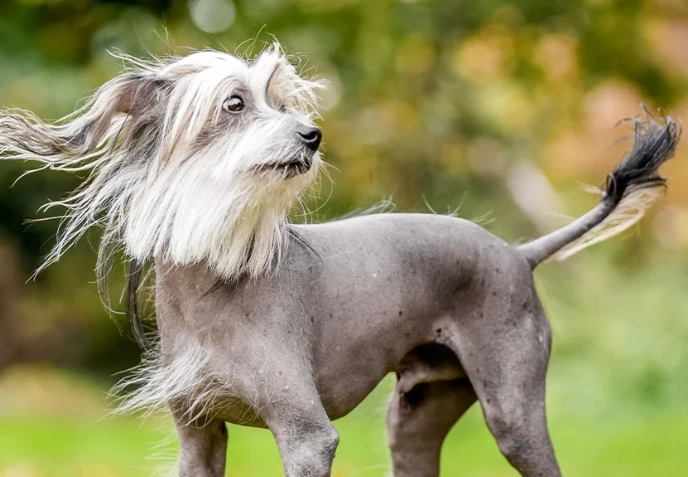
What's Inside This Guide
What Exactly Are 'Odd' Dog Breeds?
Spotlight on 5 Truly Odd Dog Breeds
Breed
Origin
Key Odd Trait
Care Level
Best For
Xoloitzcuintli
Mexico
Hairless or coated varieties; ancient lineage
Moderate (skin care needed)
Allergy sufferers, warm climates
Bedlington Terrier
England
Lamb-like appearance; high prey drive
High (grooming and exercise)
Active families, no small pets
Bergamasco Shepherd
Italy
Felted coat that forms naturally
Low (coat maintenance is minimal)
Rural settings, patient owners
Norwegian Lundehund
Norway
Six toes, flexible neck; bred for puffin hunting
Moderate (prone to digestive issues)
Experienced owners, cool climates
Catalburun
Turkey
Split nose; rare outside homeland
Moderate (hunting instincts strong)
Hunting enthusiasts, spacious homes
Xoloitzcuintli: The Ancient Companion
Bedlington Terrier: The Wolf in Sheep's Clothing
Bergamasco Shepherd: The Low-Maintenance Oddball
Norwegian Lundehund: The Adaptive Survivor
Catalburun: The Rarity with a Split Nose
The Day-to-Day Reality of Living with an Odd Dog
Debunking 3 Big Myths About Unusual Breeds
How to Decide If an Odd Breed Is Right for You
Your Top Questions Answered
Are odd dog breeds more prone to behavioral issues than common breeds?
Not inherently, but their unique traits can lead to misunderstandings. For instance, a Bergamasco's independence might be labeled as stubbornness. Proper socialization and breed-specific training from puppyhood are crucial. Many behavior issues stem from owners not meeting the dog's mental or physical needs—like expecting a high-prey-drive Bedlington to ignore squirrels.
What's the biggest mistake people make when choosing an odd dog breed for apartment living?
Assuming size equals suitability. A small Xolo might fit physically, but its need for warmth and skin care in dry indoor air can be challenging. Conversely, a large but low-energy breed might work better. Focus on energy levels and noise tolerance; some odd breeds like the Lundehund can be vocal when bored, leading to complaints from neighbors.
How do I find a vet experienced with rare breeds like the Norwegian Lundehund?
Start by contacting breed clubs—they often maintain lists of recommended vets. For example, the Norwegian Lundehund Club of America has resources. When you visit a vet, ask about their experience with gastrointestinal issues common in the breed. Don't hesitate to seek a specialist if needed; it's better to pay more upfront than deal with misdiagnoses later.
Comment